Recipe
Servings
Servings 1×
Cook 30 min
Ingredients
- Chicken
- Salmon
- Tofu
- Lentils
- Chickpeas
- Beans
- Quinoa
- Pasta
- Bread
- Cauliflower
- Broccoli
- Mushrooms
- Spinach
- Kale
- Greens
- Peas
- Avocado
- Lemon
Method
- Let’s dismantle the biggest lies standing between you and your stove.
- Use frozen peas, spinach, and broccoli without guilt.
- Use lemon juice, vinegar, or fermented ingredients like kimchi to brighten a dish without skyrocketing the sodium.
- Use "healthy convenience" items.
- Use mushrooms or walnuts for umami depth, which mimics the savory "meatiness" that plant-based dishes sometimes lack.
You’ve been lied to. Between the glossy magazine covers and the "wellness" influencers shouting about detox teas, the concept of a simple Tuesday night meal has become an over-engineered nightmare. You think you need three hours, a private chef’s budget, and the patience of a saint to get a nutritious meal on the table. Stop overcomplicating it. My goal is to strip away the noise and get you back to what actually matters: real food that tastes good and fits into your chaotic schedule. Let’s dismantle the biggest lies standing between you and your stove.
The Science of Simplicity: Why Your Kitchen Rules Are Wrong
Myth 1: "Fresh" is Always Superior to Frozen
This is perhaps the most persistent lie in the culinary world. Science actually tells us a different story. Most "fresh" produce in the grocery store has been sitting in a truck or a warehouse for weeks, slowly losing its vitamin C and B vitamins through oxidation. Frozen vegetables, however, are flash-frozen at the peak of ripeness, locking in those nutrients. Use frozen peas, spinach, and broccoli without guilt. They save you from the tedious chopping that often derails quick healthy meals before they even start.
Myth 2: Fat is the Ultimate Enemy
If you are still buying "fat-free" dressings, stop. Many vitamins: specifically A, D, E, and K: are fat-soluble, meaning your body cannot absorb them without a fat source. When you strip the fat away, you often replace it with sugar or thickeners to maintain texture. Embrace high-quality fats like olive oil or the natural fats in salmon. Check out our guide on achieving the perfect glossy sauce to see how a little fat creates emulsion and satisfaction.
Myth 3: Healthy Food is Inherently Bland
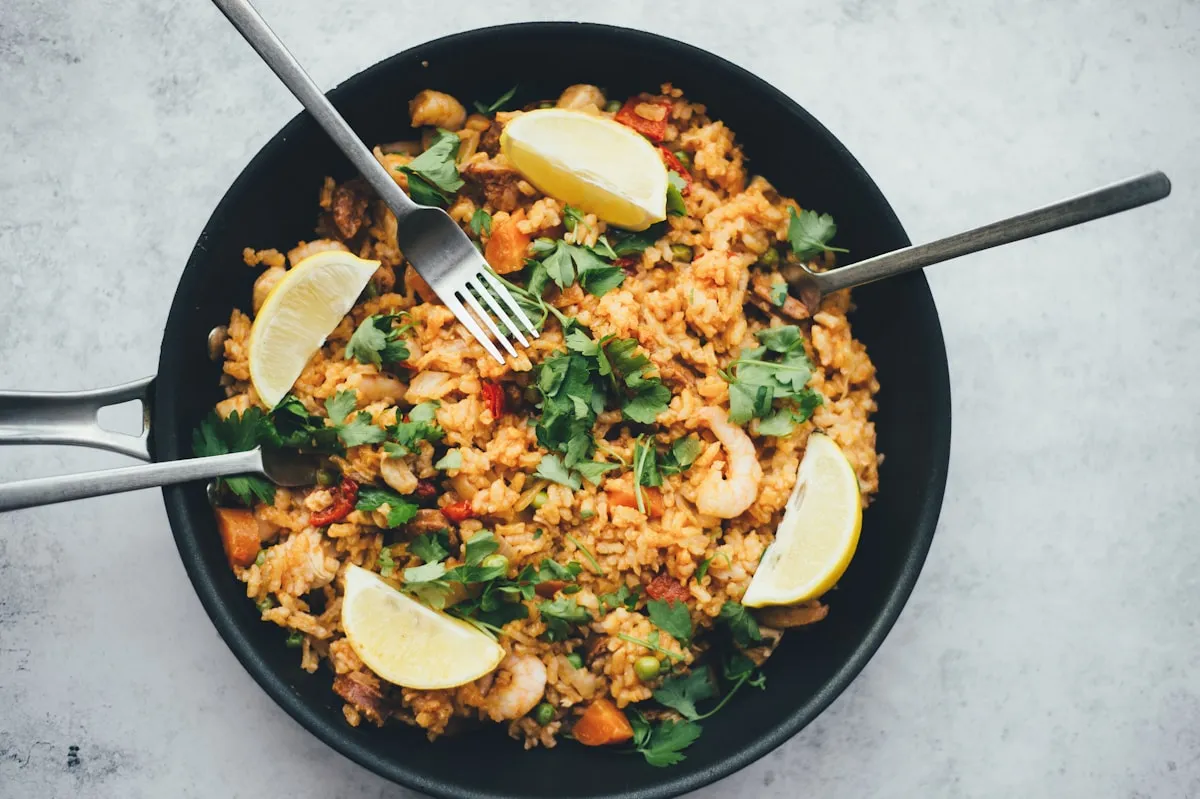
Blandness isn't a byproduct of health; it's a byproduct of poor technique. Most people over-salt to compensate for a lack of acidity. Use lemon juice, vinegar, or fermented ingredients like kimchi to brighten a dish without skyrocketing the sodium. Understand the Maillard reaction: that golden-brown crust on your chicken or tofu isn't just "color": it’s a chemical reaction that creates hundreds of new flavor compounds. High heat is your friend, not your enemy.
Myth 4: You Must Cook Everything from Scratch
The "from scratch" purists are the reason people order takeout. Use "healthy convenience" items. Canned beans, pre-cooked quinoa, and high-quality jarred marinara are essential tools for healthy weeknight dinners. These aren't "cheating"; they are logistical wins. If a pre-chopped bag of kale means you actually eat a vegetable tonight instead of a bag of chips, that is a victory.
Myth 5: Carbs After 6 PM Turn Directly into Fat
Your metabolism doesn't have a clock. The total caloric load and nutrient density of your day matter far more than the time you swallow your last bite. The danger of late-night eating is usually the type of food (processed snacks) rather than the timing. A balanced bowl of pasta with protein and fiber is perfectly fine at 8 PM.
Myth 6: Air Fryers are Just for "Junk" Food
Many dismiss the air fryer as a gadget for frozen mozzarella sticks. In reality, it is a high-powered convection oven that excels at roasting vegetables and lean proteins with minimal oil. Utilizing air fryer recipes dinner enthusiasts swear by can cut your cooking time by 30-50%. Take our sausage and pepper medley for example; it’s a full, balanced meal made in one basket with almost zero cleanup.
Myth 7: A "Healthy" Dinner Must Be a Salad
A bowl of lettuce is not a meal; it’s a garnish. Without protein and complex carbohydrates, you will be raiding the pantry for chocolate an hour later. True health comes from satiety. Prioritize a "balanced plate" approach: half vegetables, one-quarter lean protein, and one-quarter fiber-rich grains or starchy veg. This structural balance keeps your blood sugar stable and your brain happy.
Navigating the Variations: Keto, Plant-Based, and Beyond
When you understand the science of balance, you can pivot your healthy weeknight dinners to suit any dietary need without losing your mind.
For the keto-curious, focus on the "swap and saturate" method. Swap your grains for cruciferous vegetables like cauliflower or cabbage, and saturate the dish with healthy fats like avocado or a tahini-based dressing. The goal is to maintain flavor through fat while keeping glycemic impact low.
If you are leaning into plant-based eating, the challenge is often texture and satiety. Avoid the trap of "carbs-on-carbs" (like pasta with bread). Instead, use legumes as your primary protein source. Lentils and chickpeas offer a dual benefit of protein and high fiber, which triggers the stretch receptors in your stomach to tell your brain you are full. Use mushrooms or walnuts for umami depth, which mimics the savory "meatiness" that plant-based dishes sometimes lack.
Side Dish Pairings: The Art of the Counter-Balance
A great dinner isn't just about the main event; it’s about the environment you build around it. Use your side dishes to provide the "missing notes" of the meal.
If your main dish is rich and fatty: like a roasted salmon or a buttery keto steak: your side dish must provide high acidity and crunch. A quick slaw of shredded cabbage with apple cider vinegar and a touch of mustard will cut through the fat, cleansing your palate and making every bite of the main dish taste as good as the first.
Conversely, if you are serving a lean, spicy stir-fry, pair it with something cooling and earthy. Steamed brown rice or a chilled cucumber salad with sesame oil provides a neutral base that allows the spices to shine without overwhelming your taste buds. Always think about texture: if the main is soft (like a stew), the side should be crisp. If the main is crunchy (like air-fried chicken), the side should be creamy or tender.
Healthy Weeknight FAQ: Your "What If" Guide
What if I forgot to defrost the meat?
Avoid the microwave defrost setting; it cooks the edges while leaving the center frozen, ruining the texture. Instead, use your air fryer. Many air fryer recipes dinner plans actually allow you to cook small cuts of meat (like chicken breasts or salmon fillets) directly from frozen. The high-velocity hot air thaws and sears simultaneously. Just add a few extra minutes to the timer and check the internal temperature with a meat thermometer.
What if my kids won't eat "healthy" food?
Stop calling it "healthy food" and just call it "dinner." The stigma of health often comes from the lack of fat and salt. Ensure you are seasoning your vegetables properly. A roasted carrot with a little maple syrup and salt is infinitely more appealing than a plain steamed one. Also, use familiar formats. Our kielbasa and pierogi roast is a classic crowd-pleaser that fits the bill for quick healthy meals without feeling like "diet" food.
What if I only have 15 minutes?
Focus on the "Small Cut" rule. The smaller you cut your ingredients, the faster they cook. A whole chicken breast takes 20 minutes to sear; sliced into thin strips for a stir-fry, it takes four. Use boiling water from a kettle to jumpstart your pasta or grain cooking.
What if I don't have the "right" ingredients?
Cooking is about ratios, not rigid lists. If a recipe calls for kale but you have spinach, swap it. If it calls for lemon but you have lime or white wine vinegar, use that. The only non-negotiables are your base seasonings (salt, fat, acid). As long as you have those, you can make almost any combination of protein and vegetable taste incredible.
What if I always end up with leftovers I don't want?
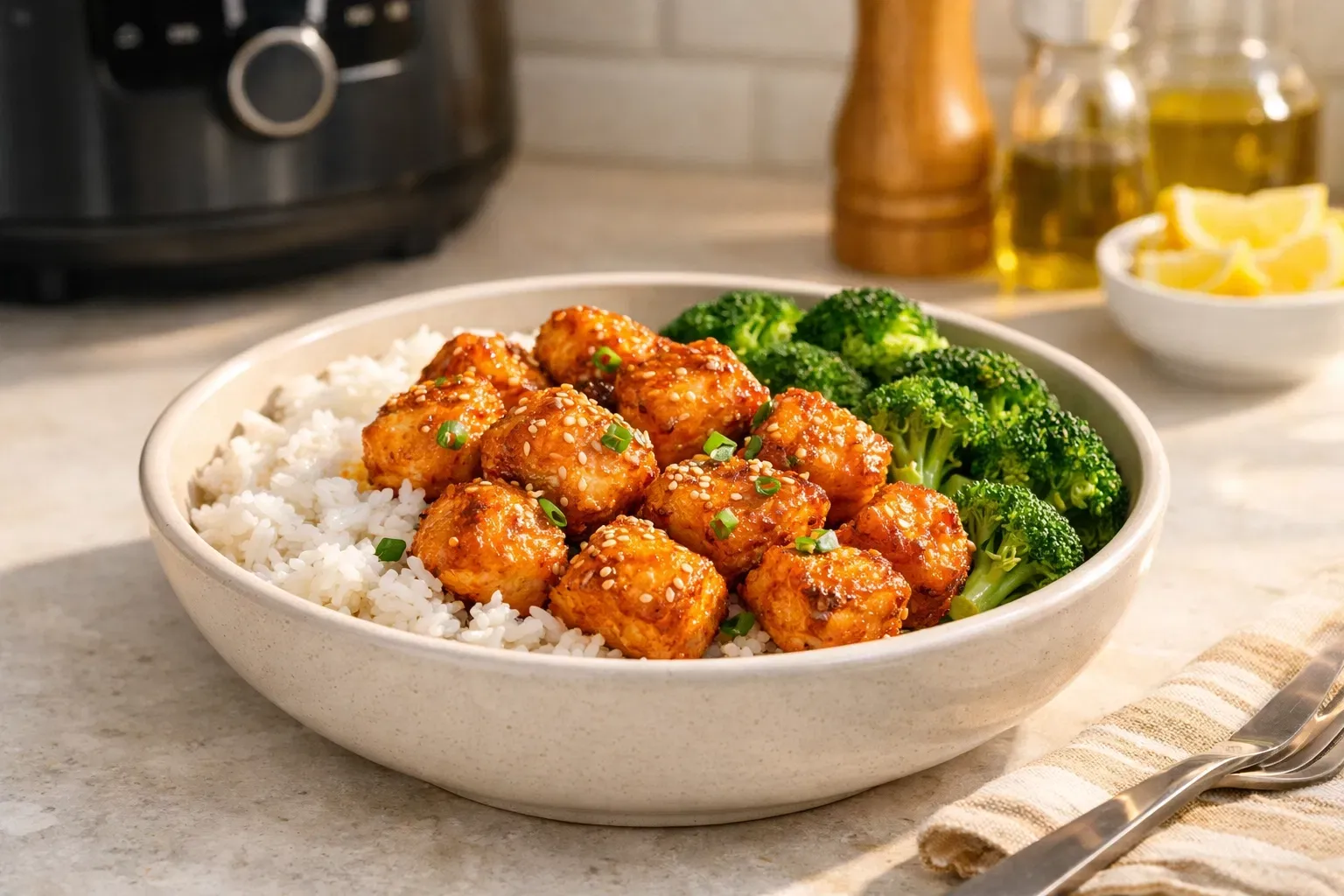
Practice "Rolling Prep." Instead of making a giant vat of one thing, cook a large batch of a single component. Roast three sheet pans of different vegetables and grill four chicken breasts. On Monday, they are a grain bowl. On Tuesday, they go into a wrap. On Wednesday, they are tossed with pasta. This prevents "leftover fatigue" while still keeping your quick healthy meals actually quick.
{“@type”:”BlogPosting”,”image”:[“https://cdn.marblism.com/bECVv9WjiGY.webp”,”https://cdn.marblism.com/k2vqudiwwUL.webp”,”https://cdn.marblism.com/H3jIyWSLNIU.webp”,”https://cdn.marblism.com/o7hGxcgKPrW.webp”,”https://cdn.marblism.com/hWpxHrQyRAa.webp”],”author”:{“name”:”Penny”,”@type”:”Person”},”@context”:”https://schema.org”,”headline”:”7 Healthy Weeknight Dinner Myths Debunked”,”publisher”:{“logo”:{“url”:”https://cookpedia.com/logo.png”,”@type”:”ImageObject”},”name”:”Cookpedia”,”@type”:”Organization”},”description”:”Stop falling for the lies about healthy eating. We debunk 7 common myths to help you master quick healthy meals and healthy weeknight dinners without the stress.”,”datePublished”:”2026-06-09″,”mainEntityOfPage”:{“@id”:”https://cookpedia.com/7-healthy-weeknight-dinner-myths-debunked”,”@type”:”WebPage”}}