Recipe
Servings
Servings 1×
Ingredients
- Chicken
- Beans
- Pasta
- Rice
- Greek yogurt
- Bread
- Potatoes
- Carrots
- Zucchini
- Spinach
- Peas
- Onion
- Garlic
- Lemon
- Cream
- Cooking oil
- Chili seasoning
Method
- Sear your chicken thighs or beef chunks in a hot, oiled pot until they naturally release from the surface.
- Use a staggered entry approach.
- Start with your "aromatics" (onions, carrots, celery).
- Use a heavy-bottomed pot (like cast iron or tri-ply stainless steel) for even heat distribution.
- Add them directly from the freezer during the last few minutes of cooking so they stay bright and don't turn into mush.
- Use a heavy-bottomed pot and stir occasionally after adding starches.”,”@type”:”Answer”}},{“name”:”My sauce is way too thin.
We’ve all been there: you see a recipe for a "dump-and-go" one-pot wonder, and it promises the moon. You imagine a gourmet feast with minimal cleanup, but what actually lands on your plate is a soggy, beige puddle of sadness. One-pot cooking is supposed to be the ultimate hack for quick family meals, but without a little bit of kitchen physics, it often falls flat. The good news? You don't need a culinary degree to fix it. You just need to stop treating your pot like a trash can and start treating it like a precision tool.
The Science of the Sizzle: Why Your One-Pot Meal is Bland
The biggest mistake you’re likely making is the "dump everything in at once" approach. While it’s tempting when you’re chasing healthy dinner ideas after a long day, it’s a recipe for flavor failure. The science behind this is simple: the Maillard reaction. This is the chemical reaction between amino acids and reducing sugars that gives browned food its distinctive flavor. This reaction doesn't happen in water. If you dump raw meat and cold stock into a pot simultaneously, the temperature of the meat’s surface will never rise above the boiling point of water (100°C). You’ll get cooked meat, sure, but it will be gray, rubbery, and devoid of that deep, savory "umami" punch.
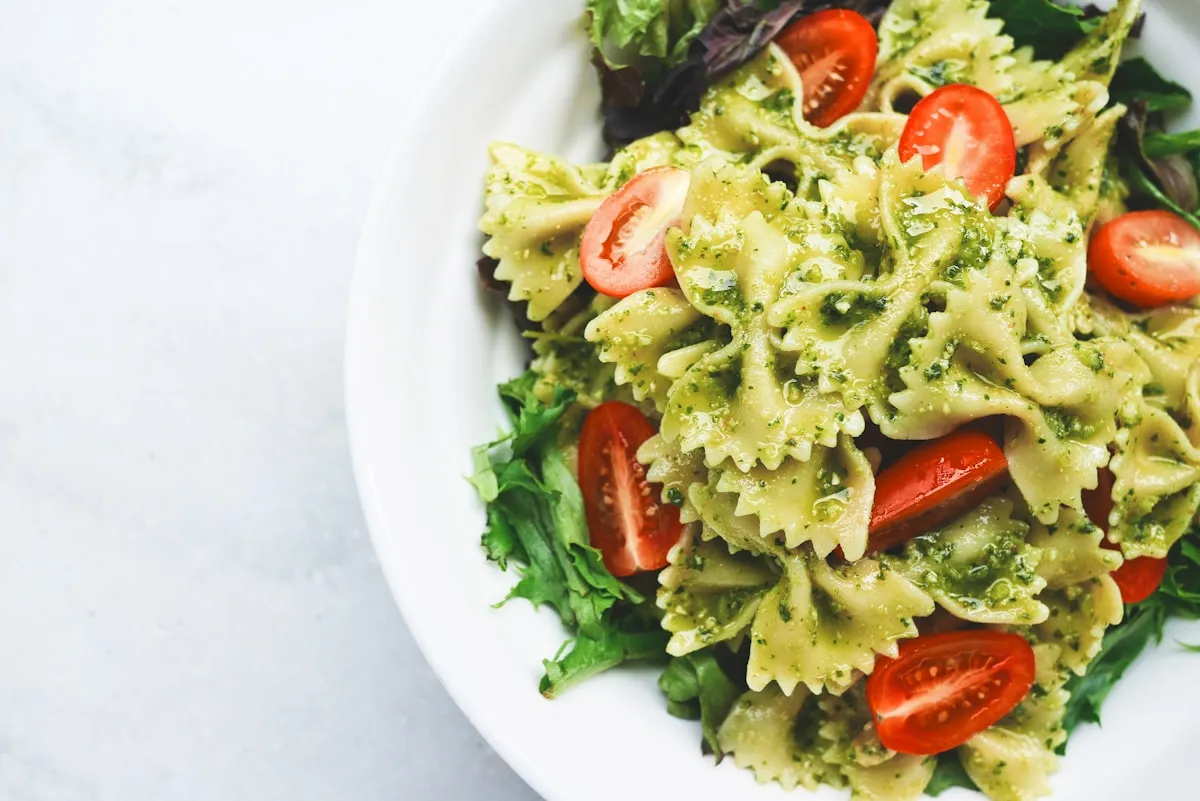
Avoid the gray-meat trap by browning your proteins first. Sear your chicken thighs or beef chunks in a hot, oiled pot until they naturally release from the surface. This creates "fond", those glorious little brown bits stuck to the bottom. When you eventually add your liquid, those bits dissolve, creating a built-in sauce that tastes like it’s been simmering for hours.
Next, consider the "crowding" factor. If you try to brown three pounds of meat in a small pot, the moisture released by the meat can’t evaporate fast enough. Instead of searing, your meat ends up steaming in its own juices. Work in batches. It takes an extra five minutes, but it’s the difference between a mediocre meal and a restaurant-quality dish.
Temperature management is equally vital. If you start with a cold pan, your food will stick and tear. Always preheat your pot until the oil shimmers. Once the food is in, don't fidget with it. Let that crust form! If you’re looking for high-heat efficiency, you might sometimes look at air fryer recipes dinner enthusiasts love, but a well-managed heavy-bottomed pot or Dutch oven can achieve incredible depth that an air fryer simply can't reach in a single vessel.
Texture Matters: Staggering and Starch
One-pot cooking isn't just about flavor; it's about managing textures so everything finishes at the same time. If you put delicate zucchini in at the same time as hearty potatoes, you’re going to end up with zucchini slime.
Use a staggered entry approach. Start with your "aromatics" (onions, carrots, celery). Once they’re soft and fragrant, add your liquids and your long-cooking items like grains or root vegetables. Save the "quick-cookers", like spinach, peas, or bell peppers, for the last five minutes of cooking. This keeps the colors vibrant and the textures distinct.
Watch your liquid ratios, too. In a standard recipe, water evaporates into the air. In a one-pot meal where the lid is often on, that moisture stays trapped. Furthermore, starches like pasta or rice release gluten and starch into the cooking liquid. This is a double-edged sword: it creates a creamy, luxurious sauce, but if you use too much liquid, you end up with a watery soup. Aim for just enough liquid to submerge your solids, then add splashes of stock or water as needed toward the end.
Flavor Variations: Beyond the Basic Stew
One-pot meals don't have to be stews. You can apply these same principles to various styles of cooking to keep your quick family meals interesting.
- The Skillet Pasta: Instead of boiling pasta in a separate vat of water, cook it directly in the sauce. The starch released from the pasta thickens the sauce into a silky coating. This is perfect for a fast weeknight dinner. Check out our one-pot pasta collection for inspiration.
- The Braise: Use a heavy Dutch oven for tougher cuts of meat. By searing first and then simmering low and slow with a tight lid, you transform cheap cuts into melt-in-your-mouth masterpieces.
- The Sheet Pan "One Pot": While technically a pan and not a pot, the physics are similar. The goal is to maximize surface area for roasting. This is often the go-to for healthy dinner ideas because it uses less oil and focuses on high-heat roasting of vegetables and proteins together.
Pairing for Balance: Cutting Through the Richness
Because one-pot meals involve everything cooking together, they can often feel "heavy" or monolithic in flavor. To fix this, you need to pair them with something that provides a sharp contrast.
Avoid serving a heavy one-pot pasta with a side of garlic bread; it’s starch on starch. Instead, opt for a crisp, acidic side dish. A simple arugula salad with a lemon vinaigrette or some quick-pickled red onions will cut through the richness of a beef stew or a creamy pasta. Acidity is the "reset button" for your palate, making every bite of the main dish feel as exciting as the first.
If your one-pot dish is particularly soft (like a risotto or a bean chili), look for a side dish with crunch. Toasted nuts, raw shaved fennel, or even just some fresh, crusty sourdough can provide the textural variety that a single-vessel meal might lack.
One-Pot FAQ: Solving the "What Ifs"
Why did the bottom of my pot burn while the top was still cold?
This usually happens because of "hot spots" in thin-bottomed pots or a lack of stirring. Use a heavy-bottomed pot (like cast iron or tri-ply stainless steel) for even heat distribution. Also, once you add starches like rice or pasta, stir occasionally to prevent them from settling at the bottom and scorching.
My sauce is way too thin. How can I fix it without overcooking the food?
Don't panic. Take the lid off and turn up the heat to a rapid simmer to evaporate the excess water. If you're in a real rush, you can whisk a teaspoon of cornstarch with a tablespoon of cold water and stir it in. It will thicken almost instantly.
Can I use frozen vegetables in one-pot meals?
Yes, but be careful. Frozen vegetables release a lot of water as they thaw, which can dilute your sauce. Add them directly from the freezer during the last few minutes of cooking so they stay bright and don't turn into mush.
Why is my chicken breast so dry even though it's in a sauce?
Chicken breast is lean and overcooks very quickly. Even if it's submerged in liquid, once it hits a certain temperature, the proteins contract and squeeze out all their moisture. Switch to chicken thighs for one-pot meals; they have more connective tissue and fat, making them much more forgiving and flavorful during a longer simmer.
Is it okay to add dairy at the beginning?
Avoid it. High heat and long cook times can cause cream, milk, or yogurt to curdle and separate. Always stir in your dairy at the very end, once the pot is off the heat. This keeps the sauce smooth and creamy.
By mastering these simple techniques: preheating, searing, and staggering: you’ll turn your one-pot sessions from a chore into a triumph. Cooking should be accessible and soulful, and once you understand the "why" behind the sizzle, your kitchen will become a much more exciting place to be.
{“@type”:”BlogPosting”,”image”:”https://cdn.marblism.com/WuLix97iKrX.webp”,”author”:{“name”:”Cookpedia”,”@type”:”Organization”},”faqPage”:{“@type”:”FAQPage”,”@context”:”https://schema.org”,”mainEntity”:[{“name”:”Why did the bottom of my pot burn while the top was still cold?”,”@type”:”Question”,”acceptedAnswer”:{“text”:”This usually happens because of hot spots in thin-bottomed pots or a lack of stirring. Use a heavy-bottomed pot and stir occasionally after adding starches.”,”@type”:”Answer”}},{“name”:”My sauce is way too thin. How can I fix it?”,”@type”:”Question”,”acceptedAnswer”:{“text”:”Simmer with the lid off to evaporate excess water, or use a cornstarch slurry for a quick fix.”,”@type”:”Answer”}},{“name”:”Can I use frozen vegetables?”,”@type”:”Question”,”acceptedAnswer”:{“text”:”Yes, but add them in the last few minutes of cooking to avoid excess water release and mushy textures.”,”@type”:”Answer”}}]},”@context”:”https://schema.org”,”headline”:”7 Mistakes You’re Making with One-Pot Meals (and How to Fix Them)”,”publisher”:{“logo”:{“url”:”https://cookpedia.com/logo.png”,”@type”:”ImageObject”},”name”:”Cookpedia”,”@type”:”Organization”},”description”:”Learn the science-backed secrets to perfect one-pot meals. Avoid common mistakes like overcrowding and dumping ingredients to create flavorful, quick family meals.”,”datePublished”:”2026-07-03″,”mainEntityOfPage”:{“@id”:”https://cookpedia.com/7-mistakes-one-pot-meals”,”@type”:”WebPage”}}