Recipe
Servings
Servings 1×
Cook 5 min
Ingredients
- Chicken
- Broccoli
- Apple
- Garlic
- Lemon
- Lime
- Balsamic vinegar
- Honey
- Salt
- Black pepper
Method
- Use paper towels and press hard.
- Start your thighs skin-side down.
- Brush on your honey or balsamic reduction then, and give it just 2 more minutes.
If you have ever bitten into a piece of chicken only to find the skin has the texture of a wet napkin, you have been a victim of poor physics. Most people think an air fryer is a magical box that just "makes things crispy," but it is actually a high-speed convection engine. To get that glass-shattering crunch on a chicken thigh, you need to understand how to manipulate heat, airflow, and fat rendering. I am here to coach you through the science of why your chicken usually fails and how to fix it forever.
The Science of Crunch: Convection and Fat Rendering
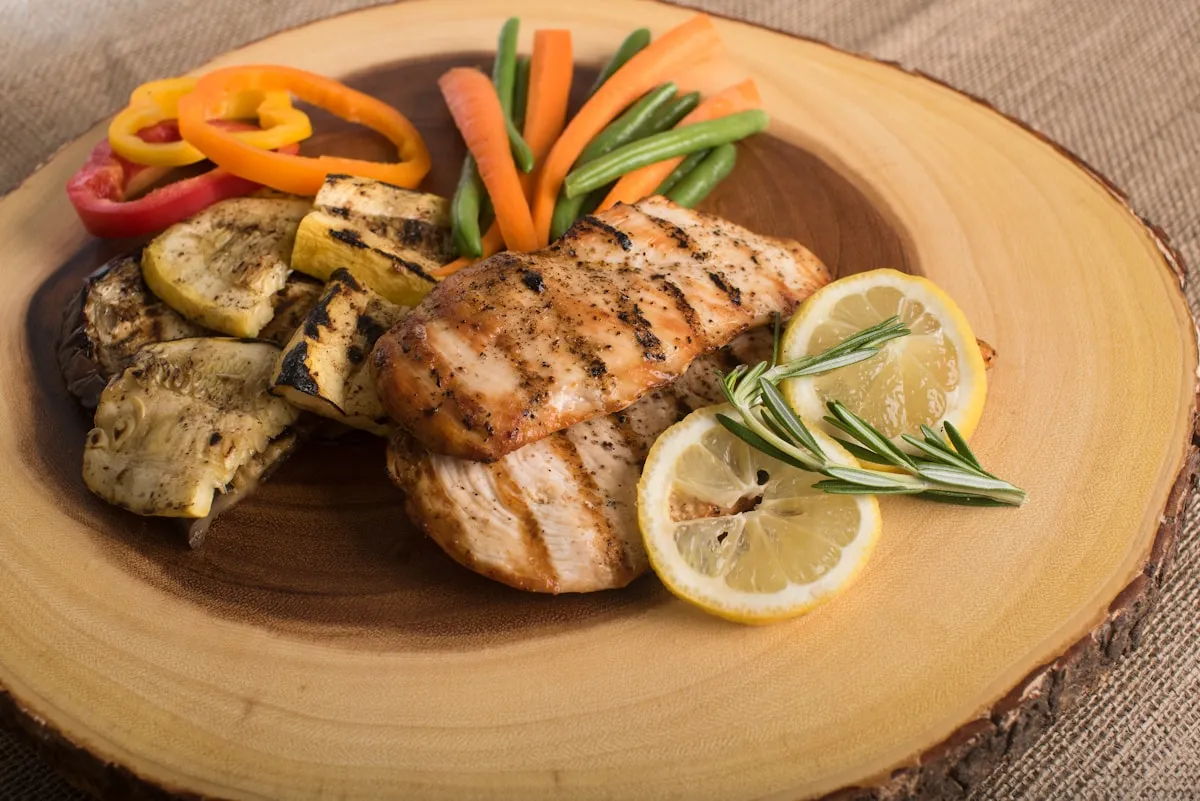
To master air fryer recipes dinner guests will actually rave about, you have to start with the "Dry Principle." Water is the enemy of the Maillard reaction, that chemical process that turns pale proteins into golden-brown perfection. If your chicken skin is damp when it hits the basket, the air fryer spends the first ten minutes steaming the meat instead of searing it. Use paper towels and press hard. You want that skin as dry as a desert.
Once dry, we introduce the secret weapon: pH manipulation. By lightly dusting your skin with a tiny amount of baking powder (not baking soda!), you raise the pH level of the skin. This chemical shift breaks down the peptide bonds in the skin's surface, allowing it to blister and crisp up much faster. It creates tiny bubbles that increase the surface area, giving you that crunch usually reserved for deep-fried wings.
Next, we talk about the "Two-Stage Render." Most people toss their chicken in skin-side up and hope for the best. That is a rookie mistake. Start your thighs skin-side down. This forces the fat trapped under the skin to melt (render) and drip through the meat, essentially self-basting the thigh from the inside out. If you start skin-side up, the skin tightens too quickly, trapping a layer of flabby fat underneath. We want that fat gone, leaving only a thin, crispy veil of flavor.
Finally, remember that airflow is everything. If you crowd the basket, you are just making a very small, very expensive steamer. Leave space between each thigh. The air needs to whip around the edges of the meat to dehydrate the skin. This is the hallmark of quick family meals that don't compromise on quality, efficiency through proper spacing.
Mastering Texture: Variations for Every Palate
While the science of the skin remains constant, the flavor profiles are your playground. If you want to lean into the Mediterranean vibe, a dry rub of oregano, garlic powder, and lemon zest works wonders. The lemon zest contains oils that help the rendering process, though you should avoid using actual lemon juice until the very end to keep the skin dry.
For those looking for healthy dinner ideas that pack a punch, try a "Dry Brine" variation. Salt your thighs 24 hours in advance and leave them uncovered in the fridge. This "air-chills" the skin, making it incredibly thin and parchment-like before it even touches the air fryer. You can also experiment with "Smoky Physics" by using smoked paprika and a touch of cumin. The sugars in some spices can burn quickly in a convection environment, so keep your spice rubs focused on dried herbs and salts rather than sugar-heavy BBQ blends, which are better suited for the final two minutes of cooking.
If you are going for a glaze, wait until the internal temperature hits 165°F. Brush on your honey or balsamic reduction then, and give it just 2 more minutes. This allows the sugars to caramelize without turning into a burnt, bitter mess.
Balancing the Plate: Side Dish Pairings
Chicken thighs are inherently rich and fatty. To make this a complete meal, you need acidity and freshness to cut through that decadence. A bright arugula salad with a sharp lemon vinaigrette is the perfect foil. The peppery bite of the greens resets your palate after every bite of crispy chicken.
If you want to keep the air fryer running, you can also check out our Air Fryer Sausage and Pepper Medley for a high-fiber companion, or even some Kielbasa and Pierogies if you are feeling like a carb-heavy comfort night. The goal is contrast. If the chicken is salty and crispy, the side should be bright, acidic, or creamy. Steamed broccoli with a heavy squeeze of lime or a quick slaw with apple cider vinegar are both elite choices that keep the meal balanced and healthy.
Frequently Asked Questions
Why is my chicken skin still rubbery?
It usually comes down to one of two things: moisture or temperature. If you didn't pat the skin dry, it steamed. If you didn't cook it long enough, the fat didn't render. Chicken thighs are forgiving; unlike breasts, they actually taste better when cooked to 185°F or even 195°F. This higher temperature allows the tough connective tissue (collagen) to turn into gelatin, making the meat "fall-apart" tender while giving the skin more time to crisp.
Can I use boneless thighs?
You can, but you are losing the structural integrity that the bone provides. The bone acts as a thermal conductor, helping the meat cook from the inside out, and it prevents the thigh from shrinking into a weird ball. If you do go boneless, reduce your cooking time by about 5 minutes and watch the internal temperature closely.
Do I really need to preheat?
Yes. You wouldn't put a steak into a cold pan, would you? A preheated air fryer ensures that the fat starts rendering the second the meat hits the basket. If you start cold, the chicken sits in a lukewarm environment as the machine ramps up, which encourages moisture to leak out and pool around the bottom of the skin.
How do I stop the chicken from sticking?
A light spray of high-smoke-point oil (like avocado or grapeseed oil) on the basket is helpful, but the real trick is the "Initial Sear." If you try to flip the chicken and it feels stuck, leave it for another two minutes. Just like on a grill, the meat will naturally "release" from the surface once the proteins have sufficiently browned and hardened.
Is it okay to use frozen thighs?
Technically yes, but your skin will never be as good. Frozen meat releases a massive amount of water as it thaws, which creates a steam-heavy environment inside your air fryer. For the best results, always thaw completely and use the dry-brining method mentioned above. This is the difference between a "fine" dinner and the best quick family meals you’ve ever served.