Recipe
Servings
Servings 1×
Cook 165 min
Ingredients
- Chicken
- Tofu
- Quinoa
- Orzo
- Pasta
- Broccoli
- Zucchini
- Onion
- Garlic
- Lemon
- Balsamic vinegar
- Pesto
- Feta
- Cooking oil
Method
- Give your ingredients some breathing room.
- Use half of your pesto to coat the raw chicken and veggies before they go into the oven, this allows the oil and garlic in the pesto to marinate the meat as it cooks.
- Let it get bubbly and gooey.
- Finish with a drizzle of balsamic glaze for a hit of acidity that brightens the entire pan.
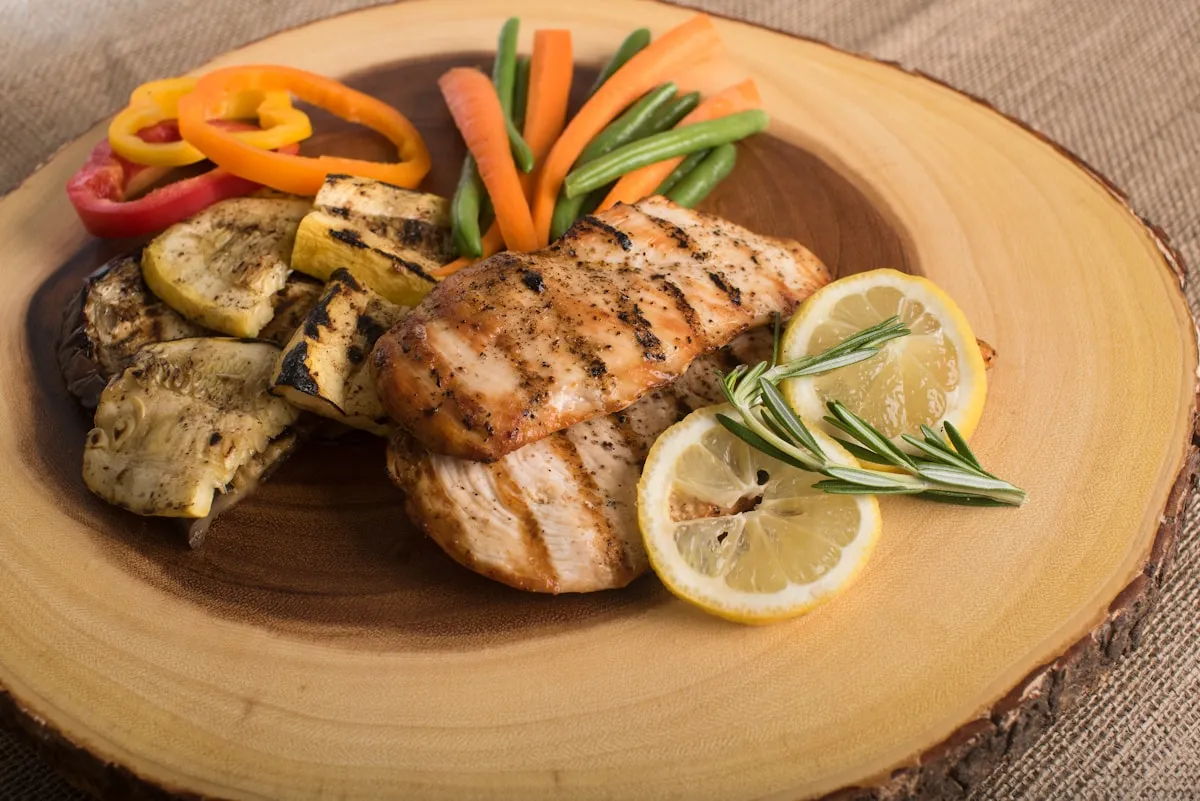
Listen, you are busy. I am busy. We are all busy, but that doesn’t mean we should settle for another sad bowl of cereal or a lukewarm takeout container. You deserve a meal that tastes like you spent an hour in the kitchen, even if you only spent ten minutes prepping. That is where easy dinner recipes like this Sheet Pan Pesto Chicken and Veggies come in. It is vibrant, it is packed with protein, and most importantly, it uses a single pan. Cleanup is practically nonexistent, leaving you more time to actually enjoy your evening.
The Science of the Sheet Pan: Roasting vs. Steaming
The biggest mistake people make with sheet pan meals is crowding the pan. When you jam too much chicken and too many veggies into a small space, you aren't roasting; you're steaming. High heat (we’re talking 400°F and above) is necessary to trigger the Maillard reaction, that chemical dance between amino acids and reducing sugars that gives your chicken those golden, savory edges. If the pan is crowded, the moisture escaping from the vegetables gets trapped, raising the humidity around the food and preventing that browning. Give your ingredients some breathing room. If you can’t see the bottom of the pan, use two pans.
Another crucial scientific concept here is "thermal mass." Chicken breast and broccoli do not cook at the same rate. Chicken is dense and takes longer for heat to penetrate the center, whereas a delicate floret of broccoli can turn to charcoal in minutes. To balance this, cut your chicken into smaller, uniform bite-sized pieces and keep your vegetables relatively chunky. This equalizes the cooking time, ensuring that by the time the chicken hits that safe 165°F internal mark, your vegetables are tender-crisp rather than mushy or burnt.
Then, we have the "Pesto Paradox." Basil is delicate. The volatile oils that give pesto its punchy, peppery aroma are heat-sensitive. If you roast the pesto for 20 minutes at high heat, you’ll lose some of that bright, herbal top note. To solve this, I recommend a two-stage coating method. Use half of your pesto to coat the raw chicken and veggies before they go into the oven, this allows the oil and garlic in the pesto to marinate the meat as it cooks. Once the pan comes out of the oven, toss in the remaining fresh pesto. The residual heat will warm it through without killing the flavor, resulting in a much more complex, professional-tasting dish. This technique is a game-changer for healthy dinner ideas that actually taste fresh.
Switch It Up: Variations for Every Craving
One of the reasons this is a staple in my kitchen is its versatility. Once you master the basic ratio, you can pivot based on what is languishing in your crisper drawer.
The Mediterranean Twist: Swap the broccoli for zucchini and red onion. Five minutes before the pan is finished, sprinkle on some feta cheese and halved kalamata olives. The saltiness of the feta cuts through the richness of the pesto perfectly.
The Caprese Upgrade: If you want something a bit more indulgent, top each piece of chicken with a slice of fresh mozzarella during the last three minutes of roasting. Let it get bubbly and gooey. Finish with a drizzle of balsamic glaze for a hit of acidity that brightens the entire pan.
The Air Fryer Shortcut: If you are looking for air fryer recipes dinner style, you can absolutely move this to the basket. Because the air fryer circulates heat much more efficiently than a standard oven, you’ll get even better browning. Just make sure to shake the basket halfway through to ensure everything cooks evenly. You may need to cook in batches, but the speed is unbeatable for quick family meals.
The Plant-Based Pivot: Not a chicken fan? Swap the poultry for thick slices of halloumi or extra-firm tofu cubes. Tofu has a high water content, so press it well before tossing it in the pesto to ensure it actually crisps up instead of just getting warm and soft.
The Perfect Plate: Side Dish Pairings
While this meal is a powerhouse on its own, sometimes you want a little something extra to soak up those pesto juices. Since the dish is quite rich from the olive oil and pine nuts in the pesto, you want sides that offer texture or acidity.
- Lemon-Garlic Orzo: A light, citrusy pasta is the natural companion to pesto. The acidity of the lemon helps cut through the fats, refreshing your palate between bites.
- Crispy Polenta: If you want something heartier, serve the chicken and veggies over toasted slices of polenta. The creamy center and crunchy exterior of the polenta provide a great contrast to the roasted vegetables.
- Simple Arugula Salad: Never underestimate a handful of greens. A peppery arugula salad with a basic lemon vinaigrette adds a raw, crunchy element that makes the roasted components pop.
- Quinoa or Farro: For a boost of fiber, toss the roasted ingredients directly into a bowl of warm grains. This turns your sheet pan meal into a "power bowl" that holds up great for lunch the next day.
Frequently Asked Questions
Can I use frozen vegetables for this?
You can, but proceed with caution. Frozen vegetables have already been blanched and contain more internal moisture. If you toss them straight onto the pan, they will likely release a lot of water, which leads to the "steaming" problem I mentioned earlier. If you must use frozen, roast the chicken for 10 minutes first, then add the frozen veggies and increase the heat slightly to help evaporate that extra moisture quickly.
Why did my pesto turn dark brown in the oven?
Chlorophyll, the pigment in basil, reacts to heat and acid. If your pesto turns brown, it’s usually because it was exposed to high heat for too long. This is why the "two-stage" method is so important. By adding fresh pesto at the end, you ensure that bright green color stays front and center. Also, check your pesto ingredients, some store-bought brands use more oil and less basil, which can also affect the color.
Is this a good option for meal prep?
Absolutely. This is one of those quick family meals that actually tastes better the next day as the flavors have time to meld. Just be sure to store the roasted chicken and veggies in an airtight container. When reheating, use a skillet or an air fryer instead of the microwave to prevent the chicken from becoming rubbery.
Can I make my own pesto?
Please do! While store-bought is a great time-saver, nothing beats a fresh batch made with toasted pine nuts and high-quality Parmesan. If you're feeling adventurous, try a "wild" pesto using arugula or kale instead of basil for a different flavor profile.
What if my chicken is dry?
Dry chicken is almost always a result of overcooking. Because we are roasting at high heat, the window between "perfectly juicy" and "shoe leather" is small. Invest in a digital meat thermometer. Pull the chicken out when it hits 160°F; the carryover heat will bring it to the safe 165°F while it rests on the counter.
For more easy dinner recipes and kitchen guides, check out our Recipe Database for inspiration on your next weeknight win.