Recipe
Servings
4 servings 1×
Serves 4Prep 15 minCook 15 minTotal 30 min
Nutrition per serving
Ingredients
- 1 block extra-firm tofu pressed and cubed
- 1/2 cup cornstarch or arrowroot
- 1 cup shredded coconut unsweetened
- 2 large eggs beaten (or flax-egg for vegan)
- 1/2 tsp red chili flakes
- 1 tsp lime zest
Method
- Press the tofu for at least 15 minutes to aggressively extract internal liquid.
- Cut tofu into even cubes and toss in cornstarch until a ‘tacky’ surface forms.
- Dip cubes into the beaten egg, then roll in shredded coconut mixed with chili flakes and lime zest.
- Air fry at 375°F (190°C) for 12-15 minutes, shaking halfway through until the coconut is golden brown.
If you’ve ever bitten into a piece of tofu and felt like you were eating a wet sponge, I’m here to tell you that it wasn’t the tofu’s fault, it was the physics. Tofu is essentially a protein-based water balloon, and if you want it to transform into something crispy, tropical, and deeply satisfying, you have to master the art of moisture migration. My latest obsession involves a shredded coconut crust that turns a humble block of soy into a five-star crunch-fest, and the air fryer is the only tool for the job.
This isn’t just about making dinner; it’s about understanding why your kitchen smells like a beach vacation and why that coconut doesn’t just fall off the second you touch it. We are diving into the science of convection, the Maillard reaction, and why “pressing” is the most important word in your culinary vocabulary this week.
The Science of the Crunch: Moisture, Air, and Heat
Let’s talk about the enemy of the crunch: water. Tofu has a water activity level that is sky-high, which is why it’s so great at absorbing flavors but so terrible at getting crispy in a standard pan without a gallon of oil. When you use an air fryer, you are essentially using a high-powered convection dryer. The goal of ‘air fryer recipes dinner’ enthusiasts is often just to get things brown, but we’re going deeper. We are looking at moisture migration.
As the hot air (ideally around 375°F to 400°F) circulates around the tofu, surface moisture evaporates rapidly. This creates what scientists call a “micro-porous, rigid scaffold” on the exterior. Because we’re using shredded coconut as a coating, this process gets even more interesting. Coconut isn’t just a flavor; it’s a high-fat, high-fiber barrier. As the air hits the coconut, the natural oils in the fruit begin to heat up, essentially “shallow frying” the tofu from the outside in while the air dries out the moisture from the inside out.
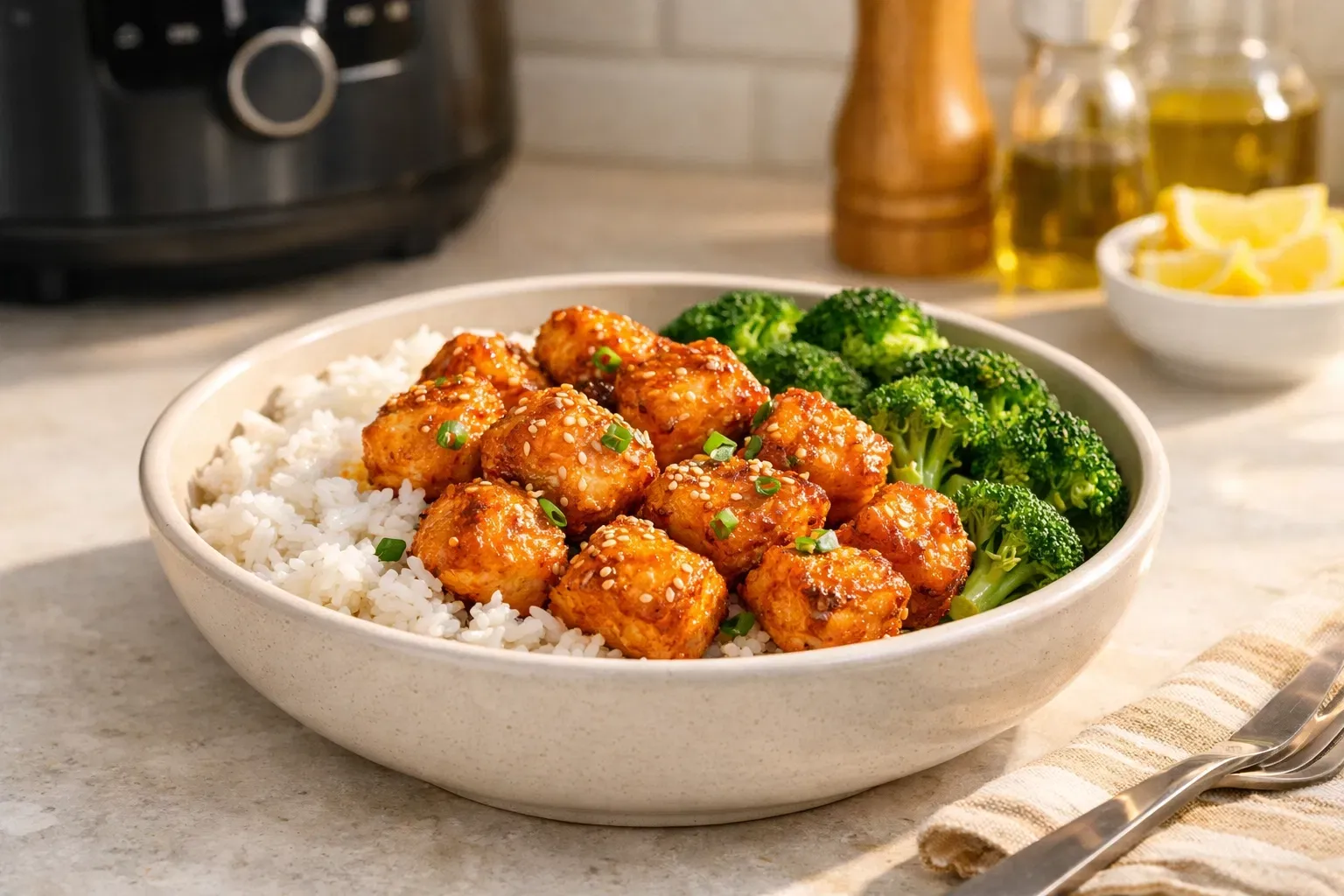
If you skip the pressing stage, you’re doomed. You must aggressively extract that internal liquid. If the tofu is too wet, the steam from the inside will push outward, turning your beautiful coconut crust into a soggy, sliding mess. You want the moisture to migrate slowly and evenly, allowing the protein to denature and the crust to bond. This is the secret to successful ‘quick family meals’, it’s not about rushing the prep; it’s about making the prep work for you.
Furthermore, we have to consider the Maillard reaction. This is the chemical reaction between amino acids and reducing sugars that gives browned food its distinctive flavor. Because shredded coconut often contains trace natural sugars (or added ones if you’re using the sweetened variety), it browns significantly faster than standard breadcrumbs. You have to monitor the thermal conductivity here. If your air fryer is too hot, the coconut will incinerate before the tofu develops that structural “scaffold” I mentioned.
Use a light coating of starch, like cornstarch or arrowroot, before the coconut. This acts as a moisture-locking layer. It absorbs the immediate surface dampness of the tofu, creating a “glue” that keeps the coconut attached while the air does its work. Avoid overcrowding the basket. If the cubes are touching, the air can’t circulate, the moisture gets trapped between the pieces, and you end up with a “steamed” tofu situation rather than a fried one. Check the basket halfway through and give it a vigorous shake to ensure every angle of that coconut crust meets the high-velocity air.
Tropical Variations: Sweet, Spicy, and Savory
Once you’ve mastered the base science of the coconut crust, you can start playing with the flavor chemistry. The beauty of coconut is its versatility. It’s naturally sweet and fatty, which means it needs a counter-point to really shine.
- The Heat Factor: Incorporate dried chili flakes or a pinch of cayenne into your coating. The heat from the pepper cuts through the richness of the coconut oils, creating a balanced profile that makes these ‘healthy dinner ideas’ feel much more indulgent than they actually are.
- The Zesty Twist: Lime zest is a game-changer. Don’t add lime juice to the coating (remember: moisture is the enemy!), but the oils in the zest will survive the air fryer’s heat and provide a bright, citrusy aroma that complements the toasted coconut perfectly.
- The Umami Bridge: If you want a more savory, “dinner-forward” version, try adding a splash of soy sauce to your binding liquid (like an egg wash or a flax-egg). The saltiness interacts with the coconut’s sweetness to create a “salted caramel” effect on the tofu’s surface.
Side Dish Pairings: Balance and Acidity
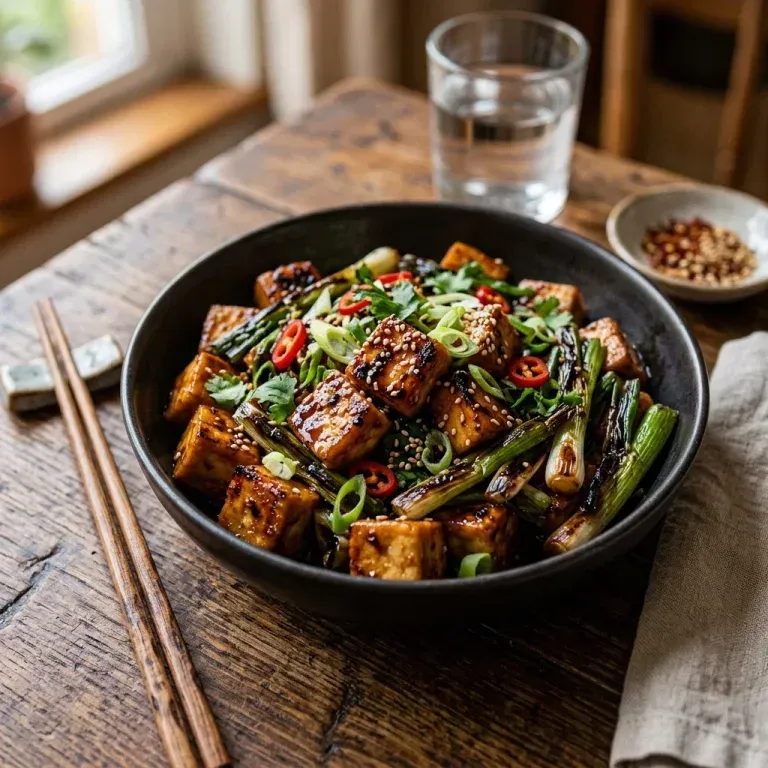
Because coconut tofu is rich, fatty, and crunchy, your side dishes need to provide contrast. You’re looking for acidity and freshness to “reset” the palate between bites.
I highly recommend pairing this with a bright, vinegary slaw or something with a bit of a kick. Our 15-minute Thai prawn noodles are a fantastic inspiration for the flavor profile you should aim for, think lime, cilantro, and fresh veggies. Alternatively, a simple zesty arugula salad provides the peppery bite needed to cut through the coconut.
If you want to stay in the air fryer lane, air fryer brussels sprouts with a balsamic glaze offer a sweet-and-sour punch that plays beautifully against the tropical tofu. The key is to avoid anything too heavy or creamy, as the coconut already covers that base.
FAQ: Troubleshooting Your Tropical Crust
Why is my coconut burning before the tofu is hot?
This is a classic thermal conductivity issue. Coconut has a high oil content and often some sugar, both of which burn at lower temperatures than the tofu protein. Lower your air fryer temperature by 15-20 degrees and extend the cooking time. This allows the heat to penetrate the center of the tofu without scorching the delicate coconut exterior.
Can I use silken tofu for this?
Absolutely not. Do not even try it. Silken tofu has a moisture content so high that it will essentially liquefy under the high-pressure air of a convection oven. For this technique, you need extra-firm tofu. It has the structural integrity to withstand the “moisture migration” process without collapsing.
Why is the coating falling off?
Check your “glue.” If you didn’t use a starch layer before your wet binder and coconut, the coconut has nothing to hold onto. The starch absorbs the tofu’s surface moisture, creating a tacky surface. Also, ensure you aren’t shaking the basket too early. Let the crust “set” for at least 5-6 minutes before you start moving the pieces around.
Is this actually healthy?
Yes! By using the air fryer, you’re bypassing the need to submerge the tofu in oil. You’re relying on the natural, healthy fats in the coconut to provide the crunch. It’s one of those ‘healthy dinner ideas’ that satisfies the craving for fried food without the heavy “oil-slick” feeling afterward.
Do I need to spray the coconut with oil?
A very light mist can help with even browning, but coconut is naturally fatty enough that it will often “self-fry” in a high-quality air fryer. If you find your coconut looking “chalky” or white instead of golden, a quick spritz of avocado oil or coconut oil will bridge that gap.
How do I store leftovers?
Tofu is a moisture magnet. If you put it in a sealed container while it’s still warm, the residual steam will turn your crunchy crust into mush. Let it cool completely on a wire rack first. When you’re ready to eat it again, pop it back in the air fryer for 2-3 minutes at 400°F to re-activate the crunch. Never, ever use a microwave for leftovers if you value your texture.