Recipe
Servings
Servings 1×
Ingredients
- Tofu
- Chickpeas
- Black beans
- White beans
- Beans
- Eggs
- Greek yogurt
- Spinach
- Kale
- Tomatoes
- Onion
- Tahini
- Cream
- Feta
- Cooking oil
- Chili seasoning
- Salt
Method
- Let’s face it: your wallet is feeling a bit thin, but your stomach is demanding something that tastes like a warm hug in a Mediterranean villa.
- Warm oil spreads those compounds through the sauce and gives the final dish a more unified flavor.
- Let the onions and peppers contribute sweetness, let the oil coat and carry flavor, and let the chickpeas do their quiet support work.
- Keep the tomato-and-egg structure intact, and you’ve got room to play.
Let’s face it: your wallet is feeling a bit thin, but your stomach is demanding something that tastes like a warm hug in a Mediterranean villa. Enter the chickpea shakshuka. It’s the ultimate kitchen hero that turns a couple of cans and some eggs into a masterpiece. This isn't just a meal; it’s a soulful, spicy, and deeply satisfying experience that proves you don’t need a truffle budget to eat like royalty. Trust me, once you master this, it’ll become one of your favorite quick family meals.
The Science of Flavor: Lycopene, Starch, and Poaching Eggs in Tomato Sauce
If you want shakshuka that tastes rich instead of thin, bright instead of harsh, and silky instead of chaotic, focus on the chemistry happening in the pan. This dish looks rustic and relaxed, but the science is doing plenty of heavy lifting. Tomatoes, chickpeas, spices, oil, and eggs all change under heat, and the better you understand those changes, the less likely you are to end up with sour sauce and tragic eggs.
The foundation is still your aromatic base. When onions and peppers hit hot oil, they soften, release moisture, and gradually become sweeter. Push them a little further and you also get some browning, which means more savory depth from the Maillard reaction. That sweetness matters because tomatoes can be sharp, especially canned ones that haven’t had much help from the sun or from luck. Build flavor before the tomatoes go in. Don’t toss them into a pan of half-cooked onions and expect miracles. The sauce needs a sweet, savory runway before the acidic stuff lands.
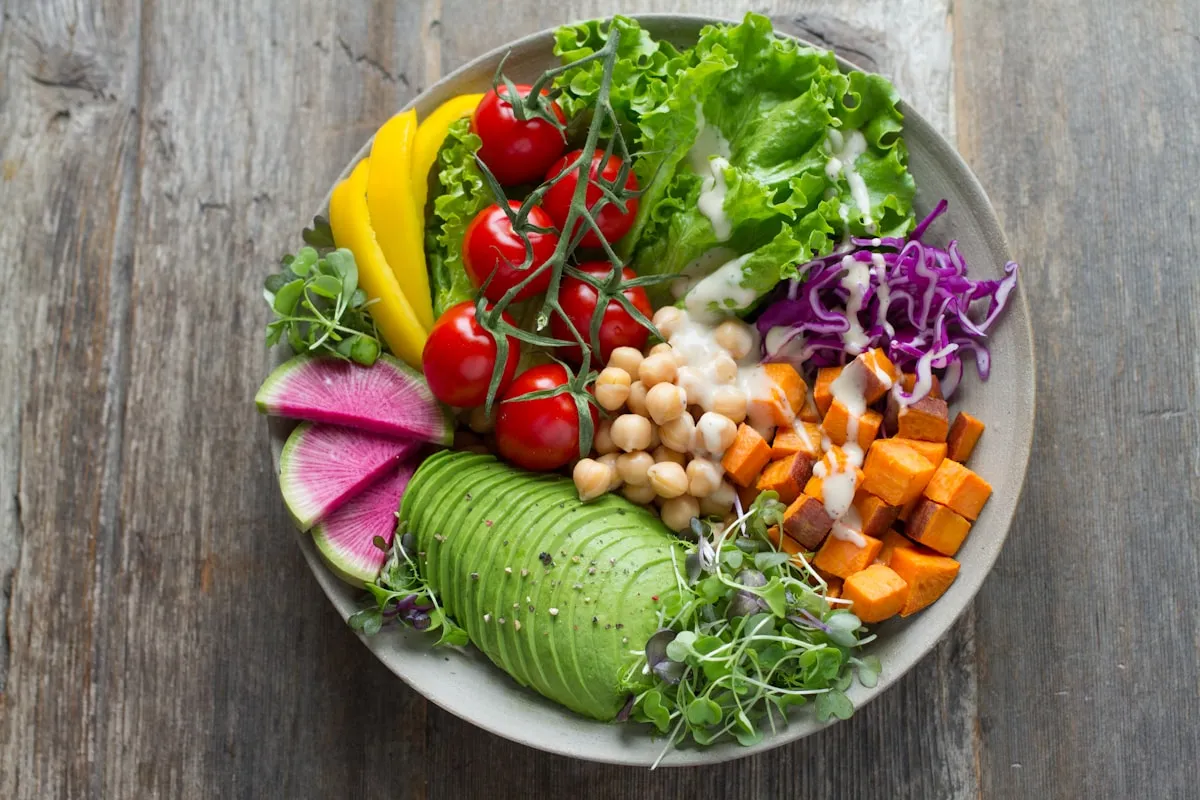
Now let’s talk lycopene, because tomatoes are not just red for decoration. Lycopene is the carotenoid pigment that gives tomatoes their deep red color, and it also contributes to the way cooked tomato dishes taste rich and rounded. Here’s the fun part: lycopene becomes more available when tomatoes are cooked, especially in the presence of fat. That means your olive oil is doing more than preventing sticking. It helps carry fat-soluble flavor compounds and improves lycopene extraction, which is one reason a tomato sauce cooked with oil tastes fuller and more satisfying than one that just gets boiled into submission.
This is why blooming your spices in oil before the full tomato base settles in is such a smart move. Cumin, paprika, and chili all contain compounds that dissolve better in fat than in water. Warm oil spreads those compounds through the sauce and gives the final dish a more unified flavor. It also helps the tomato base feel richer without adding anything fancy. In budget cooking, technique is the luxury item.
Heat matters here too. As the sauce simmers, water evaporates and the tomato flavor concentrates. That’s good, up to a point. But if you hammer the sauce over high heat, you can concentrate acidity faster than you build balance. Simmer steadily instead. Let the onions and peppers contribute sweetness, let the oil coat and carry flavor, and let the chickpeas do their quiet support work. A tomato base should be thick enough to cradle eggs, not watery like soup and not reduced into a sour brick.
The chickpeas help on both texture and balance. As they simmer, some starch releases into the sauce. It’s not dramatic, but it’s enough to add body. Mash a few with the back of your spoon and you’ll get even more thickening power. That extra starch helps suspend tomato solids and gives the sauce a more cohesive, spoonable texture. It also makes the dish feel hearty without needing cream, flour, or anything weird. If the sauce is too loose, the eggs won’t sit where you want them. They’ll spread, merge, and generally behave like they’ve never had structure in their lives.
And now, the egg poaching mechanics, because this is where shakshuka either becomes glorious or mildly annoying. When you crack eggs into wells in the hot sauce, you’re basically poaching them in a thick, acidic medium. That’s very different from poaching in plain water. Tomato sauce transfers heat by direct contact from below and from the sides, while trapped steam under a lid helps set the top surface. So the eggs cook through a combination of conduction and convection. That’s the nice, nerdy version of “the pan and the steam are both working.”
Egg whites are mostly water and protein, and those proteins start to unfold and coagulate as they heat. In an acidic environment, egg white proteins can tighten more quickly. That sounds useful, but it can backfire if the sauce is boiling too hard. The outside of the white firms up quickly, while the thicker inner part near the yolk may lag behind. Then you keep cooking to chase the last translucent bit, and suddenly the yolk is overdone. Classic shakshuka betrayal.
Use wells. They matter. A defined well keeps the egg from skating across the pan and gives the white a place to pool and set in a more controlled way. If the sauce is too thin, the egg spreads too far and cooks unevenly. If the sauce is aggressively bubbling, the white can shred or toughen before the top has time to set. Keep the simmer gentle. Think lazy blips, not red-sauce volcano.
Put the lid on once the eggs are in. This is one of those non-negotiables. The lid traps steam, and that steam cooks the upper surface of the whites without requiring you to blast the bottom with extra heat. Without a lid, the top stays loose, the bottom keeps cooking, and the yolk goes from jammy to chalky while you stand there pretending patience is a strategy. It isn’t. Steam is the strategy.
Residual heat matters too. Eggs keep cooking after you turn off the burner, because the sauce holds heat beautifully. Pull the pan when the whites look mostly set and the yolks still wobble a bit. That final carryover heat will usually finish the whites while preserving the yolk texture you actually want. Wait until everything looks fully done in the skillet, and by the time it reaches the table, those yolks may already be past their prime.
Acidity changes flavor perception as well as egg behavior. Tomatoes contain citric and malic acids, which bring brightness and keep the dish lively. But if your sauce tastes too sharp, don’t immediately dump in sugar like you’re bribing the pan. First, make sure you’ve reduced enough water and developed enough sweetness in the base. Then rely on fat and dairy for balance if needed. Olive oil softens the edges of acidity on the palate, and toppings like yogurt or feta can round things out beautifully. If the tomatoes are truly wild, a tiny pinch of baking soda can neutralize some acid. Tiny is the word. Too much and the sauce tastes flat and a little weird, like the tomato personality got erased.
One more reason this dish works so well: tomato cooking changes more than flavor. As tomatoes cook down in oil, their texture becomes silkier, their color deepens, and their lycopene becomes easier to access. So when the sauce tastes richer after simmering with oil, that isn’t your imagination. It’s chemistry doing you a favor. This is one of those healthy dinner ideas that proves a cheap pantry meal can still have real culinary brains behind it.
Soulful Variations for Every Palate
The beauty of a budget meal like this is that it bends without breaking. Keep the tomato-and-egg structure intact, and you’ve got room to play. If you want a greener version, fold in spinach or kale near the end. Those greens add bitterness, which can balance tomato sweetness and make the whole pan taste a little more grown up. Don’t overcook them. Wilt them just until tender so they stay bright instead of collapsing into swamp confetti.
For a smokier version, lean into chipotle or extra smoked paprika. Smoke gives the impression of longer cooking and deeper savoriness, which is handy when dinner needs to happen on a Tuesday and not in a romantic farmhouse at sunset. It also helps reinforce that rich, cooked-tomato feeling that plays so nicely with lycopene-heavy sauces. If heat is your thing, use chili with caution. Spice can make acidity feel louder, so a tomato base that already tastes sharp may seem even sharper once it gets fiery.
If you need to swap the chickpeas, use white beans for a softer, creamier texture or black beans for a firmer, earthier vibe. Chickpeas still win for structure. They hold their shape, bring nuttiness, and release just enough starch to help the sauce feel hearty. For a vegan twist, skip the eggs and use chunks of firm tofu or spoon in a creamy bean purée. You’ll lose the classic poached-yolk richness, obviously, but you can add back some lush texture with tahini or plant-based yogurt.
You can also change the finishing layer. Feta brings salt and tang. Greek yogurt cools the heat and softens acidity. Fresh herbs add a sharp, green note that keeps the dish from feeling too dense. This is why shakshuka works so well in the world of quick family meals: the base is dependable, and the extras let you adapt without wrecking dinner.
Side Dish Pairings: Balance is Key
Shakshuka is punchy. It’s acidic, savory, a little spicy, and rich once the yolks break into the sauce. That means the best side dishes either absorb, cool, or contrast. Start with bread. Use something crusty and sturdy enough to drag through the sauce without dissolving into sadness. Sourdough is excellent because its chew stands up to the thick tomato base, and its tang echoes the tomatoes without competing with them.
If you want freshness, add a cucumber and radish salad with plenty of herbs. Crunch is the missing textural note in most shakshuka plates, and cool vegetables calm down the heat fast. If you want creaminess, go with Greek yogurt, labneh, or feta. Dairy doesn’t magically delete acid, but it rounds out the bite and makes the whole dish feel more balanced. That’s especially useful if your tomatoes came in extra feisty.
For something a little earthier, drizzle tahini over the top or serve it on the side. Its mild bitterness and fat mellow the sauce beautifully. If you’re trying to keep dinner lighter, roasted cauliflower is a smart move because it brings sweetness and char without adding another heavy starch. This belongs firmly in the camp of healthy dinner ideas, but it still eats like comfort food, which is frankly the dream.
Frequently Asked Questions (FAQ)
Can I use dried chickpeas instead of canned?
Absolutely. Just cook them fully before they ever meet the tomatoes. This is non-negotiable. Acidic ingredients slow the softening of legumes because acid helps preserve the structure of pectin in their cell walls. In plain English: tomatoes make stubborn beans stay stubborn. If you toss undercooked dried chickpeas straight into the sauce and hope for the best, dinner will bite back. Use canned for speed, or pre-cook dried for maximum thrift.
Why did my egg whites turn rubbery?
You probably used heat that was too high, or you left the pan on too long trying to chase fully set tops. Egg white proteins tighten as they coagulate, and excessive heat makes them squeeze out water and toughen up. Acidic tomato sauce can make the outer white firm faster too, which is great right up until it becomes bouncy and sad. Keep the sauce at a gentle simmer, not a rolling boil, and cover the pan so steam can set the tops without brutalizing the bottoms. Pull the eggs when they still look just barely done. Residual heat will finish the job while you act like a genius.
Why are my whites set but my yolks overcooked?
Usually because the eggs spent too long in the pan overall. Even though whites and yolks coagulate differently, they’re both very sensitive to timing. If you skip the lid, the upper white stays loose and forces you to cook longer. That extra minute is often what takes yolks from jammy to disappointing. In acidic sauce, the outer white can also set fast and give you false confidence while the center still lags behind. Use a lid, use low heat, and stop waiting for visual perfection. Shakshuka eggs should look a little soft when you turn off the burner.
My tomato sauce tastes too sharp. What should I do first?
First, reduce panic. Then reduce the sauce properly. Give the onions and peppers time to sweeten the base, and make sure the tomatoes have simmered long enough to lose their raw edge. If it still tastes aggressively acidic, add a tiny pinch of baking soda. Tiny. It neutralizes acid, but too much will flatten the sauce and leave it tasting oddly dull. After that, use fat and creamy toppings for balance. Feta, yogurt, or tahini can soften the perception of acidity without making the dish sugary.
Can I make the sauce ahead of time?
Yes, and it’s actually smart. The chickpea-tomato base keeps well for a few days, and the flavors usually settle in and improve. Reheat the sauce, then add the eggs fresh right before serving. Don’t cook the eggs in advance unless you enjoy sad, sulfurous textures and the emotional weight of preventable disappointment. Fresh eggs give you the proper contrast between bright sauce, tender whites, and runny yolks.
Why is my sauce watery?
Usually one of three things happened: your tomatoes had a high water content, you didn’t simmer long enough, or you didn’t use the chickpeas to your advantage. Let the sauce reduce until it looks spoonable, not brothy. Crush some of the chickpeas to release starch and tighten the texture naturally. Avoid adding too much extra liquid unless the pan is actually drying out. A good shakshuka sauce should support the eggs, not send them drifting around like little breakfast rafts.
Can I make this one of my regular weeknight staples?
You should. It’s cheap, flexible, deeply satisfying, and far smarter than another sad bowl of plain pasta. It also fits right in with quick family meals because the method is simple once you understand the non-negotiables: build the base, control the acidity, manage the heat, and respect the eggs. That’s the whole game.