Recipe
Servings
2 tails 1×
Serves 2 tailsPrep 15 minCook 12 minTotal 27 min
Nutrition per serving
Ingredients
- 2 lobster tails thawed
- 4 tbsp butter melted
- 1/2 tsp lemon zest
- 2 cloves garlic minced
- 1/2 tsp fresh oregano chopped
Method
- Cut down the center of the shell, pull meat up and rest on top.
- Pat dry.
- Mix butter, garlic, zest, and herbs.
- Brush liberally over the meat.
- Air fry at 380°F for 12-15 mins until internal temp reaches 140°F.
We’ve finally reached the summit. Welcome to the 100th post in our deep-dive series into the marvelous world of air frying. Over the past 99 recipes, we’ve tackled everything from the crispy crunch of chickpeas to the delicate fluff of breakfast egg bites. But for this grand finale, I wanted to bring something truly special to your kitchen counter. We’re talking about lobster: the undisputed king of the sea: transformed by the power of high-velocity convection. If you thought lobster was only for fancy steakhouses or complicated boiling pots, get ready to have your culinary world rocked.
The Physics of the Shell: Convection vs. Conduction
When you boil or steam a lobster tail, you’re relying primarily on conduction through a liquid medium. While effective, it’s often imprecise and prone to overcooking the delicate muscle fibers, leading to that dreaded rubbery texture. Enter the air fryer. This isn’t just a “mini oven”; it’s a high-performance convection machine that utilizes rapid airflow to create a unique thermal environment. This makes it one of the most efficient air fryer recipes dinner enthusiasts can master.
The science of the lobster tail in an air fryer is a study in thermal protection and surface area. By “butterflying” the tail: splitting the shell and lifting the meat to rest on top: you create two distinct zones of heat transfer. The bottom of the meat remains nestled against the shell, which acts as a natural ceramic-like insulator. This shell protects the underside of the tail from the direct, aggressive heat of the fan, allowing it to cook gently. Meanwhile, the top of the meat is exposed to the full force of the circulating hot air.
Because the air fryer moves heat so quickly, it triggers the Maillard reaction on the surface of the lobster meat much faster than a standard oven could. When you brush that meat with butter, the milk solids and proteins undergo a chemical transformation, browning and intensifying in flavor while the interior of the tail stays moist and tender. It’s a delicate balance: the shell provides the safety net, and the convection provides the sear. This is why it’s one of my favorite healthy dinner ideas for when you want to feel fancy without the fuss.
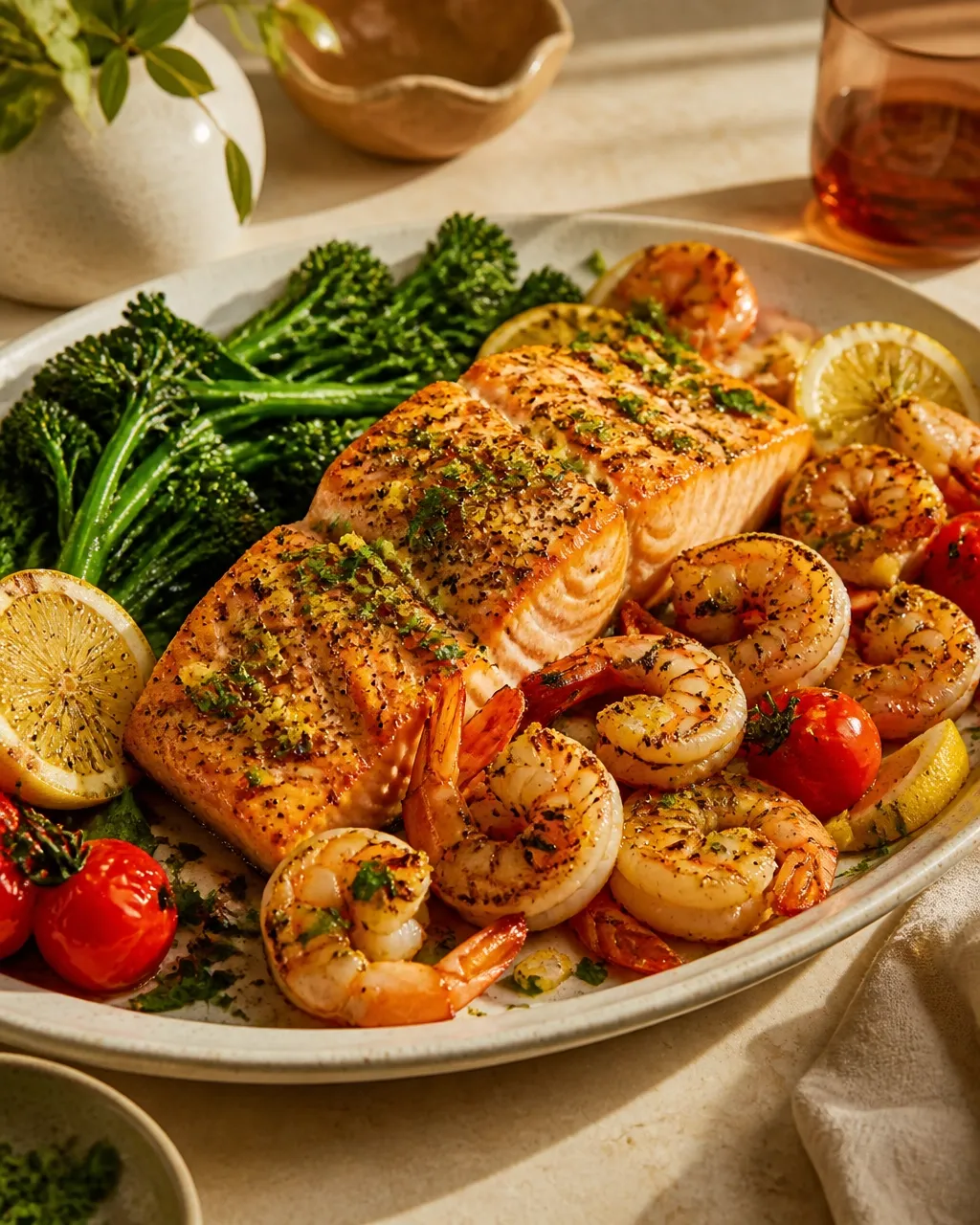
Use kitchen shears to cut down the center of the shell, but stop just before the tail fan. This is non-negotiable for the physics to work. You need to create that “pedestal” for the meat to sit on. If you leave the meat inside the shell entirely, the airflow can’t reach the surface effectively, and you’ll end up with steamed lobster rather than the roasted, buttery masterpiece we’re aiming for. Avoid overcrowding the basket; the air must be able to circulate 360 degrees around each tail to ensure the heat transfer remains consistent across all pieces.
Flavor Profiles and Balancing the Richness
While the classic garlic butter tail is a masterpiece of simplicity, you can push the boundaries of flavor by playing with acidity and heat. The goal is always to balance the inherent sweetness of the lobster meat and the fatty richness of the butter. A dash of smoked paprika or a hint of cayenne can introduce a subtle “charred” flavor that mimics a charcoal grill without the outdoor setup.
For a Mediterranean twist, consider a compound butter infused with lemon zest and fresh oregano. The citric acid doesn’t just add flavor; it actually helps to “brighten” the proteins, making the dish feel lighter. If you’re looking for something bolder, a drizzle of chili oil or a sprinkle of Togarashi can elevate the lobster into a fusion dish that feels incredibly modern. Regardless of the profile, always apply your fats: whether butter or oil: liberally before the cooking process begins. The fat acts as a conductive bridge between the hot air and the cold meat, ensuring an even cook and preventing the surface from drying out before the center reaches the safe internal temperature.
Perfect Pairings for a Seafood Feast
Lobster is the star, but every lead needs a supporting cast. Because of the richness of this dish, you want side dishes that offer high contrast. Think about acidity, crunch, and brightness. A crisp, citrus-heavy slaw or a side of air fryer brussels sprouts provides the necessary earthy notes to ground the sweetness of the seafood.
If you’re aiming for quick family meals that still feel like a celebration, a simple garlic-and-herb quinoa or a light arugula salad with a balsamic glaze works wonders. The sharpness of the arugula cuts through the butter, refreshing your palate between every bite of lobster. Avoid heavy, cream-based sides; you don’t want to overwhelm your taste buds with too much richness. Stick to vibrant greens and sharp, vinegary dressings to keep the meal balanced and elegant.
Frequently Asked Questions
Why did my lobster meat turn out rubbery?
Rubbery lobster is almost always the result of over-coagulation of the proteins. In the air fryer, this happens if you leave the tails in too long after they’ve reached an internal temperature of 140°F (60°C). Convection heat is efficient, so the window between “perfect” and “overdone” is small. Use a digital meat thermometer to check the thickest part of the tail. Once it hits 135°F, pull it out; the residual heat (carryover cooking) will bring it to the finish line while you’re plating.
Can I cook frozen lobster tails directly in the air fryer?
Technically, you can, but I strongly advise against it. The outer layers of the meat will overcook and become tough before the center even begins to thaw. For the best thermodynamic results, thaw your lobster tails in the refrigerator overnight. If you’re in a rush, place them in a sealed bag in a bowl of cold water for 30 minutes. Starting with even-tempered meat is the only way to ensure the convection heat penetrates the center without ruining the exterior.
Do I need to soak the tails before air frying?
Some people suggest soaking lobster in milk or salt water, but in the air fryer, this adds unnecessary moisture to the surface. Excess surface moisture leads to “steaming” rather than “roasting.” If you want that beautiful golden-brown finish, pat the meat completely dry with a paper towel before adding your butter and seasonings. The dryer the surface, the more effective the Maillard reaction will be.
Is it okay to use margarine instead of butter?
You can, but the flavor profile will suffer. Butter contains milk solids that brown and caramelize under the high-velocity air of the fryer. Margarine is mostly oil and water, which won’t provide the same depth of flavor or the same rich, toasted aroma that makes lobster so iconic. If you’re avoiding dairy, use a high-quality olive oil or a vegan butter that is specifically designed for high-heat cooking.
How do I know if the lobster is done without a thermometer?
Look at the color and the curl. The shell should be a vibrant, bright red, and the meat should be completely opaque (no longer translucent) and white with a slight golden hue on the edges. The tail will also naturally curl upward. If the meat still looks “greyish” or clear in the center of the butterfly, give it another 60 to 90 seconds. Be firm with your timing; lobster waits for no one!