Recipe
Servings
Servings 1×
Cook 33 min
Ingredients
- Chicken
- Quinoa
- Potatoes
- Spinach
- Tomatoes
- Lemon
- Pesto
- Feta
- Chorizo
- Cooking oil
- Salt
Method
- Let’s talk about why your air fryer is actually a mini science lab.
- Let the muscle fibers relax and the juices redistribute.
- Keep your stuffing at room temperature before you start if you want to be a true pro.
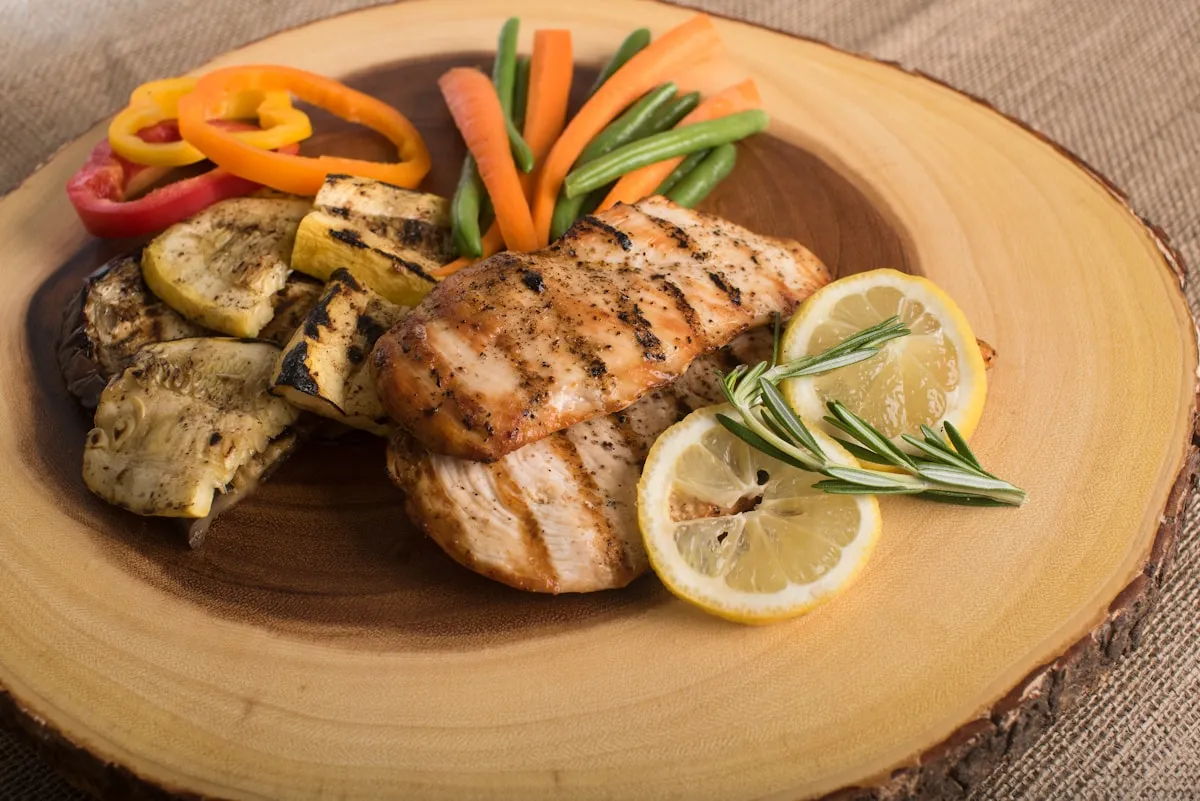
If you’ve ever felt like a dry, flavorless chicken breast was a personal insult to your dinner table, you’re in the right place. We’ve all been there, staring at a piece of poultry that has the structural integrity of a flip-flop and the flavor profile of a cardboard box. But when you introduce the magic of Mediterranean flavors and the high-speed efficiency of convection cooking, everything changes. This isn't just another entry in your collection of air fryer recipes dinner; this is a masterclass in moisture management and flavor density. By stuffing a chicken breast with the briny, savory goodness of the Mediterranean, you aren't just making a meal; you're conducting a culinary rescue mission.
The Thermal Dynamics of the Perfect Pocket
Let’s talk about why your air fryer is actually a mini science lab. Most people think of an air fryer as a small oven, but that’s like calling a Ferrari a "small car." The magic happens through high-velocity convection. In a standard oven, heat lazily drifts around your food. In an air fryer, a powerful fan forces superheated air to circulate at high speeds. When we talk about quick family meals, we’re really talking about the physics of heat transfer. Because the air is moving so fast, it strips away the layer of cool air that usually surrounds cold food, allowing heat to penetrate the chicken much faster than a traditional bake.
When you stuff a chicken breast, you’re introducing a secondary heat challenge. You have the exterior meat being hammered by hot air, and an interior filling that needs to reach a safe temperature without the outside turning into jerky. This is where the Maillard reaction, that glorious chemical dance between amino acids and reducing sugars, comes into play. To get that golden-brown crust while keeping the inside succulent, you must use a light coating of oil. Oil is a superior conductor of heat compared to air; it fills the microscopic gaps on the chicken’s surface, ensuring the heat is distributed evenly and the Maillard reaction happens across the entire surface rather than in patchy spots.
Moisture retention is the next hurdle. Chicken breast is notoriously lean, meaning it has very little intramuscular fat to keep it juicy. By stuffing it with high-moisture ingredients like spinach and feta, you’re creating an internal steam chamber. As the heat penetrates the meat, the water in the filling begins to vaporize. This internal pressure pushes back against the muscle fibers of the chicken as they contract, preventing them from squeezing out all their natural juices. It’s essentially a pressurized hydration system built right into your dinner.
Furthermore, you must respect the carryover cooking phase. When you pull that chicken out at an internal temperature of about 160°F, the "thermal mass" of the stuffing continues to radiate heat outwards. If you cut into it immediately, you’re effectively opening a pressure valve, and all that hard-earned moisture will vanish onto your cutting board. Wait five minutes. Let the muscle fibers relax and the juices redistribute. This is a non-negotiable rule in my kitchen.
Regional Variations: Tuning Your Flavor Profile
One of the best things about this technique is how easily you can pivot the flavor profile without changing the fundamental physics of the cook. While the classic Greek-inspired filling is my go-to for healthy dinner ideas, you can easily swap the "Mediterranean" label for something more specific.
If you want to lean into Italian territory, think about replacing the feta with a high-moisture fresh mozzarella or a sharp provolone. Swap the sun-dried tomatoes for roasted red peppers or even a dollop of basil pesto. Because pesto contains oil, it actually assists in the internal heat transfer, often leading to a slightly faster cook time in the center.
For a Spanish twist, try stuffing the breast with manchego cheese and finely chopped chorizo. The fat from the chorizo will render out into the chicken from the inside, essentially "confitting" the breast while it air fries. It’s a decadent way to ensure you never face a dry piece of meat again. Just remember: whatever filling you choose, keep the density consistent. If you pack the chicken too tightly with cold, dense ingredients, the exterior will overcook before the center hits that safe 165°F mark. Keep your stuffing at room temperature before you start if you want to be a true pro.
Mastering the Art of the Side Dish
A dish this rich and savory needs a partner that can stand up to it without getting in the way. Since the chicken provides plenty of fat (from the cheese) and salt (from the feta or olives), your side dishes should focus on acidity and crunch to provide a necessary counterbalance.
A bright, citrus-heavy arugula salad is the perfect foil. The peppery bite of the greens and the sharpness of a lemon vinaigrette cut right through the richness of the stuffed breast. If you’re looking for something warm, consider a batch of air fryer brussels sprouts. The charred, crispy leaves of the sprouts mimic the texture of the chicken’s exterior while providing a nutty depth that complements the Mediterranean herbs.
Another excellent pairing is a simple pearl couscous or a quinoa salad. These grains act like sponges for any juices that escape the chicken (though if you followed my resting rule, there shouldn't be much!). Avoid heavy, creamy pastas or mashed potatoes here, they tend to make the meal feel sluggish rather than vibrant. You want your plate to feel like a trip to the coast, not a nap on the couch.
Frequently Asked Questions (FAQ)
What if my cheese all leaks out into the basket?
This is the number one fear of the stuffed-chicken world. Science tells us that as cheese melts, it expands. If you haven't secured the "seam" of your chicken breast properly, physics will take the path of least resistance and dump your filling onto the air fryer grate. Use toothpicks, and use them liberally. Angle them so they "stitch" the meat together. Also, avoid overstuffing; a 70% full pocket is much safer than a 100% full one.
Can I use frozen chicken breasts for this?
Technically, yes, but I strongly advise against it for stuffing. Thawing frozen chicken often breaks down the cell walls, leading to a "mushy" texture once cooked. More importantly, stuffing a partially frozen breast creates a massive temperature gradient that the air fryer can't easily overcome. You'll end up with a burnt exterior and a literal ice cube in the center. For the best quick family meals, always start with fully thawed poultry.
Does the air fryer really save that much time?
Yes, primarily because there is no preheat time compared to a massive wall oven. You’re also dealing with a smaller cavity, which means the air reaches its target temperature almost instantly. For healthy dinner ideas that don't require an hour of hovering over a stove, the air fryer is unbeatable. You’re looking at a 15–18 minute cook time versus 30–35 minutes in a conventional oven.
Is it safe to cook the stuffing inside the meat?
As long as the thickest part of the meat reaches 165°F, you are in the clear. However, make sure your thermometer probe is hitting the meat, not just the cheese. Cheese can sometimes register as "hot" before the surrounding raw chicken is actually safe to eat. Aim for the thickest part of the muscular wall.
Why is my chicken rubbery?
Rubbery chicken is usually a sign of overcooking. Because the air fryer is so efficient, thirty seconds can be the difference between "perfect" and "pencil eraser." Start checking your internal temp about two minutes before the recipe suggests. Every air fryer model has a slightly different fan speed and wattage, so treat the recipe timing as a guide, not a law.
Do I need to flip the chicken?
While many air fryer recipes dinner suggest flipping halfway through, with stuffed chicken, I recommend against it. Every time you flip, you risk breaking the seal and losing your filling. Most modern air fryers have enough clearance under the basket for air to circulate under the meat. If you have a rack, use it, and let the convection do the work for you.