Recipe
Servings
Servings 1×
Ingredients
- Tofu
- Cauliflower
- Broccoli
- Carrots
- Mushrooms
- Tomatoes
- Soy sauce or tamari
Method
- Prepare the ingredients described in the article and heat the cooking surface or oven as directed.
- Cook the main ingredients using the heat and timing guidance in the article.
- Finish with the seasonings and garnishes named in the article, then serve.
If you think plant-based eating is synonymous with limp steamed broccoli and unseasoned tofu, you are doing it wrong. Transitioning to more plant-based dinner ideas doesn't mean sacrificing the deep, savory satisfaction we crave at the end of a long day. In fact, plants offer a spectrum of textures and flavors that most meat-centric dishes can only dream of. It is time to stop viewing vegetables as the "side" and start treating them as the main event by mastering the fundamental chemistry of flavor.
The Science of Savor: Mastering Texture and Depth
Creating a memorable meal depends on two scientific heavyweights: the Maillard reaction and Umami. Without these, your dinner will indeed be boring. To build a plate that rivals any steakhouse meal, you must understand how to manipulate heat and amino acids.
Chase the Maillard Reaction
The Maillard reaction is the chemical dance between amino acids and reducing sugars that occurs under high heat, resulting in that golden-brown crust and complex, nutty aroma. This isn't just "browning"; it is the creation of hundreds of new flavor compounds.
Use high heat. When roasting cauliflower, mushrooms, or carrots, set your oven to at least 425°F (220°C). Avoid overcrowding your pan; if the vegetables are too close together, they will steam in their own moisture rather than sear. This is the secret to successful air fryer recipes dinner prep: the circulating air strips away moisture, allowing that crucial browning to happen fast.
Dry your ingredients. Moisture is the enemy of the Maillard reaction. Pat your tofu or mushrooms dry with a clean towel before they hit the pan. If there is water on the surface, the energy from the heat goes into evaporating that water instead of browning the food. Check your surfaces; they should be matte and dry, not glistening with water.
Layer Your Umami
Umami is the "fifth taste": that savory, mouth-filling sensation often associated with meat. In plant-based cooking, you have to be intentional about sourcing it. Use ingredients high in glutamates to ground your dishes.
Incorporate "The Big Five": mushrooms, tomatoes (especially sun-dried or paste), soy/miso, nutritional yeast, and fermented foods like sauerkraut or kimchi. When making a sauce, add a teaspoon of miso paste or a splash of soy sauce. You won't taste "soy," but you will notice a depth that wasn't there before. These are the building blocks of healthy dinner ideas that actually satisfy.
Variations: Global Profiles and Protein Swaps
You can apply these flavor-building principles to any cuisine. The goal is to keep the palate excited by varying the "engine" of the dish: the primary protein source.
- The Fungi Powerhouse: Portobello mushrooms are a classic for a reason. Marinate them in balsamic and tamari, then grill or sear them until they are charred and juicy. This technique creates a "meaty" texture that stands up to heavy buns and spicy aiolis.
- The Legume Foundation: Lentils and beans are flavor sponges. If you are making a stew or a "sloppy joe" filling, brown your aromatics (onions, carrots, celery) until they are deeply caramelized before adding the liquid. This creates a "fond": those browned bits at the bottom of the pan: that infuses the legumes with incredible complexity.
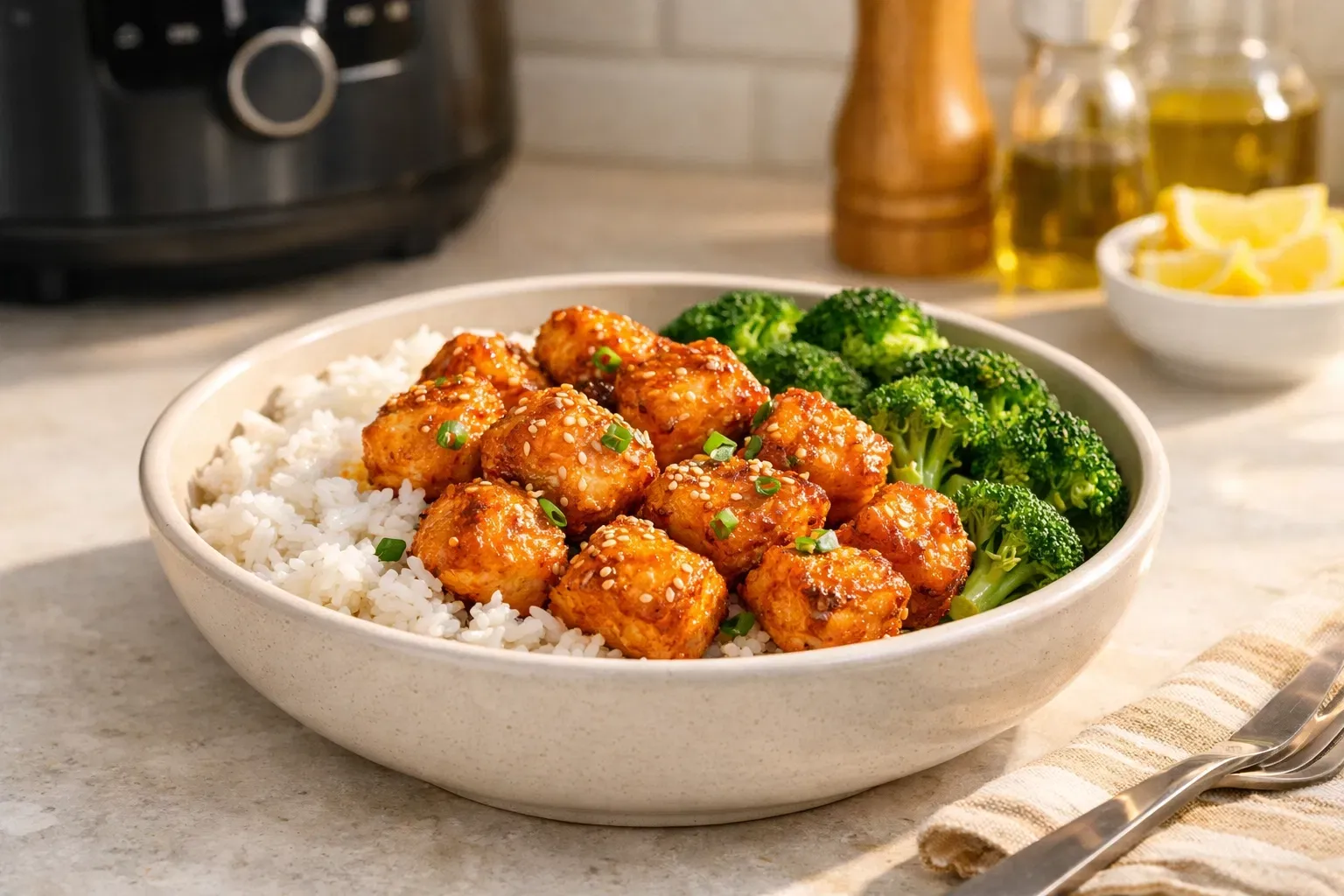
- The Tofu Transformation: Forget soft cubes. Use your freezer to change the texture of tofu; freezing and thawing it creates a sponge-like consistency that grabs onto sauces. For quick family meals, try air-frying torn bits of tofu (tearing creates more surface area than slicing) with a dusting of cornstarch for an incredible crunch. This is one of the best quick meals in our repertoire.
Side Dish Pairings: The Art of Balance
A rich, savory main dish needs a partner that can cut through the weight. When you have a dish heavy on the Maillard reaction (like roasted root vegetables or seared tempeh), your side dishes should focus on acidity and crunch.
Pair roasted dishes with bright, citrus-forward salads. A simple arugula salad with a lemon-tahini dressing or a quick-pickled cucumber slaw provides the necessary acid to cleanse the palate between savory bites. If your main is a creamy lentil dhal, pair it with something charred and bitter, like blackened broccolini.
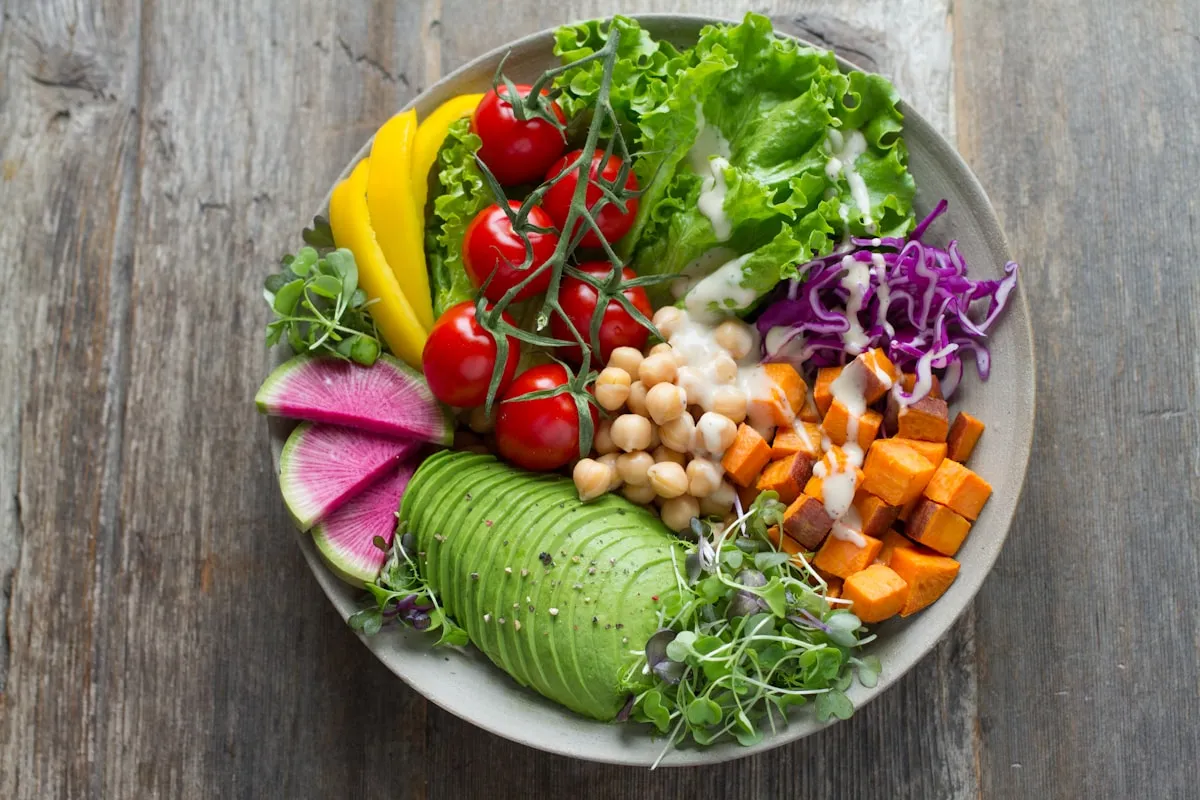
Don't forget the textural contrast. If your main dish is soft (like a mushroom risotto), your side should be crunchy. Think toasted pepitas, shaved raw fennel, or crispy kale chips. Balancing these elements ensures that every bite feels new and exciting, rather than a repetitive chore. For more inspiration, explore our gallery of vibrant dishes.
FAQ: Troubleshooting Your Plant-Based Plate
Why does my tofu always turn out soggy?
You likely didn't press it long enough or you crowded the pan. Press your extra-firm tofu for at least 20 minutes under a heavy weight to remove internal moisture. When cooking, use a cast-iron skillet or an air fryer to ensure high, consistent heat. Avoid moving the tofu too early; let it develop a crust before you flip it.
How do I get my family to enjoy healthy dinner ideas without them missing meat?
The "missing" feeling usually comes from a lack of umami and fat. Ensure you are using enough high-quality fats (like olive oil or avocado) and don't skimp on the savory boosters like nutritional yeast or liquid smoke. Focus on familiar formats: tacos, burgers, and pastas: but elevate the vegetable components through the browning techniques mentioned above.
What if my vegetables are cooked through but not browned?
This happens when the temperature is too low or the pan is too full. If you see liquid pooling in your pan, you are boiling your vegetables, not roasting them. Drain the excess liquid, turn up the heat, and spread the vegetables out over two trays if necessary. Check your oven calibration; many home ovens run 25 degrees cooler than the dial suggests.
Can I get enough protein from these meals?
Absolutely. By focusing on a variety of dinner recipes that include lentils, chickpeas, tofu, tempeh, and even certain whole grains like quinoa, you can easily meet your needs. The key is diversity: don't rely on just one source.
Why is my plant-based sauce so flat?
It probably lacks acid or salt. Even the most savory mushroom sauce will taste dull without a squeeze of lemon or a dash of apple cider vinegar at the very end. Acid acts like a spotlight for other flavors, making them "pop" on your tongue. Always taste and adjust with acid just before serving.
{“@type”:”BlogPosting”,”image”:”https://cdn.marblism.com/bjThw-GpVY4.webp”,”author”:{“name”:”Cookpedia”,”@type”:”Organization”},”@context”:”https://schema.org”,”headline”:”Are Plant-Based Dinners Boring? 20 Creative Ideas That Prove Otherwise”,”publisher”:{“logo”:{“url”:”https://cdn.marblism.com/KxroJ1kM_KA.webp”,”@type”:”ImageObject”},”name”:”Cookpedia”,”@type”:”Organization”},”description”:”Discover how to make plant-based dinners exciting using culinary science, umami-rich ingredients, and the Maillard reaction. Learn tips for quick family meals and healthy dinner ideas.”,”datePublished”:”2026-07-15″,”mainEntityOfPage”:{“@id”:”https://cookpedia.com/are-plant-based-dinners-boring”,”@type”:”WebPage”}}
{“@type”:”FAQPage”,”@context”:”https://schema.org”,”mainEntity”:[{“name”:”Why does my tofu always turn out soggy?”,”@type”:”Question”,”acceptedAnswer”:{“text”:”Tofu turns out soggy usually because of excess internal moisture or low cooking heat. Press extra-firm tofu for 20 minutes before cooking and ensure you use high heat (like a cast-iron skillet or air fryer) without overcrowding the pan.”,”@type”:”Answer”}},{“name”:”How do I get my family to enjoy healthy dinner ideas without them missing meat?”,”@type”:”Question”,”acceptedAnswer”:{“text”:”Focus on building umami using ingredients like mushrooms, miso, and soy sauce, and ensure you use enough healthy fats. Serving these flavors in familiar formats like tacos or burgers helps the transition.”,”@type”:”Answer”}},{“name”:”What if my vegetables are cooked through but not browned?”,”@type”:”Question”,”acceptedAnswer”:{“text”:”This is caused by low temperature or overcrowding, which leads to steaming. Increase your oven temperature to at least 425°F and spread vegetables out so they have space for moisture to evaporate.”,”@type”:”Answer”}},{“name”:”Can I get enough protein from these meals?”,”@type”:”Question”,”acceptedAnswer”:{“text”:”Yes, by incorporating a variety of sources like lentils, chickpeas, tofu, tempeh, and whole grains, you can easily meet protein requirements in a plant-based diet.”,”@type”:”Answer”}},{“name”:”Why is my plant-based sauce so flat?”,”@type”:”Question”,”acceptedAnswer”:{“text”:”A flat-tasting sauce usually lacks acidity. Adding a squeeze of lemon juice or a splash of vinegar at the end of cooking brightens the flavors and highlights the savory notes.”,”@type”:”Answer”}}]}