Recipe
Servings
Servings 1×
Cook 3 min
Ingredients
- Salmon
- Cod
- Tomatoes
- Garlic
- Lemon
- Cream
- Butter
- Cooking oil
- Chili seasoning
- Salt
- Black pepper
Method
- Let’s talk about why we bake fish this way.
- Use a gentle, consistent heat.
- Use the "flake test": gently press a fork into the thickest part of the fillet.
- Keep the cooking time short.
- Use enough oil or butter to coat the surface.
- Heat softens the harshness and spreads those compounds into the cooking fat, which is why a few spoonfuls can make the whole dish taste more complex.
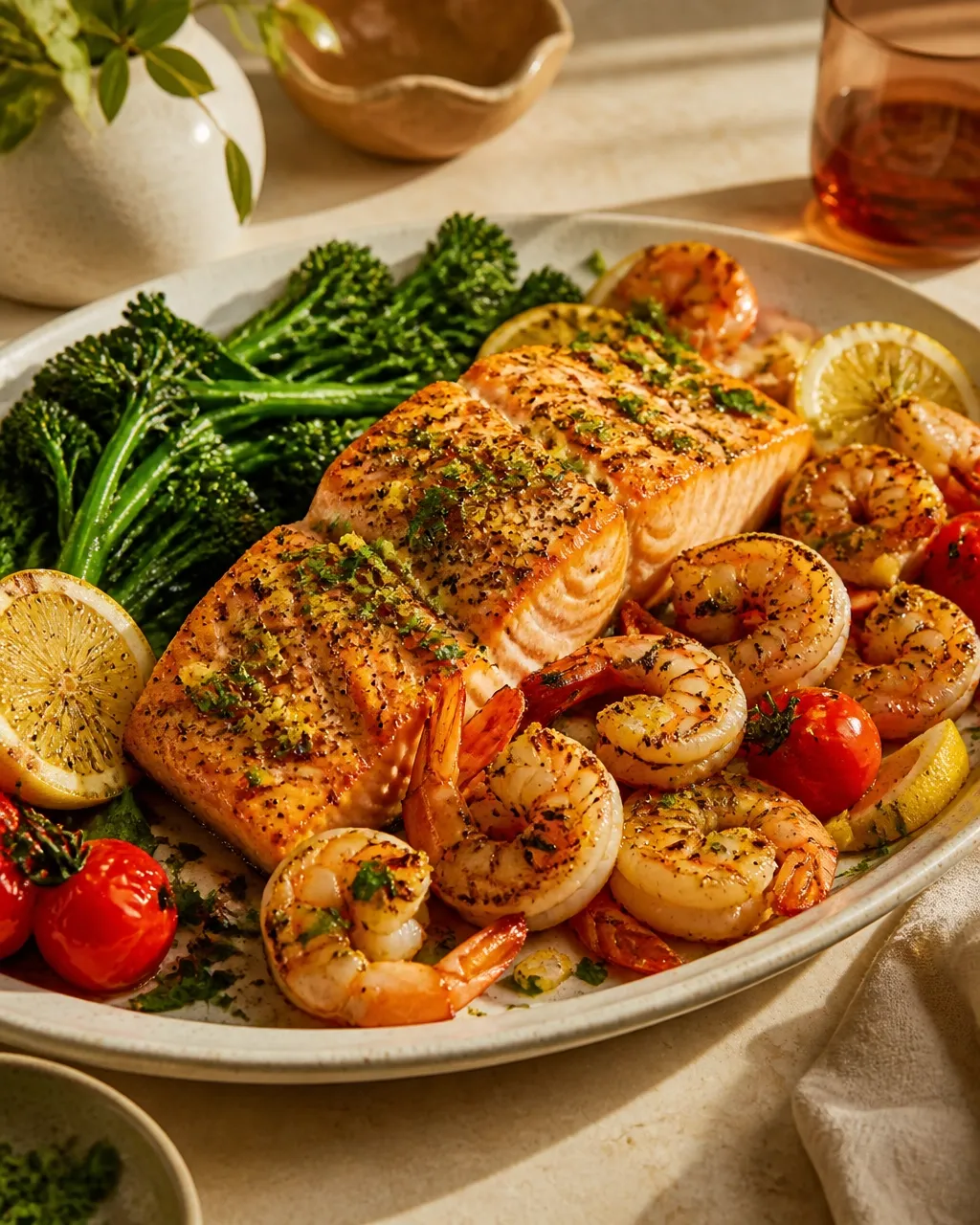
If you have ever stared at a piece of white fish and felt a wave of culinary performance anxiety, you are not alone. It is the blank canvas of the sea: lean, delicate, and unfortunately prone to turning into a dry, flavorless block of protein if you so much as look at it wrong. But let me tell you, when you master the art of the bake, specifically with the brightness of lemon and the punchy brine of capers, you unlock one of the most reliable easy dinner recipes in your repertoire. It is sophisticated enough for a Saturday night date but fast enough for a "I have twelve minutes before the kids lose their minds" Tuesday.
This dish is about balance.
You have the mild, buttery flakes of the cod acting as the perfect stage for the high-pitched acidity of citrus and the salty, umami-rich depth of capers. It is a classic for a reason: it works every single time if you respect the science of the sear and the steam. Better yet, it earns a place in that sweet spot between quick family meals and genuinely elegant food. You get speed, but you also get technique. You get something light, but not boring. And if you care about healthy dinner ideas, cod brings a lot to the table without asking you to babysit a skillet for half an hour.
The Science of the Perfect Flake
Let’s talk about why we bake fish this way. Cod is a lean fish, meaning it doesn't have the fatty insurance policy that a salmon or a mackerel carries. Because of this, heat management is your absolute best friend. When you place cod in the oven, you are essentially managing the denaturation of its proteins. Overcook it by even ninety seconds, and those protein fibers tighten up like a drum, squeezing out every drop of moisture. Fish is one of those ingredients that rewards attention and punishes daydreaming. Look away too long and dinner goes from silky to sawdust with the speed of a bad sitcom plot twist.
Use a gentle, consistent heat. I prefer a slightly higher temperature: around 400°F (200°C): to ensure the exterior develops a little character while the interior stays succulent. The magic happens when you introduce an acidic component like lemon juice. While it adds flavor, it also starts to change the surface proteins and loosen the structure of the flesh. That sounds dramatic, but it is really just chemistry doing you a favor. Acid changes how proteins behave, especially near the surface, so the fish tastes brighter and feels a little more tender without turning mushy. This is why I like zest during the bake and fresh juice at the end; baked lemon gives you depth, while fresh lemon gives you lift. Use both. Don’t make the fish choose between being savory and being bright.
Check for doneness with a fork, not a clock. Every oven is a unique, chaotic environment, and every fillet has its own thickness. Use the "flake test": gently press a fork into the thickest part of the fillet. If the muscle fibers slide apart easily and the flesh is opaque rather than translucent, pull it out immediately. Remember, carryover cooking is real. The fish will continue to cook for a minute or two on the counter, so aiming for that "just barely done" stage is the secret to a restaurant-quality finish. If you want the nerdy benchmark, fish is typically done around 140 to 145°F in the center, but texture matters as much as temperature. Use both signals. Clocks are helpful. Your eyes and hands are smarter.
Now for the fat question, because this is where cod quietly gets interesting. Cod is not as rich as oily fish, but it still contains delicate polyunsaturated fats, including omega-3s. No, it is not salmon-level flashy, but those fats still matter. They affect nutrition, flavor, and the whole eating experience. The problem is that omega-3 fatty acids are chemically fragile. Their multiple double bonds make them especially prone to oxidation when exposed to too much heat, oxygen, and time. That oxidation is what pushes fish toward dull, stale, or aggressively fishy flavors. In other words, if you blast cod into oblivion, you are not making it healthier, tastier, or more "well done." You are just bullying the good stuff out of it.
Keep the cooking time short. Use enough oil or butter to coat the surface. That thin layer helps limit moisture loss and buffers the flesh from aggressive dry heat. It also slows direct oxygen exposure a bit, which is helpful for preserving flavor quality. In plain English: protect the fish and the fish will behave. This is why overcooked cod tastes like disappointment with a squeeze of lemon on top. The moisture is gone, the proteins have tightened, and the more delicate fat compounds have taken a beating.
This is also why baking beats oblivion. A cod fillet left too long in a ripping-hot oven does not become "extra done." It becomes cottony. Omega-3 preservation is better when you cook the fish only until the flesh turns opaque and just begins to separate into flakes. Stop there. Resist the urge to give it "just two more minutes for safety" unless your goal is to create seafood insulation material. If leftovers are in your future, warm them gently. Aggressive reheating is where delicate fats and delicate texture both go to die. Use low heat. Add a little moisture. Don’t microwave it until the kitchen smells like a cautionary tale.
Don’t overlook the capers. These tiny salt bombs are more than just a garnish. When heated, they release their brine into the pan juices, creating a self-basting sauce that seasons the fish from the bottom up. Avoid rinsing them too thoroughly; you want some of that vinegar-salt punch to emulsify with whatever fat you’re using, whether that is butter or a good olive oil. This creates a light pan sauce that helps the cod stay moist even in a dry oven environment.
Capers also bring something more interesting than plain salt. They are preserved flower buds, and their flavor comes from a mix of salinity, acidity, and enzyme-led transformations that happen during curing. Once harvested, compounds inside the caper start breaking down and recombining through enzymatic activity, forming the mustardy, floral, slightly cheesy aroma that makes capers taste like more than "small pickles." That sharp, savory edge comes from sulfur-containing compounds released as plant tissues are disrupted and cured. Heat softens the harshness and spreads those compounds into the cooking fat, which is why a few spoonfuls can make the whole dish taste more complex.
Now let’s zoom in on the acidity, because capers are basically tiny jars of flavor mischief. Their brine usually carries vinegar, salt, and the plant acids already present in the buds themselves. Acidity works in a few directions at once. First, it wakes up your palate. Sourness increases salivation, which makes food taste more vivid and less heavy. Second, it balances fat. Even a modest amount of butter or olive oil feels lighter when caper acidity cuts through it. Third, acid changes your perception of salt and aroma, making the whole dish taste more seasoned and more fragrant than it would with salt alone.
That is why lemon and capers are such a strong duo. Lemon brings clean, citrusy acidity from citric acid, while capers bring a more fermented, briny, savory acidity that feels rounder and deeper. One is a bright high note. The other is a punchy middle note with a trench coat and opinions. Together they stop cod from fading into the background. The fish stays delicate, but the sauce gets actual personality.
There is also a practical side to this chemistry. Acid in the cooking environment helps keep the dish lively even though cod itself is mild. But use restraint. Too much acid for too long can make the exterior of the fish turn a little chalky as proteins tighten early on the surface. That is why I like a layered approach: some flavor during cooking, then a final fresh hit at the end. Build flavor in stages. Don’t dump every acidic thing you own in the pan and hope for elegance.
In other words, capers are doing quiet flavor architecture. They add acid to wake up the palate, salt to enhance the fish, and aromatic compounds that bridge the gap between bright lemon and mild cod. If the lemon is the spotlight, the capers are the sound system. Ignore them and the whole performance gets weirdly flat.
One more non-negotiable: dry the fish well before it goes into the baking dish. Surface water slows browning and dilutes seasoning. Pat it dry. Season it confidently. Then leave enough space between fillets so they roast instead of steaming each other. This is the kind of tiny, boring kitchen discipline that separates "pretty good" from "why is this actually fantastic?" The truth is that cod is not difficult; it is just unforgiving. Respect the moisture, respect the fats, respect the acid, and you are rewarded with a dish that tastes far fancier than the effort suggests.
Flavor Variations and Herbaceous Swaps
Once you have the basic technique down, you can start playing with the aromatics. While lemon and capers are the gold standard here, the Mediterranean flavor profile is a broad church and a very forgiving one if you keep the balance right.
If you want to lean into something a bit more earthy, swap the capers for chopped green olives. They provide a similar briny hit but with a fattier, more substantial mouthfeel. Pair this with a sprinkle of fresh oregano or thyme before the fish hits the oven. The woody herbs can stand up to the heat much better than soft herbs like parsley or cilantro, and they slowly perfume the cooking fat instead of flashing off immediately. Think of thyme as the calm, sensible friend and parsley as the one who should show up at the end, not move in early.
For those who want a bit of heat, use a pinch of crushed red pepper flakes in the oil or butter before it touches the fish. The capers amplify that gentle burn because salt and acid increase your perception of intensity. That is not kitchen magic; it is sensory science. Your palate notices contrast. A little spice feels bigger when the dish is bright and briny. Use that to your advantage instead of throwing in more chili and setting the whole thing on fire emotionally.
You can also take a softer route and make the profile more rounded. Add roasted garlic notes, or use shallot for sweetness that balances the capers’ bite. Try a Provençal angle with tomatoes. As they roast, their water evaporates, their sugars concentrate, and their acidity mellows into the lemon-caper base. You end up with a jammy pan environment that flatters cod beautifully without burying it. That is the sweet spot: support the fish, don’t smother it.
Don’t feel limited to cod, either. This technique is a blueprint for any thick, white, flaky fish. Halibut is a spectacular, pricier substitute that offers a firmer texture. Haddock is a great, accessible alternative that carries the lemon and capers just as well. Tilapia can work in a pinch, but because it is usually thinner, you need to be extra alert. Thin fillets move from tender to overdone at superhero speed, and sadly not the useful kind of superhero.
If you want to tilt this into the world of healthy dinner ideas, keep the flavor boosters sharp rather than heavy. Use herbs, citrus, and briny ingredients instead of burying the fish under cream. If you need a richer finish, add just enough butter or olive oil to round out the acidity. Balance is the point. The cod should still taste like cod, not like it got lost in a sauce situation.
And yes, this can absolutely sit in your rotation of quick family meals. Keep the core method the same and just change the aromatic profile around it. That way you get variety without relearning the technique every Tuesday night. It is one of those low-drama dinner formulas that makes you look organized even if your kitchen currently says otherwise.
Side Dish Pairings: Balance and Texture
When you have a dish as bright and zesty as this, your side dishes need to provide balance. Since the fish is light and acidic, look for something that can soak up those gorgeous pan juices or provide a satisfying crunch to contrast the soft, flaky texture of the cod.
A bed of lemon-herb couscous or a simple jasmine rice is my go-to. The grains act like a sponge for the caper-lemon sauce, ensuring not a single drop of flavor is wasted. If you’re keeping things low-carb, a cauliflower mash with a hint of garlic is a fantastic way to maintain that buttery mouthfeel without the heaviness. The fish gives you delicacy; the starch gives you ballast. Everybody has a job.
For vegetables, think green and crisp. Roasted asparagus or sautéed broccolini are natural partners. The slight bitterness of these greens cuts through the richness of the butter or oil used on the fish. Bitterness sounds scary on paper, but on the plate it acts like a reset button between bites. Check the oven timing; you can often roast your vegetables on the same tray as the fish if you give them a five-minute head start, which keeps the whole thing practical instead of turning dinner into a three-pan personality test.
If you want a textural contrast, consider a simple side salad with toasted pine nuts or slivered almonds. That crunch against the soft, melting cod creates a more interesting eating experience. Avoid anything too heavy or creamy, like a thick potato gratin, as it will overpower the delicate nature of the fish. Keep it light, keep it fresh, and let the lemon lead the way.
Frequently Asked Questions
Can I use frozen cod for this?
Absolutely. In fact, unless you live next to a dock, "fresh" fish is often just previously frozen fish that has been thawed behind the counter. The key is the defrosting process. Avoid thawing at room temperature, as this compromises the texture and safety. Thaw your fillets overnight in the fridge. If you are in a rush, place the vacuum-sealed fish in a bowl of cold water for 20-30 minutes. Use a paper towel to pat the fish completely dry before seasoning; moisture on the surface is the enemy of a good bake.
Why is my fish tough and rubbery?
You overcooked it. It happens to the best of us. Fish proteins are very sensitive to heat. Once they hit 145°F (63°C), they are done. If you keep going, the fibers contract and become tough. To avoid this, use a meat thermometer or the flake test mentioned earlier. Also, ensure you aren't baking the fish directly from the fridge. Let it sit on the counter for 10-15 minutes to take the chill off so it cooks more evenly.
Do I need to remove the skin?
This is a matter of preference. If you are baking the fish, the skin won't get "crispy" like it does in a pan-sear. Some people find the texture of baked fish skin a bit unappealing. However, the skin helps hold the fillet together and provides a barrier against the heat. If you leave it on, bake it skin-side down. It’s very easy to slide a spatula between the flesh and the skin once it’s cooked.
What if I don't like capers?
If you find capers too "briny," try soaking them in cold water for ten minutes before using them. This mellows the salt. If you still aren't a fan, swap them for finely diced pickles or chopped green olives, or lean harder on lemon zest and a pinch of flaky sea salt. The goal is to provide a "pop" of flavor against the mild fish. Just remember that capers bring both salinity and cured, enzyme-developed aroma, so if you remove them entirely, the dish may taste brighter but a little less layered.
Is it better to bake in foil or an open dish?
Baking in an open ceramic dish allows for a bit of evaporation, which concentrates the flavors of the lemon and capers. It also allows the top of the fish to dry slightly and develop a better texture. Foil packets essentially steam the fish in its own juices. Both methods work, but for this specific recipe, an open dish provides a cleaner, more vibrant result. Use foil only if your fillets are especially thin or you are worried about moisture loss.
How do I stop the lemon from tasting bitter?
If you bake lemon slices directly on top of the fish, ensure they are sliced very thin. The pith, the white part, can become bitter when heated for too long. For the best flavor, use the zest and juice in the dish, and use the slices primarily as a protective layer and garnish. If you’re sensitive to bitterness, just use the juice and zest and skip the whole slices during the baking process.
What if I want to preserve as much omega-3 quality as possible?
Keep the cooking time tight and the heat controlled. Omega-3 fats are sensitive to oxidation, especially when exposed to high heat for too long. Bake only until the fish is opaque and flakes easily, then stop. Don’t hold it in a warm oven while you finish three side dishes and answer emails. Serve it. If you are reheating leftovers, do it gently and briefly. The goal is to warm the fish, not punish it.
Why does cod sometimes taste fishier the next day?
That is usually an oxidation issue, not a freshness scandal. As cooked fish sits, delicate fats and aroma compounds continue to change. Strong reheating speeds that up. Store leftovers cold, tightly covered, and eat them soon. Add a little fresh lemon after reheating to brighten the flavor again. Acid will not reverse oxidation, but it does help reset your palate so the fish tastes fresher.
What if my caper sauce tastes too sharp?
Balance it instead of diluting it blindly. Add a little more fat, pair the fish with a starch that absorbs the juices, or use a sweeter aromatic next time, like shallot. Sharpness usually comes from acid and salt arriving without enough richness around them. The fix is contrast, not surrender. Also check whether you reduced the pan juices too much. As water evaporates, acid and salt become more concentrated, and suddenly your lovely sauce starts acting like it has something to prove.
Can I make this fit into air fryer recipes dinner routines?
Yes, but watch the timing like a hawk. Air fryers move heat aggressively, which is great for speed but risky for lean fish. If you adapt it, use the same principles: dry the fish, use a protective coating of oil or butter, and pull it as soon as it flakes. The lemon and capers still work beautifully, but the margin between juicy and overdone gets smaller. Treat it like one of those air fryer recipes dinner shortcuts that rewards attention, not autopilot.
How do I keep this from turning into bland "health food"?
Season decisively and preserve contrast. Cod is mild, so it needs acid, salt, and aromatic lift. Use enough lemon zest for fragrance, enough capers for salinity, and enough fat to carry flavor across the palate. This is why some of the best healthy dinner ideas still taste luxurious: they understand balance. Healthy does not mean timid, and fish especially punishes timid seasoning.
Can I make this ahead for quick family meals?
You can prep the components ahead, but bake the fish close to serving time for the best texture. Measure and organize the lemon, capers, and herbs in advance if you want to speed things up. Then all you need is a short bake and a fast finish. That is the smarter route for quick family meals than fully cooking the fish early and hoping reheating will be kind.
Why does acid make the whole dish taste brighter even when I barely add any?
Because acid changes perception as much as flavor. A small amount of acidity increases salivation and makes salt, aroma, and freshness register more clearly on your palate. It is not just that the dish gets sourer. It gets more vivid. That is why a final squeeze of lemon at the end can do more for this cod than another pat of butter. Butter makes it richer. Acid makes it awake.