Recipe
Servings
Servings 1×
Ingredients
- Chicken
- Shrimp
- Noodles
- Rice
- Tortillas
- Asparagus
- Greens
- Peas
- Lime
- Honey
- Coconut milk
- Cream
- Cooking oil
- Curry spices
- Chili seasoning
Method
- Give the shrimp a quick coating, not a spa treatment.
- Arrange them in a single layer so the air can wrap around each piece.
- Cook in batches if needed.
- Keep the supporting cast crisp, acidic, or herbaceous and this becomes one of those healthy dinner ideas that tastes much fancier than the effort suggests.
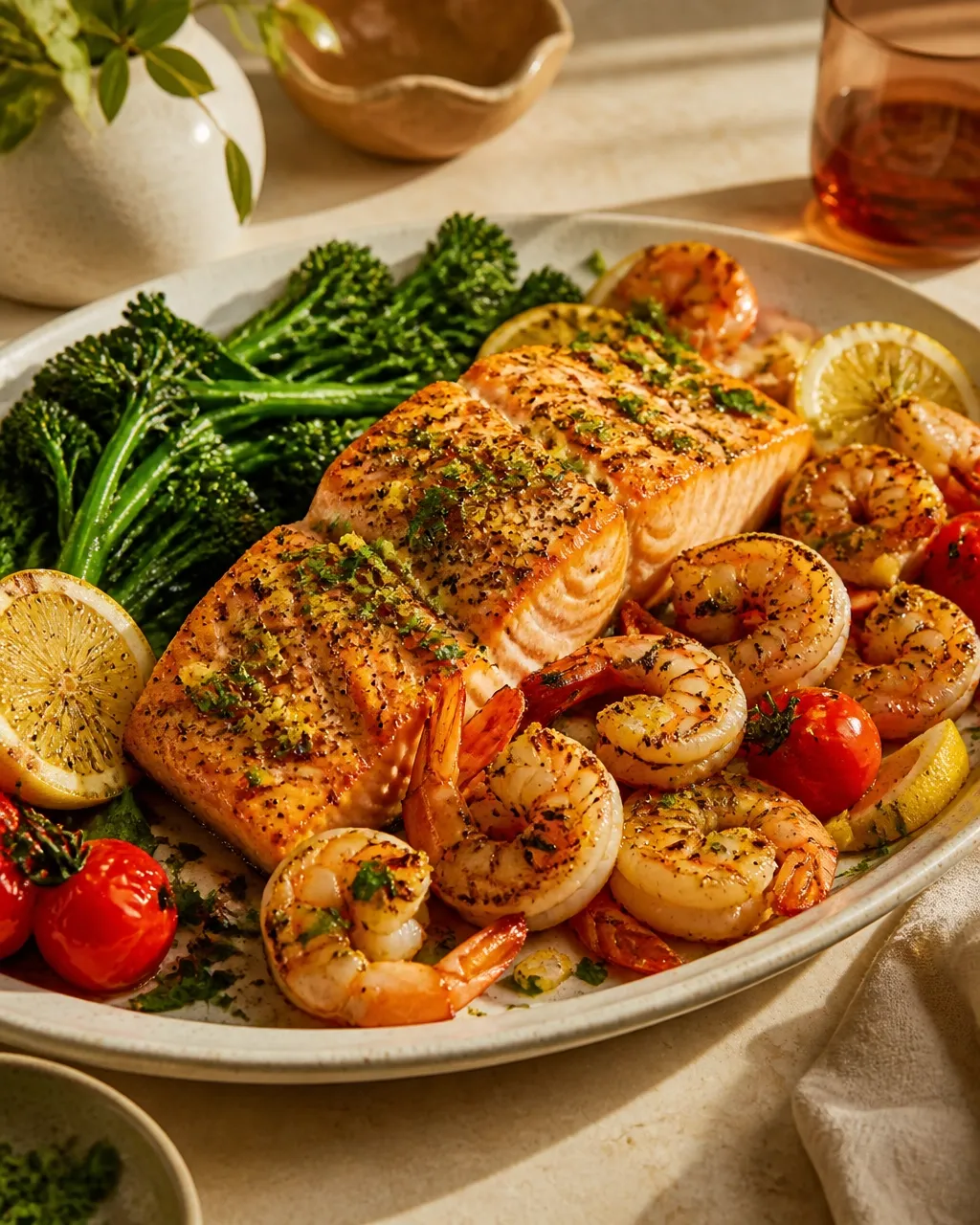
We’ve all been there: it’s 6:00 PM, the fridge is looking uninspired, and your patience for a complex recipe is basically zero. This is where my blog thrives: finding that sweet spot between “I can’t be bothered” and “I want to eat something incredible.” Enter the tropical air fryer shrimp. It’s the ultimate 15-minute rescue for anyone hunting for quick family meals that don’t taste like they came out of a cardboard box. By marrying the high-velocity heat of an air fryer with the zesty, creamy punch of coconut and lime, you get a dish that feels like a beach vacation but fits into a Tuesday night schedule.
The Science of the Snap: High-Velocity Air and Shrimp Thermodynamics
To understand why this works so ridiculously well, look at what an air fryer actually does. It is not a magical tiny deep fryer. It is a compact, aggressive convection oven that shoves very hot air around the food at speed. That high-velocity airflow matters because shrimp cook fast, lose moisture fast, and go from juicy to rubber-band territory with almost rude efficiency. In other words, this dish succeeds or fails on heat transfer.
Shrimp are mostly water and protein, with very little connective tissue compared with larger animal proteins. That is why they do not need long cooking times to become tender. In fact, long cooking is exactly what ruins them. The muscle proteins in shrimp, especially myosin and actin, tighten as they heat. At the right point, they turn from translucent and squishy to opaque and springy. That pleasant spring is the “snap” you want. Push the temperature too far, and those proteins squeeze out too much water, tighten harder, and create that dry, squeaky bite nobody asked for.
This is where the air fryer earns its keep. Because the chamber is small and the fan is forceful, the hot air keeps smashing into the shrimp surface and replacing cooler air quickly. That speeds up convection, which means faster surface heating. Faster surface heating means the outside can set before the inside has time to dry out. That is the dream with shrimp: quick exterior firming, brief internal cooking, no sad chewiness. When you’re making air fryer recipes dinner fans genuinely repeat, this is the whole game.
Now let’s talk moisture, because moisture is both friend and chaos goblin. Shrimp need internal moisture for a juicy bite, but surface moisture is the enemy of browning. If the outside is wet, the air fryer has to spend energy evaporating water before any serious browning starts. That stalls color development and can make the shrimp steam in their own little humid cloud. Pat them dry. Do not skip that. Patting dry is not busywork; it is thermodynamic strategy.
The coconut element plays a clever double role here. Full-fat coconut milk or coconut cream brings enough fat to help carry flavor and encourage browning, but it also coats the surface in a thin layer that can either help or hurt depending on how much you use. Use a light coating. Avoid drenching. Too much coconut mixture insulates the shrimp, slows evaporation, and can leave you with pale, soft spots. A thin film, though, gives you better adhesion for seasonings and a richer mouthfeel without sabotaging the cook.
Lime is doing more than making everything taste awake. Its acidity starts nudging the shrimp proteins before heat even arrives. This is a mild form of denaturation, which is just a fancy way of saying the proteins begin to unravel and reorganize. In small amounts and for short contact times, that helps the exterior tighten quickly once it hits the fryer. Leave the shrimp soaking too long, though, and the acid keeps working. Then the texture gets mealy or oddly firm in the wrong way. Give the shrimp a quick coating, not a spa treatment.
There is also a shape advantage with shrimp that home cooks often underestimate. Their curved bodies expose more edges and contours to moving air than a flat cutlet would. Those little ridges and bends give the air more access points, which means more even heat exchange. It is a tiny architectural win. Nature made shrimp weirdly good at air frying.
If you want the best crustacean protein snap, control three things like a kitchen tyrant: temperature, spacing, and time. Preheat the air fryer so the shrimp get hit with strong heat immediately. Arrange them in a single layer so the air can wrap around each piece. Pull them the second they turn opaque and curled into a loose “C.” Avoid the tight “O” shape. That is not cute. That is an SOS signal from overcooked seafood.
The Maillard reaction still matters, of course. That is the browning process that creates savory depth and all those “wow, this tastes better than it should” notes. But with shrimp, Maillard is not the only goal. You are balancing browning against the tiny cooking window of a delicate protein. Chicken gives you time to think. Shrimp do not. Shrimp are more like, “You have ninety seconds to make good decisions. Good luck.”
Another non-negotiable: do not overcrowd the basket. When shrimp are piled up or touching too much, they trap steam between them. Steam blocks browning, softens the coating, and makes the cook uneven. Some shrimp will overshoot while others lag behind. Cook in batches if needed. The air fryer is fast enough that this is not a real inconvenience; it is just the price of not eating mediocre seafood.
This is also why tropical flavors work so well here. Coconut softens the sharp edges of heat with richness, while lime cuts that richness with acidity. The result is balance, not heaviness. You get something that tastes sunny and a little indulgent, yet still lands firmly in the camp of healthy dinner ideas because shrimp bring lean protein, and the air fryer delivers texture without the oil bath.
Exploring the Tropics: Coconut-Lime Flavor That Pulls Its Nutritional Weight
Once you’ve mastered the base technique, my blog encourages you to get a little adventurous. The coconut-lime foundation is a perfect canvas for global influences.
If you want to lean into a Thai-inspired profile, try swapping some of the lime for a splash of fish sauce and a teaspoon of red curry paste mixed into the coconut base. This adds a fermented depth (umami) that balances the sweetness of the coconut. I’ve found that this version pairs beautifully with the flavor profiles in my 15-minute Thai prawn noodles.
For those who prefer a “Sweet and Spicy” kick, a drizzle of honey or agave mixed with sriracha or chili flakes works wonders. The sugars in the honey will caramelize even faster in the air fryer, creating a sticky, lacquered finish that is dangerously addictive. Just keep a close eye on the basket, as honey can go from “caramelized” to “burnt” in about sixty seconds under high convection heat.
You can also experiment with the “crust” texture. While shredded coconut provides a classic tropical vibe, mixing it with a bit of panko or even crushed macadamia nuts can elevate the dish for a more elegant dinner party. The nuts provide a different kind of fat (monounsaturated) that roasts beautifully alongside the shrimp, adding a buttery finish that lime cuts right through.
The Art of the Side: Balancing the Plate
A great shrimp dinner needs a side that understands the assignment. Since coconut-lime shrimp are rich, sweet, saline, and bright all at once, pair them with something that either absorbs, cuts, or contrasts. That is the triangle. Ignore it and the plate gets muddled fast.
The easiest win is cilantro-lime rice. Starch catches the extra sauce and gives the shrimp a bigger stage without competing. If you want more crunch, go with a sharp cabbage slaw. A vinegar-based dressing is your friend here because it slices through the coconut richness and keeps the whole meal from feeling too soft. For a greener route, roasted asparagus or snap peas add a little bitterness, which is useful because bitterness keeps sweetness from taking over.
Avoid heavy creamy sides. You already have coconut bringing richness. Pile on cheese or a mayo-heavy salad and the plate starts feeling sleepy. Keep the supporting cast crisp, acidic, or herbaceous and this becomes one of those healthy dinner ideas that tastes much fancier than the effort suggests.
Frequently Asked "What If" Questions
What if my shrimp turned out rubbery?
That is almost always overcooking, and with shrimp, overcooking happens fast. Their proteins tighten quickly, and once too much moisture gets squeezed out, there is no magical fix. Watch for visual cues instead of relying blindly on the clock. Pull them when they are opaque and curled into a loose “C.” If they have tightened into a firm little “O,” they have gone too far. Next time, preheat properly, cook in a single layer, and start checking early.
What if my shrimp released a lot of liquid in the basket?
That means the surface was too wet, the basket was overcrowded, or both. Water has to evaporate before browning can happen, so excess moisture turns your air fryer into a tiny steam room. Thaw shrimp fully, pat them very dry, and do not crowd them. If you’re chasing crisp edges, dry surfaces are not optional.
Can I use frozen shrimp?
Yes, but thaw them first if you want the best texture. Cooking straight from frozen adds thermal lag, which means the exterior and interior heat unevenly. It also dumps extra water into the basket as the ice melts. That is bad news for browning and coating adhesion. Defrost fully, dry thoroughly, then proceed like a responsible adult with standards.
Why do shrimp get that nice snap when they’re cooked right?
That snap comes from proteins setting just enough to create spring without turning tough. Think of it as a narrow middle zone between raw softness and overcooked rigidity. High-velocity air helps because it cooks the outside quickly while giving you a chance to stop before the center dries out. The moment the shrimp turn opaque and springy, you’re there. Do not hang around waiting for “extra certainty.” Extra certainty is how rubber happens.
Does the type of coconut milk matter?
Very much. Use full-fat canned coconut milk or coconut cream, not the thin carton stuff. The canned version has enough fat and viscosity to cling lightly to the shrimp and support browning. The carton version is too watery and tends to run off, which means less flavor and more steaming. Fat is not just richness here; it is a functional part of the coating.
What if I want more lime flavor?
Add zest rather than just more juice. Extra juice can flood the surface with moisture and make browning harder. Zest gives concentrated citrus aroma without watering anything down. This is one of those tiny kitchen moves that makes you feel smug for excellent reasons.
Can I leave the tails on?
Yes, and I usually do. They act as a handy little handle, and they help the shrimp look more dramatic on the plate. They also protect a small part of the meat from direct heat. If you are serving this for a casual dinner, tails-on works nicely. If you want maximum convenience for kids or fork-only eaters, remove them.
Why is my coconut coating falling off?
Usually one of three reasons: the shrimp were wet, the coating was too heavy, or the basket airflow was too turbulent for a weak binder. Start with dry shrimp. Use a thin layer of coconut mixture. If needed, use a light dusting of starch to help everything cling. Think “light jacket,” not “winter parka.”
Is this recipe actually a good option for lighter eating?
Yes. Shrimp give you lean protein, the air fryer keeps oil use low, and the coconut-lime combo makes the meal satisfying enough that it does not feel like punishment. That balance is why dishes like this earn a place in the quick family meals rotation. Fast should still taste like real food, and this one absolutely does.