Recipe
Servings
Servings 1×
Ingredients
- Salmon
- Cod
- Tofu
- Quinoa
- Rice
- Cauliflower
- Peas
- Cucumber
- Fresh ginger
- Lemon
- Lime
- Butter
- Cooking oil
- Sesame
- Chili seasoning
- Black pepper
Method
- Prepare the ingredients described in the article and heat the cooking surface or oven as directed.
- Cook the main ingredients using the heat and timing guidance in the article.
- Finish with the seasonings and garnishes named in the article, then serve.
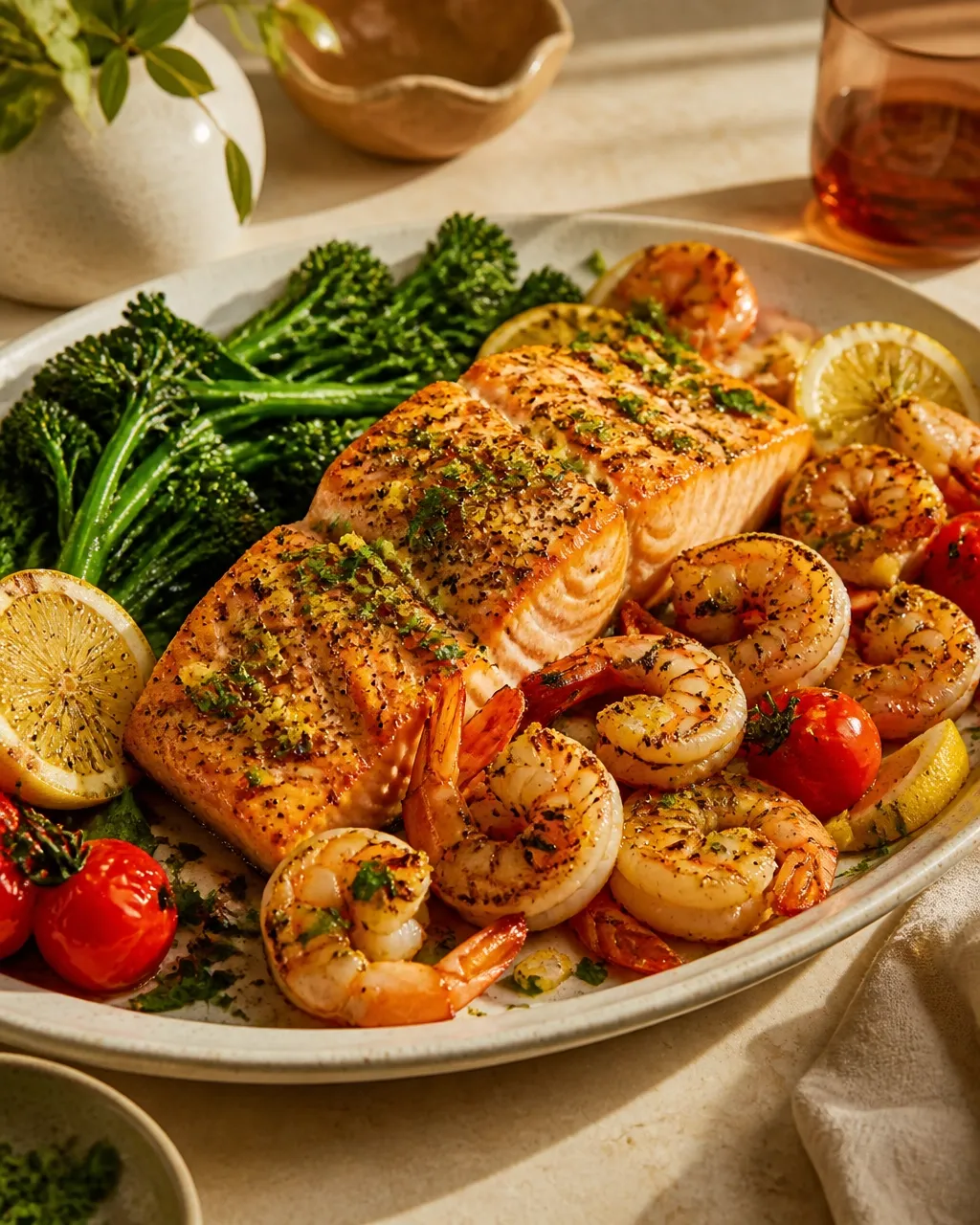
You’ve had those nights. The ones where the clock is ticking, the fridge is staring back at you with judgment, and you’re seconds away from ordering a lukewarm pizza. Stop right there. If you’re hunting for healthy dinner ideas that don't taste like cardboard, you’ve hit the jackpot. This Baked Miso Salmon with Ginger Quinoa is my secret weapon for looking like a gourmet chef when I’ve actually only put in about fifteen minutes of active work. It’s soulful, it’s vibrant, and it’s packed with that elusive "fifth taste" that makes your brain do a happy dance.
The Science of Umami and the Perfect Glaze
Why does miso salmon taste so much better than your standard lemon-and-herb routine? It all comes down to the science of umami. Miso is a fermented paste, and that fermentation process breaks down soy proteins into amino acids, specifically glutamate. This is the biological "magic button" for savory satisfaction. When you slather that paste onto a fatty piece of salmon and introduce heat, you aren’t just cooking; you’re initiating the Maillard reaction on steroids. The sugars in the miso caramelize, creating a crust that is salty, sweet, and deeply savory.
When you’re prepping your glaze, use white miso (Shiro miso) for a milder, sweeter profile that won’t overpower the fish. If you go for the dark red stuff, be warned: it’s the heavy metal of the miso world, intense and salty. Whisk your miso with a splash of mirin and rice vinegar. The acidity in the vinegar is non-negotiable; it cuts through the richness of the salmon’s natural fats like a hot knife through butter.
Now, let’s talk technique. One of the biggest mistakes home cooks make with miso is letting it burn. Because of the high sugar content in the paste and the mirin, it can go from "gloriously caramelized" to "charred charcoal" in a heartbeat. Avoid the temptation to crank the heat to the max. Keep your oven around 400°F. If you’re a fan of air fryer recipes dinner enthusiasts often rave about, you can actually use the air fryer for this. The circulating air creates a stunningly even crust, but you must keep a close eye on it, six to eight minutes is usually all it takes to reach that perfect medium-rare.
For the quinoa, don’t just boil it in plain water. That’s a missed opportunity for flavor. Infuse the cooking liquid with fresh, smashed ginger. As the quinoa absorbs the water, it also pulls in those spicy, aromatic essential oils from the ginger root. The result is a grain base that acts as a bright, zesty counterpoint to the heavy, savory salmon.
Creative Variations for Every Palate
While I’m a purist about the miso-ginger combo, I know you might want to switch things up to keep your quick family meals from getting stale. If salmon isn't your vibe, this glaze works wonders on black cod or even thick slices of firm tofu. If you’re opting for tofu, make sure you press it well first; you want that miso to stick to the surface, not slide off into a puddle of soy water.
For those who like a little fire, whisk a teaspoon of gochujang (Korean chili paste) or a pinch of red pepper flakes into the marinade. The heat plays beautifully with the sweetness of the miso. If you’re trying to move away from grains, swap the quinoa for cauliflower rice. To keep the ginger punch, sauté the cauliflower rice with grated ginger and a touch of sesame oil instead of boiling it.
Another pro move? Add a citrus twist. Replace the rice vinegar with fresh lime juice and add a bit of lime zest to the quinoa. The sharp citrus notes elevate the dish, making it feel lighter and perfect for a warm spring evening. It’s one of those quick healthy meals that adapts to whatever is lingering in your pantry.
Balancing the Plate: Side Dish Pairings
The key to a balanced plate is contrast. Since the salmon and quinoa are soft, fatty, and savory, you need something with a crunch and a bit of "bite." I always lean toward greens that have a structural integrity. Steamed baby bok choy or a quick stir-fry of snap peas are my go-to choices. The bitterness of the greens balances the sweetness of the glaze perfectly.
If you’re feeling adventurous, a simple cucumber salad with a splash of rice vinegar and toasted sesame seeds adds a refreshing temperature contrast. The cool, crisp cucumbers act as a palate cleanser between bites of the rich, warm salmon. Whatever you choose, keep it simple. You don’t want a side dish that’s competing for the spotlight; you want a supporting actor that makes the lead shine.
Frequently Asked Questions
Can I use frozen salmon for this?
Yes, but you have to be careful. Frozen salmon often contains more moisture than fresh. If you don't pat it bone-dry with paper towels before applying the miso glaze, the steam from the excess water will prevent that beautiful caramelization from happening. You’ll end up with "gray" salmon rather than "golden" salmon. Thaw it completely in the fridge overnight for the best results.
Why did my miso glaze burn before the fish was cooked?
This usually happens if the rack in your oven is too high or if your glaze has too much honey/sugar. Miso is sensitive. If you see it browning too fast, tent a piece of foil loosely over the salmon. This allows the fish to continue cooking via ambient heat without the direct heat punishing the delicate sugars in the glaze.
Is quinoa better than rice for this dish?
"Better" is subjective, but from a nutritional and texture standpoint, quinoa offers more protein and a slightly nutty "pop" that stands up well to the bold miso. However, if you prefer a more traditional Japanese profile, short-grain sushi rice is an excellent substitute.
How do I know when the salmon is actually done?
Don't guess. Check the thickest part of the fillet with a fork; it should flake easily and look opaque. If you have an instant-read thermometer, aim for 145°F (63°C). Remember that the fish will continue to cook for a minute or two after you pull it out of the oven, so don't be afraid to take it out when it’s just a hair under your preferred doneness.
Can I make the quinoa in advance?
Absolutely. Ginger quinoa holds up remarkably well in the fridge for up to three days. In fact, cold quinoa is easier to fluff up. Just reheat it with a tiny splash of water or broth to restore its moisture, and you’ve got one of the fastest healthy dinner ideas ready to go in minutes.
For more inspiration on streamlining your kitchen time, check out our guide on 15-minute Thai stir-fries or explore our library of beginner-friendly keto meals. Cooking doesn't have to be a chore; it’s just about having the right tools and a little bit of umami magic in your corner.