Recipe
Servings
Servings 1×
Ingredients
- Pasta
- Noodles
- Garlic
- Lemon
- Cream
- Butter
- Cooking oil
- Salt
- Black pepper
Method
- Prepare the ingredients described in the article and heat the cooking surface or oven as directed.
- Cook the main ingredients using the heat and timing guidance in the article.
- Finish with the seasonings and garnishes named in the article, then serve.
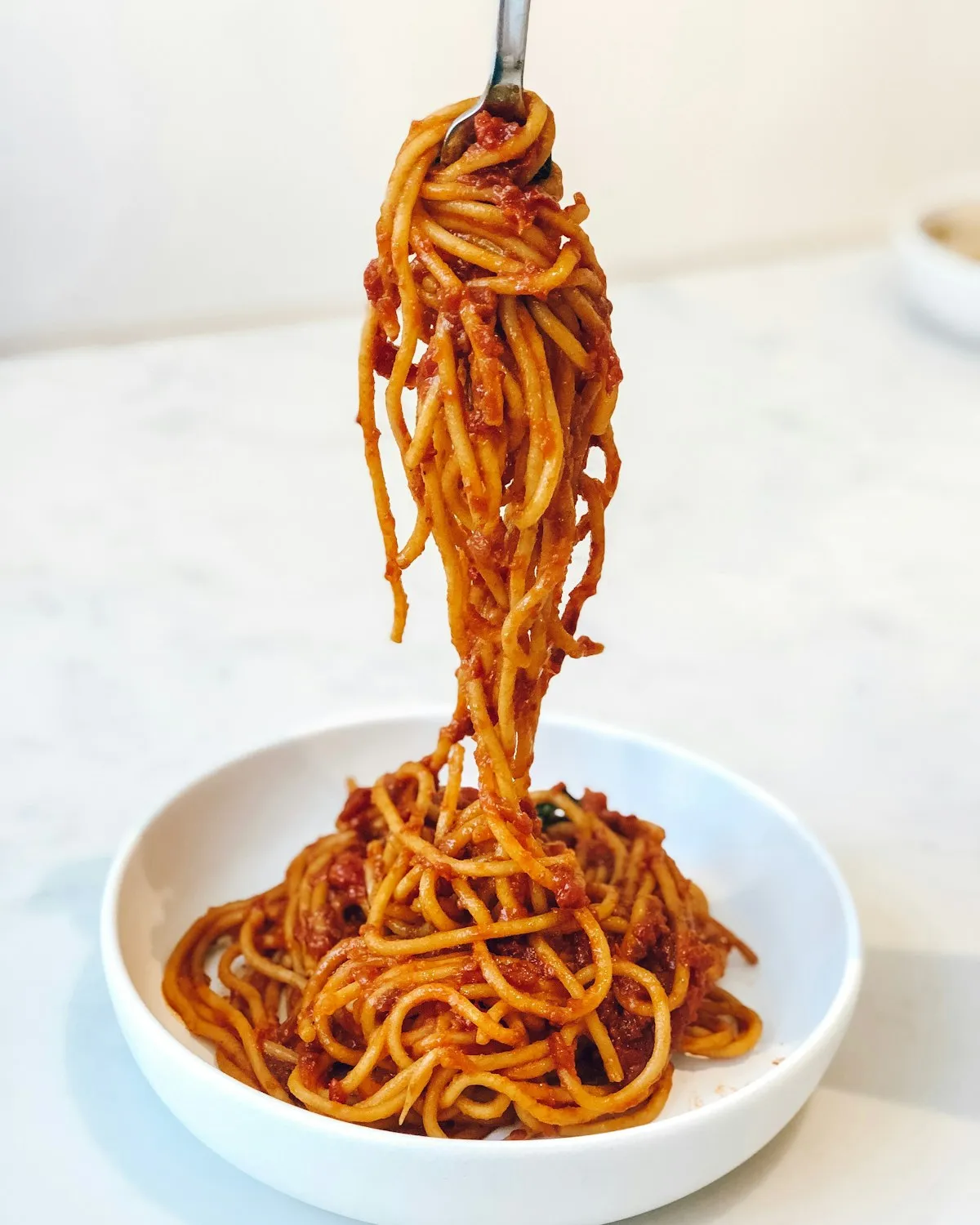
Pasta is the ultimate blank canvas for the home cook. We’ve all had those Tuesday nights where the fridge looks desolate, but you don't need a massive grocery haul to create something truly soulful. By mastering a few basic scientific principles, you can transform a standard box of dried noodles and a handful of jars into high-impact, budget friendly recipes. Whether you’re hunting for quick family meals or simply trying to elevate your weeknight routine, these simple pasta recipes prove that you don't need expensive ingredients to achieve a gourmet finish.
The Science of Emulsification: Why Pasta Water is Liquid Gold
If you’ve ever ended up with a pool of oil at the bottom of your bowl or a clumpy, dry mess of noodles, you’ve ignored the most important "ingredient" in your kitchen: the pasta water. When you boil pasta, the noodles release amylopectin and amylose (starches) into the water. This cloudy liquid is a powerful emulsifier.
When you toss your cooked pasta into a pan with oil, butter, or a splash of cream, adding half a cup of that starchy water creates a bridge between the fats and the liquid. This process, called emulsification, results in a silky, cohesive sauce that clings to the noodles rather than sliding off. Never rinse your pasta; doing so washes away the very starch you need to build that restaurant-quality texture.
Blooming Aromatics: Maximizing Flavor Volatiles
Most budget friendly recipes rely heavily on dried herbs, garlic, and spices. To get the most out of them, you must understand "blooming." Many flavor compounds in spices are fat-soluble, meaning they release their full potential when heated in oil or butter rather than water.
Before adding any liquid to your pan, sauté your garlic, red pepper flakes, or dried oregano in oil for 30 to 60 seconds. You’ll notice the aroma intensifies immediately as the heat breaks down the spice's cell walls and releases volatile oils. Be careful not to burn the garlic; once it turns a pale golden brown, it’s time to deglaze with your pasta water or a squeeze of lemon. This technique ensures that even the simplest pantry staples provide a complex, layered taste.
Osmosis and the Salted Water Myth
You’ve likely heard that your pasta water should be "as salty as the sea." While that might be a slight exaggeration, the science of osmosis is non-negotiable. As the pasta hydrates, it absorbs the water around it. If that water isn't seasoned, the noodle itself remains bland, and no amount of top-dressing sauce can fix a flavorless core.
Salt the water aggressively once it reaches a rolling boil. Use about a tablespoon of salt per four quarts of water. This is your only chance to season the pasta from the inside out. Don't worry about the sodium intake; most of that salt stays in the pot and goes down the drain, but the small amount absorbed makes a massive difference in the final profile of your simple pasta recipes.
The Maillard Reaction in Your Pantry
Even without fresh meat, you can harness the Maillard reaction: the chemical reaction between amino acids and reducing sugars that gives browned food its distinctive flavor. If you’re using tomato paste from a tube or can, don't just stir it into the liquid. Instead, clear a spot in the center of your pan and let the paste fry in the oil for a minute until it turns from bright red to a deep, rusty brick color. This caramelization adds a savory, umami depth that mimics a slow-cooked ragu in a fraction of the time. This is a great trick for when you need healthy dinner ideas that don't feel like "diet food."
Variations for the Creative Pantry
The beauty of these techniques is their versatility. If you’re out of parmesan, look for other salty, umami-rich substitutes like a tin of anchovies (they melt into the oil and provide a savory backbone without tasting "fishy") or even a spoonful of miso paste.
For those looking for quick family meals, consider the "Pantry Puttanesca." Use canned tuna, capers, and olives to create a punchy, acidic sauce that feels incredibly fresh. If you have extra veggies in the crisper drawer that are looking a bit sad, roast them at a high temperature to concentrate their sugars before tossing them into your pasta.
If you're in the mood for something different but still within the "fast and flavorful" realm, check out our Viral Garlic Butter Ramen Hack which applies these same principles to instant noodles. You can also pivot to air fryer recipes dinner styles by air-frying some chickpeas until crispy to use as a high-protein, "budget friendly" crouton alternative for your pasta dishes.
Side Dish Pairings: Balancing the Plate
Pasta is inherently rich and starchy. To create a balanced meal, you need to introduce acidity and bitterness. A simple side salad with a lemon-heavy vinaigrette is more than just a "side"; it acts as a palate cleanser that makes every bite of pasta taste as good as the first.
- Acidity: Use a sharp vinegar or lemon juice to cut through butter-based sauces.
- Bitterness: Arugula or radicchio provides a counter-note to the sweetness of caramelized onions or tomatoes.
- Crunch: If you aren't using the air fryer for your main, consider using it to toast up some stale bread with olive oil and garlic. This adds the textural contrast necessary to make healthy dinner ideas feel satisfying.
FAQ: Solving Your Pasta Problems
Why is my pasta always sticking together?
This usually happens because the pot is too small or you aren't stirring enough during the first two minutes of cooking. When pasta first hits the water, it releases a burst of surface starch that acts like glue. Stir immediately and frequently during those first 120 seconds to keep the noodles separate. Also, ensure you have plenty of water; the starch needs room to dilute.
Should I put oil in the boiling water?
No. This is a common myth that actually ruins your sauce. Oil floats on top of the water and then coats the pasta as you drain it. This oily film prevents your sauce from adhering to the noodle, leading to the "oil slick" at the bottom of your bowl. Use a large pot and stir frequently instead.
Can I make these recipes gluten-free?
Absolutely. Most of these techniques, especially blooming aromatics and the Maillard reaction, work perfectly with gluten-free pasta. However, be aware that gluten-free pasta water doesn't always have the same thickening power as traditional wheat pasta water, so you may need to reduce your sauce a bit longer to achieve that silky finish.
How do I store leftovers without them becoming a mushy block?
If you know you’ll have leftovers, slightly undercook the pasta (extra al dente). When you reheat it the next day with a splash of water or broth, the pasta will finish cooking without turning to mush. Storing the sauce and pasta separately is ideal, but if they are already mixed, a quick toss in a hot pan is better than the microwave for preserving texture.
Is dried pasta "worse" than fresh?
Not at all: they are just different tools. Dried pasta is made from durum wheat (semolina) and water, giving it a sturdy, "al dente" bite that holds up beautifully to oil-based and hearty sauces. Fresh pasta often contains eggs and is better suited for delicate, creamy sauces. For budget friendly recipes, high-quality dried pasta is actually the superior choice for its shelf-life and structural integrity.
Whether you're experimenting with air fryer recipes dinner sides or sticking to the stovetop, remember that great cooking isn't about the price of the ingredients; it's about the physics in the pan. Stick to these rules, and your pantry will never feel empty again.