Recipe
Servings
Servings 1×
Ingredients
- Chicken
- Shrimp
- Tofu
- Chickpeas
- Pasta
- Noodles
- Rice
- Broccoli
- Carrots
- Peas
- Cucumber
- Apple
- Lime
- Coconut milk
- Cooking oil
- Sesame
- Curry spices
Method
- Use heat and a small amount of oil to "fry" the paste first.
- Use a wide, heavy-bottomed vessel to ensure even heat distribution.
- Toss them in at the very end so they retain their crunch and vibrant enzymes.
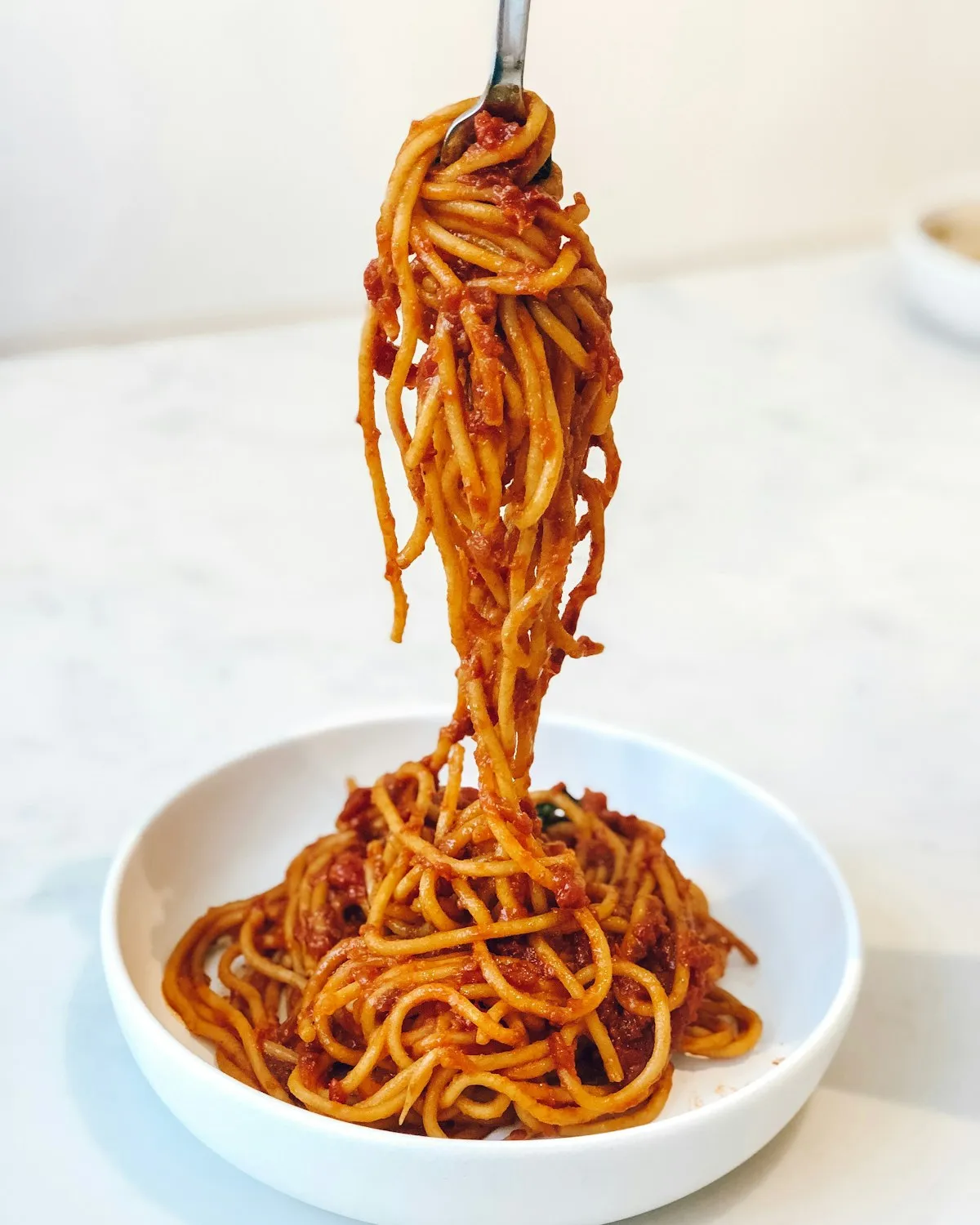
If you’ve ever stared at a pile of dirty dishes after a long day and thought, “There has to be a better way,” welcome to my world. I am a firm believer that you shouldn't have to choose between a gourmet flavor profile and your sanity. That’s why I’m obsessed with one pot meals. They are the ultimate cheat code for anyone who wants a kitchen that smells like a five-star Thai bistro without the mountain of pans to scrub afterward. Today, we’re diving into the silky, spicy, and deeply comforting world of Thai Red Curry Noodles.
The Science of Flavor: Why Technique Trumps Luck
Cooking is essentially a series of chemical reactions, and when you’re making something as delicate as a curry noodle dish, understanding the "why" behind the "how" changes everything. Most people make the mistake of just dumping everything into a pot and hoping for the best. Don’t do that.
The Magic of Blooming Your Paste
The first rule of a great curry is blooming. Thai curry paste is packed with oil-soluble aromatics like lemongrass, galangal, and dried chilies. If you simply stir the paste into cold coconut milk, those flavors stay trapped inside the fibers of the paste. Use heat and a small amount of oil to "fry" the paste first. Watch for the oil to start separating and turning a deep, vibrant red. This signifies that the fat has extracted the essential oils from the spices, ensuring every bite of your noodles is infused with heat and depth.
Starch Control and Liquid Management
One of the biggest hurdles with noodles is the texture. In a one-pot setting, your noodles act like tiny sponges. Unlike boiling pasta in a massive pot of water where you drain the starch away, here, the starch stays in the pot. This is a double-edged sword. On one hand, it helps thicken the sauce into a luxurious glaze that clings to every strand. On the other, it can turn your dinner into a gummy block if you aren't careful.
Avoid over-crowding the pot. Use a wide, heavy-bottomed vessel to ensure even heat distribution. If you use rice noodles, remember they are incredibly sensitive to temperature. Treat them with respect. If the liquid reduces too quickly before the noodles are tender, add small splashes of broth. This incremental approach allows you to control the viscosity of the sauce while ensuring the noodles reach that perfect al dente snap.
The Emulsion Equation
Coconut milk is an emulsion of fat and water. If you boil it too vigorously, the emulsion can break, leading to an oily, curdled-looking sauce. Maintain a gentle simmer. This keeps the proteins and fats bound together, resulting in that velvety mouthfeel we all crave. Check the heat frequently; you want a lazy bubble, not a violent boil.
Flipping the Script: Creative Variations
While the classic red curry noodle is a masterpiece on its own, your kitchen is a laboratory, not a museum. Feel free to experiment based on what’s in your fridge.
If you are looking for quick family meals that satisfy everyone, consider the protein swap. Sliced chicken breast or shrimp are classic choices, but I’ve found that thinly sliced ribeye adds a richness that transforms the dish. For my plant-based friends, extra-firm tofu is a must.
One of my favorite ways to add texture is by looking toward other kitchen gadgets. While this is a one-pot star, you can use your air fryer to create incredible toppings. Crispy chickpeas or even "croutons" made from seasoned tofu wedges are fantastic air fryer recipes dinner enthusiasts will love. They add a crunch that perfectly counters the soft, slurpy noodles.
For those focusing on healthy dinner ideas, load up on the greens. Bok choy, snap peas, and shredded carrots don't just add color; they add structural integrity to the dish. Toss them in at the very end so they retain their crunch and vibrant enzymes. You want them "tender-crisp," not mushy.
The Perfect Match: Side Dish Pairings
Even a one-pot hero needs a sidekick. Since red curry is inherently rich and creamy thanks to the coconut milk, you need sides that offer high acidity and crunch to cleanse the palate.
- Smashed Cucumber Salad: Use a heavy object (like a rolling pin) to smash cucumbers until they split, then toss them with rice vinegar, sesame oil, and a pinch of sugar. The jagged edges of the cucumbers catch the dressing, providing a cool, acidic contrast to the warm spice of the noodles.
- Green Papaya or Apple Slaw: If you can't find green papaya, a tart Granny Smith apple shredded into matchsticks works beautifully. The sharp malic acid in the apple cuts right through the fat of the curry sauce.
- Charred Broccolini: A quick sear in a hot pan with a splash of lime juice adds a smoky element that complements the fermented notes in the curry paste.
Frequently Asked Questions
Why did my noodles turn into a mushy mess?
This usually happens because the heat was too low for too long, or there was too much liquid. Rice noodles don't need a lot of time; they need heat and the right amount of moisture. If you notice they are softening but there’s still a soup’s worth of liquid, turn up the heat slightly to evaporate the excess while stirring constantly. Next time, try soaking the noodles in warm water for 5 minutes before adding them to the pot to give them a head start.
Can I make this with other types of curry paste?
Absolutely. Green curry paste will give you a brighter, more herbal profile with a bit more of a "creeping" heat. Yellow curry paste is milder and more turmeric-forward, which is great for kids or those who prefer a gentler meal. Just remember that different brands have different salt levels, so always taste before you add extra soy sauce or fish oil.
My sauce is too thin! How do I fix it?
Don't panic. If your sauce looks like a soup rather than a coating, let it simmer uncovered for an extra two minutes. The starch from the noodles should naturally thicken it. If that’s not working, whisk a teaspoon of cornstarch with a tablespoon of cold water (a slurry) and stir it in. Science will take over, and you’ll see the sauce tighten up almost instantly.
Is this dish good for meal prep?
Noodles are tricky for meal prep because they continue to absorb moisture as they sit. If you plan to eat this the next day, keep a little extra broth or coconut milk on hand. When you reheat it, add a splash of liquid to loosen the sauce back up. It won't be exactly the same as fresh, but the flavors will have actually deepened overnight.
What’s the best way to get that "restaurant" look?
Garnish is your best friend. Save some of the fresh cilantro, sliced chilies, and lime wedges for the very end. The contrast between the cooked, deep red sauce and the bright, raw greens and reds of the garnish makes the dish pop visually.
For more inspiration on streamlining your kitchen time, check out our other guides at Cookpedia. We specialize in making home cooking accessible, whether you're looking for one pot meals or the latest healthy dinner ideas. Stick to the techniques, trust the science, and stop overcomplicating your weeknights!