Recipe
Servings
Servings 1×
Ingredients
- Lentils
- Beans
- Spinach
- Tomatoes
- Lemon
- Mustard
- Cooking oil
- Turmeric
- Salt
Method
- Prepare the ingredients described in the article and heat the cooking surface or oven as directed.
- Cook the main ingredients using the heat and timing guidance in the article.
- Finish with the seasonings and garnishes named in the article, then serve.
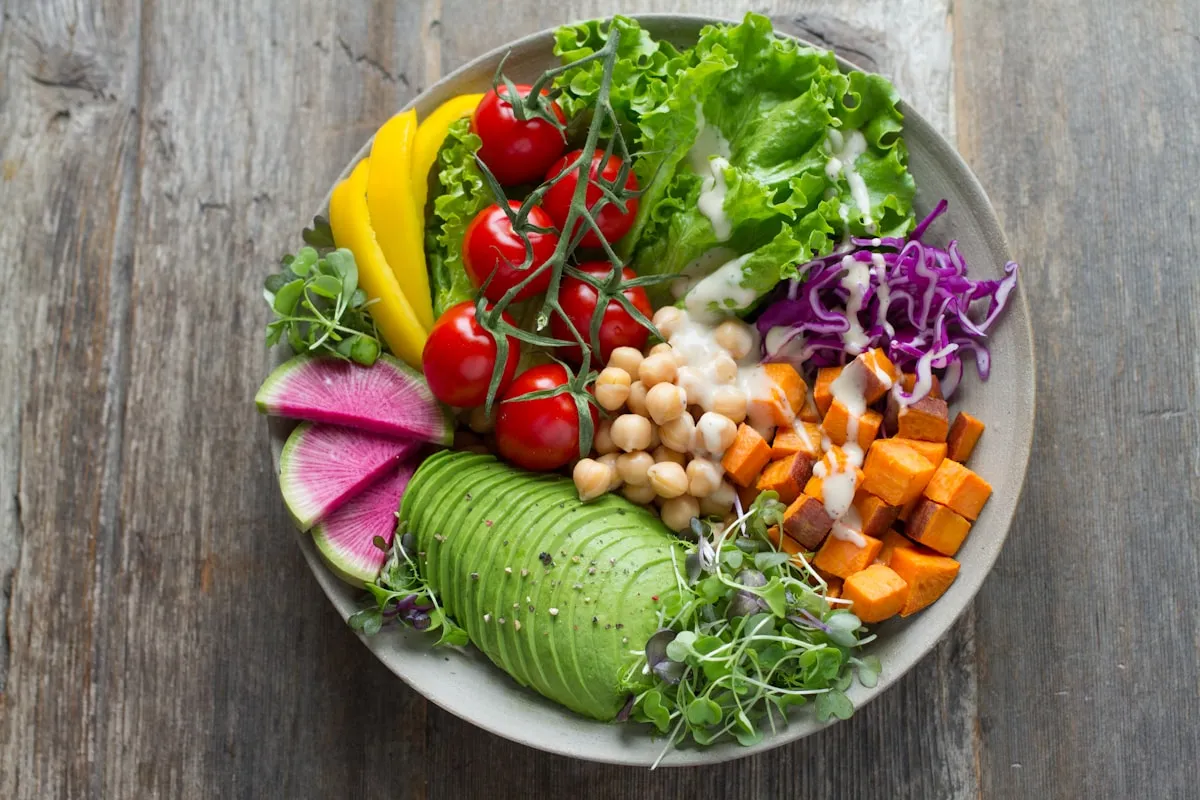
If you’ve ever stared at a bag of dry beans and thought, "I don't have three hours for this," then you and I are on the same page. When you want a meal that feels like a warm hug but costs less than your morning coffee, this red lentil and spinach dahl is your new best friend. It’s the ultimate proof that budget friendly recipes don't have to taste like cardboard. We’re talking rich, aromatic, and deeply satisfying food that just happens to be incredibly cheap.
The Science of the "Quick Cook" Red Lentil
Red lentils are the secret weapon of the pantry because of one major scientific detail: they are almost always sold "split." Unlike their cousins, the green or brown lentils, red lentils have had their outer skins removed and the inner seed split in half. This dramatically increases the surface area exposed to water. Why does that matter to you? Surface area equals speed. While a whole bean takes forever for moisture to penetrate its tough exterior, a red lentil practically welcomes the water with open arms.
Because of this physical structure, red lentils don't need a pre-soak. You can go from dry pantry staple to a creamy, thickened stew in about 15 to 20 minutes. As they simmer, the starch granules inside the lentils swell and eventually burst, naturally thickening your dahl without the need for flour, cornstarch, or heavy creams. It’s a self-thickening miracle that makes it one of the most efficient plant-based dinner ideas for a busy Tuesday night.
One non-negotiable rule when dealing with red lentils is the timing of your acidity. If you add lemon juice or tomatoes too early in the boiling process, the acid will actually strengthen the lentil’s cell walls. This prevents them from breaking down and becoming creamy. Always wait until the lentils are soft and "melted" before you squeeze in that citrus. Similarly, salt should be added toward the end. Salt can toughen the skins (if any remain) and slow down the softening process.
Control your heat, too. A violent boil will just bash the lentils around and lead to uneven cooking. Aim for a gentle simmer, small bubbles breaking the surface like a slow, rhythmic heartbeat. This allows the lentils to absorb liquid evenly and release their starches at a pace that creates a velvety texture rather than a watery soup.
Leveling Up with the "Tarka" Technique
If you want to move from "basic lentil soup" to "restaurant-quality dahl," you need to master the Tarka. This is a traditional technique of tempering spices in hot fat (oil or ghee) to unlock their fat-soluble flavors. Most of the aromatic compounds in spices like cumin, mustard seeds, and turmeric are hydrophobic, they don't dissolve well in water. By frying them briefly in oil, you pull those flavors out and suspend them in the fat, which then coats every single lentil in your pot.
Watch your pan closely during this stage. Use a small skillet and heat your oil until it’s shimmering but not smoking. Drop your whole spices in. They should sizzle and "pop" within seconds. If they turn black instantly, you’ve gone too far; dump it and start over, because burnt spices will ruin your entire meal with a bitter aftertaste. The goal is a deep, nutty aroma and a slight golden hue. Stir this sizzling mixture into your cooked lentils right before serving for a massive flavor explosion.
Variations to Keep Your Pantry Interesting
While the base of red lentils and spinach is a classic, the beauty of dahl lies in its flexibility. If you find yourself making this every week (and you probably will), you’ll want to switch things up to avoid palate fatigue.
- The Creamy Classic: Add a half-can of coconut milk toward the end of cooking. The high fat content balances the earthiness of the lentils and creates a luxurious mouthfeel. This is perfect if you find lentils a bit too "lean" on their own.
- The Root Vegetable Swap: If you’re out of spinach, finely diced carrots or sweet potatoes can be simmered along with the lentils. They add a natural sweetness that pairs beautifully with earthy spices like cumin and coriander.
- The Heat Factor: For those who like a kick, don't just add chili flakes at the end. Fry sliced fresh serrano or bird's eye chilies into your Tarka. The heat will infuse into the oil and distribute evenly throughout the dish.
- Greens Galore: Spinach is the go-to because it wilts instantly, but kale or Swiss chard are fantastic plant-based dinner ideas if you have them. Just remember that heartier greens need an extra 5 minutes of simmer time to soften up.
Perfect Pairings for a Balanced Plate
A bowl of dahl is technically a complete meal, but it truly sings when paired with the right textures. Basmati rice is the traditional choice because its long, fluffy grains act as a sponge for the thick dahl. However, if you want to keep things even more budget friendly recipes-focused, a simple piece of toasted flatbread or pita works wonders. The char on the bread provides a bitter, smokey contrast to the creamy lentils.
Don't forget the importance of a "bright" finisher. Because dahl is so rich and earthy, your tongue needs something to cut through the weight. A squeeze of fresh lime or a dollop of cold yogurt on top provides the necessary acidity and temperature contrast. It refreshes your palate between bites, making the next spoonful taste just as good as the first. A side of quick-pickled red onions, made simply with vinegar and sugar, adds a crunch that breaks up the softness of the lentils.
Frequently Asked Questions
Why did my lentils turn into a gray mush?
This usually happens because of overcooking or using the wrong type of lentil. Red lentils are supposed to break down, but if they lose their color and look gray, you likely boiled them too hard for too long. Check them at the 15-minute mark. If they are soft, they are done! Also, ensure your spices (like turmeric) are fresh, as they provide that iconic golden-orange glow.
Can I make this in a slow cooker?
Yes, but be careful. Red lentils cook so fast that they can easily disappear into a liquid if left for 8 hours. If using a slow cooker, keep it on "Low" for 3-4 hours maximum. Honestly, the stovetop is so fast for red lentils that the slow cooker is usually overkill.
Is it okay to use frozen spinach?
Absolutely. In fact, for budget friendly recipes, frozen spinach is often better because it’s cheaper and already chopped. Just squeeze out the excess water before stirring it in so you don't dilute your beautiful dahl.
My dahl is too watery. How do I fix it?
Take a potato masher or a whisk and vigorously stir the lentils. This breaks a few more of them down, releasing more starch and thickening the liquid instantly. You can also just simmer it with the lid off for 5 more minutes to evaporate the extra moisture.
How long does it stay fresh?
Dahl is one of those rare dishes that actually tastes better the next day as the spices continue to meld. Keep it in an airtight container in the fridge for up to 4 days. If it thickens too much in the fridge (which it will), just add a splash of water when reheating.
For more simple, soulful meals that won't break the bank, check out our full collection at Cookpedia. Happy cooking!