Recipe
Servings
Servings 1×
Ingredients
- Pasta
- Noodles
- Eggs
- Cream
- Butter
Method
- Let’s be honest: the tuna noodle casserole usually gets a bad rap as the "sad desk lunch" of the 1970s.
- Cook that roux until it smells slightly nutty and looks like wet sand.
- Whisk your liquid in slowly.
- Keep the heat medium-low and use a flat whisk to get into the corners of the pan.
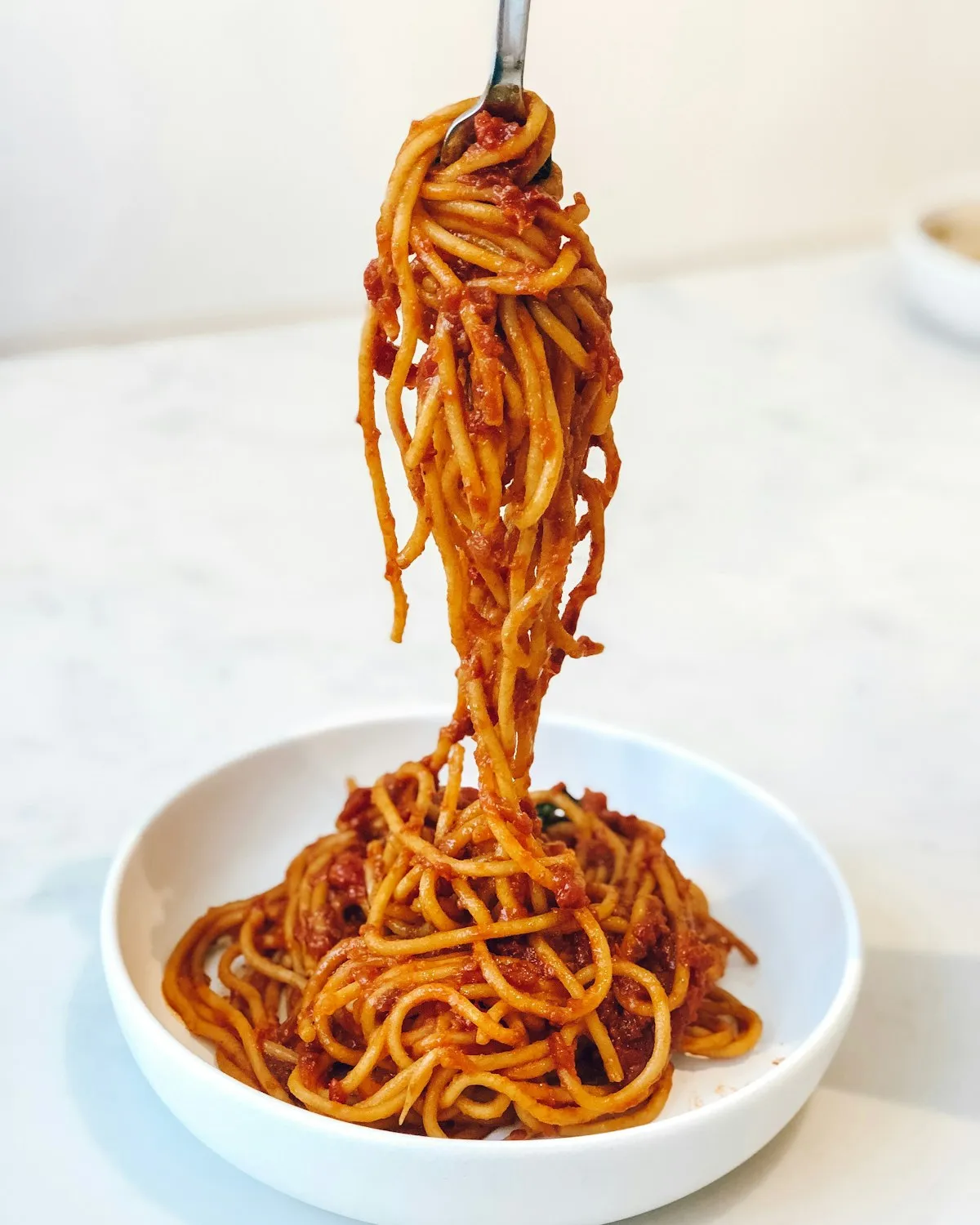
Let’s be honest: the tuna noodle casserole usually gets a bad rap as the "sad desk lunch" of the 1970s. But if you’ve been ignoring this pantry powerhouse, you’re missing out on one of the most reliable, comforting, and budget friendly recipes in my entire repertoire. It’s soulful, it’s creamy, and when you do it right, meaning, you ditch the "glop" factor, it’s actually a masterpiece of kitchen chemistry. This isn't just about opening a tin; it's about building flavor from the ground up with the stuff you already have in the cupboard.
The Starch Strategy and the Science of the Roux
The secret to a casserole that people actually want seconds of lies in the sauce. Forget the condensed "cream of whatever" cans. We are making a Béchamel, which is the "mother sauce" of French cooking, but I promise it’s not as intimidating as it sounds. It all starts with a roux, an equal-parts mixture of fat and flour.
When you cook flour in butter, you aren't just making a paste; you are coating the starch granules in fat. This is a non-negotiable step. If you add your liquid too early, the starch will clump together like a bad science project. Cook that roux until it smells slightly nutty and looks like wet sand. This ensures that when you introduce your milk, the starch molecules can expand and thicken the liquid evenly, creating a stable emulsion that won't break or become watery in the oven.
Whisk your liquid in slowly. I’m talking a literal drizzle at first. If you dump it all in at once, you’ll drop the temperature of the pan too quickly, and you’ll be chasing lumps for the next twenty minutes. Keep the heat medium-low and use a flat whisk to get into the corners of the pan. This technique creates a silky, glossy base that acts as the thermal blanket for your noodles.
Speaking of noodles, egg noodles are the superior choice here for a scientific reason. Unlike standard semolina pasta, egg noodles have a higher egg-to-flour ratio. This makes them more porous and "springy," allowing them to soak up just enough sauce to become flavorful without losing their structural integrity. Avoid overcooking them in the boiling water. Since they will undergo a secondary cooking process in the oven, you must pull them out when they are al dente, or even slightly firm. If they are soft before they hit the baking dish, they will be mush by the time the cheese melts.
Variations for the Modern Pantry
One of the reasons this remains a staple in my rotation of budget friendly recipes is its incredible versatility. Once you master the basic sauce and noodle ratio, you can pivot based on what's lurking in the back of your freezer.
If you find tuna a bit too "fishy" for your liking, swap it out for canned salmon or even shredded rotisserie chicken. The science remains the same: you need a protein that is already cooked and can withstand a short burst of high heat in the oven. For my plant-based friends, a mix of sautéed mushrooms and chickpeas provides a similar "meaty" texture and keeps the cost low.
Want to take it to another level? Add a kick of acidity. A tablespoon of Dijon mustard or a splash of lemon juice stirred into the sauce right before assembly will cut through the richness of the dairy. If you're feeling bold, a handful of chopped pickled jalapeños or a dash of hot sauce can transform this from a childhood memory into a sophisticated adult dinner.
For the topping, don't feel limited to breadcrumbs. Crushed potato chips, buttery crackers, or even cornflakes offer different crunch profiles. The key is to toss your topping in a little melted butter before sprinkling it on. This fat conducts heat better than dry air, ensuring you get that satisfying "crunch" in every bite without burning the top.
Side Dish Pairings: Balance and Brightness
Since a casserole is inherently rich, heavy, and creamy, your side dish needs to do some heavy lifting in the opposite direction. You want high acidity and high crunch to reset your palate between bites.
Avoid serving this with more carbs, no rolls or garlic bread needed here. Instead, lean into a bright arugula or spinach salad. A simple vinaigrette made with apple cider vinegar, honey, and plenty of black pepper is my go-to. The bitterness of the greens and the sharpness of the vinegar act as a perfect foil to the savory, umami-heavy tuna.
Check your crisper drawer for radishes or cucumbers. Slicing these thin and tossing them in a quick pickle (vinegar, water, sugar, salt) provides a refreshing "pop" that lightens the entire meal. If you prefer cooked veggies, go for something charred and bitter, like roasted broccoli with a heavy squeeze of lemon or sautéed kale with red pepper flakes. These pairings turn a humble bake into a balanced, nutritious meal that feels far more expensive than it actually is.
Frequently Asked Questions
Can I use canned tuna in water or oil?
Both work, but they behave differently. Tuna in oil is often more flavorful and holds its shape better, but you must drain it thoroughly to avoid making the casserole greasy. Tuna in water is leaner and more common in budget friendly recipes, but it can be a bit drier. If using water-packed tuna, make sure your sauce is plenty creamy to compensate.
Why did my casserole turn out watery?
This usually happens for two reasons: either your sauce wasn't thickened enough before assembly, or your vegetables (like frozen peas or canned mushrooms) released too much moisture. Always thaw and drain frozen veggies before adding them. Also, remember that the sauce will thin out slightly as it heats up in the oven, so make sure your Béchamel is thick enough to coat the back of a spoon before you mix it with the noodles.
Can I freeze tuna noodle casserole?
Yes, but do it before the final bake. Assemble the dish, let it cool completely, and wrap it tightly in foil and plastic wrap. When you're ready to eat, bake it directly from frozen: just add about 15-20 minutes to the total cooking time. Avoid freezing the leftovers after baking, as the noodles tend to break down and become soggy during the second reheat.
What if I don't have egg noodles?
While egg noodles are the gold standard for their texture, you can use rotini or penne in a pinch. Just be aware that these denser pastas require more sauce to stay moist, as they have more surface area and nooks to fill. Avoid long, thin pastas like spaghetti; they tend to clump together into a solid block, making it difficult to get a consistent distribution of tuna and peas.
How do I prevent the top from burning while the middle is still cold?
This is a matter of thermal mass. If you are using a deep ceramic dish, the edges will heat up much faster than the center. Start your bake with a layer of foil over the top for the first 15 minutes to trap steam and heat the center. Remove the foil for the final 10 minutes to allow the topping to crisp up and the cheese to bubble.
For more inspiration on quick family meals and easy weeknight dinners, check out our other guides at Cookpedia. Home cooking doesn't have to be expensive to be soul-warming. Focus on the technique, respect the roux, and you'll never look at a tin of tuna the same way again.