Recipe
Servings
Servings 1×
Ingredients
- Steak
- Lentils
- White beans
- Beans
- Quinoa
- Rice
- Eggs
- Potatoes
- Sweet potatoes
- Broccoli
- Carrots
- Mushrooms
- Spinach
- Greens
- Peas
- Lime
- Cream
- Salt
Method
- Prepare the ingredients described in the article and heat the cooking surface or oven as directed.
- Cook the main ingredients using the heat and timing guidance in the article.
- Finish with the seasonings and garnishes named in the article, then serve.
You’ve been there. It’s 6:00 PM, the fridge looks like a barren wasteland, and the siren song of a delivery app is calling your name. You tell yourself, "It’s only twenty bucks," but is it really? I decided to put on my math hat and dig into the cold, hard numbers of home cooking versus the convenience of takeout. The results might just make you want to put down the phone and pick up a spatula.
The Science of the Save: Why Home Cooking Wins
When you look at the math of 2026, the gap between your kitchen and the local bistro is wider than ever. On average, a home-cooked meal costs between $4 and $6 per person. Meanwhile, even a "cheap" takeout order now starts at $15 to $20 once you factor in the inevitable service fees, delivery markups, and tips. We are talking about a 285% markup just for the luxury of not doing the dishes. If you swap just three takeout nights for quick family meals at home, a family of four can save over $5,500 a year. That is a tropical vacation or a very shiny new appliance sitting in your delivery history.
But the savings aren’t just in the sticker price; they are in the science of "bulk and bloom." When you buy a bag of dried lentils or rice, the cost per calorie plummeted. This is "pantry scaling." Takeout is a one-and-done transaction. Home cooking, however, allows you to leverage leftovers. The heat-stable nature of starches and proteins means that tonight’s dinner is tomorrow’s free lunch. Furthermore, you must consider the "hidden tax" of takeout: excessive sodium and hidden fats. These aren't just bad for your beltline; they lead to the "salt-sugar-fat" cycle that keeps you craving more, essentially hijacking your brain's reward system and making you spend more in the long run.
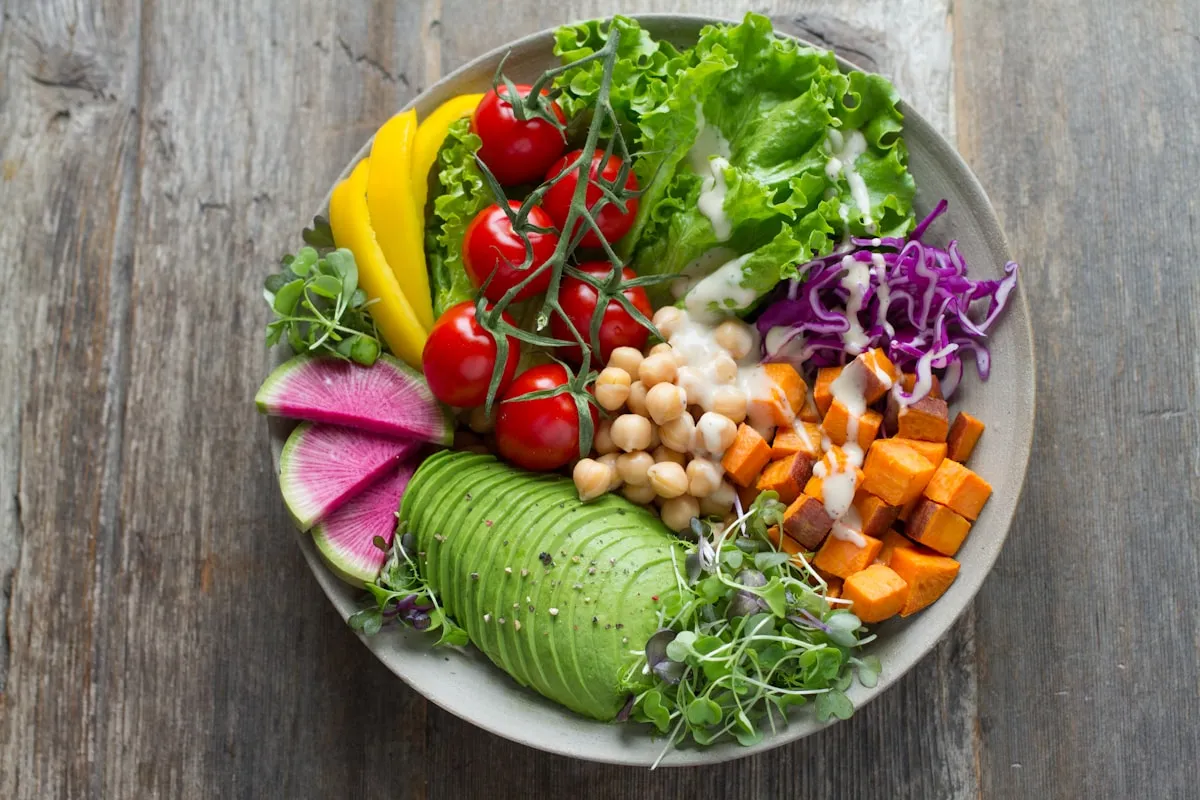
To truly master the art of budget-friendly recipes, you need to change how you shop. Stop buying ingredients for a single meal. Instead, buy components. Focus on "low-waste" vegetables like cabbage and carrots that have a long shelf life. Use your freezer as a time capsule for freshness. Frozen spinach and peas are often more nutrient-dense than their "fresh" counterparts that have sat on a truck for a week, and they cost a fraction of the price. If you’re short on time, leaning on air fryer recipes dinner options can cut your active cooking time to almost zero while keeping your energy bill lower than running a full-size oven for an hour.
Smarter Swaps: Variation Without the Price Tag
Saving money doesn't mean eating boring food. It means being a strategic substitution expert. The secret is to understand flavor profiles rather than following a script. If a recipe calls for expensive pine nuts, use toasted sunflower seeds. They provide the same fatty crunch for 10% of the cost. If you’re craving a rich, creamy sauce but don't want to spring for heavy cream, use a blended can of white beans. The starch provides that velvety mouthfeel and adds a massive hit of fiber and protein to your healthy dinner ideas.
Consider the "Protein Pivot." Instead of building every meal around a $15-per-pound steak, make eggs or legumes the star. A shakshuka or a lentil-based ragu costs pennies but offers high-impact flavor. You can also "stretch" your meat by mixing it with mushrooms or grains; this "blending" technique is a favorite of professional chefs to keep food costs down while maintaining that savory umami. Don't be afraid to try vegetarian dinner recipes twice a week; the savings on your grocery bill will be immediate and substantial.
The Art of the Side Dish: High Volume, Low Cost
A meal often feels "incomplete" without sides, which is why we end up ordering extra appetizers on the apps. You can avoid this trap by mastering high-volume, low-cost sides. Grains are your best friend here. A giant pot of jasmine rice or quinoa costs almost nothing when bought in bulk. To keep it from being dull, use the "acidity cut." A squeeze of lime or a splash of inexpensive rice vinegar can transform a plain bowl of grains into something restaurant-quality.
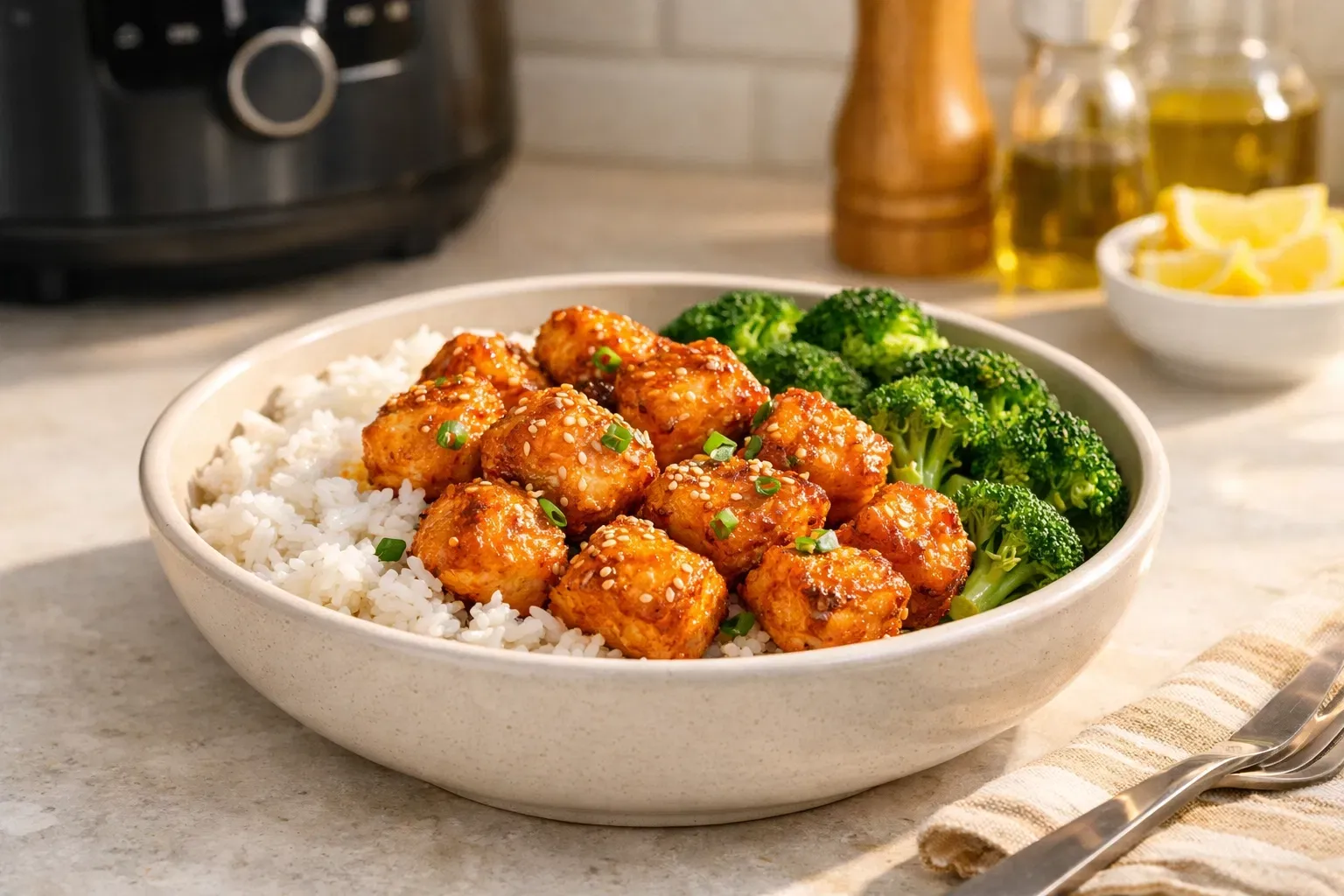
Roasted root vegetables are another non-negotiable for the budget cook. Potatoes, sweet potatoes, and carrots are incredibly cheap and, when roasted at high heat, develop a natural sweetness through caramelization. This is the Maillard reaction at work, creating complex flavor compounds without expensive spices. Always keep a bag of frozen edamame or broccoli in the freezer; they provide the necessary "green" to your healthy dinner ideas without the risk of them rotting in your crisper drawer before you can use them.
Frequently Asked Questions
Does cooking at home actually take more time than takeout?
Not necessarily. When you factor in the time spent scrolling through an app, waiting for the driver to find your house, and the inevitable "delivery delay," you’ve often spent 45 minutes. You can execute many air fryer recipes dinner or stir-fries in under 20 minutes. The key is "assembly" over "creation", keep pre-chopped veggies and quick-cooking proteins on hand.
What if I end up throwing away half my groceries?
Food waste is the biggest "hidden" cost of home cooking. To prevent this, follow the "First In, First Out" (FIFO) method used in professional kitchens. Organize your fridge so older items are at the front. Also, stop buying specialized ingredients you only need a teaspoon of. Stick to versatile basics that work across multiple cuisines.
Is organic really necessary for budget-friendly recipes?
From a strictly financial standpoint: no. If your goal is to save money vs. takeout, focus on "real food" first. Conventional produce is still significantly healthier and cheaper than a processed takeout burger. If you are worried about pesticides, consult the "Clean Fifteen" list and only buy the "Dirty Dozen" in organic form when they are on sale.
Why does my home-cooked food never taste as good as takeout?
You are probably under-salting and under-acidifying. Restaurants use high heat, plenty of salt, and a splash of acid (vinegar or citrus) at the very end to "brighten" the dish. Use these techniques at home. Also, don't forget the power of texture; adding something crunchy like toasted breadcrumbs or nuts can make quick family meals feel much more satisfying.
How do I manage cooking when I'm exhausted after work?
This is where "batch cooking" becomes your savior. On a day when you have energy, cook a double or triple portion of a casserole or soup. Freeze individual portions. On your most exhausted days, your "takeout" is just a three-minute trip to the microwave. It’s faster, cheaper, and tastes better than a soggy delivery fries.
{“@type”:”BlogPosting”,”image”:”https://cdn.marblism.com/I7a0dvpsDPa.webp”,”author”:{“name”:”Penny”,”@type”:”Person”},”@context”:”https://schema.org”,”headline”:”Budget-Friendly vs. Takeout: Which Actually Saves You More Money? We Did the Math”,”publisher”:{“logo”:{“url”:”https://cookpedia.com/logo.png”,”@type”:”ImageObject”},”name”:”Cookpedia”,”@type”:”Organization”},”mainEntity”:[{“name”:”Does cooking at home actually take more time than takeout?”,”@type”:”Question”,”acceptedAnswer”:{“text”:”Not necessarily. When you factor in the time spent scrolling through an app and waiting for delivery, home cooking often takes less than 20-30 minutes for many recipes.”,”@type”:”Answer”}},{“name”:”How much can a family save by cooking at home?”,”@type”:”Question”,”acceptedAnswer”:{“text”:”A family of four swapping just three takeout nights for home-cooked meals can save over $5,500 per year based on 2026 cost averages.”,”@type”:”Answer”}}],”description”:”Discover the real math behind home cooking vs takeout in 2026. Learn how budget-friendly recipes can save you thousands annually while improving your health.”,”datePublished”:”2026-07-15″,”mainEntityOfPage”:{“@id”:”https://cookpedia.com/budget-friendly-vs-takeout-math”,”@type”:”WebPage”}}