Recipe
Servings
4 1×
Serves 4Prep 8 minCook 12 minTotal 20 min
Ingredients
- 340 g (12 oz) dried fettuccine
- 1 tablespoon kosher salt, for the pasta water
- 113 g (½ cup) unsalted butter, cut into cubes
- 360 ml (1½ cups) heavy cream
- 2 garlic cloves, finely minced, optional
- 150 g (about 1½ cups) freshly grated Parmesan or Parmigiano-Reggiano
- ¼ to 1 cup reserved pasta water, as required
- Freshly ground black pepper, to taste
- Additional Parmesan, for serving
- Chopped flat-leaf parsley, optional
Method
- Boil the water. Bring a large pot of water to a full boil. Add the kosher salt. The water should be adequately seasoned before the pasta is added.
- Cook the fettuccine. Add the fettuccine and cook according to the package instructions until al dente. Stir during the first minute to prevent the strands from sticking together.
- Reserve the pasta water. Before draining, remove at least 1 to 1½ cups of the cooking water. This water contains starch that helps emulsify the sauce and adjust its consistency.
- Melt the butter. While the pasta cooks, place a large skillet over medium heat. Add the cubed butter and allow it to melt. If using garlic, add it and cook for 30 to 60 seconds. Do not brown the garlic.
- Add the cream. Pour the heavy cream into the skillet. Bring the mixture to a gentle simmer and cook for 2 to 3 minutes, stirring occasionally. The cream should become slightly thicker but should not be allowed to boil aggressively.
- Add the cheese gradually. Reduce the heat to low or remove the skillet from the heat. Add the grated Parmesan in small handfuls, whisking after each addition until fully melted. Continue until the sauce is smooth.
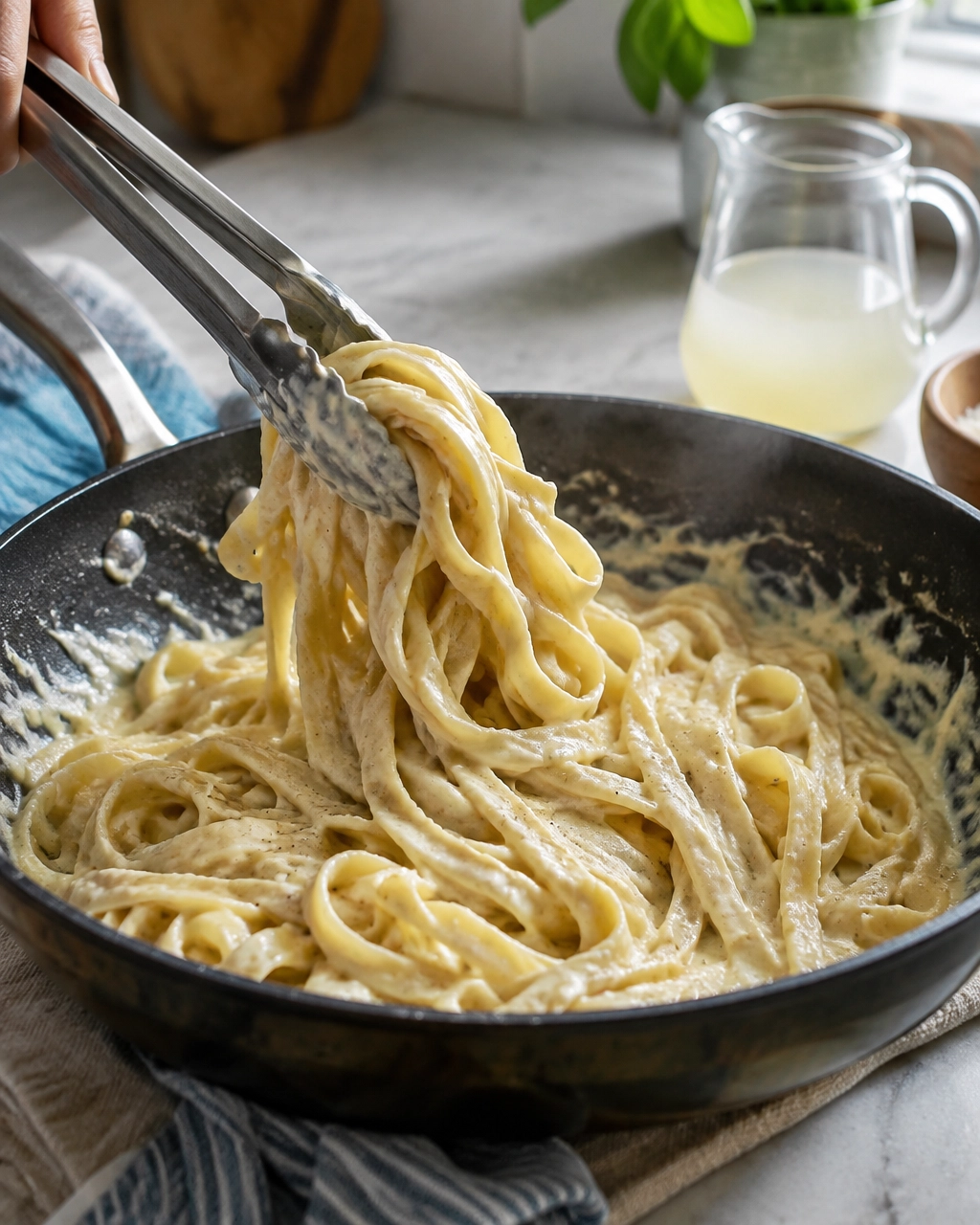
- Combine the pasta and sauce. Add the drained fettuccine directly to the skillet. Toss with tongs until the pasta is evenly coated.
- Adjust the consistency. Add reserved pasta water 2 tablespoons at a time while tossing. Stop when the sauce is glossy and coats the noodles without pooling heavily in the pan.
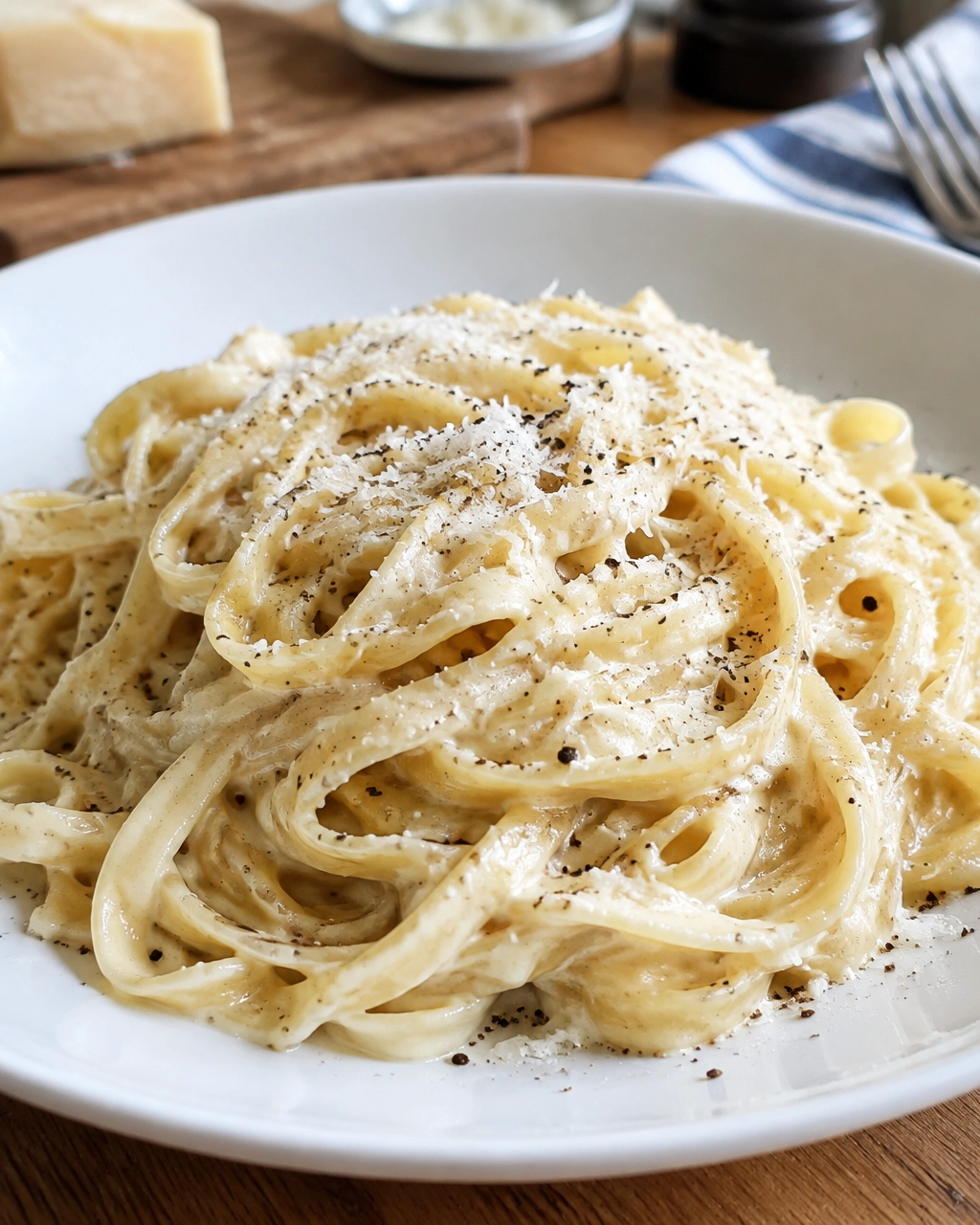
- Season and serve. Taste the pasta. Add black pepper and additional salt only if required. Serve immediately with extra Parmesan. Parsley may be added as a garnish.
Classic Fettuccine Alfredo (Easy 20-Minute Recipe)
# Definition
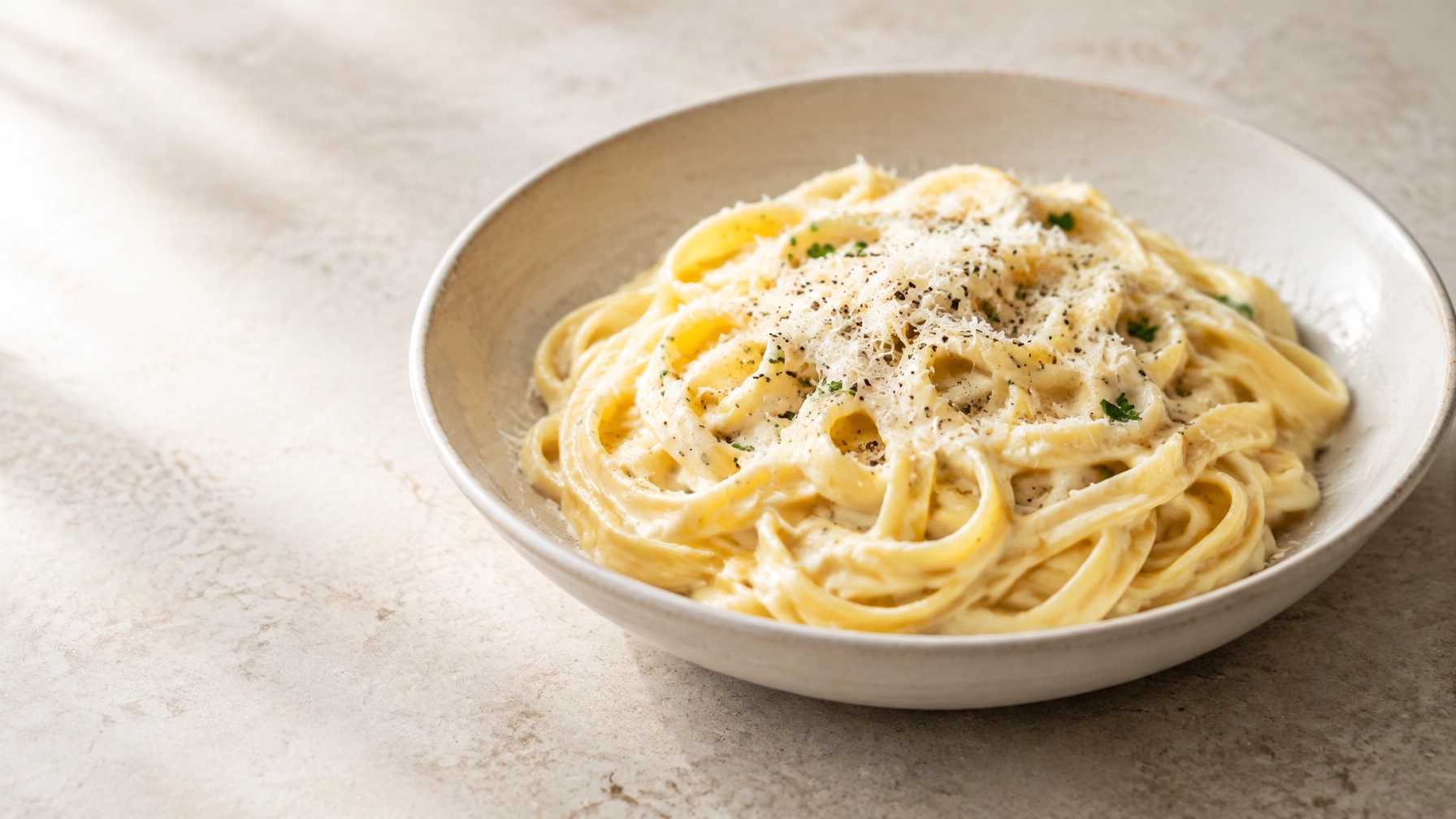
Alfredo (noun): a pasta preparation consisting of fettuccine coated in a butter-and-cheese sauce, commonly prepared with cream in modern versions.
This classic fettuccine Alfredo recipe is rich, simple, and ready in 20 minutes. The sauce uses butter, heavy cream, freshly grated Parmesan, and reserved pasta water to create a smooth coating that clings to every strand of pasta.
The original Roman preparation associated with Alfredo di Lelio used butter and Parmesan without cream. The cream-based version became widely established in American restaurants and home kitchens. Both preparations depend on the same administrative requirement: control the heat, add the cheese gradually, and reserve the pasta water.
Freshly grated Parmigiano-Reggiano is recommended. Pre-grated cheese may contain anti-caking agents that prevent the sauce from melting smoothly.
# Recipe
Servings: 4
Prep time: 8 minutes
Cook time: 12 minutes
Total time: 20 minutes
Category: Pasta
Method: Stovetop
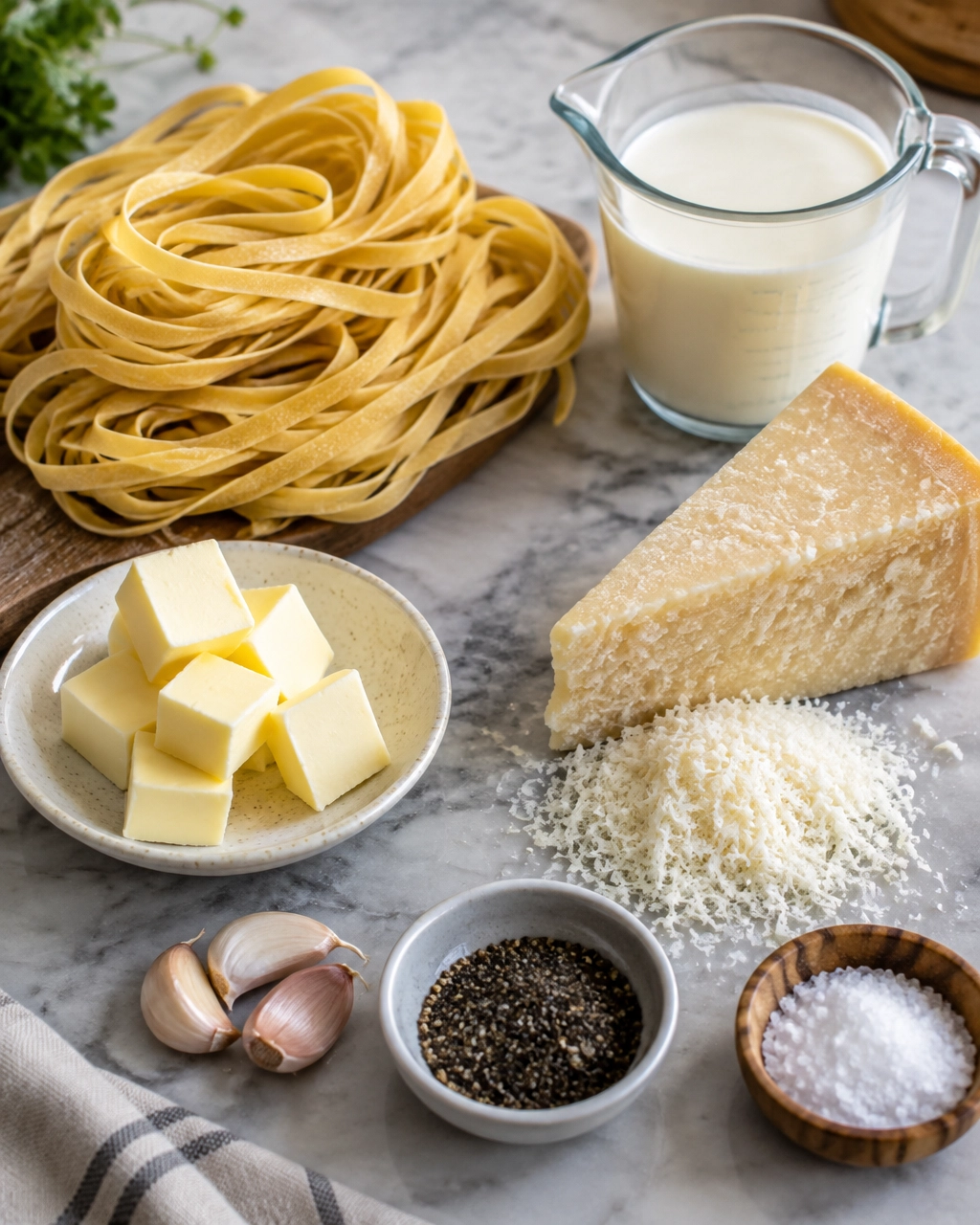
Ingredients
- 340 g (12 oz) dried fettuccine
- 1 tablespoon kosher salt, for the pasta water
- 113 g (½ cup) unsalted butter, cut into cubes
- 360 ml (1½ cups) heavy cream
- 2 garlic cloves, finely minced, optional
- 150 g (about 1½ cups) freshly grated Parmesan or Parmigiano-Reggiano
- ¼ to 1 cup reserved pasta water, as required
- Freshly ground black pepper, to taste
- Additional Parmesan, for serving
- Chopped flat-leaf parsley, optional
Method
Boil the water.
Bring a large pot of water to a full boil. Add the kosher salt. The water should be adequately seasoned before the pasta is added.Cook the fettuccine.
Add the fettuccine and cook according to the package instructions until al dente. Stir during the first minute to prevent the strands from sticking together.Reserve the pasta water.
Before draining, remove at least 1 to 1½ cups of the cooking water. This water contains starch that helps emulsify the sauce and adjust its consistency.Melt the butter.
While the pasta cooks, place a large skillet over medium heat. Add the cubed butter and allow it to melt. If using garlic, add it and cook for 30 to 60 seconds. Do not brown the garlic.Add the cream.
Pour the heavy cream into the skillet. Bring the mixture to a gentle simmer and cook for 2 to 3 minutes, stirring occasionally. The cream should become slightly thicker but should not be allowed to boil aggressively.Add the cheese gradually.
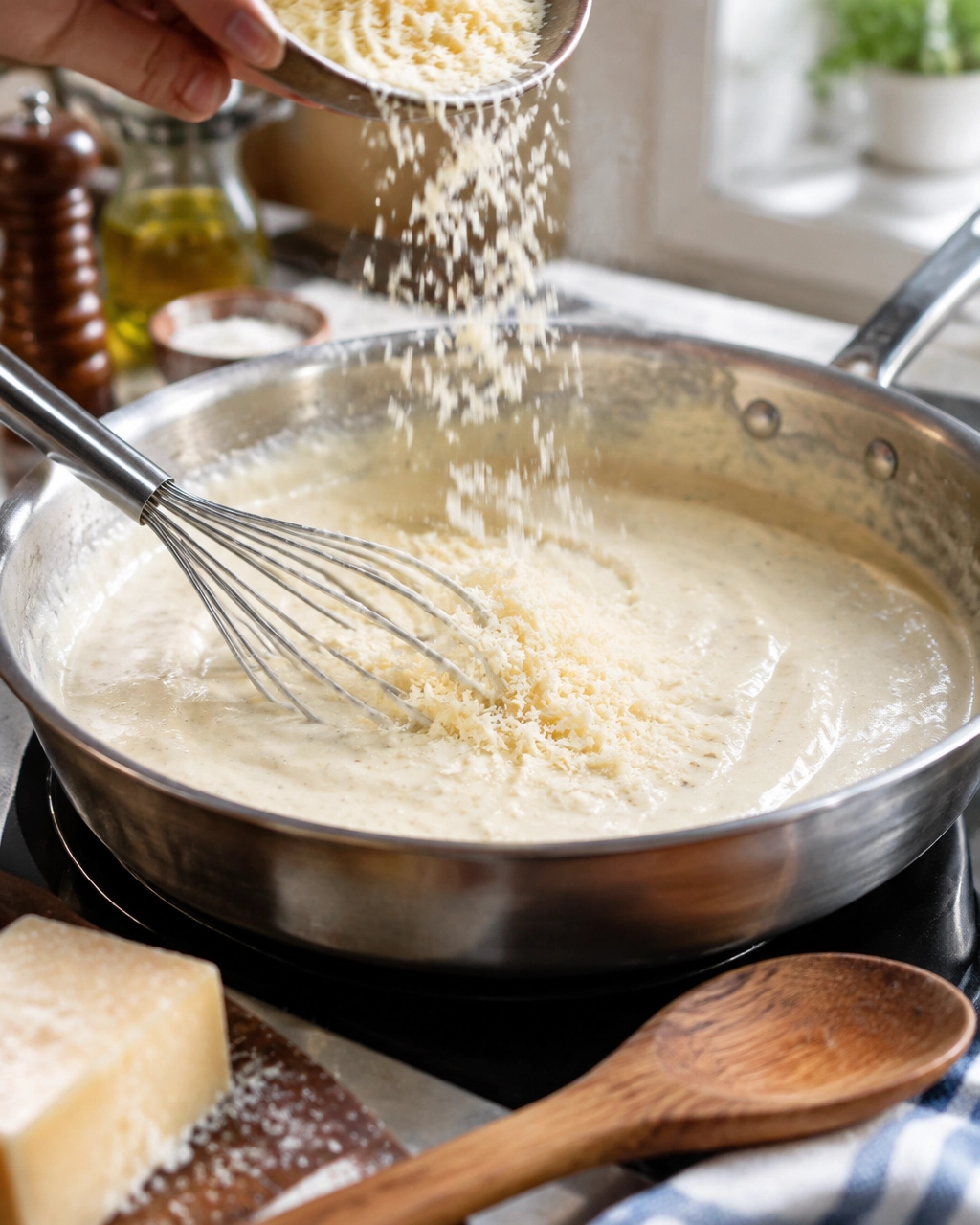
Reduce the heat to low or remove the skillet from the heat. Add the grated Parmesan in small handfuls, whisking after each addition until fully melted. Continue until the sauce is smooth.
Combine the pasta and sauce.
Add the drained fettuccine directly to the skillet. Toss with tongs until the pasta is evenly coated.Adjust the consistency.
Add reserved pasta water 2 tablespoons at a time while tossing. Stop when the sauce is glossy and coats the noodles without pooling heavily in the pan.
- Season and serve.
Taste the pasta. Add black pepper and additional salt only if required. Serve immediately with extra Parmesan. Parsley may be added as a garnish.
# Control
The sauce should remain warm but should not boil after the Parmesan is added. Excessive heat can cause the dairy and cheese to separate, producing an oily or grainy result.
If the sauce becomes too thick, add more pasta water. If it becomes too loose, continue tossing over low heat for 30 to 60 seconds. The pasta will continue to absorb liquid after it leaves the pan, so serve without unnecessary delay.
Use a wide skillet rather than a small saucepan. A wide surface provides enough room to toss the pasta and distribute the sauce evenly.
For the most consistent result:
- Grate the cheese finely.
- Add the cheese away from high heat.
- Use pasta water before adding extra cream.
- Do not rinse the cooked pasta.
- Serve immediately after combining.
- Use a wedge of Parmesan or Parmigiano-Reggiano rather than shelf-stable powdered cheese.
# Variations
Chicken Alfredo
Add 450 g (1 lb) boneless, skinless chicken breast or thighs. Season, cook separately until the internal temperature reaches 74°C (165°F), slice, and add to the finished pasta.
Broccoli Alfredo
Add broccoli florets to the pasta pot during the final 3 minutes of cooking. Drain the broccoli and pasta together, then continue with the sauce method.
Mushroom Alfredo
Cook sliced mushrooms in a separate skillet with a small amount of butter until browned and tender. Add them to the pasta immediately before serving.
No-cream Alfredo
For a closer approximation of the original Roman style, omit the cream and garlic. Toss the hot fettuccine with butter, Parmesan, and enough reserved pasta water to form a smooth emulsion. The technique is more dependent on vigorous tossing and controlled heat. See this traditional-style Alfredo method for additional background.
Lighter Alfredo
Replace part of the heavy cream with reserved pasta water. The resulting sauce will be less rich but will retain a creamy texture when the cheese and butter are properly emulsified.
# Storage
Fettuccine Alfredo is best served immediately. If leftovers remain, transfer them to a covered container and refrigerate within two hours.
For food-safety compliance, consume refrigerated leftovers within 3 to 4 days. Reheat gently in a skillet over low heat with 1 to 2 tablespoons of water, milk, or cream. Stir frequently. Microwave reheating may cause the sauce to separate.
Freezing is not recommended because the cream and cheese may become grainy after thawing.
# FAQ
Can I make fettuccine Alfredo without heavy cream?
Yes. Use butter, Parmesan, and starchy pasta water to create a cream-free sauce. Add the pasta water gradually while tossing until the mixture becomes smooth and glossy.
Why is my Alfredo sauce grainy?
The cheese may have been added over excessive heat, or it may not have been freshly grated. Remove the pan from the heat before adding Parmesan and incorporate it gradually. Avoid boiling the sauce after the cheese is added.
Can I use pre-shredded Parmesan?
Freshly grated Parmesan is preferred. Pre-shredded cheese can contain anti-caking ingredients that affect melting and may result in a rough texture.
How do I thicken Alfredo sauce?
Continue tossing the pasta with the sauce over low heat. The starch from the pasta and reserved cooking water will help the sauce thicken. Additional Parmesan can also increase thickness, but add it carefully to prevent a heavy or clumpy sauce.
How do I thin Alfredo sauce?
Add reserved pasta water one or two tablespoons at a time. Toss thoroughly after each addition. Do not add a large amount at once.
Can I prepare the sauce in advance?
The sauce is technically suitable for advance preparation, but quality is highest when it is made and served immediately. If preparation is necessary, reheat it gently and add a small amount of warm cream or pasta water before combining with the pasta.
What should I serve with fettuccine Alfredo?
A green salad, steamed broccoli, roasted asparagus, or garlic bread provides contrast to the rich pasta. Keep accompanying dishes lightly seasoned.
For another established version of the dish, consult The Spruce Eats’ fettuccine Alfredo recipe or Mueller’s classic pasta preparation.