Recipe
Servings
Servings 1×
Ingredients
- Shrimp
- Noodles
- Potatoes
- Zucchini
- Garlic
- Lemon
- Cream
- Hard cheese
- Butter
- Cooking oil
- Chili seasoning
- Salt
Method
- Let’s dive into the mechanics of making a restaurant-quality meal in under twenty minutes.
- Pat your shrimp dry with paper towels until they are bone-dry.
- Use a heavy skillet: cast iron or thick stainless steel: which acts as a thermal battery, maintaining high heat even when the cold shrimp hit the surface.
When you’re looking for quick family meals that don't compromise on nutritional density or flavor complexity, the skillet is your best friend. This recipe isn't just about throwing ingredients into a pan; it’s an exercise in moisture management and heat control. We’re taking the delicate, protein-rich profile of shrimp and pairing it with the high-hydration structure of zucchini. By the time you finish reading this, you’ll understand the physics of the perfect sear and why your previous "zoodles" might have ended up as a soggy puddle. Let’s dive into the mechanics of making a restaurant-quality meal in under twenty minutes.
The Science of the Perfect Sear and Squeeze
The biggest challenge with this dish is managing two very different thermodynamic profiles. Shrimp require high, dry heat to achieve the Maillard reaction: that magical chemical transformation where amino acids and reducing sugars create new flavor compounds and a beautiful brown crust. Zucchini, on the other hand, is nearly 95% water. If you cook them together from the start, the zucchini will dump its moisture, dropping the pan temperature and steaming your shrimp into rubbery, gray rings of disappointment.
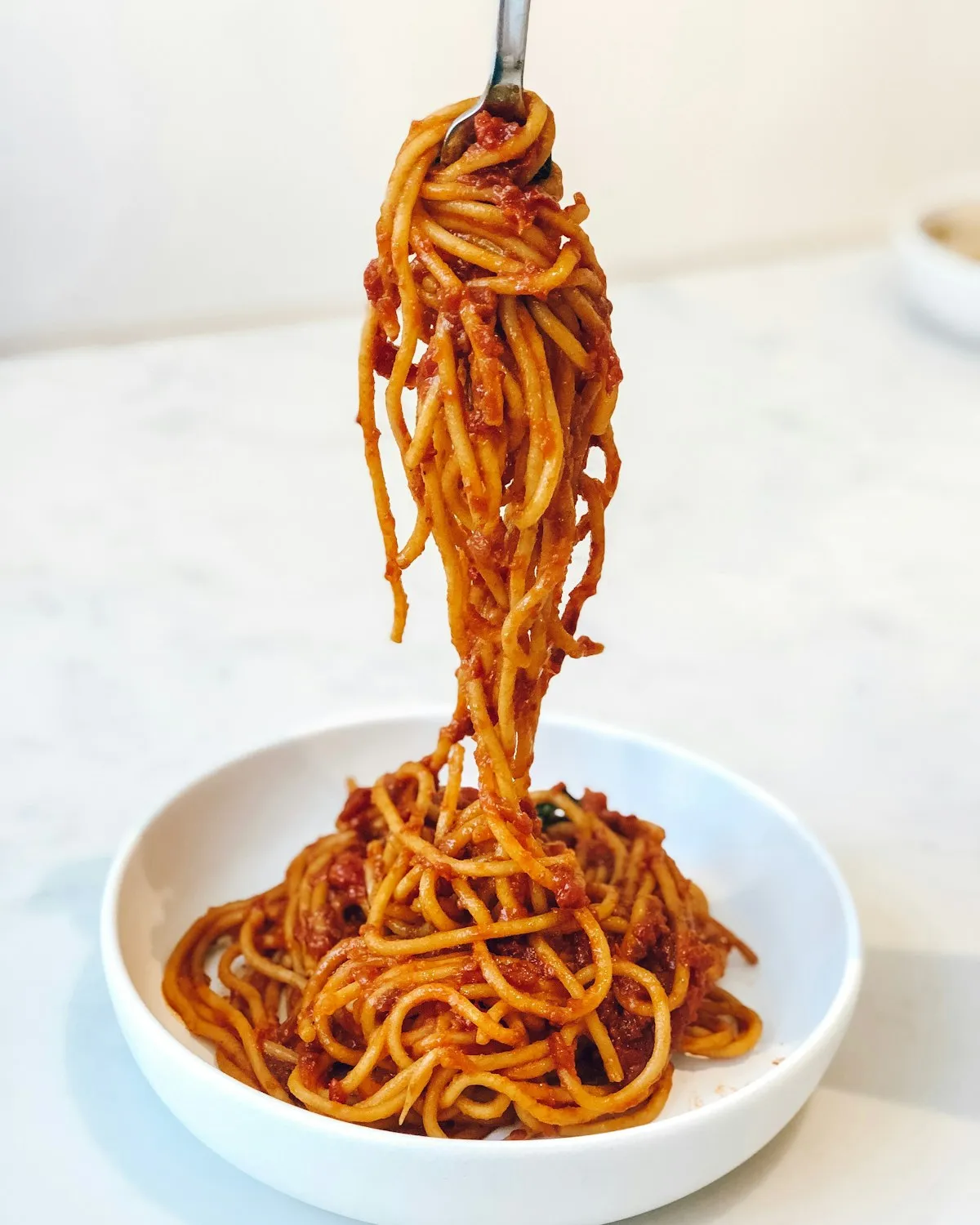
Maximizing the Maillard Reaction
Pat your shrimp dry with paper towels until they are bone-dry. Any surface moisture will absorb thermal energy to evaporate before browning can even begin. Use a heavy skillet: cast iron or thick stainless steel: which acts as a thermal battery, maintaining high heat even when the cold shrimp hit the surface. Lay them in a single layer and leave them alone. Avoid the urge to stir; you need that sustained contact for the crust to develop. Once you see that golden-brown edge, flip them once and pull them out immediately. They should be just opaque; they’ll finish in the residual heat later.
Mastering Osmotic Pressure
Zucchini noodles, or zoodles, are notorious for releasing liquid the moment they hit the heat. This is due to osmosis. When you add salt, it draws water out of the plant cells. You have two tactical choices here. First, you can pre-salt your zoodles in a colander for 15 minutes, then squeeze them in a clean kitchen towel. This physically removes the excess "soup" before it ever hits your pan.
Alternatively, if you’re in a rush for healthy dinner ideas, use the "flash-sear" method. Skip the pre-salting and cook the zoodles in a wide pan over high heat for no more than three minutes. Do not put a lid on the pan; you want that steam to escape into the air, not condense back into your dinner. Salt only at the very last second before serving to keep the cell walls as intact as possible.
The Garlic-Butter Emulsion
The sauce for this dish isn't just melted fat; it's a loose emulsion. When you deglaze the pan with lemon juice or a splash of white wine, you’re lifting the fond: those flavorful browned bits left by the shrimp. By whisking in cold butter over low heat, the milk solids act as an emulsifier, binding the fat and the acid into a glossy coating that clings to the noodles. This is the same principle I discuss in my guide on achieving the perfect glossy sauce.
Technical Variations for Flavor Optimization
Once you’ve mastered the core mechanics, you can start tweaking the variables to suit your palate. The base of garlic and butter is a blank canvas for chemical and aromatic layering.
- The Scampi Modification: Increase the acidity by doubling the lemon juice and adding a tablespoon of cold-pressed extra virgin olive oil at the very end. The polyphenols in the oil add a peppery finish that cuts through the richness of the butter.
- The Spicy Umami Variant: Add red chili flakes and a teaspoon of anchovy paste to the garlic while it’s sautéing. The anchovy will dissolve completely, providing a deep glutamic backbone without tasting "fishy."
- The Creamy Precision: If you prefer a richer mouthfeel, stir in two tablespoons of heavy cream and a handful of finely grated Parmesan. The cheese acts as a secondary thickener, creating a stable sauce that stands up well if you’re pairing this with heavier air fryer recipes dinner options like roasted potatoes.
Side Dish Pairings: Balancing Acidity and Texture
This dish is light and vibrant, so your side dishes should either provide a textural contrast or a way to mop up the emulsified butter sauce.
- Crusty Sourdough: The lactic acid in sourdough provides a sharp contrast to the sweet shrimp. Use it as a vessel for the garlic butter remaining at the bottom of the bowl.
- Arugula and Fennel Salad: A simple salad of baby arugula and shaved fennel with a light vinaigrette provides a peppery, crisp bite. This helps cleanse the palate between bites of the rich, buttery noodles.
- Roasted Broccolini: For a full-spectrum healthy dinner ideas plate, serve with charred broccolini. The slightly bitter notes of the charred brassica balance the sweetness of the zucchini.
Frequently Asked Questions
Why did my shrimp turn out tough and rubbery?
This is almost always a result of over-denaturing the proteins. Shrimp are small and have very little connective tissue; they cook extremely fast. When you see them curl into a tight "C" shape, they are done. If they curl into an "O," they are overcooked. Pull them from the heat the moment they turn opaque and lose their translucency. Remember, carryover cooking will finish the job.
Can I use frozen shrimp for this?
Absolutely, but with a caveat: you must thaw them completely and dry them even more thoroughly than fresh ones. Frozen shrimp are often treated with sodium tripolyphosphate to retain moisture, which can lead to a "soapy" texture and excess water in the pan. Rinse them well after thawing to remove any residual treatment.
How do I stop the garlic from burning?
Garlic has a high sugar content and very little water, meaning it burns at a much lower temperature than the shrimp. Avoid adding minced garlic at the very beginning of the sear. Instead, add it during the last 30–60 seconds of the shrimp's cook time, or add it to the pan after you’ve removed the shrimp and lowered the heat to medium.
My "zoodles" are still watery even after squeezing. What happened?
If you are using a very small pan, the steam is getting trapped between the noodles, causing them to boil in their own juices rather than sear. Use the largest skillet you have to maximize the surface area. Also, ensure your heat is high enough. You want to hear a distinct sizzle the moment the zucchini hits the metal.
Is this dish suitable for meal prep?
Zucchini noodles do not hold up well to reheating; they become increasingly mushy as the cell walls continue to break down. If you want to prep this for quick family meals, I recommend prepping the shrimp and the sauce, then spiralizing and flash-cooking the zucchini fresh right before you eat. It only takes three minutes, and the texture difference is worth the extra effort. For other meal prep ideas that store better, check out my air fryer sausage and pepper medley.