Recipe
Servings
Servings 1×
Ingredients
- Chicken
- Shrimp
- Tortellini
- Pasta
- Greek yogurt
- Bread
- Broccoli
- Asparagus
- Mushrooms
- Spinach
- Tomatoes
- Garlic
- Lemon
- Pesto
- Coconut milk
- Cream
- Cooking oil
- Salt
Method
- Let’s be honest: some nights, the thought of standing over a stove for an hour feels less like “self-care” and more like a chore you’d pay someone to take off your hands.
- Use a wide skillet rather than a deep pot for the sauce.
- Use a wooden spoon to gently press on them; if they resist, give them another minute.
- Keep the heat at a gentle simmer.
- Add the pesto at the very end to preserve that fresh, herbaceous punch that makes this one of the best simple pasta recipes in your rotation.
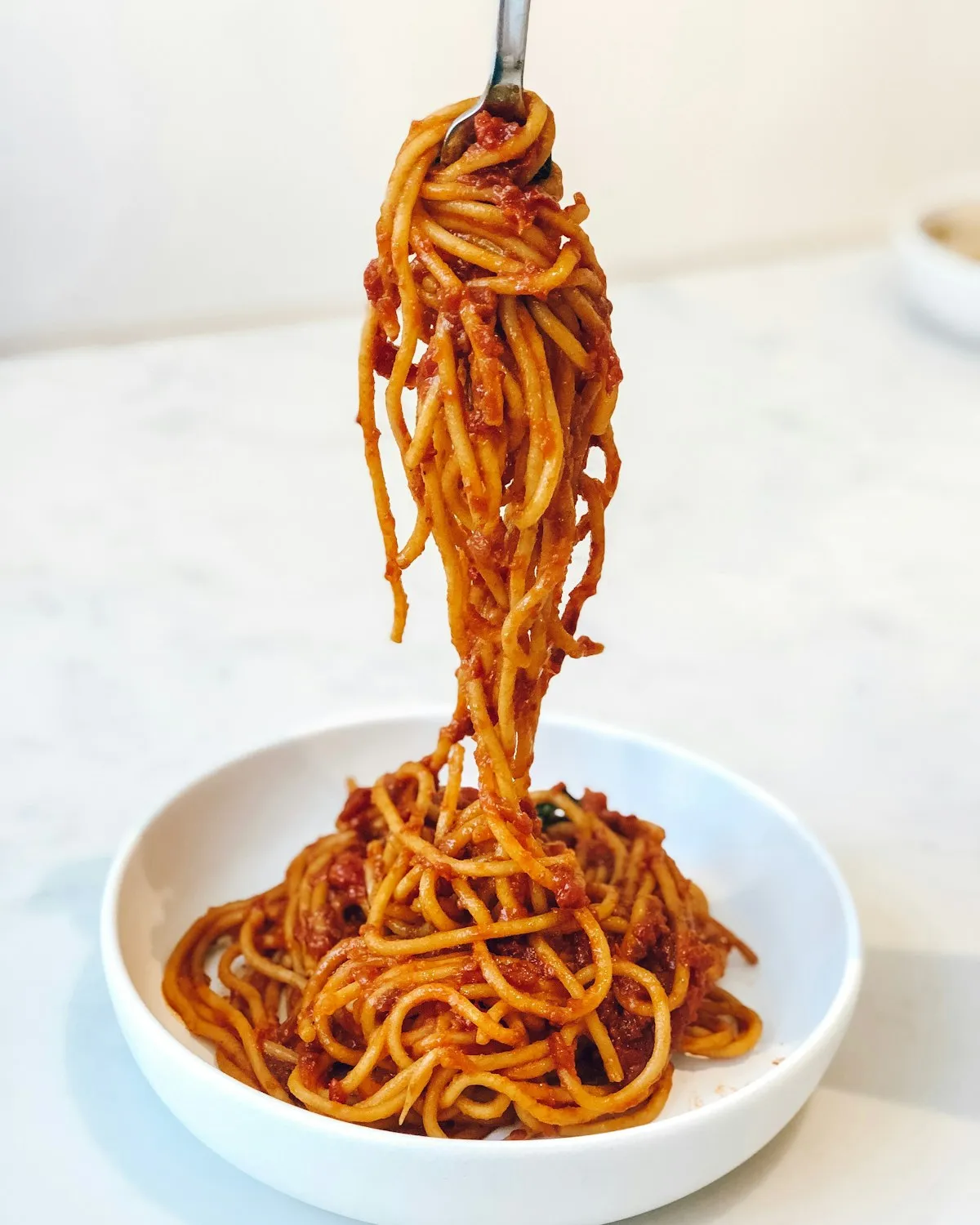
Let’s be honest: some nights, the thought of standing over a stove for an hour feels less like “self-care” and more like a chore you’d pay someone to take off your hands. This is exactly why I keep a secret weapon in my fridge. This 15-minute Creamy Pesto Tortellini is the ultimate solution for those chaotic evenings when you need something that tastes like a five-star bistro dish but requires the effort of making toast. It is one of those simple pasta recipes that proves you don't need a culinary degree to put a soul-warming meal on the table.
The Science of the 15-Minute Emulsion
When you are aiming for quick family meals, the magic isn't in the quantity of ingredients, but in how those ingredients interact. The backbone of this dish is the emulsion, the harmonious marriage of fat and water. When you combine store-bought pesto (which is heavy on olive oil and pine nut fats) with heavy cream, you are creating a complex fat structure. However, the real secret to a restaurant-quality sauce is the starchy pasta water.
Never dump your pasta water down the drain. Think of it as liquid gold. As the tortellini cooks, it releases amylose and amylopectin (starches) into the water. When you add a splash of this cloudy water to your pesto and cream, these starches act as a bridge, binding the fats and liquids together. This prevents your sauce from "breaking" or looking oily. It creates a silky, velvet-like coating that clings to every curve of the tortellini rather than pooling at the bottom of your bowl.
Technique matters just as much as science. Use a wide skillet rather than a deep pot for the sauce. A wider surface area allows for faster evaporation and better heat distribution when you’re dealing with the cherry tomatoes. Sauté the tomatoes until they reach the "burst point." This is where the cellular structure of the tomato skin breaks down under heat, and the internal sugars, glucose and fructose, begin to caramelize.
This is essentially a localized Maillard reaction. By letting the tomatoes burst in the pan, you release their natural acidity and sweetness into the oil, which provides a sharp contrast to the rich, earthy basil in the pesto. Use a wooden spoon to gently press on them; if they resist, give them another minute. Avoid over-stirring, or you'll end up with a mushy sauce rather than a vibrant one with distinct pops of flavor.
Lastly, respect the temperature. Pesto is a delicate sauce because basil is sensitive to high heat. If you boil pesto, the vibrant green turns to a muddy brown, and the volatile aromatic oils dissipate. Keep the heat at a gentle simmer. Add the pesto at the very end to preserve that fresh, herbaceous punch that makes this one of the best simple pasta recipes in your rotation.
Flavor Variations and Balancing Act
While the classic cheese tortellini and basil pesto combo is hard to beat, you can easily pivot based on what’s in your pantry. If you want more healthy dinner ideas, consider swapping the heavy cream for a splash of full-fat coconut milk or even a dollop of Greek yogurt (added off the heat to prevent curdling). The yogurt adds a probiotic tang that cuts through the richness of the pesto beautifully.
For those who crave more protein, sliced chicken breast or sautéed shrimp are natural partners. However, if you add protein, ensure you season it separately before it hits the pasta. Balance is the name of the game here. If your sauce feels too heavy, introduce a hit of acidity. A squeeze of fresh lemon juice or a teaspoon of lemon zest right before serving will brighten the entire dish. The citric acid interacts with the fats, making the sauce feel lighter on the palate.
You can also experiment with the pasta itself. Spinach and ricotta tortellini provide an extra layer of earthy flavor, while mushroom-filled tortellini can lean into a more savory, umami profile. If you have extra time, toasted pine nuts or a handful of toasted panko breadcrumbs on top can provide a much-needed textural contrast to the soft pasta.
The Perfect Side Dish Pairings
Because this tortellini is rich and creamy, you want a side dish that offers high acidity and a bit of crunch. A simple arugula salad with a lemon-vinaigrette is my go-to choice. Arugula’s natural peppiness stands up well against the garlic in the pesto, and the vinegar helps cleanse your palate between bites of the decadent pasta.
If you are looking for something warm, roasted broccoli or asparagus works wonders. In fact, if you’re already making air fryer recipes dinner earlier in the week, you can quickly toss some broccoli florets in the air fryer with salt, pepper, and red pepper flakes for 8 minutes. The charred, crispy edges of the vegetables provide a fantastic "snap" that complements the soft, pillowy tortellini. Always aim for a side that provides a different texture; if the main is soft and creamy, the side should be crisp and bright.
Frequently Asked Questions
Can I use frozen tortellini instead of refrigerated?
Yes, but you need to adjust your timing. Refrigerated tortellini is fresh and cooks in about 2–3 minutes. Frozen tortellini takes 5–7 minutes. Do not thaw them before cooking; drop them directly into the boiling water from the freezer. If you thaw them, they often become gummy and lose their structural integrity, which leads to a messy plate.
Why did my pesto sauce turn brown?
This usually happens for two reasons: heat or oxidation. Basil is incredibly sensitive. If you boil the sauce for too long, the heat destroys the chlorophyll. To keep it bright green, stir the pesto in at the very end of the process, just before you toss in the pasta. If you’re saving leftovers, the top layer might brown due to air exposure. A thin layer of olive oil on top before refrigerating can help act as a seal.
Is this recipe suitable for meal prep?
Pasta with cream sauce is always best fresh, but you can certainly reheat it. The trick is to add a tiny splash of water or milk before microwaving. This re-hydrates the starch-thickened sauce and brings back that creamy consistency. Without the extra moisture, the pasta will soak up all the sauce, leaving you with a dry, clumpy meal.
How can I make this into one of those "healthy dinner ideas" I keep hearing about?
To lean into a healthier profile, increase the ratio of tomatoes to pasta. Use two pints of cherry tomatoes instead of one, and let them create more of a "natural" sauce base. You can also toss in a few handfuls of fresh baby spinach at the very end; the residual heat will wilt it in seconds, adding fiber and iron without requiring any extra cooking time.
Can I use milk instead of heavy cream?
You can, but the sauce will be significantly thinner. Heavy cream has a higher fat content (around 36%), which allows it to thicken and emulsify quickly. If you use 2% or whole milk, you may need to whisk in a teaspoon of cornstarch or flour to get it to a coating consistency. Be careful not to boil it too hard, as lower-fat milks are more prone to curdling when mixed with acidic ingredients like tomatoes or lemon.
What’s the best way to store leftovers?
Place the cooled pasta in an airtight container for up to 3 days. I don't recommend freezing this specific dish; the cream and pesto emulsion often separates when frozen and thawed, resulting in a grainy texture that isn't particularly pleasant. Stick to the fridge and enjoy it for a quick lunch the next day.
Looking for more quick family meals to add to your weekly rotation? Check out our guide on 15-minute Thai stir-fry or explore our library of hearty one-pot dinners. Cooking doesn't have to be complicated to be soulful; it just takes a few smart tricks and the right ingredients. Happy cooking!