Recipe
Servings
Servings 1×
Ingredients
- Pasta
- Noodles
- Mushrooms
- Garlic
- Cooking oil
- Salt
Method
- Prepare the ingredients described in the article and heat the cooking surface or oven as directed.
- Cook the main ingredients using the heat and timing guidance in the article.
- Finish with the seasonings and garnishes named in the article, then serve.
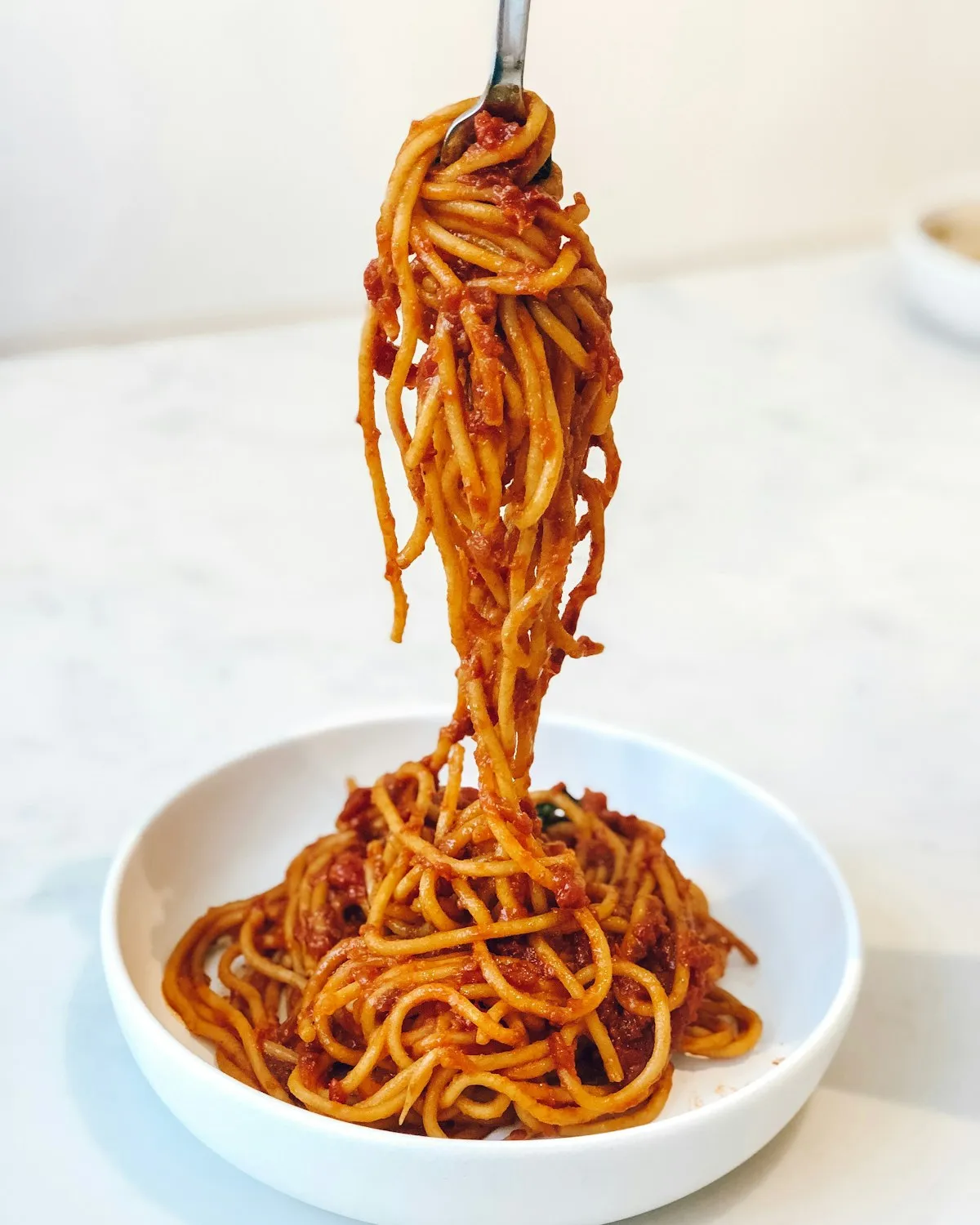
If you’re anything like me, your favorite part of cooking isn't exactly the pile of dishes waiting in the sink afterward. There is something profoundly satisfying about creating a meal that feels like a warm hug but only requires a single pot to execute. This creamy mushroom pasta is exactly that: a soul-soothing, earthy, and decadent dinner that relies on a few smart techniques to turn humble ingredients into a restaurant-quality experience. When you're hunting for simple pasta recipes that don't skimp on flavor, this one-pot wonder is going to be your new weeknight obsession.
The Science of Flavor and Starch
Cooking everything in one pot isn't just a shortcut for the lazy (though I fully embrace that perk); it’s actually a superior way to build a sauce. When you boil pasta in a giant vat of salted water and drain it, you are literally pouring "liquid gold" down the drain. That cloudy water is packed with starch. In this recipe, we keep every single molecule of that starch right where it belongs: in the pot. As the pasta simmers directly in the cooking liquid, it releases its starches, which act as a natural emulsifier. This creates a thick, silky base that clings to the noodles in a way a separate sauce never could. It’s the difference between a sauce that sits on top of the pasta and a sauce that becomes part of the pasta.
Before you even think about adding liquid, however, you have to talk about the mushrooms. Mushrooms are roughly 80% to 90% water. If you crowd them in a pot and add liquid too early, they’ll simply boil and turn into rubbery, grey sponges. To avoid this, you must master the Maillard reaction. This is the chemical reaction between amino acids and reducing sugars that gives browned food its distinctive flavor. Use a wide pot and sauté your mushrooms in a bit of fat over medium-high heat. Do not salt them immediately! Salt draws out moisture, which will cause them to steam. Let them sit undisturbed for a few minutes until they develop a deep, golden-brown crust. This browning is where the "meatiness" of the dish comes from, providing that hit of umami that makes vegetarian cooking so satisfying.
Choose your mushrooms wisely to maximize this effect. While basic white button mushrooms work in a pinch, I highly recommend using cremini (often sold as "baby bellas"). They have a lower water content and a more robust flavor profile. If you want to get fancy, mix in some shiitakes or oyster mushrooms for varied textures. Always wipe your mushrooms clean with a damp cloth rather than washing them under the tap; they are essentially little sponges, and extra water is the enemy of a good sear.
Once your mushrooms are browned and beautiful, deglaze the pot. This means adding a splash of liquid: usually a dry white wine or a bit of broth: to scrape up all those browned bits (the "fond") stuck to the bottom. Those bits are concentrated flavor. If you skip this, you're leaving the best part of the meal on the pan. Once the pot is scraped clean, you can add your aromatics like garlic and thyme. Garlic burns easily, so only give it about thirty seconds of heat before you pour in your main cooking liquid and the dry pasta. This ensures the garlic flavors the oil without turning bitter.
Variations for Every Table
The beauty of simple pasta recipes lies in their versatility. While this version focuses on the earthy richness of mushrooms, you can easily pivot based on what's in your fridge. If you want to lean into the healthy dinner ideas category, consider folding in three or four cups of fresh baby spinach or chopped kale during the last two minutes of cooking. The residual heat will wilt the greens perfectly without turning them into mush.
For those who aren't strictly vegetarian, a bit of crispy pancetta or bacon added at the beginning can provide a salty, smoky counterpoint to the earthy mushrooms. However, if you're keeping it plant-based, a teaspoon of white miso paste stirred in at the end can mimic that salty depth beautifully. You can also play with the "creamy" element. While heavy cream is the traditional choice for decadence, a dollop of mascarpone or even a splash of full-fat coconut milk can offer a different kind of richness. If you go the coconut route, lean into the flavor profile by adding a pinch of red pepper flakes for a bit of heat.
If you’re looking for quick family meals that please everyone, try changing the pasta shape. While linguine or fettuccine feels elegant, short shapes like fusilli or penne are often easier for kids to manage and are excellent at trapping the small bits of mushroom and herbs in their ridges. Just keep in mind that different pasta shapes have different cook times; always check the package and start testing the texture about two minutes before the recommended time. One-pot pasta can go from "al dente" to "overcooked" quickly because it continues to sit in the hot sauce.
Perfect Side Dish Pairings
Because this pasta is inherently rich and creamy, your side dishes should focus on high acidity and crunch to balance the palate. A heavy meal needs a bright "lift." Think about a simple arugula salad dressed with nothing more than lemon juice, high-quality olive oil, and a shaving of Parmesan. The peppery bite of the arugula cuts right through the creaminess of the mushroom sauce.
Another fantastic option is roasted vegetables with a bit of char. If you’re a fan of air fryer recipes dinner, use it to crisp up some broccoli florets or asparagus spears. The charred edges of the vegetables provide a bitterness that complements the sweet, earthy notes of the sautéed mushrooms. Avoid sides that are overly starchy or creamy, like garlic bread or mashed potatoes. You already have plenty of carbohydrates and fats in the main pot; your sides should be the "clean" elements of the meal. A simple bowl of blanched green beans with a dash of red wine vinegar and toasted almonds is also a stellar choice for adding texture and a bright finish.
Common Questions and Troubleshooting
Why did my pasta turn out gummy or sticky?
This usually happens for two reasons: not enough liquid or not enough stirring. In a one-pot setup, the starch stays in the pot. If you don't stir occasionally, that starch settles and acts like glue, sticking the noodles together. Use a pair of tongs to frequently lift and move the pasta during the first few minutes of simmering. Also, ensure you are using a large enough pot; if the pasta is too cramped, it won't cook evenly and will clump.
Can I use gluten-free pasta for this?
You can, but proceed with caution. Gluten-free pastas (especially those made from rice or corn) release a different type of starch that can sometimes make the sauce feel "gritty" or overly thick. If using gluten-free noodles, I recommend adding the cream or milk a bit earlier to help stabilize the emulsion and keeping a close eye on the cook time, as they often have a very narrow window between "done" and "disintegrated."
What if I accidentally added too much liquid?
Don't panic. If your pasta is cooked but the sauce is still watery, remove the lid and turn up the heat slightly to boil off the excess moisture. Alternatively, stir in an extra handful of grated Parmesan cheese. The proteins and fats in the cheese will help bind the sauce and thicken it instantly. Just be careful not to over-salt, as Parmesan is quite salty on its own.
How do I store and reheat leftovers?
One-pot pasta is notorious for thickening up even more as it cools because the pasta continues to absorb moisture. When you reheat it the next day, it might look like a solid block. To fix this, add a splash of water or broth before microwaving or heating on the stove. This will loosen the starch bonds and restore that creamy consistency. It's one of those quick family meals that actually tastes quite good the next day, provided you add back that lost moisture.
Can I make this dairy-free?
Absolutely. Swap the butter for olive oil and the heavy cream for a dairy-free alternative like cashew cream or a thick oat milk. Just avoid using thin milks like almond or rice milk, as they lack the fat content necessary to create a rich emulsion. For the cheesy hit, nutritional yeast is your best friend: it provides a nutty, cheesy flavor that pairs perfectly with mushrooms.
Mastering this dish is all about respecting the ingredients. Take the time to brown those mushrooms, keep an eye on your liquid levels, and don't be afraid to stir. Once you nail the technique, you'll find yourself returning to this method for all your healthy dinner ideas. It's fast, it's flavorful, and most importantly, it's one less pan to scrub. Happy cooking!