Recipe
Servings
Servings 1×
Ingredients
- White beans
- Beans
- Tomatoes
- Onion
- Garlic
- Lemon
- Coconut milk
- Cream
- Cheddar
- Butter
- Cooking oil
- Salt
- Black pepper
Method
- Use an immersion blender to achieve the perfect consistency.
- Stir it in just as you take the pot off the heat for maximum impact.
- Roast two entire heads of garlic until the cloves are soft like butter, then squeeze them directly into the pot before blending.
- Use a combination of a sharp cheddar for flavor and a younger Gruyère or Monterey Jack for that perfect, elastic pull.
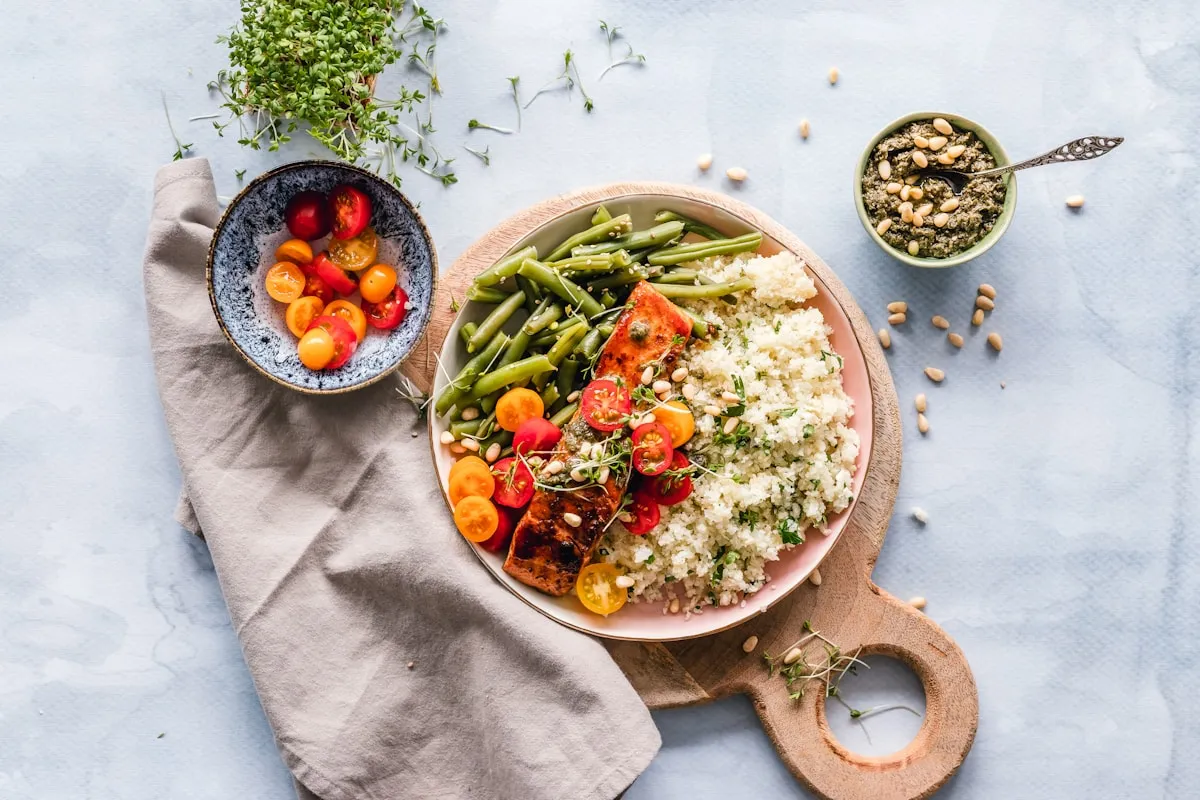
There is something inherently soul-soothing about a bowl of tomato soup. It’s the culinary equivalent of a warm blanket on a rainy Tuesday. But let’s be honest: the stuff that slides out of a can with a "shloop" sound doesn't exactly scream "gourmet." When you want quick healthy meals that actually taste like they came from a bistro, you have to lean into the fresh stuff. My blog is all about elevating these classics without making you spend four hours over a hot stove. We’re going for high-impact flavor with minimalist effort, turning a childhood staple into a sophisticated, velvet-textured masterpiece that fits perfectly into your rotation of quick family meals.
The Science of the Perfect Emulsion
To achieve that iconic, silky texture, you need to understand the relationship between acidity and fat. Tomatoes are naturally quite acidic, which is why your tongue sometimes feels that "zing" after a spoonful. To balance this, we introduce fats, typically in the form of butter or heavy cream. But don't just dump the cream in and hope for the best.
First, focus on the Maillard reaction. This is the chemical reaction between amino acids and reducing sugars that gives browned food its distinctive flavor. When you sauté your aromatics, think onions and garlic, until they are translucent and just beginning to gold, you are building a flavor foundation that raw vegetables simply can't provide. If you’re feeling adventurous, roast your tomatoes first. The high heat of the oven concentrates the sugars, turning a tart fruit into a sweet, jammy powerhouse.
Use an immersion blender to achieve the perfect consistency. This isn't just about getting rid of chunks; it’s about emulsification. As you blend, you are breaking down the fat molecules from the cream and dispersing them evenly throughout the water-based tomato liquid. This creates a stable suspension that feels "creamy" rather than oily. Avoid over-blending once the dairy is in, as high-speed blades can sometimes cause the cream to whip or separate if the soup is too hot.
Check your pH balance. If your soup tastes a bit too sharp, it’s likely the acidity of the tomatoes peaking through. Instead of reaching for a mountain of salt, add a tiny pinch of sugar. The sugar doesn't make the soup sweet; it chemically masks the harshness of the citric acid, allowing the herbal notes of the basil to shine. Speaking of basil, always add it at the very end. The volatile oils in fresh basil are extremely heat-sensitive. If you boil them for twenty minutes, you lose that bright, peppery aroma and end up with a dull, swampy flavor. Stir it in just as you take the pot off the heat for maximum impact.
Flipping the Script: Flavor Variations
Once you master the base, the possibilities for healthy dinner ideas are endless. You can easily pivot this recipe to suit different dietary needs or mood swings. If you’re looking for a vegan alternative, swap the heavy cream for full-fat coconut milk or a cashew cream. Cashews contain natural fats and starches that, when blended, mimic the mouthfeel of dairy almost perfectly without the lactose.
For those who like a bit of heat, try a "Spicy Arrabbiata" twist. Infuse your initial oil with a generous amount of crushed red pepper flakes and perhaps a spoonful of harissa paste. The capsaicin in the peppers provides a slow burn that cuts through the richness of the cream, creating a beautiful contrast. You can even take a cue from our Shakshuka techniques and simmer the base with smoked paprika for a deeper, earthier profile.
Another favorite is the Roasted Garlic and Thyme variation. Roast two entire heads of garlic until the cloves are soft like butter, then squeeze them directly into the pot before blending. The mellow, nutty sweetness of roasted garlic is a far cry from the sharp bite of raw cloves and adds a layer of complexity that makes the soup feel incredibly luxurious. It’s one of those quick healthy meals that tastes like you’ve been simmering it since sunrise.
The Crunch Factor: What to Serve
A bowl of soup without a sidekick is just a drink. To balance the soft, velvety texture of the tomato base, you need something with a serious crunch. The classic pairing is, of course, the grilled cheese sandwich. The science here is all about the "melt point" of the cheese. Use a combination of a sharp cheddar for flavor and a younger Gruyère or Monterey Jack for that perfect, elastic pull.
If you're keeping things lighter, sourdough croutons are your best friend. For a faster option, look into air fryer recipes dinner enthusiasts swear by, tossing cubed sourdough with olive oil, sea salt, and garlic powder, then air-frying at 375°F for about 5-6 minutes. You get an even, golden crunch that holds up much longer in the liquid than store-bought versions.
For a more refreshing side, an arugula salad with a lemon vinaigrette works wonders. The peppery bite of the arugula and the sharp acidity of the lemon help cleanse the palate between rich, creamy spoonfuls of soup. It’s a great way to round out your healthy dinner ideas and ensure you’re getting a hit of fresh greens with your comfort food.
Tomato Soup SOS: Your Burning Questions
Why did my soup curdle when I added the cream?
This is the most common heartbreak in the kitchen. Curdling happens when the proteins in the dairy denature and clump together, usually caused by high heat or high acidity (or both). To prevent this, never boil the soup after the cream has been added. Temper the cream by stirring a ladle of hot soup into the cold cream first, then slowly pour that mixture back into the pot. This brings the dairy up to temperature gradually.
Can I use canned tomatoes instead of fresh?
Absolutely. In fact, unless it’s the height of summer and you have access to vine-ripened heirloom tomatoes, canned San Marzano tomatoes are often superior. They are picked and canned at peak ripeness, ensuring a consistent sugar-to-acid ratio that fresh "grocery store" tomatoes often lack in the off-season.
How do I fix a soup that’s too watery?
If your soup looks more like tea than a hearty meal, you need to reduce it or add a thickener. Simmering the soup uncovered allows water to evaporate, concentrating the solids. Alternatively, you can blend in a can of white beans (like cannellini). The starch in the beans provides a massive body boost without changing the flavor profile significantly, keeping it in the realm of quick family meals that are secretly packed with fiber.
Why does my basil look brown?
Oxidation is the enemy of fresh herbs. When you chop basil, you break the cell walls, exposing the enzymes to oxygen. To keep it green, use a very sharp knife to avoid bruising, and as mentioned before, never cook it for more than a minute. If you’re making a big batch to freeze, leave the basil out and add it fresh when you reheat the soup later.
Is this soup freezer-friendly?
Yes, but with a caveat. Tomato bases freeze beautifully, but dairy can sometimes separate or become grainy after thawing. For the best results, freeze the tomato and herb base before adding the cream. When you’re ready to eat, reheat the base and stir in the fresh cream just before serving. This ensures the texture remains as silky as the day you made it. If you're looking for more ways to use your kitchen gadgets, check out some air fryer recipes dinner ideas on Cookpedia for quick sides to go with your thawed soup.