Recipe
Servings
Servings 1×
Cook 30 min
Ingredients
- Steak
- Bread
- Potatoes
- Carrots
- Kale
- Onion
- Garlic
- Lemon
- Balsamic vinegar
- Honey
- Butter
Method
- Use a heavy-bottomed pot (cast iron is king here) and work in batches.
- Use your wooden spoon to scrape every last bit of that fond into the liquid.
- Keep the simmer "lazy": barely a bubble breaking the surface.
- Use Yukon Gold potatoes for the creamiest texture, and don't skimp on the butter: we’re already committing to a comforting meal, so let's do it right.
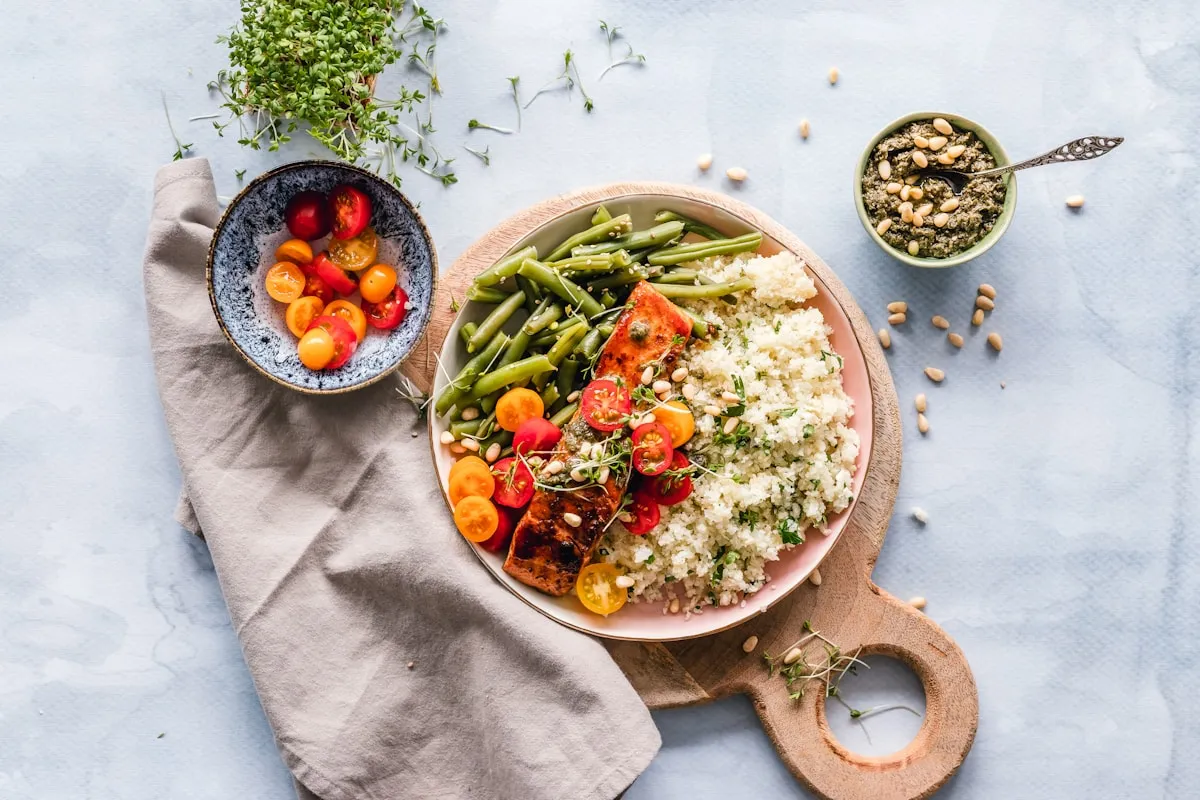
There is something inherently romantic about a heavy pot simmering on a low flame while the rain lashes against the glass outside. It is the ultimate antidote to a frantic day. While I usually spend my time preaching the gospel of quick family meals that take less than twenty minutes, some days demand a slower pace. This beef and Guinness stew is that slow-motion hug in a bowl you didn’t know you needed. It’s rich, dark, and deeply soulful, turning humble ingredients into a masterpiece through the sheer magic of patience and a pint of the "black stuff."
The Science of the Simmer: Tips and Technique
Making a truly great stew isn't just about throwing things into a pot and hoping for the best. It’s a series of chemical reactions that transform "tough" into "tender." If you want to master this, you have to understand why we do what we do.
The first non-negotiable step is the sear. You might be tempted to skip this to save time, especially when you’re used to the speed of healthy dinner ideas that lean on fresh, raw prep. Don't. When you sear the beef cubes, you are initiating the Maillard reaction. This isn't just "browning"; it’s a complex chemical dance where amino acids and reducing sugars react under high heat to create hundreds of new flavor compounds. Without this step, your stew will taste flat and gray. Use a heavy-bottomed pot (cast iron is king here) and work in batches. If you crowd the pan, the temperature drops, the meat releases moisture, and you end up steaming the beef instead of searing it. You want a dark, mahogany crust on every single piece.
Once the meat is seared, you’ll notice a layer of dark, sticky bits stuck to the bottom of your pot. This is "fond," and it is pure gold. This is where the Guinness comes in. Pouring that cold, dark stout into a hot pan creates a steam-powered deglazing effect. Use your wooden spoon to scrape every last bit of that fond into the liquid. The Guinness provides more than just liquid; it brings a complex profile of roasted malt, coffee notes, and a slight bitterness that balances the natural sweetness of the carrots and onions.
The choice of meat is equally scientific. You want a cut with plenty of connective tissue, like chuck roast. Connective tissue is primarily made of collagen. In its raw state, collagen is tough and chewy: not exactly what you want for dinner. However, when you subject it to low, moist heat over several hours, a process called hydrolysis occurs. The collagen slowly breaks down and transforms into gelatin. This is the secret to that "melt-in-your-mouth" texture and the silky, rich body of the stew liquid. If you try to use a lean cut like sirloin, you'll end up with dry, stringy nuggets of disappointment because there isn't enough collagen to melt down.
Lastly, resist the urge to crank up the heat. High heat tightens muscle fibers, squeezing out moisture and leaving you with tough meat. Keep the simmer "lazy": barely a bubble breaking the surface. This gentle environment allows the fibers to relax while the gelatin works its magic.
Flavor Variations and Swaps
The beauty of a one-pot stew is that it is remarkably forgiving. While the classic beef and Guinness combo is hard to beat, you can certainly play with the flavor profile to suit your pantry. If you find the Guinness a bit too bitter, try adding a tablespoon of brown sugar or honey to the mix. The sweetness rounds out the hoppy bite of the stout beautifully.
For those who want to lean into more healthy dinner ideas, you can significantly increase the root vegetable ratio. Parsnips, rutabagas, and even turnips are fantastic additions that soak up the rich gravy. If you want to brighten the finished dish, a splash of balsamic vinegar or a squeeze of lemon juice right before serving provides an acidic "lift" that cuts through the heavy, fatty richness of the beef.
If you aren't a fan of stout, you can swap it for a dry red wine like a Malbec or even a dark, non-alcoholic ale. The goal is to provide a liquid that has its own fermented complexity. You can even experiment with spices; a pinch of ground cloves or a star anise added during the simmer can introduce a subtle, mysterious warmth that keeps people guessing about your "secret ingredient."
The Perfect Sidekick: Pairing Your Stew
A stew this rich needs a foil. You need something to soak up that glorious gravy and something to provide a bit of textural contrast. The gold standard is a pile of buttery mashed potatoes. Use Yukon Gold potatoes for the creamiest texture, and don't skimp on the butter: we’re already committing to a comforting meal, so let's do it right.
If you want to stay traditional, Irish soda bread is the way to go. Its dense, craggy crumb is practically designed for mopping up the last streaks of Guinness gravy from the bottom of the bowl. Alternatively, a simple side of bitter greens, like kale or Swiss chard sautéed with a bit of garlic, provides a necessary nutritional balance and a pop of color to an otherwise very brown (but delicious) plate.
Even though we often look for air fryer recipes dinner solutions for their speed and crispiness, a slow-cooked stew paired with a fresh, crunchy salad of radicchio and endive can create a sophisticated dining experience that feels much more expensive than it actually is.
Frequently Asked Questions
Why is my beef still tough after two hours?
This is almost always a result of one of two things: either you didn't cook it long enough, or your heat was too high. If the meat is still "rubbery," the collagen hasn't fully converted to gelatin yet. Give it another 30 minutes. If it’s "dry and stringy," you likely boiled it too hard. Check the meat with a fork; it should slide in with zero resistance.
Can I make this in an air fryer?
While we love air fryer recipes dinner for many things, a traditional braised stew isn't one of them. The air fryer is designed for dry-heat convection, which is the opposite of the moist-heat environment required to break down collagen. Stick to the Dutch oven or a slow cooker for this one.
Does the alcohol really cook out?
Most of it does, but not all. After a few hours of simmering, the majority of the ethanol evaporates, leaving behind only the concentrated flavors of the malt and hops. However, if you are strictly avoiding alcohol for health or personal reasons, use a high-quality beef stock mixed with a tablespoon of molasses and a splash of Worcestershire sauce to mimic the depth of the Guinness.
Can I freeze this for later?
Absolutely. In fact, stews often taste better the next day because the flavors have more time to meld and the starches from the vegetables slightly thicken the sauce further. Just be aware that potatoes can sometimes become a bit grainy when frozen and thawed. If you plan on freezing a huge batch, consider adding the potatoes fresh when you reheat it.
How do I thicken the sauce if it’s too watery?
If you reached the end of your cooking time and the sauce looks more like a soup, don't panic. You can simmer the pot with the lid off for the final 30 minutes to reduce the liquid. Alternatively, a "beurre manié": equal parts softened butter and flour mashed into a paste: can be whisked in bit by bit to create a glossy, thick consistency without the risk of flour lumps.
What if I don't have a Dutch oven?
Any heavy, oven-safe pot with a tight-fitting lid will work. The "heavy" part is important for heat distribution. If your lid is a bit loose, place a piece of parchment paper or foil over the pot before putting the lid on to create a tighter seal and prevent all your delicious braising liquid from evaporating away.
Ready to get started? Check out our other soulful recipes for more inspiration on making home cooking the best part of your day.