Recipe
Servings
Servings 1×
Ingredients
- Chicken
- Tofu
- Rice
- Cauliflower
- Corn
- Cucumber
- Garlic
- Fresh ginger
- Lime
- Cooking oil
- Soy sauce or tamari
- Black pepper
Method
- Cook in batches if you must.
- Sear the chicken first to get that savory foundation, then introduce the sauce in the final sixty seconds.
- Keep your heat high and your spatula moving.
- Press it well to remove moisture, and sear it exactly like the chicken until it’s golden and crisp.
- Toss a few dried red chilies into the oil right at the start.
- Use a heavy-bottomed skillet or a seasoned wok to minimize this issue.
You’ve had those nights. You walk through the door, your brain is fried from a day of decisions, and the last thing you want to do is spend an hour hovering over a stove. But you also can’t face another sad, cold sandwich. Enter the 15-minute teriyaki chicken stir-fry. It’s the ultimate soulful recovery meal, fast enough to beat the delivery driver but packed with that deep, savory-sweet hit that makes you feel human again. This is efficient cooking at its best.
The Science of the Sear and the Shine
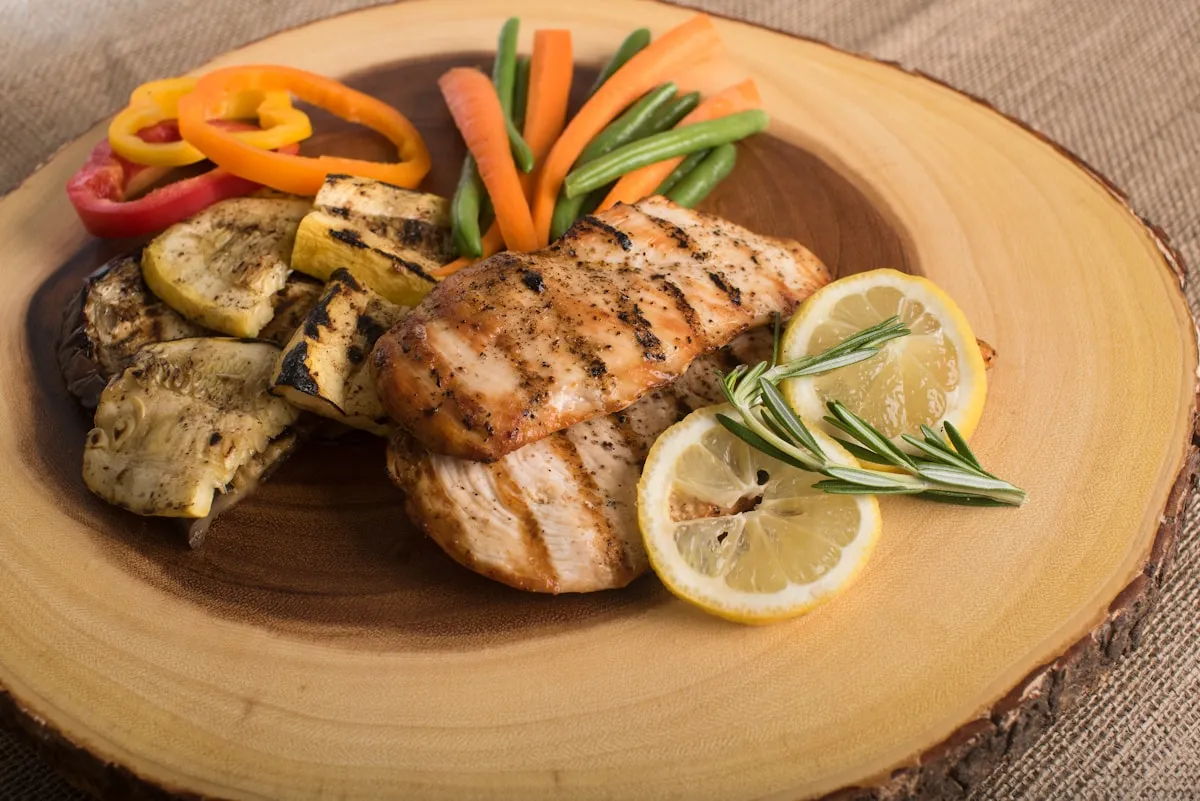
Efficiency in the kitchen isn’t just about moving your hands faster; it’s about understanding the chemistry of your pan. To get a restaurant-quality finish in a fraction of the time, you have to master two things: the Maillard reaction and sugar caramelization. These are the engines that drive flavor in all your quick family meals.
First, let’s talk about the chicken. Most people make the mistake of dumping wet, cold chicken into a lukewarm pan. This is a recipe for grey, rubbery meat. Instead, pat your chicken bone-dry. Moisture is the enemy of browning. When you drop dry chicken into a screaming hot skillet, the proteins and sugars on the surface react immediately (that’s Maillard at work), creating a crust that locks in juices and adds deep, roasted notes. If you crowd the pan, the temperature drops, the meat releases water, and you end up steaming your dinner. Cook in batches if you must. It feels like more work, but it’s actually faster because the high heat stays high.
Then there’s the "Teri" in Teriyaki. "Teri" means shine, and "yaki" means grill or broil. That iconic mirror-like glaze happens when the sugars in your sauce reach the caramelization point. However, sugars burn much faster than meat browns. This is why you should never start your stir-fry with the sauce already in the pan. Sear the chicken first to get that savory foundation, then introduce the sauce in the final sixty seconds. The residual heat and the high flame will flash-reduce the liquid into a thick, clingy syrup that coats every piece of protein without turning into a bitter, burnt mess.
If you’ve ever struggled with getting that perfect consistency in other dishes, like our one-pot linguine, you know that the "gloss" is everything. For teriyaki, the secret is a balance of mirin (rice wine) and soy sauce. The mirin provides the complex sugars that create the sheen, while the soy provides the amino acids for the savory punch. Keep your heat high and your spatula moving. Speed is your friend here. This is why we categorize these as healthy dinner ideas, you’re using high-impact aromatics like fresh ginger and garlic to carry the flavor, rather than relying on heavy fats or excessive salts.
Turning Up the Variety
One of the best things about a solid stir-fry technique is how easily it adapts to what’s in your fridge. Once you understand the heat management, you can swap the protein or the greens without breaking a sweat. If you’re leaning into plant-based territory, extra-firm tofu is your best bet. Press it well to remove moisture, and sear it exactly like the chicken until it’s golden and crisp.
For those who love their gadgets, you can even adapt the flavor profile for the air fryer. While a traditional stir-fry relies on the direct contact of a hot pan, you can achieve a similar "roast and glaze" effect by tossing your ingredients in a lighter version of the sauce halfway through the air fryer cycle. We’ve seen great success with this "cheat code" approach in recipes like our kielbasa and pierogi roast. It’s a slightly different texture, but for air fryer recipes dinner options, it’s a total game-changer for busy weeknights.
If you want to spice things up, don't just reach for the sriracha at the end. Toss a few dried red chilies into the oil right at the start. This infuses the fat with heat, distributing the spice evenly throughout the dish rather than just having "hot spots." You can also play with the acidity; a squeeze of lime or a splash of rice vinegar right before serving can wake up the heavier, sweet notes of the teriyaki, keeping the dish bright and vibrant.
Finding the Perfect Balance
A great teriyaki stir-fry is rich, salty, and sweet. To make it a complete meal, you need sides that offer a counterpoint to that intensity. High-starch companions like jasmine rice or brown rice are the classic choice because they act as a neutral sponge for that incredible sauce. If you’re looking for a lower-carb route, cauliflower rice works surprisingly well, provided you don't overcook it, you want it to retain a bit of "pop" to mimic the texture of grain.
Acidity is your best tool for balance. A simple cucumber salad with a splash of rice vinegar and a pinch of sugar provides a cooling, crisp contrast to the hot, glazed chicken. This interplay of temperatures and textures is what makes a meal feel "soulful" rather than just functional. You aren’t just eating calories; you’re experiencing a deliberate balance of flavors. If you’re feeling adventurous, a side of quick-pickled radishes or even a simple slaw can cut through the richness of the soy and sugar, making each bite feel as fresh as the first.
Troubleshooting Your 15-Minute Feast
What if my chicken is sticking to the pan?
Don't panic and don't start scraping immediately. Sticking usually happens for two reasons: your pan wasn't hot enough when the meat went in, or you’re trying to flip the meat too early. Protein naturally "releases" from the pan once the Maillard crust has formed. If it’s stuck, give it another thirty seconds. If it’s still stuck, your pan might need a bit more oil or a higher heat next time. Use a heavy-bottomed skillet or a seasoned wok to minimize this issue.
Why is my sauce too watery?
If your sauce looks like soup instead of a glaze, you likely added too much liquid or didn't let it reduce enough. The fix is heat. Crank the flame and let the water evaporate. As the water leaves, the sugars concentrate and the sauce thickens. If you’re really in a pinch, a tiny cornstarch slurry (one teaspoon of cornstarch mixed with one teaspoon of cold water) will thicken things up in seconds, but rely on reduction first for the best flavor.
Can I use frozen vegetables?
Yes, but with a caveat. Frozen vegetables release a lot of water as they thaw. If you dump them directly into the stir-fry, they will drop the temperature of your pan and turn your stir-fry into a braise. To avoid this, either thaw and pat them dry beforehand or cook them separately at high heat to evaporate the moisture before combining them with the chicken and sauce. This keeps your quick family meals from becoming soggy.
Is this actually healthy?
Absolutely. By making your own teriyaki base, you control the sugar and sodium levels. Most bottled sauces are loaded with high-fructose corn syrup and preservatives. When you use real ginger, fresh garlic, and high-quality soy sauce, you’re creating healthy dinner ideas that don't sacrifice flavor for nutrition. Focus on packing the pan with vibrant greens to bulk out the meal without adding empty calories.
How do I store leftovers?
Teriyaki chicken stores beautifully in the fridge for up to three days. In fact, the flavors often deepen as the aromatics continue to infuse the meat. When reheating, add a tiny splash of water to the pan or microwave bowl to loosen the sauce back up. It can go from a solid gel to a silky glaze again with just a little heat and moisture.
Can I make this in an air fryer?
You certainly can. While it won't be a "stir-fry" in the technical sense, you can air fry the chicken and vegetables until crisp and then toss them in the sauce at the very end. For more inspiration on one-basket meals, check out our air fryer sausage and pepper medley. It’s the perfect way to expand your repertoire of air fryer recipes dinner without needing a wok.
{“@type”:”BlogPosting”,”image”:”https://cdn.marblism.com/gSWOWqHVwiR.webp”,”author”:{“name”:”Penny”,”@type”:”Person”},”@context”:”https://schema.org”,”headline”:”Easy 15-Minute Teriyaki Chicken Stir-Fry”,”publisher”:{“logo”:{“url”:”https://cookpedia.com/logo.png”,”@type”:”ImageObject”},”name”:”Cookpedia”,”@type”:”Organization”},”mainEntity”:[{“name”:”What if my chicken is sticking to the pan?”,”@type”:”Question”,”acceptedAnswer”:{“text”:”Sticking usually happens if the pan wasn’t hot enough or if you try to flip the meat too early. Wait for the Maillard crust to form, and the meat will naturally release.”,”@type”:”Answer”}},{“name”:”Why is my sauce too watery?”,”@type”:”Question”,”acceptedAnswer”:{“text”:”Too much liquid or insufficient reduction. Increase the heat to evaporate excess water and concentrate the sugars into a glaze.”,”@type”:”Answer”}},{“name”:”Can I use frozen vegetables?”,”@type”:”Question”,”acceptedAnswer”:{“text”:”Yes, but thaw and pat them dry first, or cook them separately on high heat to avoid steaming the entire dish with excess moisture.”,”@type”:”Answer”}}],”description”:”Master the art of the 15-minute teriyaki chicken stir-fry with our guide to perfect caramelization, high-heat techniques, and soulful flavor balancing.”,”datePublished”:”2026-06-08″,”mainEntityOfPage”:{“@id”:”https://cookpedia.com/easy-15-minute-teriyaki-chicken-stir-fry”,”@type”:”WebPage”}}