Recipe
Servings
Servings 1×
Ingredients
- Chicken
- Lemon
- Butter
- Cooking oil
- Salt
Method
- Use the flour dredge to your advantage.
- Finish the sauce off-heat.
- Use cold butter, not room temperature.
- Whisk constantly until the sauce is opaque and thick enough to coat the back of a spoon.
- Add them at the very end to keep their texture intact.
- Keep your pan hot but not smoking.
You know those nights when you want a meal that feels like a $30 bistro plate but you only have the energy for a bowl of cereal? This is your answer. Lemon Chicken Piccata is the ultimate "cheat code" for the busy home cook. It’s vibrant, buttery, and salty, and most importantly, it takes about the same amount of time to cook as it does to find something to watch on Netflix. If you are hunting for easy dinner recipes that don't skimp on soul, you’ve found the crown jewel.
The Science of the Silky Pan Sauce
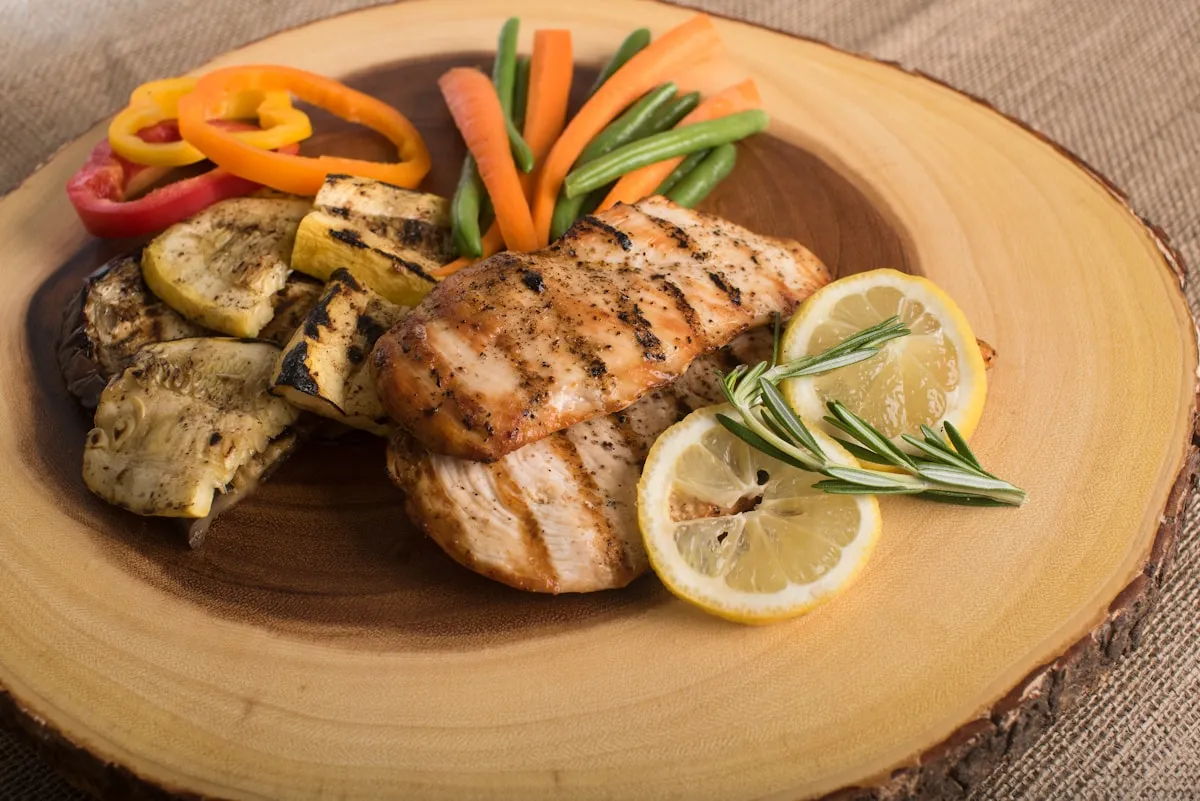
The magic of a great piccata lies entirely in the sauce. It isn't just melted butter and lemon juice; it is a delicate emulsion. When you deglaze your pan with white wine or stock, you are lifting up all those "fond" bits, the caramelized proteins stuck to the bottom. This is where the flavor lives. But to get that restaurant-grade gloss, you need to understand the physics of the finish.
Use the flour dredge to your advantage. When you lightly coat your chicken in flour before it hits the oil, you aren't just helping it brown (though the Maillard reaction thanks you). You are actually prepping the sauce. As the chicken sears, tiny particles of toasted flour stay behind in the pan. When you add your liquid, these starches act as a bridge, allowing the fat and water to bind together instead of separating into an oily mess. If you’ve ever struggled with a broken sauce, check out my guide on achieving the perfect glossy sauce for more deep dives into emulsification.
Finish the sauce off-heat. This is a non-negotiable. Once your liquid has reduced by half and looks slightly syrupy, take the skillet off the burner. Drop in your cubes of cold butter. Use cold butter, not room temperature. Cold butter melts slowly, allowing the milk solids to disperse gradually and create a stable, velvety texture. Whisk constantly until the sauce is opaque and thick enough to coat the back of a spoon. If you boil the sauce after adding the butter, the emulsion will break, and you’ll lose that luxurious mouthfeel.
Don’t fear the caper. These little salt bombs provide the necessary acidity and brine to cut through the richness of the butter. Add them at the very end to keep their texture intact. This technique is exactly why 15 minute meals can taste like they took hours; it’s all about high-impact ingredients used at the right moment.
The Perfect Dredge and Sear
Pound your chicken thin. If your cutlets are uneven, some parts will be dry while others are raw. Aim for a consistent quarter-inch thickness. This ensures the meat cooks through in exactly three minutes per side, keeping it juicy.
Shake off the excess flour. You want a whisper of a coating, not a heavy batter. Too much flour will lead to a gummy, pasty sauce that feels heavy on the tongue. Think of the flour as a protective shield and a sauce thickener, not a breading. Once the chicken hits the hot oil, leave it alone. Resist the urge to poke or move it. You need that uninterrupted contact with the heat to develop a golden-brown crust.
Keep your pan hot but not smoking. A medium-high heat is perfect for achieving that quick sear without burning the flour. If your oil starts to smoke, pull the pan off the heat for thirty seconds. Remember, we are going for "golden and glowing," not "blackened and bitter."
Variations for Every Kitchen
While the classic version uses chicken and white wine, this technique is incredibly adaptable. For those looking for healthy dinner ideas that fit specific dietary needs, you can swap the dredging flour for a gluten-free blend or even almond flour (though it won't thicken the sauce quite as effectively).
If you want to skip the alcohol, use a high-quality chicken bone broth with an extra squeeze of lemon. The acidity is vital, so don't be shy with the citrus. You can even swap the chicken for thin slices of veal or even firm tofu. If using tofu, ensure you press it well to remove moisture so it can still take on that golden sear.
For a "Piccata-ish" twist, try adding a pinch of red pepper flakes for heat or a teaspoon of honey to the sauce to balance the tartness. The beauty of the minimalist approach is that you only need a handful of high-quality ingredients to make a massive impact.
Balancing the Plate: Side Dish Pairings
Because the piccata sauce is so punchy and acidic, you want sides that can soak up the liquid or provide a fresh, earthy contrast. A simple bed of angel hair pasta or linguine is the classic choice. The fine strands of pasta are the perfect vehicle for that glossy lemon-butter sauce.
If you’re keeping things lighter, consider a pile of garlicky sautéed spinach or roasted asparagus. The bitterness of greens like arugula also plays beautifully with the richness of the butter. If you're really short on time, you could even pair this with a quick vegetable medley, much like the ones I use in my air fryer sausage and pepper medley.
Avoid sides that are too acidic, like a vinegary tomato salad. You already have plenty of lemon and capers on the plate; adding more acid will make the meal feel one-dimensional. Stick to starches or neutral greens to let the chicken shine.
Common Questions & Troubleshooting
What if my sauce is too thin?
If your sauce looks more like lemon water than a velvety glaze, you likely didn't reduce your liquid enough before adding the butter. Put the pan back on medium heat before adding the butter and let it bubble away until it looks syrupy. Alternatively, you can simmer the floured chicken in the liquid for an extra minute; the starch from the chicken's coating will naturally thicken the sauce as it cooks.
Can I use bottled lemon juice?
Avoid it at all costs. Bottled juice has a preserved, metallic aftertaste that will ruin the delicate balance of the butter. Use fresh lemons. You need the bright, floral notes of the fresh zest and juice to make this dish work. A single lemon is usually enough for a full recipe, so keep a few on hand.
The chicken is sticking to the pan! What do I do?
If the chicken is sticking, it’s not ready to be flipped. The meat will naturally release from the pan once a proper crust has formed. If you try to force it, you’ll tear the delicate flour coating and lose all that flavor. Give it another thirty seconds, and it should slide right off.
My sauce looks greasy and separated. How do I fix it?
Your sauce "broke," likely because the pan was too hot when the butter was added. Take it off the heat immediately and whisk in a teaspoon of cold water or chicken stock. The cool liquid can often help pull the emulsion back together. Next time, ensure the pan is off the burner before the butter hits the sauce.
Is this recipe freezer-friendly?
Technically yes, but I wouldn't recommend it. The emulsion of the sauce doesn't hold up well to freezing and reheating; it will likely separate and become oily. Since this is one of those 15 minute meals that is so fast to make fresh, it’s best enjoyed straight from the skillet.
{“@type”:”BlogPosting”,”image”:”https://cdn.marblism.com/jsobDliWPdY.webp”,”author”:{“name”:”Penny”,”@type”:”Person”},”@context”:”https://schema.org”,”headline”:”Fast & Flavorful: 15-Minute Lemon Chicken Piccata”,”publisher”:{“logo”:{“url”:”https://cdn.marblism.com/KxroJ1kM_KA.webp”,”@type”:”ImageObject”},”name”:”Cookpedia”,”@type”:”Organization”},”description”:”Learn the science behind a perfect 15-minute lemon chicken piccata. Master the art of emulsified pan sauces and the perfect flour dredge for a restaurant-quality meal at home.”,”datePublished”:”2026-06-09T17:00:00″,”mainEntityOfPage”:{“@id”:”https://cookpedia.com/fast-flavorful-15-minute-lemon-chicken-piccata”,”@type”:”WebPage”}}
{“@type”:”FAQPage”,”@context”:”https://schema.org”,”mainEntity”:[{“name”:”What if my sauce is too thin?”,”@type”:”Question”,”acceptedAnswer”:{“text”:”Reduce your liquid further before adding butter. The starch from the floured chicken also helps thicken the sauce as it simmers.”,”@type”:”Answer”}},{“name”:”Can I use bottled lemon juice?”,”@type”:”Question”,”acceptedAnswer”:{“text”:”No. Fresh lemon juice is essential for the bright, floral flavor profile required for a successful piccata.”,”@type”:”Answer”}},{“name”:”Why is my sauce greasy or separated?”,”@type”:”Question”,”acceptedAnswer”:{“text”:”The sauce likely ‘broke’ because the pan was too hot when the butter was added. Add cold butter off the heat to create a stable emulsion.”,”@type”:”Answer”}}]}