Recipe
Servings
Servings 1×
Ingredients
- Chicken
- Rice
- Broccoli
- Peas
- Cucumber
- Onion
- Garlic
- Lime
- Honey
- Cream
- Butter
- Cooking oil
- Soy sauce or tamari
- Sesame
- Salt
- Black pepper
Method
- Cut your chicken into small, uniform half-inch cubes.
- Use a heavy-bottomed skillet and get it screaming hot before the chicken even touches the oil.
- Let the chicken sit undisturbed for at least two minutes.
- Cook in batches if you have to, or use your largest skillet.
- Use fresh cloves and mince them finely right before cooking.
- Keep the pan on medium-high heat and let it bubble.
You know that feeling when the clock hits 6:00 PM, your stomach is growling, and the thought of spending an hour over the stove feels like a personal affront? We’ve all been there. That’s exactly why my blog exists, to save you from the "what's for dinner" spiral. This honey garlic chicken is my absolute go-to when I need a win. It’s sticky, savory, and suspiciously fast. We’re talking faster than you can get a delivery driver to find your front door. It’s one of those easy dinner recipes that actually delivers on its promise without making you wash a dozen pans.
The Science of the 15-Minute Sear
The secret to mastering 15 minute meals isn't just about moving your hands faster; it’s about understanding the physics of your skillet. When you’re aiming for that perfect, soul-satisfying glaze, you need to maximize the Maillard reaction. This is the chemical dance between amino acids and reducing sugars that gives browned food its distinctive flavor. To get this right in under a quarter of an hour, you have to prioritize surface area.
Maximize Your Surface Area
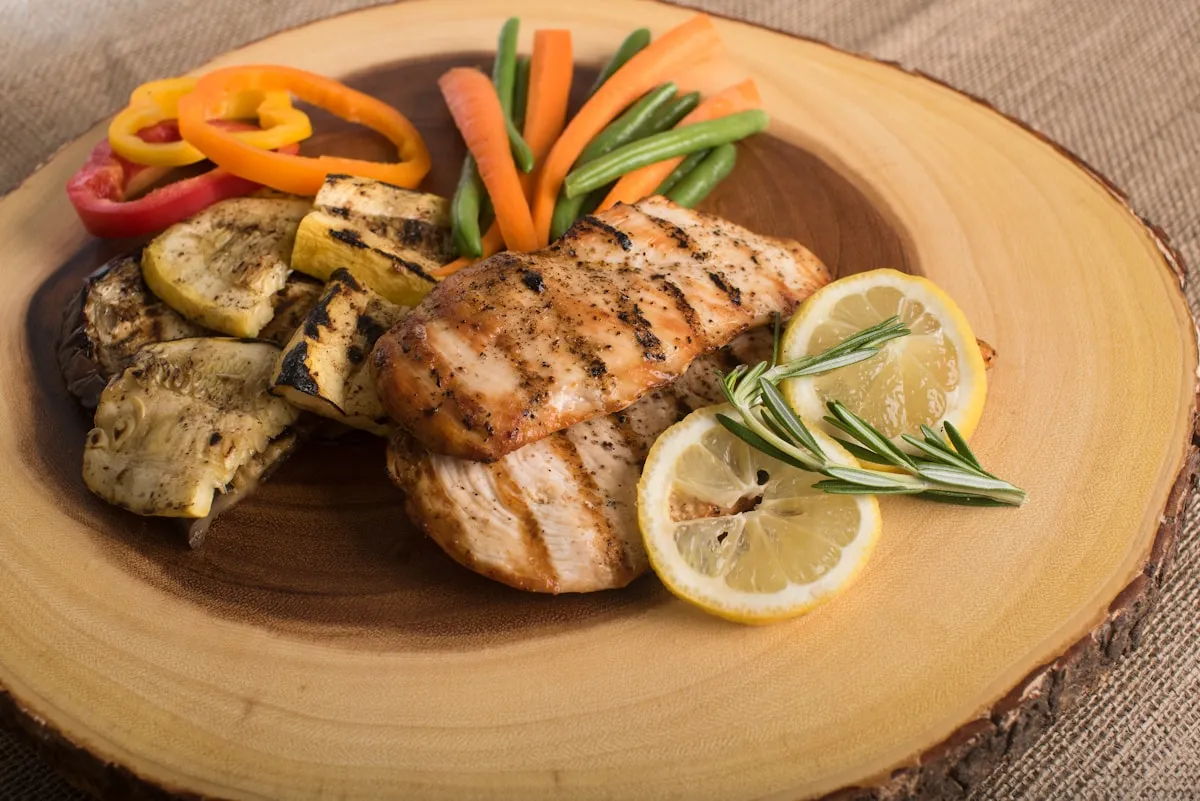
Cut your chicken into small, uniform half-inch cubes. Why? Because smaller pieces mean more surface area is exposed to the direct heat of the pan. This allows the meat to cook through almost instantly while creating dozens of tiny caramelized "flavor pockets" on every edge. If you throw a whole chicken breast into a pan, the outside overcooks before the inside finishes. Small cubes are the cheat code for juicy results.
The Power of the High-Heat Sear
Use a heavy-bottomed skillet and get it screaming hot before the chicken even touches the oil. You should hear a distinct sizzle the moment the meat hits the metal. Avoid the temptation to stir immediately. Let the chicken sit undisturbed for at least two minutes. This "hard sear" develops the crust that the honey sauce will eventually cling to. If you move the chicken too soon, it will steam in its own juices rather than brown, leaving you with gray, rubbery meat instead of golden perfection.
The Emulsification of the Glaze
When you add the honey and soy sauce, you aren’t just making a liquid; you’re creating an emulsion. Honey is naturally viscous and full of sugar, which helps it thicken into a glaze as the water content evaporates. However, honey alone can be cloying. The soy sauce provides the salt and umami needed to break up those sugar chains, while a splash of rice vinegar provides the acidity to "cut" the weight of the honey. Check your sauce consistency frequently; it should coat the back of a spoon and leave a clear trail if you run your finger through it.
Don't Crowd the Pan
Crowding is the enemy of the 15-minute timeline. If you put too much chicken in at once, the temperature of the pan drops significantly. Instead of searing, the chicken will release liquid and boil. Cook in batches if you have to, or use your largest skillet. Maintaining high heat is non-negotiable for quick family meals that don't taste like an afterthought.
Balancing the Flavor Profile
The beauty of this dish lies in the balance of the four pillars of flavor: sweet, salty, sour, and spicy. While the base is honey and garlic, you can pivot the profile depending on what’s in your pantry or your mood.
Acidity is Your Best Friend
If the sauce feels too "heavy" or sticky, your solution isn't more water, it’s more acid. A squeeze of fresh lime juice or a teaspoon of rice vinegar at the very end brightens the entire dish. Acidity acts like a spotlight, highlighting the deeper savory notes of the garlic that might otherwise get lost in the sweetness.
Choosing Your Protein
While breast meat is the standard for speed, boneless, skinless thighs are the soulful choice. Thighs contain more intramuscular fat and connective tissue, which makes them much harder to overcook. If you’re a beginner or prone to getting distracted by your phone, go with thighs. They stay tender even if you leave them in the pan an extra minute or two. For those looking for healthy dinner ideas, sticking with lean breast meat is fine, just be vigilant about the timer.
The Garlic Factor
Avoid using the pre-minced garlic that comes in a jar for this recipe. The preservatives in the jarred stuff give off a metallic aftertaste when hit with high heat. Use fresh cloves and mince them finely right before cooking. The sulfur compounds in fresh garlic are much more potent and provide that "hit" of flavor that makes this dish crave-able.
Perfect Pairings for a Balanced Plate
A sticky, sweet-and-savory main dish needs a partner that can handle the intensity. You want sides that provide a textural contrast or a neutral base to soak up that liquid gold sauce.
The Neutral Base
Fluffy jasmine rice is the gold standard here. Its floral aroma complements the honey, and the individual grains are perfect for capturing the glaze. If you’re in a rush, a quick batch of garlic butter ramen also works beautifully as a base. The key is to keep the starch relatively simple so it doesn't compete with the chicken.
The "Crunch" Factor
Pair the chicken with something bright and crisp. Steamed broccoli florets, snap peas, or a quick cucumber salad tossed in rice vinegar and sesame oil are excellent choices. The goal is to provide a "palate cleanser" between bites of the rich, honey-laden chicken. Avoid heavy, cream-based sides; they’ll only make the meal feel weighed down.
One-Basket Efficiency
If you’re really pressed for time and want to avoid another pot on the stove, you can lean into air fryer recipes dinner style. While the chicken sears in the pan, throw some seasoned peppers and onions into the air fryer. This sausage and pepper medley technique works just as well for vegetables, giving them a roasted char that pairs perfectly with the stovetop chicken.
Troubleshooting and Science FAQ
Why is my sauce watery and not "sticky"?
This is usually a heat issue. For the sauce to thicken, the sugars in the honey need to reduce and the water in the soy sauce needs to evaporate. Keep the pan on medium-high heat and let it bubble. If it’s still too thin after two minutes, use a cornstarch slurry (one teaspoon of cornstarch mixed with one tablespoon of cold water). The starch molecules swell and trap water, creating an instant thick glaze. Avoid adding dry cornstarch directly to the pan, or you'll end up with floury lumps.
Why does my garlic taste bitter?
You likely burnt it. Garlic has a very low burn point because of its high sugar content. If you add it to the pan at the same time as the chicken, it will burn long before the meat is done. Always add your garlic in the last 60 seconds of searing, or whisk it directly into the cold sauce ingredients before pouring them into the pan. The liquid in the sauce acts as a thermal buffer, preventing the garlic from hitting the direct heat of the metal.
Can I use a different sweetener?
Yes, but the texture will change. Maple syrup or brown sugar can work, but honey contains specific enzymes and a sugar profile that creates a uniquely viscous glaze. If you switch to brown sugar, you’ll need to add a splash of water or broth to help it dissolve, and it may require a bit more reduction time to reach that signature "sticky" consistency.
How do I stop the chicken from getting tough?
Check the internal temperature or simply look at the center of a piece. Chicken breast becomes tough the second it passes 165°F (74°C). Because our cubes are small, they continue cooking for a minute after you take them off the heat (carryover cooking). Pull the pan off the burner the moment the centers are no longer translucent. Use a heavy pan that retains heat well to ensure even cooking across all pieces.
Can I prep this in advance?
You can mince the garlic and cube the chicken up to 24 hours in advance. However, do not toss the chicken in the sauce until you are ready to cook. The salt in the soy sauce will begin to "cure" the meat, drawing out moisture and making it leathery when it finally hits the heat. For the best results in your 15 minute meals, keep the wet and dry components separate until the final moments.
For more inspiration on getting dinner on the table without the drama, check out our full collection of 15-minute meals.
{“@type”:”BlogPosting”,”image”:”https://cdn.marblism.com/eKeUzcsVhZz.webp”,”author”:{“name”:”Penny”,”@type”:”Person”},”@context”:”https://schema.org”,”headline”:”Easy Dinner 15-Minute Honey Garlic Chicken”,”publisher”:{“logo”:{“url”:”https://cookpedia.com/logo.png”,”@type”:”ImageObject”},”name”:”Cookpedia”,”@type”:”Organization”},”description”:”Master the art of the 15-minute meal with this science-backed honey garlic chicken guide. Learn how to achieve the perfect glaze and a tender sear every time.”,”datePublished”:”2026-06-14″,”mainEntityOfPage”:{“@id”:”https://cookpedia.com/easy-dinner-15-minute-honey-garlic-chicken”,”@type”:”WebPage”}}