Recipe
Servings
Servings 1×
Ingredients
- Chicken
- Quinoa
- Pasta
- Broccoli
- Asparagus
- Mushrooms
- Tomatoes
- Lemon
- Balsamic vinegar
- Honey
- Cooking oil
- Black pepper
Method
- Prepare the ingredients described in the article and heat the cooking surface or oven as directed.
- Cook the main ingredients using the heat and timing guidance in the article.
- Finish with the seasonings and garnishes named in the article, then serve.
You know those evenings when the clock is ticking, the fridge looks uninspiring, and you’re about ten seconds away from ordering a lukewarm pizza? We’ve all been there. But I’m here to tell you that you can pull off a restaurant-quality meal in the time it takes to find your delivery app login. My minimalist balsamic glazed chicken thighs are the ultimate secret weapon for quick family meals. This dish isn't just fast; it’s soulful, punchy, and hits that perfect trifecta of sweet, tangy, and savory. If you’re looking for healthy dinner ideas that don't taste like "diet food," you’ve found the one.
The Science of the Sizzle: Mastering the Glaze
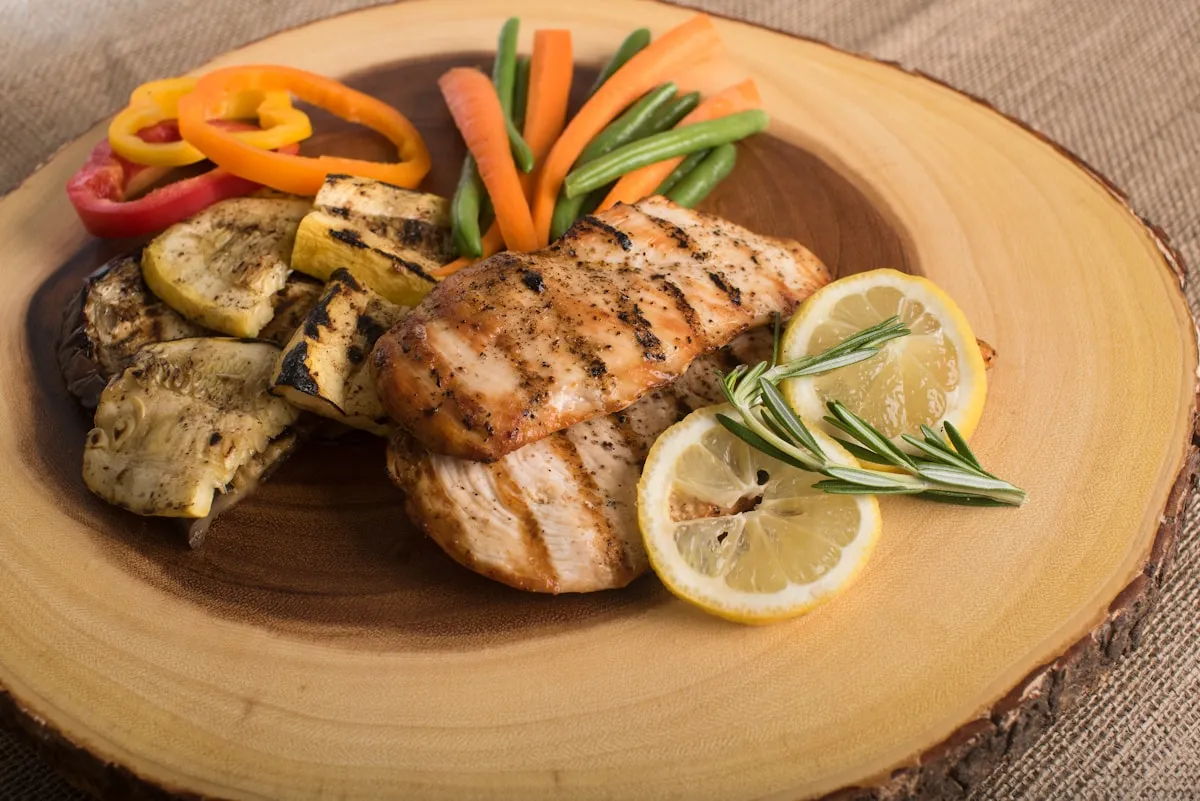
To get this recipe right in under fifteen minutes, you need to understand the chemistry happening in your skillet. We aren't just cooking meat; we’re managing a series of high-speed reactions. The first and most important step is the sear. You want to achieve the Maillard reaction, that magical process where proteins and sugars transform into a golden-brown crust of pure flavor.
Dry your chicken. This is a non-negotiable. Use a paper towel to pat the thighs until they are bone-dry. If the surface is wet, the chicken will steam instead of sear. Steam is the enemy of flavor. Use a heavy skillet. A cast-iron pan is your best friend here because it retains heat like a champ. When that cold chicken hits the pan, you don't want the temperature to plummet.
Once the chicken is in the pan, leave it alone. Do not nudge it, poke it, or check it every thirty seconds. Let it sit for at least five minutes. You’ll know it’s ready to flip when it releases naturally from the pan. If it’s sticking, the crust hasn't finished forming. This is the foundation of great easy dinner recipes: patience in the first five minutes pays off in the last ten.
Now, let’s talk about the balsamic glaze. Balsamic vinegar is essentially a concentrated grape juice that has been aged. It’s packed with natural sugars. When you add it to a hot pan, those sugars begin to caramelize almost instantly. However, there’s a fine line between a sticky glaze and a burnt mess. Add your sweetener late. Whether you use honey or maple syrup, add it in the final few minutes of cooking. This prevents the sugar from reaching its burning point while the chicken is still raw in the middle.
Reduce the liquid effectively. The goal is a syrupy consistency that clings to the meat like a silk robe. If your sauce is too thin, it will just slide off. Deglaze the pan. As the vinegar hits the hot surface, use a wooden spoon to scrape up the "fond", those brown bits stuck to the bottom. That is concentrated flavor gold, and it’s the secret to a professional-grade sauce. Much like achieving a glossy sauce for pasta, the emulsification of the fats and the vinegar creates that signature shine.
Flavor Riffs and Variations
Cooking is an art, but it’s also a "choose your own adventure" book. While the balsamic base is a classic, you can easily pivot based on what’s in your pantry. If you want a Mediterranean vibe, toss in some cherry tomatoes and fresh basil at the very end. The tomatoes will blister and release their juices, mingling with the balsamic to create a more "saucy" finish.
For an earthy twist, sauté sliced mushrooms in the chicken fat before adding the glaze. Mushrooms are like sponges for balsamic vinegar, and they add a meaty depth that makes the dish feel much heavier than it actually is. If you’re feeling bold, add a pinch of red pepper flakes. The heat cuts right through the sweetness of the glaze, creating a complex profile that tastes like you spent hours in the kitchen.
If you’re a fan of air fryer recipes dinner enthusiasts often rave about, you can actually adapt this technique there too. Just be sure to glaze the chicken in the last three minutes of the air frying cycle to prevent the sugar in the balsamic from smoking. It’s a great way to keep the mess contained while still getting that crispy exterior.
The Art of the Side Dish
Balance is everything. Because balsamic glazed chicken is rich, acidic, and sweet, you need sides that offer contrast. A bright, peppery arugula salad is my go-to. The bitterness of the greens resets your palate after every bite of the syrupy chicken. Dress your greens lightly. A simple squeeze of lemon and a drizzle of olive oil is all you need; the chicken provides enough "sauce" for the whole plate.
If you want something heartier, serve this over a bed of quinoa or couscous. These grains are perfect for soaking up any extra glaze that wanders off the chicken. For those looking for healthy dinner ideas, roasted broccoli or asparagus are fantastic. The charred edges of the vegetables mirror the caramelized notes of the glaze. If you have the air fryer out already, you might even pair this with a quick sausage and pepper medley for a high-protein feast that looks like a catered event.
FAQ: Troubleshooting Your Glaze
Why is my balsamic sauce bitter?
This usually happens if the vinegar burns or if you used a very low-quality, "thin" balsamic that is mostly imitation. Check your heat. If the pan is smoking, it’s too hot. The vinegar should bubble vigorously but not turn acrid. If it does get bitter, a tiny pinch of salt or an extra teaspoon of honey can sometimes save it.
Can I use chicken breast instead of thighs?
You can, but be careful not to overcook them. Breasts are much leaner and can turn into cardboard in a matter of seconds. Thighs are far more forgiving and stay juicy even under high heat. If you must use breasts, butterfly them so they are thin enough to cook at the same speed as the glaze reduces.
My glaze won't thicken, what did I do wrong?
You likely didn't let it reduce long enough, or there was too much moisture in the pan. Boil the sauce. It needs to reach a bubbling state where the water content evaporates, leaving the sugars behind. If you’re in a rush, a tiny slurry of cornstarch and water can thicken it instantly, but the flavor won't be as concentrated as a natural reduction.
Is this recipe keto-friendly?
Balsamic vinegar does have some natural carbs, and honey adds more. To keep it strictly keto, swap the honey for a brown-sugar substitute and use a smaller amount of vinegar. It’s still one of the best quick family meals for those watching their macros because the protein content is high and the flavors are intense.
Can I make this ahead of time?
Yes, but the glaze is best when fresh. If you reheat it, add a splash of water to the pan to loosen the sauce back up. It’s also a great candidate for an air fryer roast style reheat to bring back some of that exterior texture.
{“@type”:”BlogPosting”,”image”:[“https://cdn.marblism.com/LDj5v1ZeC9G.webp”,”https://cdn.marblism.com/GGt9mrC_YKx.webp”,”https://cdn.marblism.com/XwitfvoRbRq.webp”,”https://cdn.marblism.com/8kgxQhUFH80.webp”],”author”:{“name”:”Penny”,”@type”:”Person”},”@context”:”https://schema.org”,”headline”:”Minimalist 15-Minute Balsamic Glazed Chicken Thighs”,”publisher”:{“logo”:{“url”:”https://cookpedia.com/logo.png”,”@type”:”ImageObject”},”name”:”Cookpedia”,”@type”:”Organization”},”description”:”A minimalist, soulful guide to making perfect balsamic glazed chicken thighs in just 15 minutes. Focus on high-impact flavor, the science of reduction, and quick family meal solutions.”,”datePublished”:”2026-06-08″,”mainEntityOfPage”:{“@id”:”https://cookpedia.com/minimalist-15-minute-balsamic-glazed-chicken-thighs”,”@type”:”WebPage”}}