Recipe
Servings
Servings 1×
Ingredients
- Shrimp
- Pasta
- Noodles
- Rice
- Cauliflower
- Asparagus
- Zucchini
- Tomatoes
- Garlic
- Lemon
- Butter
- Black pepper
Method
- Use a paper towel to pat your shrimp completely dry before they ever touch the pan.
- Keep a close eye on your garlic.
- Add your minced garlic only during the last minute of searing.
You’ve had those days where the thought of standing over a stove for an hour feels like a Herculean task. I’ve been there: staring into the fridge, hoping a gourmet meal will spontaneously assemble itself. When you need something that feels like a soulful hug but takes less time than a commercial break, this lemon garlic butter shrimp is your secret weapon. It is the ultimate entry in the world of easy dinner recipes, delivering high-impact flavor with minimalist effort.
The Science of the Perfect Sear
The secret to shrimp that snaps when you bite it, rather than feeling like a piece of wet cardboard, lies in physics and chemistry. Shrimp are composed of tight bundles of muscle fibers held together by collagen. When you apply heat, these proteins denature and contract. If you cook them too long, they squeeze out every drop of moisture, leaving you with rubber.
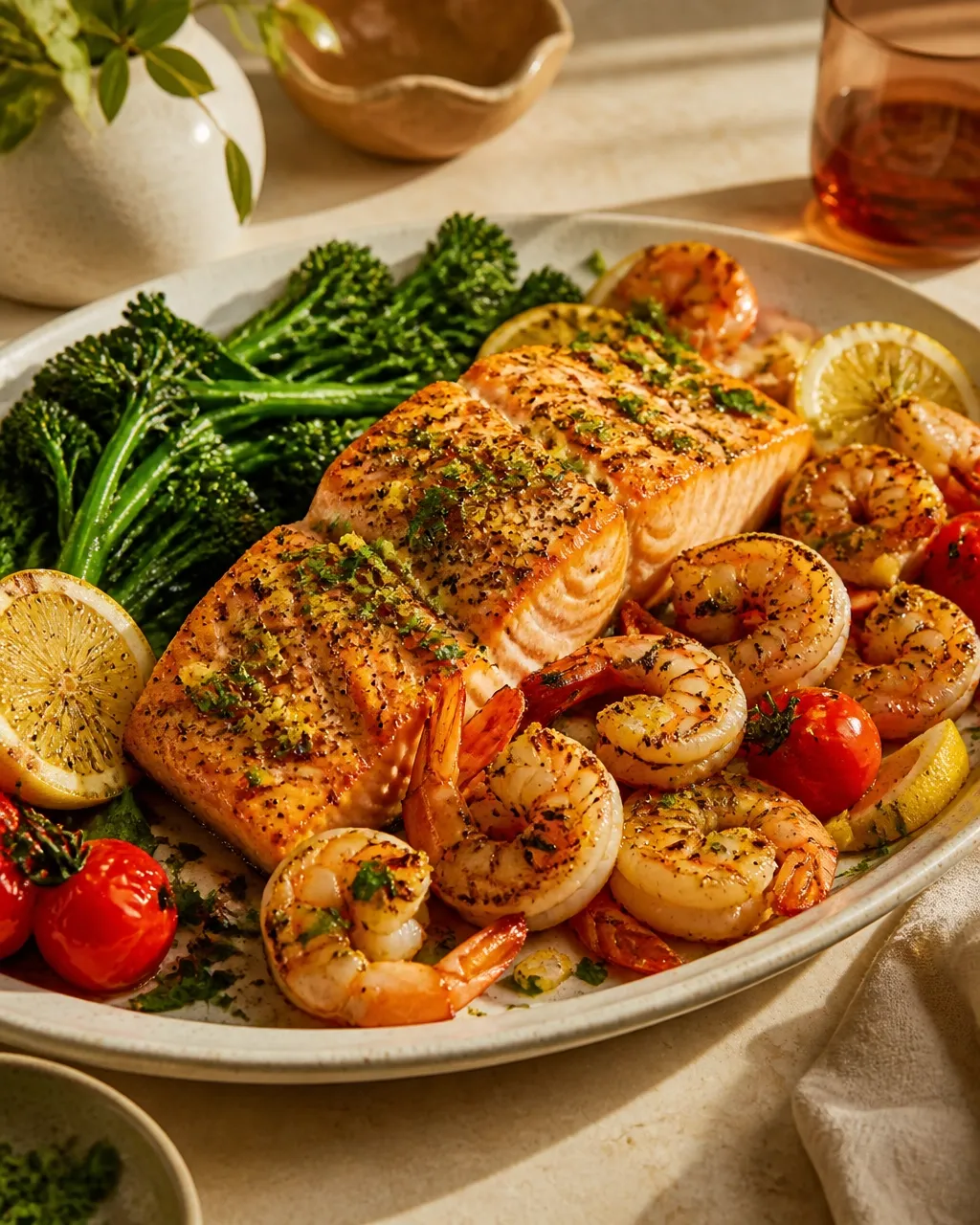
Use a paper towel to pat your shrimp completely dry before they ever touch the pan. This is non-negotiable. If they are wet, the heat of the pan goes into evaporating that surface moisture (steaming) instead of triggers the Maillard reaction (searing). You want that golden-brown crust because that’s where the complex, nutty flavor lives.
Avoid crowding the pan at all costs. When you dump a mountain of cold shrimp into a skillet, the temperature drops instantly, and the shrimp begin to simmer in their own juices. Work in batches if you have to. Check the shape of the shrimp as they cook; a perfect shrimp looks like a "C." If it has curled into an "O," you’ve gone too far and pushed the proteins into the "tough" zone.
Mastering the Butter Emulsion
The sauce in this dish isn't just melted butter; it’s a pan emulsion. When you deglaze the pan with lemon juice, you are picking up the fond: those delicious browned bits stuck to the bottom. But the real magic happens when you whisk in cold butter at the very end.
Watch your heat during this stage. If the pan is screaming hot, the butter will simply melt and separate into a greasy puddle. By lowering the heat and stirring in cold cubes of butter, the milk solids and water in the butter help hold the fat in suspension with the lemon juice. This creates a glossy, velvety sauce that clings to the shrimp rather than sliding off. It’s the same principle I use for my viral garlic butter ramen hack, where fat and liquid become one.
Keep a close eye on your garlic. Garlic contains natural sugars that burn at a much lower temperature than the proteins in the shrimp. Add your minced garlic only during the last minute of searing. If it turns dark brown or black, it will become bitter and ruin the delicate acidity of the lemon. Aim for a pale golden hue that smells sweet and nutty.
Flavor Variations and Balance
While the classic lemon and garlic combo is a titan of 15 minute meals, you can easily pivot the flavor profile by focusing on acid-fat balance.
For a spicy kick, add a teaspoon of red pepper flakes when you sauté the garlic. The heat from the capsaicin cuts through the richness of the butter, while the lemon juice keeps the palate refreshed. If you want something more herbaceous, toss in fresh dill or chives at the very end. The volatile oils in fresh herbs are destroyed by heat, so never cook them; simply let the residual heat of the sauce wake them up.
Try a Mediterranean twist by adding a tablespoon of drained capers and a few halved cherry tomatoes during the deglazing phase. The brine from the capers adds a "pop" of saltiness that contrasts beautifully with the creamy butter. This approach to building layers of flavor is a staple in many of our healthy dinner ideas, ensuring you don't need heavy creams to achieve a "luxury" mouthfeel.
Perfect Side Dish Pairings
The beauty of a 15-minute protein is that it gives you a tiny bit of breathing room to think about your sides. Since the sauce is the star here, you want a "mop" to soak it all up.
A bed of fluffy basmati rice or a simple mound of angel hair pasta is traditional for a reason. The starch molecules in the rice or pasta bond with the fat in the butter sauce, ensuring every bite is seasoned. If you’re looking for quick family meals that feel a bit lighter, serve the shrimp over a pile of zoodles (zucchini noodles) or a quick cauliflower mash.
Balance the richness with something bitter or crunchy. A side of roasted asparagus or a quick arugula salad with a light vinaigrette works wonders. The slight bitterness of the greens acts as a palate cleanser against the garlic-heavy sauce. If you have an extra five minutes, check out my guide on air fryer recipes dinner for inspiration on quick veggie sides that don't require much cleanup.
Frequently Asked Questions
Can I use frozen shrimp for this?
Absolutely. In fact, unless you live on the coast, "fresh" shrimp at the counter are often just thawed frozen shrimp. The key is to thaw them properly. Place them in a colander under cold running water for about 5 minutes. Never use warm water, as it will start to "cook" the outside and denature the proteins unevenly, leading to a mushy texture.
Why did my sauce separate and look oily?
Your pan was likely too hot when you added the butter, or you didn't move the pan enough. An emulsion requires two things: a temperature below the boiling point and agitation. If it breaks, don't panic. Add a teaspoon of water or chicken broth and whisk vigorously; the extra liquid can sometimes help "catch" the fat and pull it back into the sauce.
Is it necessary to remove the tails?
That’s a personal preference. Keeping the tails on makes for a prettier presentation and provides a convenient "handle" if you're serving these as an appetizer. However, if you’re tossing them into pasta for a busy weeknight meal, remove them beforehand so you don't have to fish them out of your bowl later.
Can I substitute the butter with olive oil?
You can, but you won't get that creamy, emulsified sauce. Olive oil is 100% fat, whereas butter contains water and milk solids that act as natural emulsifiers. If you must use oil, the dish will be more of a "shrimp scampi" style, which is still delicious but lacks the velvety body of a butter-based sauce.
How do I prevent the lemon from tasting bitter?
Bitterness usually comes from two sources: overcooking the juice or accidentally getting the white "pith" of the lemon peel into the pan. Add your juice at the very end of the cooking process. High heat for an extended period can break down the bright citric acid into duller, more bitter compounds.
{“@type”:”BlogPosting”,”image”:[“https://cdn.marblism.com/d4bMlPdqW7f.webp”,”https://cdn.marblism.com/Weg09ufRS6u.webp”,”https://cdn.marblism.com/DgndOYBKs62.webp”,”https://cdn.marblism.com/JvNmPM3VKJZ.webp”],”author”:{“name”:”Penny”,”@type”:”Person”},”@context”:”https://schema.org”,”headline”:”Easy Dinner 15-Minute Lemon Garlic Butter Shrimp”,”publisher”:{“logo”:{“url”:”https://cdn.marblism.com/r31hCYxu5lk.webp”,”@type”:”ImageObject”},”name”:”Cookpedia”,”@type”:”Organization”},”description”:”A minimalist and soulful guide to making a 15-minute lemon garlic butter shrimp dinner. Learn the science of shrimp protein and butter emulsions for the perfect quick meal.”,”datePublished”:”2026-06-14″}