Recipe
Servings
Servings 1×
Ingredients
- Chicken
- Potatoes
- Sweet potatoes
- Garlic
- Lemon
- Black pepper
Method
- Add a bright squeeze of lemon at the table, and you have a meal that tastes far more complicated than it is.
- Keep this one for busy evenings when you want real comfort without a sink full of pans.
- Pat the chicken thoroughly dry before seasoning, and do not rinse it.
- Use bone-in, skin-on chicken thighs when you want the most forgiving result.
- Start with a properly hot oven.
- Use lemon zest for concentrated lemon aroma and save most of the juice for serving.
Some dinners earn a permanent place in your rotation, and this crispy lemon pepper chicken is one of them. The chicken turns deeply golden and crackly while the sweet potato wedges roast into caramelized, tender-edged perfection. Add a bright squeeze of lemon at the table, and you have a meal that tastes far more complicated than it is. Keep this one for busy evenings when you want real comfort without a sink full of pans.
The Science of Crispy Chicken and Caramelized Sweet Potatoes
The non-negotiable for crisp chicken is a dry surface. Moisture is the enemy of browning because the chicken skin must first release water before it can become hot enough to develop that savory, toasted flavor. Pat the chicken thoroughly dry before seasoning, and do not rinse it. You will get better browning and fewer splashes around the kitchen.
Use bone-in, skin-on chicken thighs when you want the most forgiving result. The bone slows cooking slightly, while the dark meat contains more connective tissue and fat than breast meat. As the chicken roasts, that connective tissue softens and the fat renders beneath the skin. The result is juicy meat with a crisp exterior instead of the dreaded dry-chicken situation.
Start with a properly hot oven. A strong burst of heat helps the skin render and encourages the Maillard reaction, the series of browning reactions responsible for those roasted, savory flavors. Then let the chicken finish at a slightly lower temperature. This two-stage approach gives the skin time to crisp without forcing the outside to burn before the center is cooked.
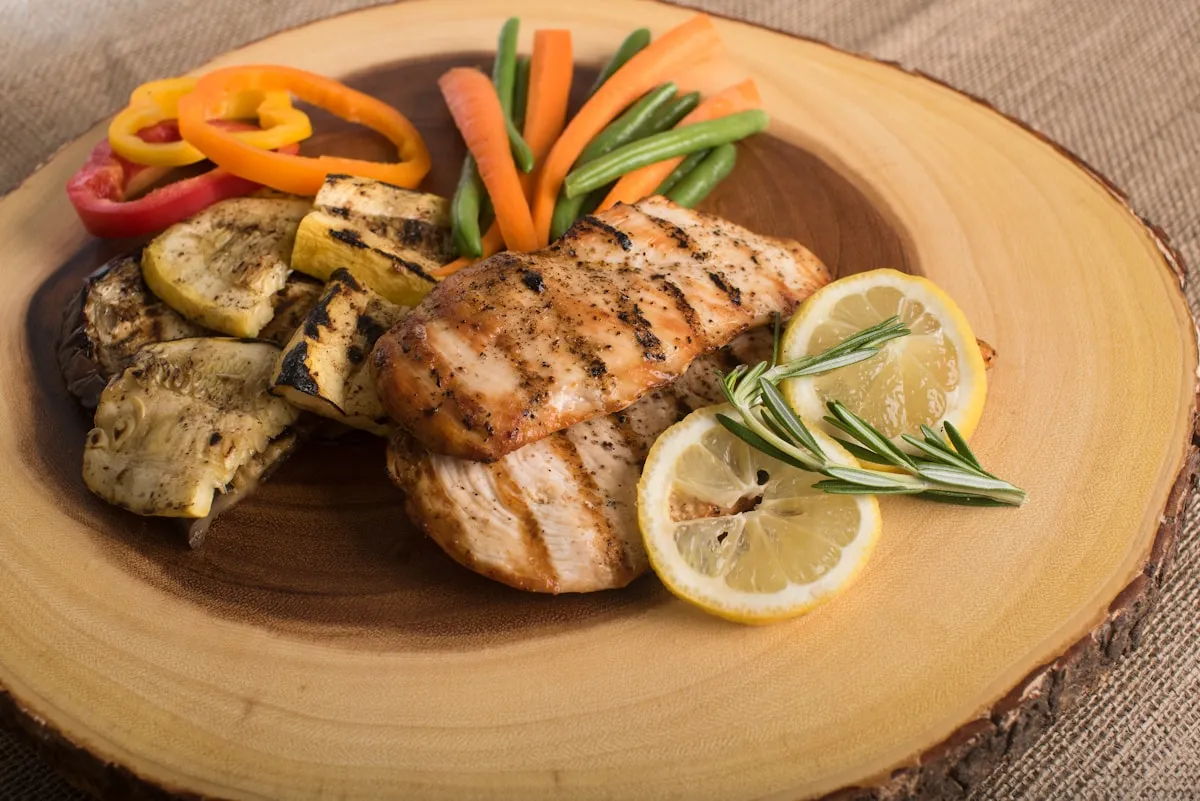
Elevate the chicken on a wire rack whenever possible. Air can move underneath the thighs, and the skin stays above the rendered fat rather than sitting in it. That small bit of airflow makes a surprising difference. If you place the chicken directly on a flat pan, the underside can soften where it meets the juices. Delicious? Yes. Crispy all around? Not quite.
Use lemon zest for concentrated lemon aroma and save most of the juice for serving. Lemon zest contains aromatic oils that work beautifully with a little fat, allowing the citrus fragrance to cling to the chicken during roasting. Lemon juice, on the other hand, adds water and acidity. Put too much on the chicken before roasting, and you can make the surface wetter just when you are asking it to crisp.
Add the juice at the end instead. The acidity cuts through the richness of the chicken skin and wakes up the sweet potatoes. Think of it as a finishing adjustment rather than just another seasoning. Taste the finished plate, then squeeze. You can always add more brightness, but you cannot remove a citrus flood.
For an extra-crisp finish, a small amount of baking powder mixed into the seasoning can help. It raises the surface pH, which encourages browning and helps create a brittle texture. Use only a modest amount, and choose baking powder rather than baking soda. They are not interchangeable here unless you want a distinctly unpleasant chemistry experiment with dinner.
Give the sweet potato wedges room to breathe. Crowding traps steam, and steam makes wedges soft before they have a chance to brown. Spread them in a single layer with a little space between pieces. Turn their cut sides toward the hot pan so those broad surfaces can caramelize.
Sweet potatoes brown especially well because they contain natural sugars. As their moisture evaporates in the oven, the sugars become more concentrated and the edges develop a darker, sweeter flavor. Cut the wedges evenly enough that they finish at the same time, but do not worry about making them identical. A homemade dinner is allowed to look homemade.
Place the wedges on their own tray if you can. Chicken releases fat and juices as it cooks, while sweet potatoes need dry, direct heat for proper caramelization. Separate trays prevent the vegetables from becoming greasy and make it easier to remove them if they finish first.
Finally, check the chicken with an instant-read thermometer in the thickest part, avoiding the bone. Chicken is safely cooked when it reaches at least 165°F (74°C), although thighs often become more tender at a slightly higher temperature. Rest the chicken briefly before serving. This gives the juices time to settle instead of running straight onto the cutting board.
For another straightforward approach to roasted poultry, browse Cookpedia’s chicken recipes or try the technique in Simple Lemon Herb Roasted Chicken.
Easy Variations Without Losing the Balance
Keep the basic contrast intact: rich, savory chicken needs brightness, while sweet potatoes benefit from heat, herbs, or something tangy.
For a smoky version, add smoked paprika to the sweet potato seasoning and use a little extra black pepper on the chicken. The smoke deepens the roasted flavor without overwhelming the lemon. Finish with chopped parsley or cilantro for a fresh green note.
Make it spicy with red pepper flakes or a pinch of cayenne. Add the heat to the chicken seasoning, the wedges, or both. Start cautiously; pepper intensifies as it roasts, and you want the lemon to remain noticeable.
Try a garlic-herb variation by adding dried oregano or thyme to the chicken. Fresh herbs are best scattered over the finished meal rather than roasted for the entire cooking time, since delicate leaves can darken and lose their freshness at high heat.
Prefer boneless chicken? Use boneless thighs for a faster dinner, but watch them carefully because they cook more quickly and have less protection from drying. Chicken breasts can work too, especially when evenly thick, but they are less forgiving. A thermometer is essential.
You can also adapt the method for air fryer recipes dinner, especially if you are cooking a smaller batch. Air circulation encourages crisping, but avoid overcrowding the basket. Cook the chicken and wedges separately if the basket is tight; crowded food steams, and nobody invited steam to this crispness party.
Side Dishes That Keep the Plate Fresh
This chicken and sweet potato combination is hearty, so pair it with something crisp, green, or acidic. A simple leafy salad with a sharp vinaigrette adds contrast without competing with the lemon pepper seasoning. Cucumber, radish, and celery also bring welcome crunch.
For something warm, serve steamed green beans, broccoli, or asparagus. Keep the vegetables lightly seasoned and finish them with lemon rather than a heavy sauce. The goal is to balance the roasted chicken, not build a second rich centerpiece.
A spoonful of plain yogurt mixed with herbs makes a cool, tangy accompaniment. Its acidity and creamy texture soften the pepper while complementing the sweet potatoes. If you want a grain, choose a modest portion of quinoa or brown rice and add a squeeze of lemon so the meal does not feel too dense.
For more practical combinations, explore Cookpedia’s healthy recipes, salad collection, or 30-minute meals.
FAQ: What If My Chicken or Wedges Do Not Crisp?
What if the chicken skin stays soft?
Check the surface first. If the chicken went into the oven wet, the heat had to evaporate moisture before browning could begin. Dry it thoroughly next time. Also check whether the pieces were touching or sitting in liquid. Use a rack, leave space between the thighs, and pour off excess pan juices only after cooking if necessary.
What if the chicken browns before it is cooked through?
Lower the oven temperature and continue roasting until the thickest part reaches a safe internal temperature. Do not judge doneness by skin color alone. Dark skin means browning, not necessarily a cooked center. If the skin is getting too dark, loosely cover it with foil while the meat finishes.
What if my sweet potato wedges are soft instead of caramelized?
They were probably crowded, too wet, or cut too thickly. Spread them out on a hot tray and leave gaps between the pieces. Avoid adding watery sauces before roasting. If they are tender but pale, return them to the oven for a little longer and increase the heat briefly while watching the edges.
What if the sweet potatoes burn?
Reduce the heat slightly and move the tray to a higher or lower rack depending on where the strongest heat is coming from. Very thin wedges can burn before their centers soften, so cut them a little thicker next time. Dark baking trays also brown food more aggressively than pale ones.
Can I use bottled lemon juice?
Yes, but use it mainly at the end. Bottled juice provides acidity, though it usually lacks the fragrant citrus oils found in fresh zest. Add fresh zest to the seasoning if possible, then finish with bottled juice only after the chicken and wedges have browned.
Why does my chicken taste salty?
Lemon pepper seasoning can vary dramatically in salt content. Taste the seasoning before adding extra salt, and adjust conservatively. You can balance an overly salty plate with unsalted vegetables, plain yogurt, or additional sweet potato. Avoid adding more lemon juice as a fix; acidity brightens flavor but does not remove salt.
Can I prepare this as one of my quick family meals?
Absolutely, provided you organize the cooking around oven time rather than trying to rush the chicken. Get the chicken dry and seasoned while the oven heats, then prep the wedges. Use separate trays, and start checking the vegetables and chicken before the expected finish time. A thermometer saves more time than guessing.
Is this a good choice for healthy dinner ideas?
It can fit comfortably into a balanced meal. Serve a reasonable portion of chicken, keep the sweet potatoes roasted rather than heavily sauced, and add a generous green vegetable or salad. “Healthy” does not require a sad plate of plain food. It means building a meal with satisfying protein, fiber-rich sides, and enough flavor that you actually enjoy eating it.