Recipe
Servings
Servings 1×
Cook 13 min
Ingredients
- Chicken
- Broccoli
- Avocado
- Garlic
- Fresh ginger
- Honey
- Cooking oil
- Soy sauce or tamari
- Salt
- Black pepper
Method
- Use a paper towel and pat your chicken thighs until they are bone-dry.
- Use a cast-iron skillet if you have one.
- Place them skin-side down and leave them alone.
- Add the glaze only in the final few minutes of cooking.
- Cook the garlic just until you can smell it: usually 20 to 30 seconds: then immediately hit the pan with your liquid ingredients (soy sauce, vinegar, or honey) to drop the temperature and stop the browning.
- Spread your florets out on a large baking sheet so they have plenty of "personal space." This allows the dry heat of the oven to circulate around each piece, evaporating moisture quickly and allowing the edges to char.
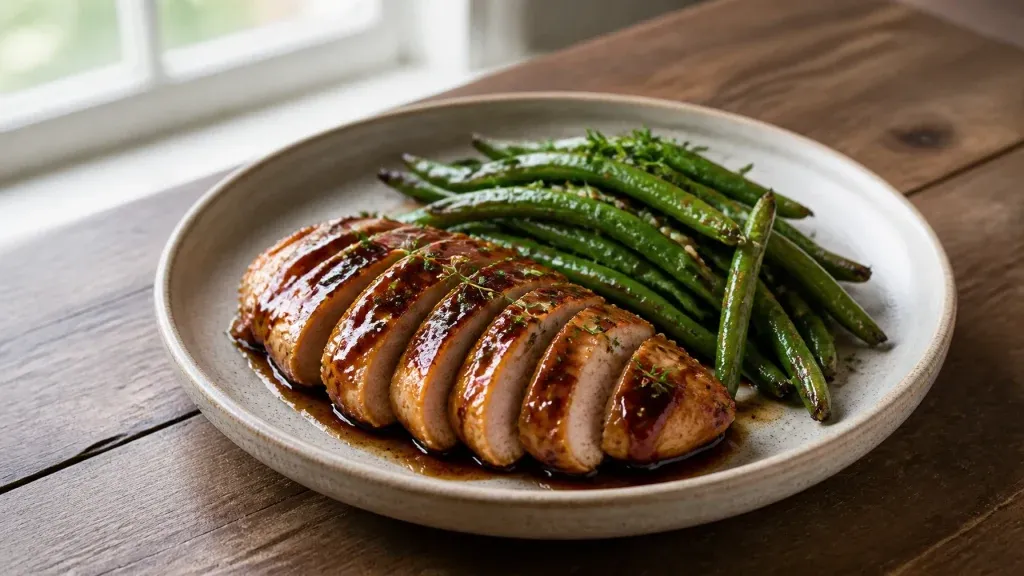
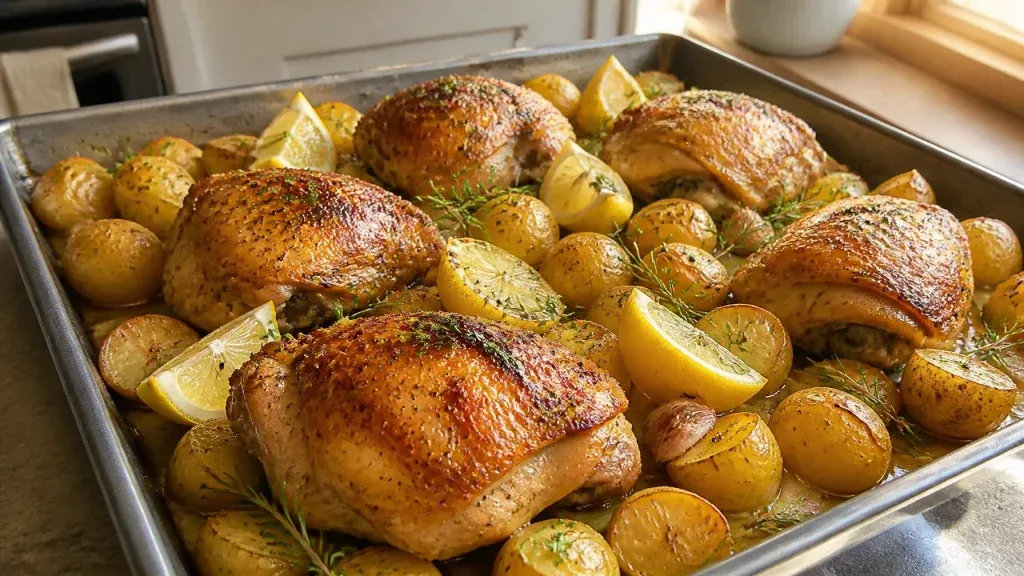
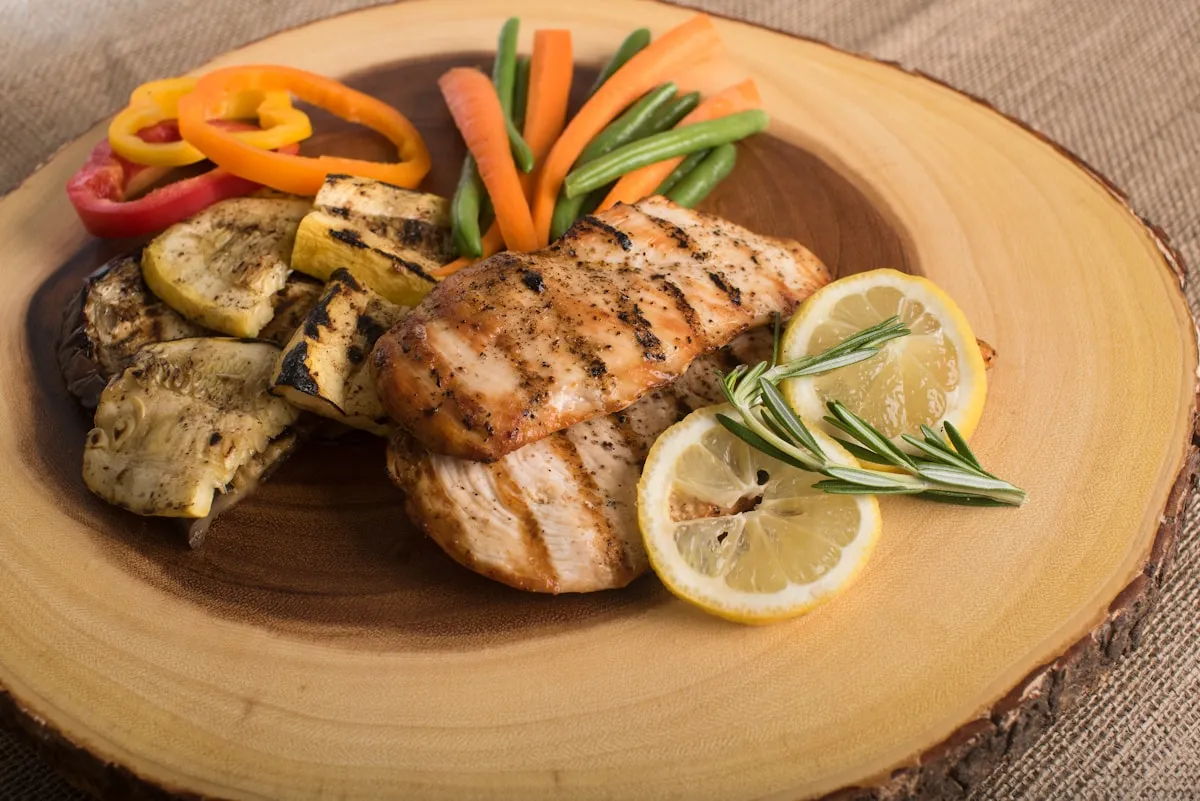
If you have spent any time staring blankly into your refrigerator at 6:00 PM, you know the specific brand of desperation that only a hungry family can inspire. You want something that tastes like a weekend celebration but takes the effort of a Tuesday nap. Enter the humble chicken thigh. Paired with crispy roasted broccoli and a sticky, savory-sweet glaze, this dish is one of those easy dinner recipes that will make you feel like a kitchen genius without requiring a culinary degree or a mountain of dishes.
The Science of the Sear: Maillard and Moisture
To master this dish, you have to understand the Maillard reaction. This is the chemical dance between amino acids and reducing sugars that gives seared meat its complex, savory flavor and that gorgeous golden-brown color. If your chicken looks pale and sad, it’s likely because moisture crashed the party. Use a paper towel and pat your chicken thighs until they are bone-dry. Any surface water will turn into steam, and steam is the enemy of the crust.
Once dry, season them generously with salt. If you have the luxury of time, let them sit for 20 minutes; this "dry brine" draws moisture out and then reabsorbs the salted brine, seasoning the meat deep inside while keeping the surface ready for a high-heat encounter. Use a cast-iron skillet if you have one. The heavy metal retains heat better than flimsy pans, ensuring that when the cold chicken hits the surface, the temperature doesn't plummet. Place them skin-side down and leave them alone. Avoid the urge to peek. You want that skin to render its fat and transform into a crisp, savory crackling.
Honey Chemistry: Caramelization vs. Carbonization
Honey is the star of this glaze, but it’s a temperamental one. Honey is primarily fructose and glucose, which begin to caramelize at relatively low temperatures: around 320°F (160°C). This process creates nutty, complex flavor profiles that elevate quick healthy meals from "fine" to "addictive." However, there is a very fine line between deep caramelization and carbonization (also known as burning).
If you add your honey-based sauce too early in the searing process, the sugars will scorch and turn bitter before the chicken is cooked through. Add the glaze only in the final few minutes of cooking. This allows the sauce to reduce and cling to the meat, creating a sticky lacquer, without the risk of turning your dinner into a charcoal briquette.
The Garlic Window
Garlic contains a compound called allicin, which provides that signature bite. When you mince garlic, you're rupturing cell walls and triggering a chemical reaction that creates this pungency. However, garlic is delicate. It has a high sugar content and tiny particle size, meaning it can burn in as little as 30 seconds in a hot pan. Avoid tossing your garlic into a dry, screaming-hot skillet. Instead, wait until you have some rendered chicken fat or a bit of oil in the pan, and turn the heat down to medium. Cook the garlic just until you can smell it: usually 20 to 30 seconds: then immediately hit the pan with your liquid ingredients (soy sauce, vinegar, or honey) to drop the temperature and stop the browning.
Broccoli and the Steam Trap
The biggest mistake people make with roasted broccoli is overcrowding the pan. Broccoli florets are little sponges filled with water. When they hit a 425°F (220°C) oven, that water wants to escape. If the florets are packed tightly together, the escaping steam gets trapped, and you end up with mushy, dull-green vegetables.
Spread your florets out on a large baking sheet so they have plenty of "personal space." This allows the dry heat of the oven to circulate around each piece, evaporating moisture quickly and allowing the edges to char. That char is where the sweetness lives. High-heat roasting transforms the sulfurous compounds in broccoli into something much sweeter and nuttier. Use a high-smoke-point oil like avocado or grapeseed oil to ensure you don't fill your kitchen with smoke before the broccoli is done.
Creative Variations
While the classic honey-garlic combo is a powerhouse, you can easily pivot based on what’s in your pantry. This is one of the most versatile budget friendly recipes in your arsenal.
- Bring the Heat: Whisk in a tablespoon of Sriracha or a teaspoon of red pepper flakes into the glaze. The capsaicin in the peppers balances the heavy sweetness of the honey.
- Citrus Brightness: Swap half of the honey for fresh orange juice and add a bit of zest. The citric acid provides a necessary "high note" that cuts through the fat of the chicken thighs.
- Ginger Zing: Grate an inch of fresh ginger into the sauce. Ginger contains zingibain, an enzyme that can actually help tenderize the meat while adding a refreshing, spicy undertone.
- The Bone-In Option: If you prefer bone-in, skin-on thighs, increase your cooking time by about 10-15 minutes. The bone acts as an insulator, keeping the meat even juicier, though it requires more patience.
Side Dish Pairings for Balance
To round out your meal, look for sides that offer a contrast in texture or acidity. This helps prevent the meal from feeling too heavy or one-dimensional.
- Grains: Serve the chicken over a bed of jasmine rice or quinoa. These act as a neutral canvas for the extra honey-garlic glaze. Check out our quick meals guide for more grain inspiration.
- Acidity: A simple cucumber salad with rice vinegar and sesame oil provides a cold, crisp contrast to the warm, sticky chicken.
- Starch: If you aren't feeling rice, some smashed baby potatoes roasted on the same tray as the broccoli are fantastic. The potatoes will soak up some of the rendered chicken fat, making them incredibly flavorful.
Incorporating these elements turns your meal into a restaurant-quality experience. If you’re looking for other easy dinner recipes, consider trying our 15-minute pesto gnocchi for those nights when even roasting a chicken feels like too much work.
FAQ: The Science of Success
Why do my chicken thighs always come out rubbery?
Rubbery chicken is usually a sign of undercooking or overcrowding. Chicken thighs are rich in connective tissue (collagen). Unlike chicken breasts, which dry out past 165°F (74°C), thighs actually benefit from being cooked slightly higher: closer to 175°F (80°C). This extra heat allows the collagen to melt into gelatin, giving the meat that succulent, melt-in-your-mouth texture. Use a meat thermometer to be sure.
Can I use chicken breast instead for quick healthy meals?
You can, but be careful. Chicken breasts lack the fat and connective tissue of thighs, making them prone to drying out. If you use breasts, sear them quickly and consider "velveting" them with a little cornstarch first to create a protective barrier. Keep a close eye on the internal temperature; once they hit 165°F, pull them immediately.
Why is my honey garlic sauce so thin?
If your sauce isn't coating the back of a spoon, you haven't reduced it enough. Reduction is simply the process of simmering a liquid to evaporate water, which concentrates the flavors and thickens the texture. If you're in a rush, whisk a teaspoon of cornstarch with a teaspoon of cold water (a slurry) and stir it into the simmering sauce. It will thicken in seconds.
Is this actually one of those budget friendly recipes?
Absolutely. Chicken thighs are almost always cheaper than breasts. Honey, garlic, and soy sauce are pantry staples with long shelf lives. By buying broccoli in bulk or even using frozen florets (just thaw and dry them very well before roasting!), you can keep the cost per serving very low while maintaining a high nutritional profile.
My broccoli turned brown but isn't soft. What happened?
Your oven was likely too hot, or your florets were too large. The outside charred before the heat could penetrate the core. Cut your florets into smaller, uniform pieces and ensure the oven is at a steady 425°F. If they are browning too fast, toss them once and move the tray to a lower rack.
How do I store leftovers without the chicken getting soggy?
Store the chicken and broccoli in separate containers if possible. When reheating, avoid the microwave if you want to keep the skin's texture. Use an air fryer or a toaster oven set to 350°F (175°C) for 5-7 minutes. This will re-crisp the skin and the broccoli edges while warming the center. For more tips on quick prep, see our avocado toast guide for fast breakfast ideas that utilize similar fresh ingredients.
{“@type”:”BlogPosting”,”image”:”https://cdn.marblism.com/xar1FoFc6pR.webp”,”author”:{“name”:”Penny”,”@type”:”Person”},”faqPage”:{“@type”:”FAQPage”,”@context”:”https://schema.org”,”mainEntity”:[{“name”:”Why do my chicken thighs always come out rubbery?”,”@type”:”Question”,”acceptedAnswer”:{“text”:”Rubbery chicken is usually a sign of undercooking or overcrowding. Chicken thighs are rich in collagen and benefit from being cooked to 175°F (80°C) to allow the connective tissue to melt into gelatin.”,”@type”:”Answer”}},{“name”:”Why is my honey garlic sauce so thin?”,”@type”:”Question”,”acceptedAnswer”:{“text”:”The sauce needs to be reduced to evaporate water. You can also use a cornstarch slurry (cornstarch mixed with cold water) to thicken it quickly while simmering.”,”@type”:”Answer”}}]},”@context”:”https://schema.org”,”headline”:”Easy Dinner Recipes: Honey Garlic Chicken Thighs with Roasted Broccoli”,”publisher”:{“logo”:{“url”:”https://cookpedia.com/logo.png”,”@type”:”ImageObject”},”name”:”Cookpedia”,”@type”:”Organization”},”description”:”Learn the science behind perfect honey garlic chicken thighs and crispy roasted broccoli. A quick, healthy, and budget-friendly dinner guide for home cooks.”,”datePublished”:”2026-07-20″,”mainEntityOfPage”:{“@id”:”https://cookpedia.com/blog/honey-garlic-chicken-thighs”,”@type”:”WebPage”}}