Recipe
Servings
Servings 1×
Ingredients
- Salmon
- Quinoa
- Broccoli
- Asparagus
- Spinach
- Kale
- Onion
- Garlic
- Fresh ginger
- Lemon
- Lime
- Cream
- Butter
- Cooking oil
- Soy sauce or tamari
- Black pepper
Method
- Prepare the ingredients described in the article and heat the cooking surface or oven as directed.
- Cook the main ingredients using the heat and timing guidance in the article.
- Finish with the seasonings and garnishes named in the article, then serve.
You know that 5:00 PM feeling. You’re standing in front of the fridge, the light is humming, and your brain is a complete blank. You want something that tastes like a weekend celebration but fits into the chaotic window between finishing work and collapsing on the couch. Enter the 15-minute salmon. This isn't just about speed; it’s about a high-impact, soulful meal that respects your time and your palate. When you master a few basic scientific principles of heat and moisture, you can turn a humble piece of fish into a restaurant-quality centerpiece. It’s one of those easy dinner recipes that stays in your back pocket forever because it’s reliable, elegant, and genuinely good for you.
The Science of the Perfect Sear
Getting that golden, crispy crust isn't luck; it's physics. The biggest enemy of a good sear is moisture. If your salmon goes into the pan wet, the heat has to spend its energy evaporating that water before it can start browning the fish. This creates steam, which results in gray, rubbery salmon instead of a crisp, caramelized exterior. Always pat your fillets bone-dry with a paper towel. Seriously, do it twice.
Use a heavy skillet, stainless steel or cast iron is best for heat retention, though a high-quality non-stick works if you’re nervous about sticking. Heat your oil until it’s shimmering, almost at the smoking point. This high initial heat triggers the Maillard reaction, where proteins and sugars transform into those complex, savory flavors we crave. Once that fish hits the pan, leave it alone. Resist the urge to poke, prod, or slide it around. If you try to flip it and it resists, it’s not ready. The fish will naturally "release" from the pan once that crust has fully formed.
Don't neglect the temperature gradient. Most home cooks overcook salmon because they wait for the entire fillet to look opaque. By that time, the internal temperature has skyrocketed, and the muscle fibers have tightened so much they’ve squeezed out all the moisture, that’s the white "stuff" (albumin) you see leaking out. Aim to pull the fish off the heat when the center is still slightly translucent. Carryover cooking will finish the job while the fish rests, leaving you with a buttery, flakey texture that melts in your mouth. This is the secret to quick healthy meals that don't taste like cardboard.
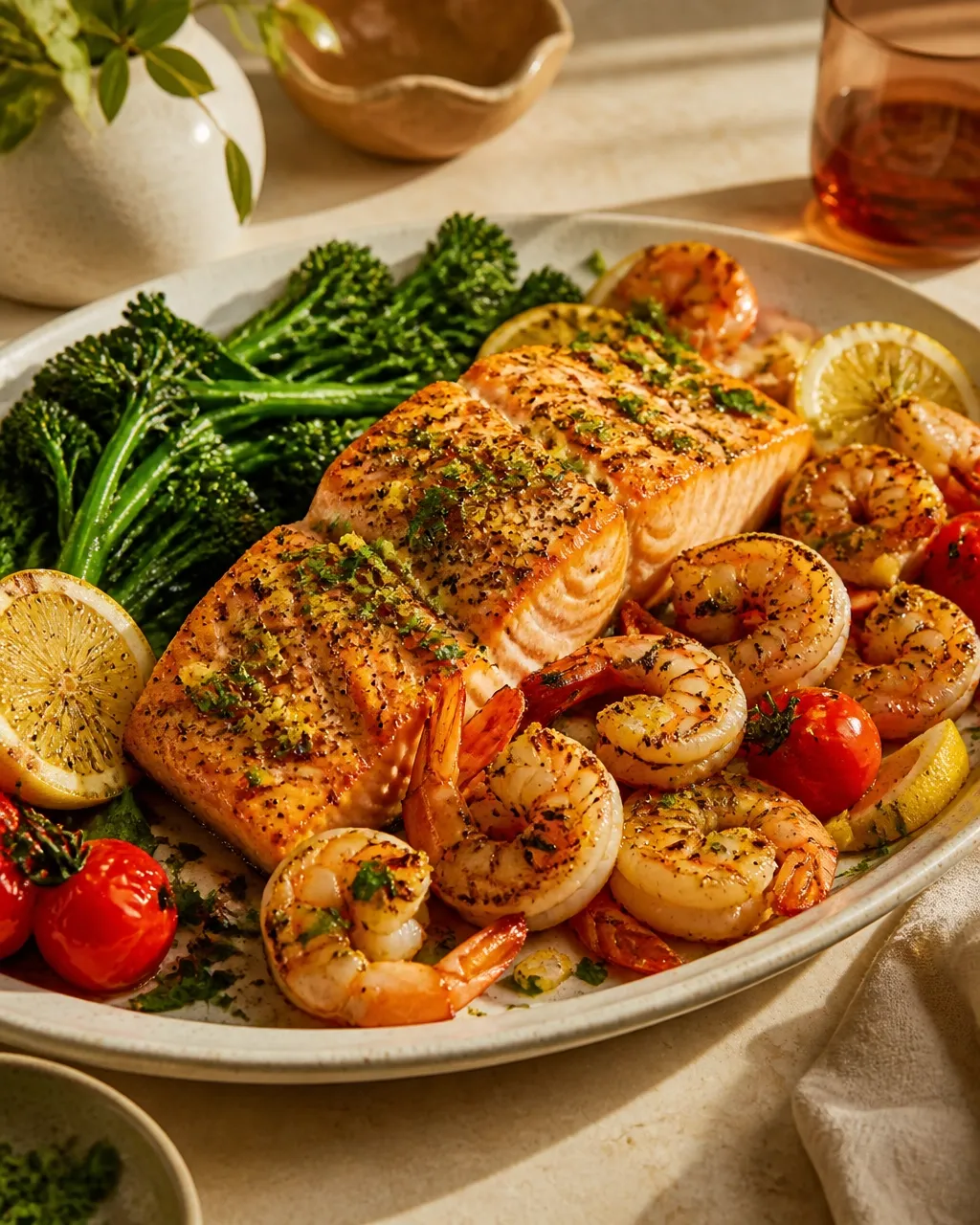
Flavor Variations to Keep it Fresh
While lemon and herbs are a classic pairing, think of this method as a canvas. You can easily pivot the flavor profile without changing the technique. If you want something with more depth, swap the lemon for lime and incorporate a splash of soy sauce and ginger into the finishing butter. The acidity is the non-negotiable part; it cuts through the natural fattiness of the salmon, keeping the dish balanced and bright.
Consider the herbs you have on hand. Dill is the traditional partner for salmon, offering a feathery, anise-like sweetness, but don't overlook tarragon or even chives. If you’re feeling adventurous, a woody herb like thyme can be tossed into the pan during the final basting stage. The hot butter will extract the essential oils from the thyme, infusing the fish with an earthy aroma that feels deeply grounding. For those who like a bit of heat, a pinch of red pepper flakes or a tiny dollop of harissa stirred into the pan sauce at the very end adds a soulful kick that wakes up the entire plate.
The Art of the Side Dish
Because this salmon is so rich and vibrant, your side dishes should focus on texture and contrast. You want something that can catch the leftover lemon-butter sauce without competing for attention. A simple bed of quinoa or couscous works beautifully, as the small grains provide a soft, nutty base for the flakey fish. If you're looking for something lower in carbs, a quick sauté of greens like spinach or kale, hit with a little garlic and a splash of vinegar, provides an acidic punch that complements the salmon’s richness.
Roasted vegetables are another fantastic option. Asparagus or broccolini can be tossed on a sheet pan and roasted in the time it takes to prep and sear your fish. Look for that slightly charred, "crispy-tender" state that mirrors the texture of the salmon’s crust. If you're in the mood for something heartier, check out our Air Fryer Sausage Pepper Onion Medley for inspiration on how to utilize high-heat roasting to get maximum flavor with minimal effort. The key is to keep the sides bright; avoid heavy, cream-based sauces that will make the meal feel sluggish.
Frequently Asked Questions
Should I leave the skin on or take it off?
Keep the skin on! Even if you don't plan on eating it, the skin acts as a protective barrier between the delicate flesh and the intense heat of the pan. It helps the salmon cook more evenly and prevents it from falling apart when you flip it. Plus, if you sear it properly (starting skin-side down), it becomes incredibly crispy and delicious, essentially the "bacon" of the sea.
Can I use frozen salmon for this?
Yes, but you must thaw it completely first. The best way is to leave it in the fridge overnight. If you're in a rush, place the sealed fillets in a bowl of cold water for about 20-30 minutes. Never cook salmon straight from frozen in a pan; the outside will burn while the inside stays icy. Once thawed, follow the "pat dry" rule religiously, as frozen fish tends to release more moisture.
My salmon always sticks to the pan. What am I doing wrong?
Sticking usually happens for two reasons: the pan wasn't hot enough, or you tried to move the fish too soon. When the protein hits a hot, oiled surface, it undergoes a process that eventually causes it to "un-stick" itself once a crust forms. If you try to lift it and it's clinging, give it another 30 seconds. Also, ensure you are using a fat with a high smoke point, like avocado oil or ghee, rather than just plain butter, which can burn and become sticky.
How do I know for sure if it's cooked without a thermometer?
Use the "flake test." Take a fork and gently press down on the thickest part of the fillet. If the layers of the fish begin to separate (flake) easily, it’s done. Another trick is to look at the side of the fillet. You can actually see the color changing from translucent to opaque as the heat moves upward. When that change reaches about three-quarters of the way up the side, it’s time to flip and finish the other side briefly.
What’s the best way to store and reheat leftovers?
Salmon is best fresh, but leftovers can last up to two days in an airtight container in the fridge. To reheat, avoid the microwave: it will turn your beautiful fish into a rubber eraser. Instead, warm it gently in a pan over low heat with a splash of water and a lid, or flake it cold into a salad or over a Spicy Tomato Basil One-Pot Linguine.
{“@type”:”BlogPosting”,”image”:”https://cdn.marblism.com/k2vqudiwwUL.webp”,”author”:{“name”:”Penny”,”@type”:”Person”},”@context”:”https://schema.org”,”headline”:”Fast & Flavorful: 15-Minute Lemon Herb Salmon”,”publisher”:{“logo”:{“url”:”https://cdn.marblism.com/KxroJ1kM_KA.webp”,”@type”:”ImageObject”},”name”:”Cookpedia”,”@type”:”Organization”},”description”:”Master the art of the 15-minute lemon herb salmon with this guide on searing techniques, flavor variations, and the science behind the perfect crust.”,”datePublished”:”2026-06-08T11:00:00Z”,”mainEntityOfPage”:{“@id”:”https://cookpedia.com/fast-flavorful-15-minute-lemon-herb-salmon”,”@type”:”WebPage”}}