Recipe
Servings
Servings 1×
Ingredients
- Cod
- Broccoli
- Asparagus
- Avocado
- Tomatoes
- Garlic
- Lemon
- Butter
- Cooking oil
- Chili seasoning
- Black pepper
Method
- Use paper towels to pat every single millimeter of that cod until it’s bone-dry.
- Use a neutral oil with a high smoke point for the initial sear, think avocado or grapeseed oil.
- Use a heavy-bottomed skillet , preferably cast iron or stainless steel, to maintain consistent heat when the cold fish hits the surface.
There is a specific kind of magic that happens when a cold piece of fish meets a screaming hot pan and a knob of butter. Most people treat cod like a fragile glass sculpture, but I’m here to tell you that it’s actually a workhorse for your rotation of quick family meals. If you are tired of soggy, grey fish, this 15-minute technique is your ticket to a restaurant-quality sear that actually tastes like "real food." Stop overcomplicating things and let the sizzle do the talking.
The Science of the Sear: Master the Maillard
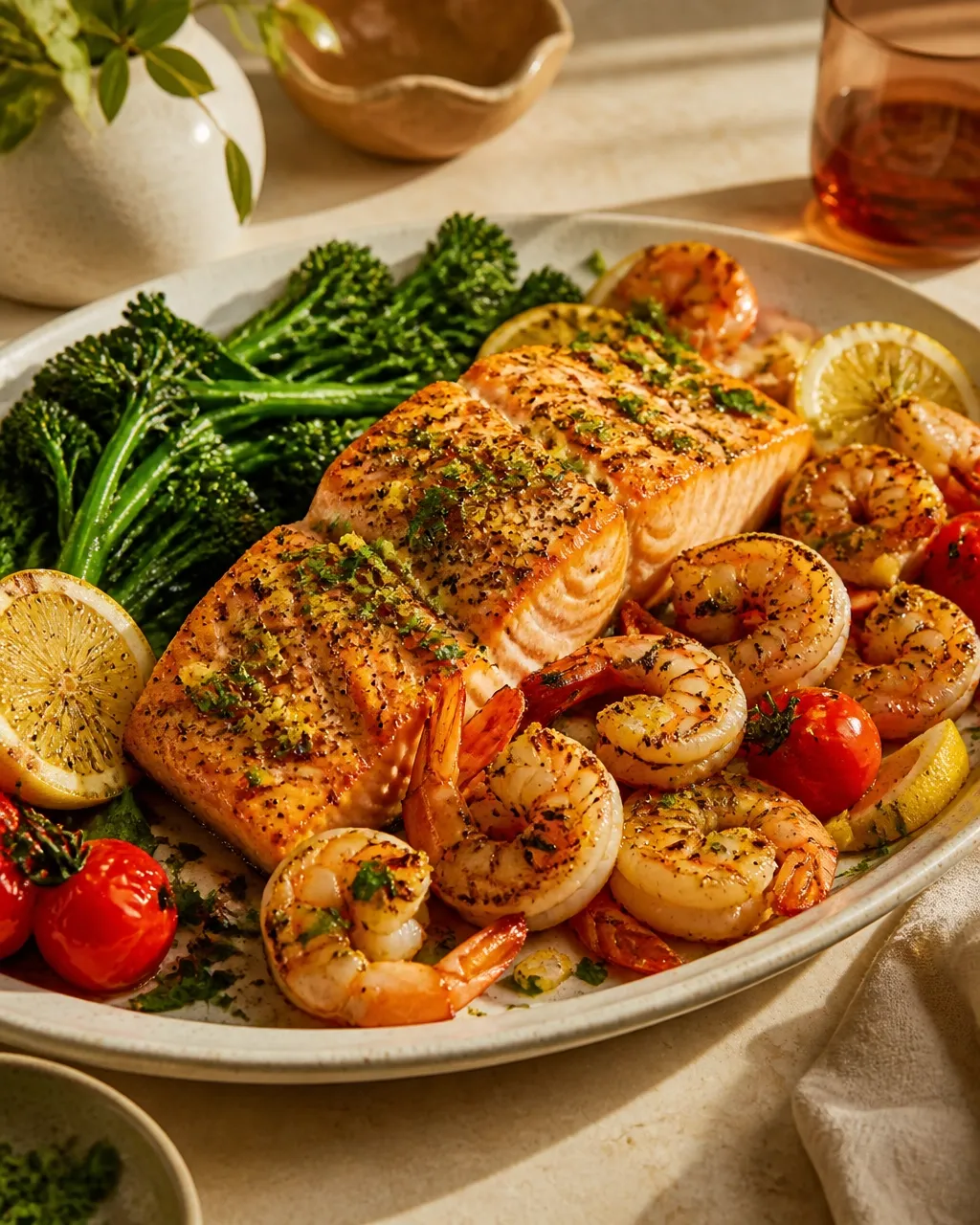
If you want that gorgeous, deep-brown crust shown in the photo above, you have to understand the Maillard reaction. This isn't just "browning"; it’s a chemical dance between amino acids and reducing sugars that creates hundreds of different flavor compounds. For a lean fish like cod, which is high in moisture, achieving this reaction is a battle against steam.
Dry your fish like your dinner depends on it. Use paper towels to pat every single millimeter of that cod until it’s bone-dry. If the surface is wet, the heat of the pan will spend all its energy evaporating that water (turning your dinner into a steam bath) instead of searing the protein. You cannot get a crust on a wet fish. Period.
Choose the right fat for the job. Use a neutral oil with a high smoke point for the initial sear, think avocado or grapeseed oil. Butter is delicious, but its milk solids burn quickly at the high temperatures needed for Maillard browning. Save the butter for the finish (more on that later).
Respect the preheat. Wait until your oil is shimmering and just starting to send up a tiny wisp of smoke. If the pan isn't hot enough, the fish will bond to the metal, and you’ll end up with a shredded mess. Use a heavy-bottomed skillet, preferably cast iron or stainless steel, to maintain consistent heat when the cold fish hits the surface.
Leave it alone. This is the hardest part for most home cooks. Once that cod hits the pan, do not touch it. Do not nudge it. Do not "check" the underside. The fish will naturally release itself from the pan once the crust has fully formed. If it’s sticking, it’s telling you it’s not ready yet. Wait another 30 seconds, then use a thin, flexible fish spatula to gently flip.
Soulful Variations for Every Palette
While the classic lemon-butter combo is a pillar of healthy dinner ideas, you can easily pivot this dish to suit your mood. Cod is a blank canvas, which makes it one of the most versatile proteins for quick family meals when you’re staring at an empty fridge.
- The Mediterranean Twist: Toss in a handful of briny capers and halved cherry tomatoes during the last two minutes of cooking. The acidity of the tomatoes creates a rough pan sauce that cuts through the buttery richness of the fish.
- The Herbaceous Route: Swap the parsley for fresh dill or tarragon. These herbs have an affinity for white fish that feels elegant without requiring any extra effort.
- The Chili-Garlic Punch: If you want some heat, bloom some red pepper flakes and sliced garlic in the butter before basting. It transforms the dish into something vibrant and punchy.
- Alternative Fats: If you’re keeping things strictly keto or dairy-free, use ghee or a high-quality olive oil. You’ll lose the foaming browning of butter, but the lemon and zest will still carry the flavor home.
Perfect Side Dish Pairings
Balance is the goal here. Because the cod is buttery and rich, you need sides that offer acidity or a crisp texture to keep the plate from feeling heavy.
A bright arugula power salad is my personal favorite. The peppery bite of the greens and the acidity of a simple vinaigrette act as a palate cleanser between bites of flaky fish. If you want something more substantial, a side of spicy tomato basil linguine provides a glossy, savory base that complements the lemon notes beautifully.
For those who love their gadgets, you can always whip up some roasted vegetables in the air fryer while the fish sears. While we usually save the heavy lifting for air fryer recipes dinner, a quick basket of lemon-zested asparagus or broccoli is the perfect "set it and forget it" companion to your stovetop cod.
FAQ: Solving Your Seafood Woes
Why did my cod fall apart in the pan?
Cod has a very large "flake," which makes it delicate. This usually happens because you flipped it too early or used a dull spatula. Use a thin metal fish spatula to get underneath the crust without tearing it. Also, make sure your fillets aren't too thin; look for center-cut loins which are thicker and hold their shape better.
Can I use frozen cod?
Yes, but you must thaw it completely and: I cannot stress this enough: dry it thoroughly. Frozen fish often releases more water than fresh, so you might need to use extra paper towels. If you’re really in a rush and need healthy dinner ideas that don't involve thawing, consider air fryer recipes dinner options instead, as pan-searing frozen fish usually results in a rubbery texture.
What is the "safe" temperature for cod?
The USDA recommends 145°F (63°C), but many chefs prefer to pull the fish at 135°F. The residual heat (carryover cooking) will bring it up to 140°F while it rests, resulting in a much moister, flakier fillet. If you wait until it’s 145°F in the pan, it will likely be overcooked by the time it hits your plate.
How do I know the oil is hot enough without a thermometer?
Check for the shimmer. When the oil moves fluidly like water and creates small ripples across the surface, it’s ready. You can also dip a tiny corner of the fish into the oil; if it doesn't sizzle immediately and violently, the pan isn't ready.
Should I keep the skin on?
If your cod comes with skin, keep it! Crispy fish skin is a delicacy. Always start the sear skin-side down and press it firmly with your spatula for the first 30 seconds to prevent the skin from curling. This ensures maximum contact with the heat and a perfectly potato-chip-crisp finish.
{“@type”:”BlogPosting”,”image”:”https://cdn.marblism.com/czuRlqapJVD.webp”,”author”:{“name”:”Cookpedia”,”@type”:”Organization”},”@context”:”https://schema.org”,”headline”:”Soulful Sizzle: 15-Minute Pan-Seared Lemon Cod”,”publisher”:{“logo”:{“url”:”https://cdn.marblism.com/KxroJ1kM_KA.webp”,”@type”:”ImageObject”},”name”:”Cookpedia”,”@type”:”Organization”},”description”:”Learn the science behind the perfect pan-seared lemon cod. This 15-minute recipe focuses on the Maillard reaction and simple techniques for a restaurant-quality crust at home.”,”datePublished”:”2026-06-06″,”mainEntityOfPage”:{“@id”:”https://cookpedia.com”,”@type”:”WebPage”}}