Recipe
Servings
Servings 1×
Ingredients
- The main ingredients named in the article
- Cooking oil
- Salt and black pepper
Method
- Let’s be real: your weeknights are a battlefield, and sometimes "healthy" feels like a chore that requires a three-hour commitment and a culinary degree.
- Use a heavy-bottomed skillet and get it hot.
- Pat the tempeh dry with a paper towel before it hits the pan; moisture is the enemy of browning.
- Let them sit, develop that nutty "bark," and only then introduce your glaze.
Let’s be real: your weeknights are a battlefield, and sometimes "healthy" feels like a chore that requires a three-hour commitment and a culinary degree. But here’s the truth: you don’t need to sacrifice your soul or your schedule to eat well. Enter teriyaki tempeh. It’s nutty, it’s savory, and it’s one of those plant-based dinner ideas that actually sticks to your ribs. In just fifteen minutes, you can transform a humble block of fermented soybeans into a glossy, high-protein masterpiece that puts takeout to shame.
The Science of the Sear: Mastering the Maillard Reaction
If you want your tempeh to taste like something served in a high-end bistro rather than a middle-school cafeteria, you need to respect the chemistry of the pan. Tempeh is a protein powerhouse, but it’s also quite porous. If you just throw it into a pool of sauce immediately, it will soak up liquid like a sponge and become soggy. To get that signature bite, you must prioritize dry heat first.
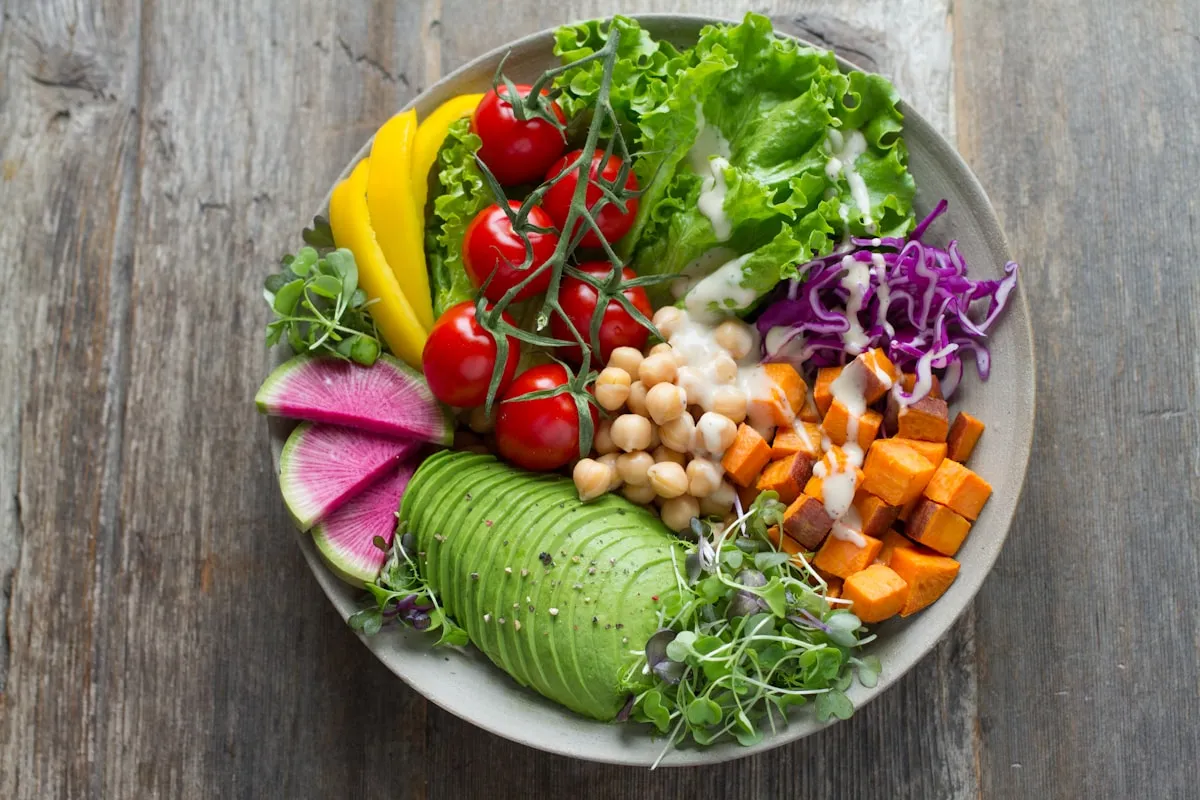
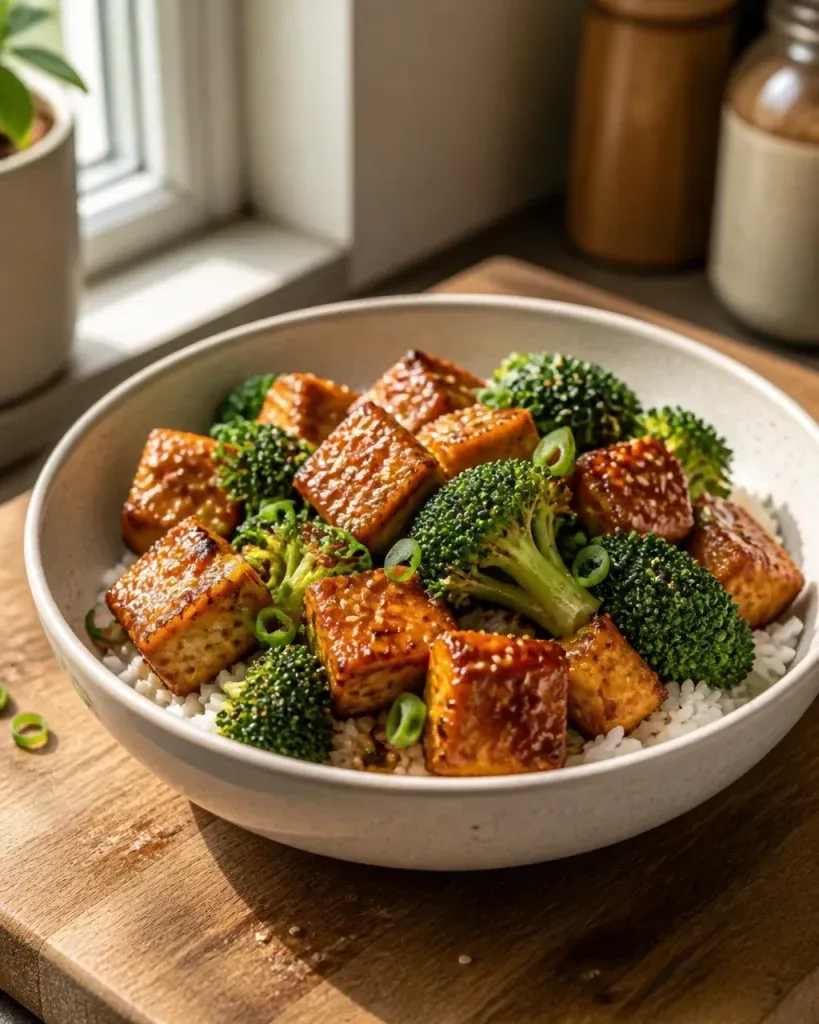
Use a heavy-bottomed skillet and get it hot. When the surface of the tempeh hits that hot oil, a beautiful thing called the Maillard reaction occurs. This is a chemical reaction between amino acids and reducing sugars that gives browned food its distinctive flavor. Because tempeh is fermented, its proteins are already partially broken down into free amino acids, making it even more reactive and flavor-dense than unfermented tofu.
Wait for the golden crust to form before you even think about touching the sauce. Pat the tempeh dry with a paper towel before it hits the pan; moisture is the enemy of browning. If the pan is crowded, the tempeh will steam instead of sear, so work in batches if you have to. Avoid moving the pieces around too much. Let them sit, develop that nutty "bark," and only then introduce your glaze.
Once you add your teriyaki sauce, the sugars in the sauce will begin to caramelize, bonding with the browned surface of the tempeh. This creates a multi-layered flavor profile: the deep, toasted notes of the sear combined with the sweet, umami-rich finish of the glaze. Check out our guide on achieving the perfect glossy sauce to see how heat management can make or break your finish. The goal is a glaze that clings to the protein like a silk robe, not a watery soup at the bottom of the bowl.
Variations: Making It Your Own
The beauty of a 15-minute meal is that it serves as a canvas for your mood. If you’re feeling a bit more "fire" than "soul," whisk some sriracha or red pepper flakes into your glaze. The heat cuts through the richness of the soy and tempeh perfectly. For those who prefer a brighter, more aromatic profile, grate a thumb-sized piece of fresh ginger and a clove of garlic into the pan just thirty seconds before the sauce goes in. This prevents the aromatics from burning while ensuring their oils permeate every nook and cranny of the tempeh.
Consider the "cut" of your tempeh as well. Thin strips are classic for wraps and salads, providing more surface area for the glaze. If you prefer a meatier, more substantial feel, go for large cubes or triangles. Triangles are particularly soulful; they look intentional on the plate and offer varying thicknesses that provide different textures in every bite. If you’re truly short on time or want to avoid the stovetop altogether, you can adapt these plant-based dinner ideas for the air fryer. Much like our air fryer sausage medley, a quick blast of high-circulating heat will crisp the exterior of the tempeh in minutes, though you'll want to toss it in the sauce after it comes out to avoid a sticky mess in your basket.
Side Dish Pairings: Balance Is Everything
A heavy, savory protein like teriyaki tempeh needs a partner that brings acidity and freshness to the party. Think about balance. If the main dish is sweet and salty, your sides should be bright and crunchy. A simple slaw made with shredded cabbage, lime juice, and a touch of sesame oil is a non-negotiable in my kitchen. The crunch of the raw cabbage provides a structural contrast to the chewy tempeh, while the lime juice acts as a palate cleanser.
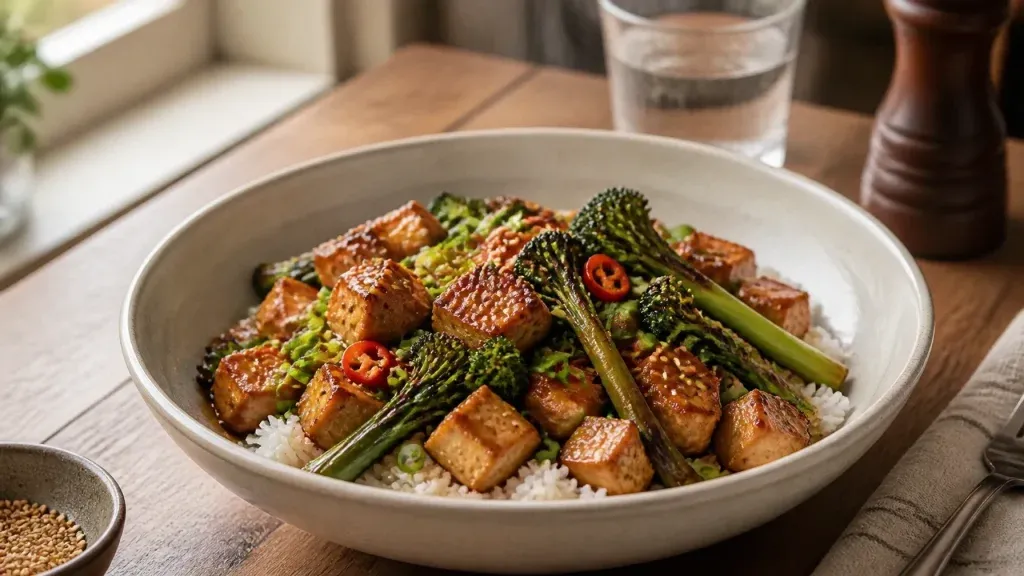
For your grain base, stick to the classics. Jasmine rice is the standard for a reason: its floral aroma complements the fermented notes of the tempeh beautifully. However, if you want something with more "soul" and fiber, try quick-cooking soba noodles. Their earthy, buckwheat flavor mimics the nuttiness of the tempeh, creating a cohesive, grounded meal. Avoid overcomplicating the vegetables; a quick steam of broccoli or snap peas is all you need. The goal is to let the teriyaki glaze be the star while the greens provide a vibrant, fresh backdrop.
FAQ: Troubleshooting Your Tempeh
My tempeh tastes bitter. What did I do wrong?
Tempeh has a naturally earthy, slightly bitter fermented flavor. For some, this is part of the charm; for others, it’s a dealbreaker. If you find it too intense, steam the tempeh for 5–10 minutes before searing it. This "opens up" the bean structure and washes away the surface bitterness, allowing the sauce to penetrate more deeply.
Can I make this ahead of time?
Absolutely, but with a caveat. Tempeh is incredibly sturdy, making it one of the best plant-based dinner ideas for meal prep. It won't get mushy like tofu. However, the glaze will lose its gloss as it cools and sits in the fridge. When reheating, add a splash of water or a tiny bit more sauce to the pan to loosen everything up and bring back that shine.
What if I don't have teriyaki sauce?
Don't panic. You can build a "soulful" shortcut glaze using just soy sauce (or tamari for gluten-free), a liquid sweetener like maple syrup or honey, and a splash of rice vinegar. The ratio is generally two parts soy to one part sweetener, plus a dash of acid. It won't have the thickness of a bottled glaze unless you simmer it down or add a cornstarch slurry, but the flavor will be top-tier.
Why is my sauce burning before the tempeh is cooked?
This usually happens because the heat is too high once the sugar-heavy sauce is added. Remember: high heat is for the sear, medium-low heat is for the glaze. Sugars burn quickly. Once that sauce hits the pan, turn the dial down and move the tempeh constantly until it's coated.
Does tempeh need to be marinated?
In a 15-minute world, nobody has time for a two-hour marinade. Because we are using the "sear then glaze" technique, marinating is actually counterproductive. A wet, marinated piece of tempeh won't sear properly. Trust the glaze to do the heavy lifting at the end; it provides plenty of flavor without the wait.
{“@type”:”BlogPosting”,”image”:”https://cdn.marblism.com/SXEdDAcBbir.webp”,”author”:{“name”:”Cookpedia”,”@type”:”Organization”},”@context”:”https://schema.org”,”headline”:”Fast & Soulful: 15-Minute Teriyaki Tempeh”,”publisher”:{“logo”:{“url”:”https://cookpedia.com/logo.png”,”@type”:”ImageObject”},”name”:”Cookpedia”,”@type”:”Organization”},”description”:”Discover how to make a 15-minute Teriyaki Tempeh that is both healthy and soulful. Learn the science of the Maillard reaction and how to get a perfect glossy glaze for your plant-based dinner ideas.”,”datePublished”:”2026-06-06″,”mainEntityOfPage”:{“@id”:”https://cookpedia.com/fast-soulful-15-minute-teriyaki-tempeh”,”@type”:”WebPage”}}