Recipe
Servings
Servings 1×
Ingredients
- Pork
- Tofu
- Pasta
- Rice
- Cauliflower
- Broccoli
- Peas
- Corn
- Cucumber
- Avocado
- Garlic
- Cooking oil
- Soy sauce or tamari
- Sesame
- Chili seasoning
- Salt
- Black pepper
Method
- Cook in batches if you have to.
- Use an oil with a high smoke point, like avocado or grapeseed oil.
- Combine this with the "velveting" starch coating, and you’ll have tender results every time.
- Use your largest pan so the ingredients aren't piled on top of each other.
- Make sure your cornstarch is fully dissolved in a cold liquid (like soy sauce or water) before adding it to the hot pan.
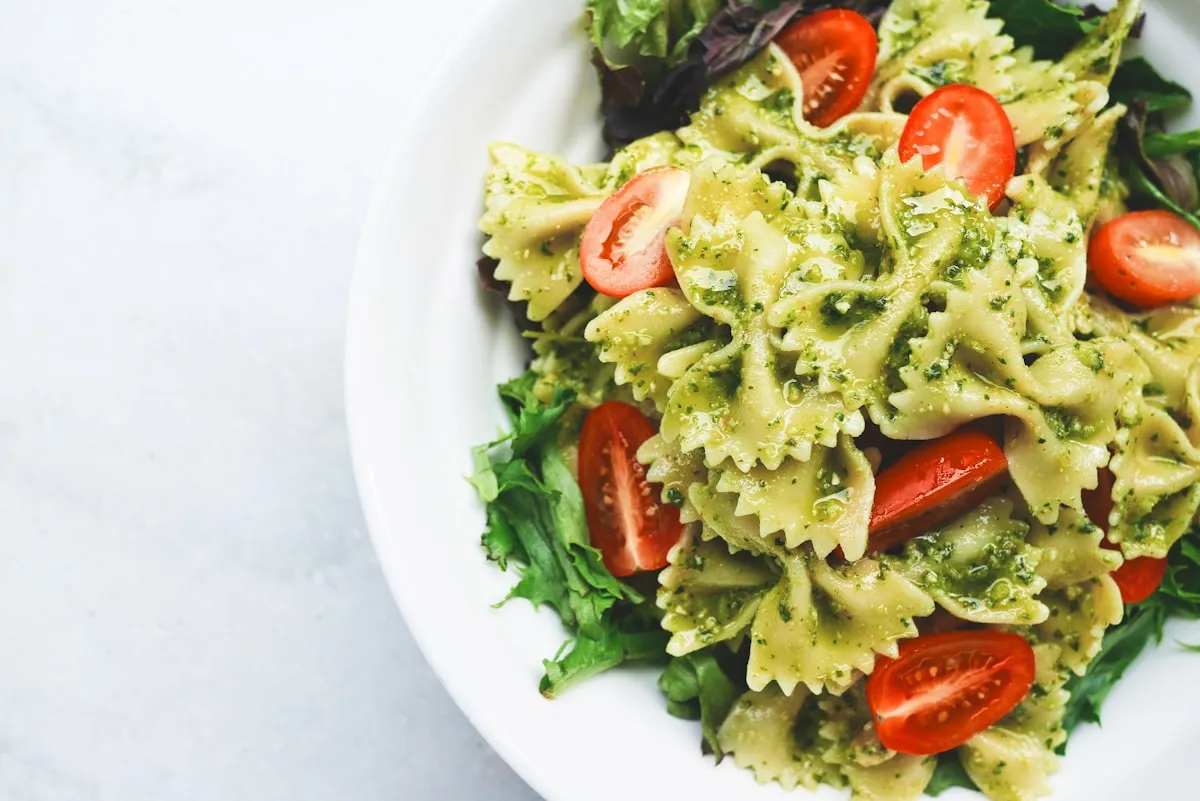
You know that feeling when the clock is ticking, the family is getting restless, and you need a win on the table in record time? I’ve been there more times than I can count. This flash-fried beef and broccoli isn't just another quick fix; it’s a masterclass in efficiency and flavor. By understanding a few simple scientific principles: like how to manipulate proteins and maximize heat: you can turn basic ingredients into a restaurant-quality meal. It’s one of those quick family meals that feels like a reward after a long day, focusing on high-impact flavor without the fuss.
The Chemistry of Tenderness and the Maillard Magic
To get that silk-smooth texture you find in high-end stir-fries, you have to embrace the science of "velveting." This isn't just a fancy name; it’s a chemical transformation. When you toss your beef with a bit of cornstarch and a splash of soy sauce, you’re creating a protective barrier. The starch gelatinizes instantly when it hits the heat, locking in the meat’s internal juices and preventing the muscle fibers from tightening into shoe leather. If you’re working with a tougher cut, add a tiny pinch of baking soda. This raises the pH level of the meat’s surface, hindering the proteins from bonding too tightly and ensuring every bite is exceptionally tender.
Once the meat hits the pan, the real show begins: the Maillard reaction. This is the chemical dance between amino acids and reducing sugars that happens at high temperatures. For this to work, your pan needs to be screaming hot, well above the boiling point of water. If your pan is too cool, the moisture in the beef will seep out and steam the meat instead of searing it. You want that "roasty," savory depth that only comes from a hard, fast sear.
Avoid the temptation to dump everything into the pan at once. Crowding the pan is the quickest way to ruin your dinner. When too much cold food hits the hot surface, the temperature drops, and you lose that vital sear. Cook in batches if you have to. This ensures each slice of beef has enough space to let surface moisture evaporate quickly, allowing the Maillard reaction to do its heavy lifting. It’s the difference between a grey, boiled-tasting mess and a vibrant, umami-packed dish that stands among the best healthy dinner ideas.
Balancing Heat, Moisture, and Flavor
Manage your moisture like a pro. If your broccoli is soaking wet from the rinse, it will turn your stir-fry into a soup. Dry those florets thoroughly before they even get near the heat. The goal is to "flash-fry" them so they stay tender-crisp. High heat allows the exterior of the broccoli to pick up some charred, nutty notes while the inside stays bright green and nutrient-dense.
Use an oil with a high smoke point, like avocado or grapeseed oil. Since we’re pushing the temperature to the limit to trigger those flavor-producing chemical reactions, you don't want an oil that breaks down and turns bitter. If you’re a fan of air fryer recipes dinner enthusiasts often enjoy, you’ll recognize this focus on high-heat efficiency. While we’re using a wok here, the principle of rapid heat transfer is exactly what makes our kielbasa and pierogi air fryer roast such a hit. Whether in a basket or a skillet, controlling heat is the key to the perfect texture.
Elevating the Classics with Flavor Variations
Once you’ve mastered the basic technique, start playing with the variables to keep your quick family meals rotation fresh. If you love a bit of heat, whisk some red chili flakes or a dollop of chili garlic sauce into your glaze. The capsaicin in the chilies provides a sharp contrast to the rich, salty soy base, cutting through the umami with a bright punch of spice.
For a nuttier profile, swap the traditional beef for thin slices of pork tenderloin or even firm tofu. If you go the plant-based route, the velveting technique still applies! A light coating of starch on tofu helps it achieve a crispy exterior that holds onto the sauce beautifully. You can also experiment with the vegetables; snap peas, bell peppers, or baby corn all benefit from the same flash-frying treatment. If you’re looking for more ways to use your kitchen tools for fast results, check out our air fryer sausage and pepper medley for a similar high-heat approach with different aromatics.
Perfect Side Dish Pairings for Balance
A great stir-fry needs a sidekick that balances its intensity. Traditionally, jasmine rice is the go-to because its neutral, floral aroma and fluffy texture act as a sponge for that glossy sauce. If you want to dive deeper into the science of saucing, my guide on achieving the perfect glossy sauce explains how emulsification makes all the difference, whether you're making pasta or stir-fry.
For a lighter option, try cauliflower rice. It’s a fantastic way to keep your healthy dinner ideas low-carb while still enjoying the full flavor of the beef. The mild crunch of the cauliflower mimics the texture of grains without competing for attention. If you’re feeling adventurous, a quick cucumber salad with rice vinegar and sesame oil provides a cool, acidic snap that cleanses the palate between rich, savory bites of beef. This acidity is crucial for cutting through the salt and fat, keeping the meal feeling balanced rather than heavy.
Stir-Fry Science: Frequently Asked Questions
Why is my beef always tough no matter how fast I cook it?
The secret often lies in how you slice it. Always slice your beef against the grain. Look for the long muscle fibers and cut perpendicular to them. This shortens the fibers, making them much easier to chew. Combine this with the "velveting" starch coating, and you’ll have tender results every time. Also, ensure you aren't overcooking; thin slices only need 1–2 minutes in a hot pan.
Can I make this in a standard frying pan instead of a wok?
Absolutely. While a wok is designed for high-volume tossing and rapid evaporation, a large stainless steel or cast iron skillet works perfectly well. The key is surface area. Use your largest pan so the ingredients aren't piled on top of each other. If the pan is too small, your beef will release moisture, the temperature will drop, and you’ll end up steaming the meat instead of frying it.
My sauce never gets thick and glossy like the pictures. What’s wrong?
It’s all about the starch slurry. Make sure your cornstarch is fully dissolved in a cold liquid (like soy sauce or water) before adding it to the hot pan. Once it hits the heat, the starch granules swell and trap the liquid, creating that iconic thick glaze. If it’s too thin, let it bubble for another 30 seconds. If it’s too thick, whisk in a tablespoon of water or broth to loosen it up.
Is flash-frying actually healthy?
Yes! Because the cooking time is so short, the vegetables retain more of their heat-sensitive vitamins compared to long boiling or steaming sessions. You’re also using a minimal amount of oil: just enough to conduct the heat and trigger the Maillard reaction. It’s a core technique for anyone building a library of healthy dinner ideas that don't sacrifice flavor for nutrition.
What’s the best way to prep ahead for a 15-minute meal?
Since the actual cooking only takes a few minutes, the prep is where the time goes. You can slice the beef and velvet it up to 4 hours in advance. Chop the broccoli and whisk the sauce ingredients together in a small jar. When it’s time to eat, all you have to do is heat the pan and go. This "mise en place" approach is the secret to stress-free weeknight cooking.