Recipe
Servings
Servings 1×
Ingredients
- Chicken
- Chickpeas
- Quinoa
- Noodles
- Bread
- Potatoes
- Cucumber
- Tomatoes
- Onion
- Lemon
- Feta
- Cooking oil
- Chili seasoning
- Salt
Method
- Start with the right variety of produce.
- Use English or Persian cucumbers because they have thinner skins and significantly fewer seeds than the standard garden variety.
- Use a sharp knife and aim for larger, rustic chunks rather than a fine dice.
- Pat them completely dry before adding them to the bowl, moisture is the enemy of a balanced dressing.
- Pat the block dry with a paper towel before cubing it.
- Brush the bread with a little olive oil and sea salt, then grill it until it’s just starting to char.
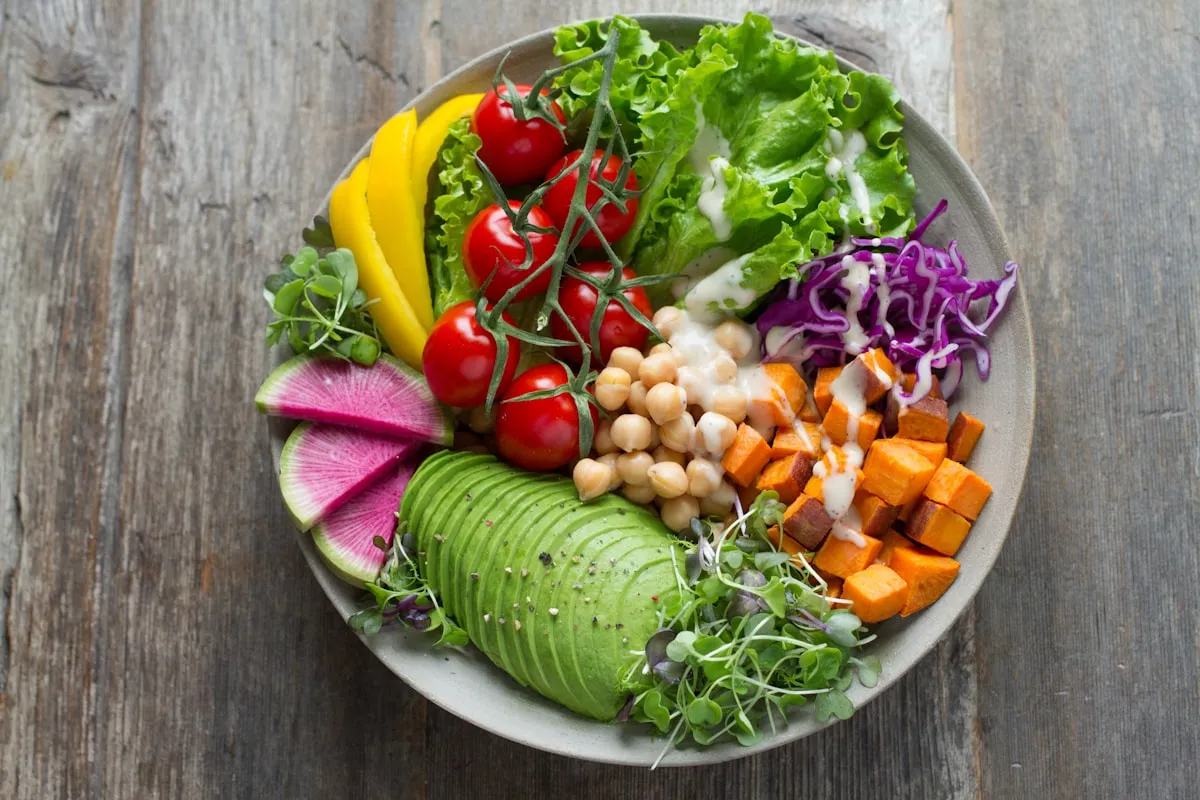
Nothing ruins a sunny afternoon faster than opening your cooler to find a sad, watery puddle where your crisp Greek salad used to be. I’ve been there, and I’ve learned the hard way that a truly great picnic side isn't just about what you toss into the bowl, it’s about how you manage the moisture. If you want to impress your friends at the park with a salad that stays crunchy until the very last bite, you need to understand a little bit of kitchen science. This isn't just about mixing vegetables; it's about mastering the art of the "Picnic-Proof" Greek salad.
The Science of Crunch: Why Your Salad Gets Soggy
To prevent a soggy disaster, you first have to understand the enemy: osmosis. Most of the vegetables in a Greek salad, tomatoes, cucumbers, and onions, are over 90% water. When you add salt or acidic vinegar to the mix, you’re basically sending a signal to those vegetable cells to dump all their internal liquid. Salt draws water out to balance concentrations, turning your crisp cucumber into a limp noodle in minutes.
Start with the right variety of produce. Use English or Persian cucumbers because they have thinner skins and significantly fewer seeds than the standard garden variety. Seeds are essentially little water balloons; remove them by slicing the cucumber lengthwise and scraping a spoon down the center before you chop. For your tomatoes, skip the large slicers. Opt for cherry or grape tomatoes instead. Their thicker skins act as a natural barrier, keeping the juices locked inside where they belong.
The way you cut your vegetables matters more than you think. Every time your knife passes through a cell wall, you create an exit point for moisture. Use a sharp knife and aim for larger, rustic chunks rather than a fine dice. Larger pieces have less surface area relative to their volume, which means they leak less liquid. If you’re preparing this as part of your healthy dinner ideas for later in the week, keep the pieces chunky to ensure they hold up in the fridge for a day or two.
Don’t forget the "onion trick." If you find raw red onions too harsh or notice they turn everything pink after an hour, soak your slices in a bowl of ice water for ten minutes. This process leaches out the sulfurous compounds that cause that sharp "burn" and helps the onion retain a firm, snappy texture. Pat them completely dry before adding them to the bowl, moisture is the enemy of a balanced dressing.
Finally, treat your feta with respect. Avoid the pre-crumbled stuff in plastic tubs; it's often coated in anti-caking agents that give it a chalky mouthfeel. Buy a solid block of sheep's milk feta in brine. Pat the block dry with a paper towel before cubing it. This prevents the brine from thinning out your dressing and keeps the cheese creamy rather than grainy.
Flavor Variations: Beyond the Basics
While the classic combo of tomato, cucumber, and feta is hard to beat, you can easily adapt this salad to suit different vibes. If you’re looking for quick family meals that need a bit more heft, consider adding a protein element. Chickpeas are a fantastic addition because they are incredibly sturdy; they actually benefit from sitting in the dressing, soaking up the vinaigrette without losing their structure.
For a grain-forward twist, toss in some cooked and cooled farro or quinoa. Grains act like little sponges, catching any stray juices from the tomatoes and turning them into a flavor bomb rather than a puddle. If you’re moving away from the "pure" Greek tradition, a handful of toasted pine nuts or sunflower seeds can add a nutty depth that complements the saltiness of the feta perfectly.
You can also play with the acidity. If red wine vinegar feels too heavy for a hot day, swap it for fresh lemon juice and a pinch of lemon zest. The zest contains essential oils that provide a bright, citrusy aroma without adding extra liquid volume. For those who like a bit of heat, a pinch of dried red chili flakes or a few sliced pickled pepperoncini can cut through the richness of the olive oil and cheese.
Perfect Pairings for Your Picnic Spread
A Greek salad is a versatile player, but it shines brightest when paired with something charred or smoky. If you're prepping at home, look into air fryer recipes dinner enthusiasts swear by, like lemon-oregano chicken thighs. The crispy skin and juicy meat of the chicken are the perfect foil for the cold, refreshing crunch of the salad. You can find more inspiration for balanced plates in our guide to achieving the perfect glossy sauce if you’re planning a more elaborate dinner.
Grilled pita bread is a non-negotiable for me. Brush the bread with a little olive oil and sea salt, then grill it until it’s just starting to char. Use the pita to scoop up the last bits of feta and dressing at the bottom of the bowl. If you're hosting a larger gathering, consider serving the salad alongside a variety of dips like hummus or tzatziki. Our abundant celebratory meal spread shows how a vibrant salad can anchor a table of different textures and flavors.
For a heavier pairing that still feels like a treat, try serving the salad with kielbasa and pierogies. The acidity of the salad's vinaigrette acts as a palate cleanser, cutting through the richness of the sausage and potatoes.
FAQ: Solving Your Salad Struggles
What if I have to make the salad more than four hours in advance?
If you’re prepping way ahead of time, use the layering technique. Place the sturdier vegetables like peppers and onions at the bottom of your container, follow with the cucumbers, and keep the tomatoes and feta on top. Do not add the dressing or salt until you are literally standing on the picnic blanket. This "deconstructed" approach prevents the salt from starting the osmosis process too early.
Why does my dressing always separate and look oily?
Dressing is an emulsion, and emulsions are fragile. To keep your oil and vinegar together, add a tiny teaspoon of Dijon mustard to your vinaigrette. The mustard acts as an emulsifier, binding the oil and acid molecules together so the dressing clings to the vegetables instead of sliding off to the bottom of the bowl.
Can I use low-fat feta to keep it lighter?
You can, but I wouldn't recommend it for a picnic. Low-fat feta tends to be much drier and will absorb the liquid from the vegetables, turning into a mushy paste. If you’re worried about calories, simply use less of the high-quality full-fat feta. A little bit of the real stuff goes a long way in terms of flavor and satisfaction.
Is it okay to add fresh herbs like mint or parsley?
Yes, but timing is everything. Soft herbs like mint and dill wilt quickly once they touch acid. Chop them finely but keep them in a separate small container or a beeswax wrap. Sprinkle them over the salad at the very last second for that punch of fresh green color and aroma.
My cucumbers always taste bitter; how do I fix that?
Bitterness in cucumbers usually comes from a compound called cucurbitacin, which is concentrated in the skin and the ends. Peeling the cucumber in "stripes" (leaving some skin for texture) and cutting off about an inch from each end usually solves the problem. If they still taste bitter, give them a quick rinse in cold water after slicing.
{“@type”:”BlogPosting”,”image”:[“https://cdn.marblism.com/aUW80-DKWzU.webp”,”https://cdn.marblism.com/6hJvdN9UVW9.webp”,”https://cdn.marblism.com/-xdTz2n-iJR.webp”],”author”:{“name”:”Penny”,”@type”:”Person”},”@context”:”https://schema.org”,”headline”:”Greek Salad with Feta: A Light & Healthy Picnic Side”,”publisher”:{“logo”:{“url”:”https://cdn.marblism.com/r31hCYxu5lk.webp”,”@type”:”ImageObject”},”name”:”Cookpedia”,”@type”:”Organization”},”description”:”Master the science of the perfect Greek salad for your next picnic. Learn how to prevent sogginess using smart prep techniques and ingredient selection.”,”datePublished”:”2026-05-19″,”mainEntityOfPage”:{“@id”:”https://cookpedia.com/greek-salad-with-feta-a-light-healthy-picnic-side”,”@type”:”WebPage”}}