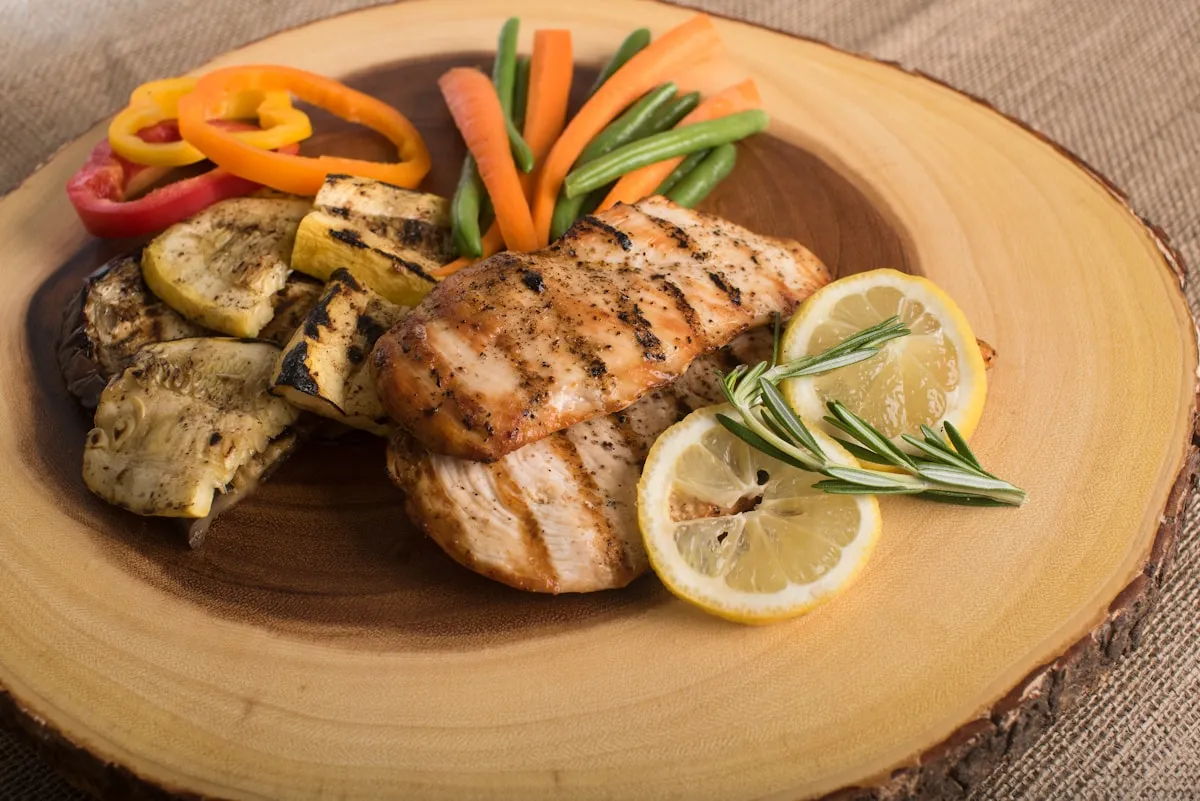
Healthy Chicken Stir Fry (25-Minute Dinner)

INTRO
This healthy chicken stir fry is a straightforward 25-minute dinner built from lean chicken breast, colorful vegetables, and a light sauce. The ingredient list is practical. The method is sequential. The result is not takeout-style fried rice: the rice is cooked separately, while the chicken and vegetables are quickly stir-fried and coated in a measured sauce.
Broccoli, bell peppers, carrots, and snap peas provide different textures and cooking times. Garlic and ginger supply the primary aromatic base. Low-sodium soy sauce contributes salt, honey adds limited sweetness, and rice vinegar provides acidity. Cornstarch thickens the sauce so a small quantity coats the food without creating a heavy coating.
PREP
Organize all ingredients before heating the pan. Stir-frying is a short cooking process. There is insufficient time to stop and measure ingredients after the chicken has entered the skillet.
Cut the chicken into thin, even strips. This allows it to cook quickly and reduces the risk of a raw centre. Slice the carrot thinly, cut the bell pepper into strips, and separate the broccoli into small florets. Keep the snap peas whole or trim the ends as required.

Use a large skillet, sauté pan, or wok. Overcrowding causes the ingredients to steam rather than sear. If your pan is small, cook the chicken in batches.
METHOD
The cooking order is functional. Chicken is removed before the vegetables are cooked. Firm vegetables enter first. Quick-cooking vegetables enter later. The sauce is added at the end.
The chicken must reach an internal temperature of 165°F (74°C). The USDA safe temperature chart provides the applicable poultry safety standard.
Do not use the same plate for raw and cooked chicken. Wash hands, utensils, and work surfaces after contact with raw poultry.
Recipe
Healthy Chicken Stir Fry
Servings: 4
Prep time: 15 minutes
Cook time: 10 minutes
Total time: 25 minutes
Category: Dinner
Method: Stir-fry
Cuisine: Asian-inspired
INGREDIENTS
Stir fry
- 1 pound (450 g) boneless, skinless chicken breast, cut into thin strips
- 2 cups broccoli florets
- 1 medium bell pepper, thinly sliced
- 1 large carrot, thinly sliced or cut into matchsticks
- 1 cup snap peas
- 3 garlic cloves, finely minced
- 1 tablespoon fresh ginger, finely grated or minced
- 2 tablespoons neutral cooking oil, divided
- 2 cups cooked rice, for serving
Light sauce
- 3 tablespoons low-sodium soy sauce
- 1½ tablespoons honey
- 1 tablespoon rice vinegar
- ½ cup water or low-sodium chicken broth
- 2 teaspoons cornstarch
- Optional: ¼ teaspoon red pepper flakes or a small amount of black pepper
METHOD
Make the sauce. Whisk the low-sodium soy sauce, honey, rice vinegar, water or broth, and cornstarch in a bowl until smooth. Ensure the cornstarch is fully dispersed. Set aside.
Prepare the pan. Heat 1 tablespoon of oil in a large skillet or wok over medium-high heat. The oil should appear fluid and lightly shimmer. Do not allow it to smoke.
Cook the chicken. Add the chicken in a single layer. Cook for 3 to 4 minutes, turning occasionally, until lightly browned and nearly cooked through. Check the thickest piece with an instant-read thermometer. Remove the chicken to a clean plate once it reaches 165°F (74°C), or return it to the pan briefly at the end if it requires additional cooking.
Cook the firm vegetables. Add the remaining tablespoon of oil. Add the broccoli and carrots. Stir-fry for approximately 2 to 3 minutes. The vegetables should begin to soften while retaining some firmness.
Add the remaining vegetables and aromatics. Add the bell pepper, snap peas, garlic, and ginger. Stir-fry for 2 minutes, moving the ingredients continuously to prevent scorching. The vegetables should remain bright and crisp-tender.
Combine. Return the cooked chicken and any accumulated juices to the pan. Whisk the sauce again, because cornstarch settles quickly, then pour it into the skillet.
Thicken. Toss the chicken and vegetables continuously as the sauce reaches a gentle simmer. Cook for 1 to 2 minutes, until the sauce lightly coats the ingredients. Do not boil the sauce aggressively. Excess heat can reduce it too far and increase its salt concentration.
Serve. Divide the cooked rice between four bowls. Spoon the chicken and vegetables over the rice. Serve immediately.

TIPS
- Slice the chicken evenly. Pieces of different thicknesses will finish at different times. Thin strips are appropriate for this short cooking schedule.
- Keep the vegetables dry. Excess water lowers the pan temperature and creates steam. Pat washed vegetables dry before cooking.
- Use medium-high heat. High enough heat supports quick browning; excessive heat can burn garlic and ginger before the chicken is safe to eat.
- Add the sauce last. The sauce is intended to coat the stir fry, not poach the ingredients.
- Do not omit the cornstarch slurry. Without it, the sauce will remain thin and collect at the bottom of the bowl.
- Taste before adding salt. Low-sodium soy sauce is still a concentrated ingredient. Additional salt is usually unnecessary.
- Store leftovers correctly. Refrigerate leftovers in a shallow container within two hours. Use within 3 to 4 days and reheat to 165°F (74°C). More food safety information is available from FoodSafety.gov.
VARIATIONS
- Use brown rice. Replace white rice with cooked brown rice for a chewier texture and a more substantial grain base.
- Use cauliflower rice. Serve the stir fry over cauliflower rice when a vegetable-based option is preferred.
- Replace the chicken. Thinly sliced turkey breast, firm tofu, or peeled shrimp can be used. Cooking times will require adjustment.
- Change the vegetables. Green beans, mushrooms, cabbage, zucchini, or baby corn can replace some of the listed vegetables. Add harder vegetables first.
- Increase the heat. Add red pepper flakes, sliced fresh chilli, or a small quantity of chilli paste to the sauce.
- Reduce sweetness. Use 1 teaspoon of honey instead of 1½ tablespoons. The sauce will remain functional, with less sweetness.
- Add sesame flavour. Add 1 teaspoon toasted sesame oil after the pan is removed from the heat. This is optional and not required for the light sauce.

FAQ
Is chicken stir fry healthy?
This version provides lean chicken breast, four types of vegetables, and a controlled amount of oil and honey. Using low-sodium soy sauce and serving a measured portion over rice keeps the recipe lighter than many restaurant versions. Nutritional values will vary according to the exact ingredients and serving sizes.
Can I make healthy chicken stir fry without a wok?
Yes. A large skillet is suitable. Use a wide pan, avoid overcrowding, and maintain medium-high heat. A wok is not a compliance requirement for stir-fry preparation.
Can I prepare the ingredients in advance?
Yes. Slice the chicken and vegetables up to one day ahead and refrigerate them in separate sealed containers. Mix the sauce in advance and whisk it again immediately before adding it to the pan.
Why is my stir-fry sauce too thin?
The cornstarch may not have been fully mixed, or the sauce may not have reached a simmer. Stir the sauce before adding it and cook for 1 to 2 minutes after it begins bubbling gently. If necessary, mix an additional ½ teaspoon cornstarch with 1 teaspoon cold water and add it gradually.
Can I freeze chicken stir fry?
The cooked chicken and vegetables can be frozen, although the vegetables may soften after thawing. Cool the food promptly, store it in an airtight freezer container, and use it within approximately 2 to 3 months for best quality. Thaw in the refrigerator and reheat until steaming hot throughout and at least 165°F (74°C).
Is this the same as chicken fried rice?
No. This is a stir fry served over separately cooked rice. Chicken fried rice combines cooked rice with other ingredients in the pan, usually with a different cooking process and a heavier oil coating. This recipe keeps the sauce light and separate from the rice.