Recipe
Servings
ahead inspiration, explore Cookpedia’s quick meals . It is a helpful place to find healthy dinner ideas that do not require a heroic amount of evening energy. 1×
Serves ahead inspiration, explore Cookpedia’s quick meals . It is a helpful place to find healthy dinner ideas that do not require a heroic amount of evening energy.
Ingredients
- Cod
- Garlic
- Lemon
- Cooking oil
Method
- Keep a thermometer nearby, and you can put a fresh, balanced dinner on the table before anyone asks, “What are we eating?”
- Pat the cod dry before seasoning it.
- Give the fish time to thaw, then dry it well.
- Bake cod at around 400°F (200°C) .
- Start checking early rather than trusting the clock blindly.
- Keep the pre-bake contact brief, then finish the cooked fish with fresh lemon juice and zest.
Some weeknight dinners promise speed and deliver a sink full of pans. This baked lemon herb cod takes a kinder approach: bright flavor, tender fish, and very little fuss. Cod is naturally lean and mild, so lemon, garlic, herbs, and a little olive oil do the heavy lifting without burying the fish in a heavy sauce. Keep a thermometer nearby, and you can put a fresh, balanced dinner on the table before anyone asks, “What are we eating?”
Tips & Technique: Make Lean Fish Stay Tender
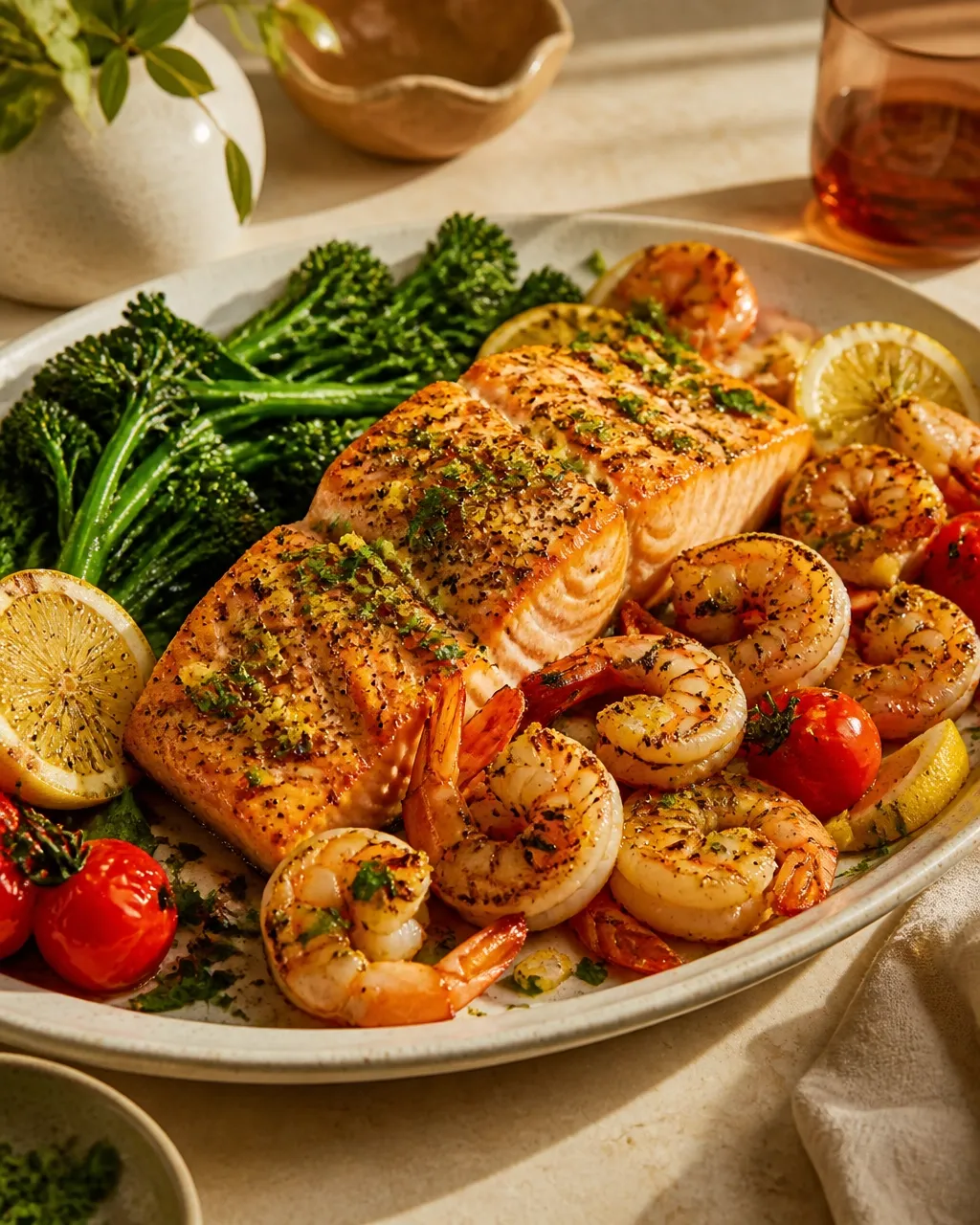
Start with dry fish for better texture
Pat the cod dry before seasoning it. This small move matters because surface moisture turns into steam in the oven. Too much steam can make the fish look pale and watery instead of gently roasted.
Drying also gives the seasoning something to cling to. The olive oil spreads more evenly, herbs stay in place, and the outer surface gets a little more flavorful. You do not need a dramatic crust here; cod is delicate. Aim for a lightly seasoned surface, not a breadcrumb fortress.
If you are using frozen fillets, thaw them fully in the refrigerator first. Frozen or partly frozen fish cooks unevenly: the thin edges can dry out while the center is still cold. Give the fish time to thaw, then dry it well.
Use heat that is hot enough, but not aggressive
Bake cod at around 400°F (200°C). This temperature is a useful weeknight compromise. It is hot enough to cook the fish quickly, but gentle enough to protect its delicate proteins from tightening too fast.
The exact cooking time depends more on thickness than weight. A fillet about one inch thick often needs roughly 12 to 15 minutes, while thicker pieces may need closer to 20 minutes. Start checking early rather than trusting the clock blindly. Fish has no interest in your schedule.
For food safety, check the thickest part with an instant-read thermometer. The USDA’s seafood guidance recommends 145°F (63°C). The center should also look opaque and separate into moist flakes when gently tested.
Treat lemon as a finishing tool, not a long bath
Lemon brings acidity, and acidity changes the structure of fish proteins. That is the same basic principle behind ceviche: citrus can make raw fish turn opaque and firmer. A little acidity brightens baked cod beautifully. Too much time sitting in straight lemon juice can make the surface chalky.
Mixing lemon with olive oil helps moderate that effect, but do not marinate cod for hours. Keep the pre-bake contact brief, then finish the cooked fish with fresh lemon juice and zest. You will get a sharper, cleaner flavor and a more tender texture.
Use lemon zest when you want fragrance without adding extra liquid. The aromatic oils live in the zest, while the juice supplies acidity. Together, they make the fish taste lively without requiring a rich sauce.
Add sturdy herbs early and delicate herbs late
Woody or sturdy herbs such as thyme and oregano can handle the heat of baking. Their flavors soften and deepen as the fish cooks. Delicate herbs such as parsley and dill are more vulnerable to heat, so add much of them after baking.
This is not just a decoration rule. Heat drives off some of the volatile compounds that make fresh herbs smell bright and green. Add delicate herbs at the end to preserve those aromas.
Use garlic thoughtfully, too. Minced garlic can burn if left exposed on a dry surface, which creates bitterness. Tuck it into the lemon-and-oil mixture or keep it close to the fish’s moist surface. The goal is savory warmth, not tiny charred surprises.
Give the cod room
Arrange the fillets with a little space between them. Crowding traps moisture and encourages steaming. Steaming is not always bad, but it will give you softer edges and less concentrated flavor.
Use a baking dish that fits the fish without forcing the pieces together. If the fillets vary in thickness, place the thickest pieces toward the hotter center of the pan and begin checking the thinner ones first.
A modest amount of olive oil is important because cod is very lean. Fat helps distribute herb aromas and slows moisture loss at the surface. You do not need much. Think of it as a protective layer, not a swimming pool.
Rest briefly before serving
Let the cod rest for two or three minutes after baking. The residual heat continues moving through the center, and the juices settle back into the flaky layers. Cutting or moving the fish immediately can make it shed moisture onto the plate.
Do not cover it tightly with foil while it rests. Trapped steam softens the surface and can erase the gentle roasted texture you worked to create.
For more practical, low-stress inspiration, browse Cookpedia’s healthy recipes, dinner collection, and 30-minute meals.
Variations: Change the Flavor Without Losing Balance
Keep the basic cooking technique constant, then change the flavor direction.
For a Mediterranean version, add oregano, parsley, cherry tomatoes, and a few olives. The tomatoes bring sweetness and moisture, while olives add salty intensity. Use less added salt and finish with lemon to keep the dish lively rather than briny.
For a green herb version, lean into dill, parsley, and a little scallion. Serve it with a cool yogurt sauce if you like, but keep the sauce lightly seasoned. Creamy elements need acidity to stay balanced, so add lemon zest or a small squeeze of juice.
For a smoky variation, use smoked paprika and a pinch of chili flakes with the herbs. Add a crisp cucumber salad on the side to cool the heat. Smoky flavors can feel heavy, so avoid pairing them with another rich sauce.
For a low-carb plate, serve the cod with roasted vegetables and cauliflower mash. For a more filling option, pair it with quinoa or brown rice. Cookpedia’s Quick Mediterranean Quinoa Bowl offers a useful example of how lemon, grains, and fresh vegetables can work together.
And if you are collecting air fryer recipes dinner ideas, adapt the flavor profile rather than simply copying the oven timing. Air fryers move hot air more aggressively, so thinner cod fillets may cook faster and dry out sooner. Check early.
Side Dish Pairings: Build a Complete Plate
Balance the tender fish with sides that add texture, color, and enough substance to make dinner satisfying.
Start with a vegetable that brings a little char or crispness. Roasted green beans, asparagus, broccoli, or zucchini work well because their earthy flavors contrast with the bright lemon. Keep the vegetables lightly seasoned; the cod should remain the main event.
Add a whole grain when you want more staying power. Quinoa, brown rice, or farro absorb the lemony juices without competing with the herbs. A grain also turns a light fish dinner into one of those quick family meals that keeps everyone full.
For freshness, serve a cucumber-and-tomato salad or simple arugula with lemon vinaigrette. Raw vegetables provide crunch and acidity, which cut through the olive oil and make each bite feel lighter.
Avoid pairing cod with several soft sides at once. Mashed vegetables, steamed rice, and tender fish can create one beige, mushy experience. Include at least one crisp or roasted element. Texture is part of flavor, even when nobody says so at the table.
FAQ: Common Cod Problems, Solved
What if my cod comes out dry?
The most common cause is overcooking. Cod is lean, so it has less internal fat to protect it from heat. Check the thickest part before the suggested cooking time is over, especially if your fillets are thin.
Also check whether the fish was fully thawed and patted dry. Unevenly thawed fish often needs more oven time, which can leave the outer layers dry by the time the center is ready. Use a small amount of olive oil and avoid leaving the cooked fish in the hot pan for a long time.
What if the cod is still translucent in the center?
Return it to the oven for a few minutes and check again. Do not rely only on the surface color because thick fillets can look opaque outside while remaining undercooked inside.
Use the thermometer in the thickest section, avoiding the pan underneath. For the safest approach, cook the fish to 145°F. If you do not have a thermometer, look for opaque flesh that flakes easily with gentle pressure. When in doubt, cook it a little longer. Slightly firm fish is easier to fix than undercooked fish.
What if my cod releases a lot of water?
The fish may have been frozen, poorly thawed, or crowded in the baking dish. Some fillets also contain extra retained water from processing. Pat the fish thoroughly dry and leave space around each piece.
Bake uncovered and avoid adding a large amount of liquid to the pan. Lemon juice should brighten the dish, not turn it into a shallow poaching bath. If the pan contains excess liquid after cooking, transfer the cod to a serving plate so it does not continue softening.
Can I use frozen cod without thawing it?
You can, but the results are less predictable. The outside may overcook before the center reaches a safe temperature, particularly when fillets vary in thickness. Thawing overnight in the refrigerator gives you better control and more even seasoning.
If you must cook from frozen, separate the pieces, remove excess ice, and allow extra cooking time. Check the center with a thermometer rather than guessing.
Can I prepare the lemon herb mixture ahead?
Yes, prepare it several hours ahead and refrigerate it. Keep the cod separate until shortly before baking. This protects the fish from prolonged acid exposure and keeps delicate herbs fresher.
Bring neither fish nor sauce to room temperature for a long period. Keep seafood chilled until you are ready to cook it, and clean any surface that touched raw fish. Healthy cooking includes both good nutrition and sensible food safety.
How do I turn this into a meal-prep dinner?
Cook the cod and sides separately, then refrigerate them in shallow containers so they cool quickly. Store the fish for up to three days, and reheat it gently in a covered dish or microwave-safe container with a splash of water.
Avoid blasting cod on high heat during reheating; that squeezes out moisture and creates rubbery flakes. Add fresh lemon and herbs after warming to restore the bright flavor. For more make-ahead inspiration, explore Cookpedia’s quick meals. It is a helpful place to find healthy dinner ideas that do not require a heroic amount of evening energy.