Recipe
Servings
Servings 1×
Ingredients
- Chicken
- Salmon
- Pork
- Fettuccine
- Pasta
- Eggs
- Lemon
- Lime
- Cream
- Butter
- Cooking oil
- Chili seasoning
Method
- Prepare the ingredients described in the article and heat the cooking surface or oven as directed.
- Cook the main ingredients using the heat and timing guidance in the article.
- Finish with the seasonings and garnishes named in the article, then serve.
If there is one protein that reigns supreme in the realm of quick family meals, it is undoubtedly salmon. It’s the ultimate "fast food" of the natural world, nutritious, elegant, and ready in a fraction of the time it takes to roast a chicken or braise a shoulder of pork. But let’s be honest: even the most enthusiastic home cook has suffered through a dry, chalky fillet that resembles a pink pencil eraser more than a gourmet meal.
I’m here to tell you that you don't need a culinary degree to master this. You just need to understand a little bit of the "why" behind the heat. My Baked Salmon with Dill and Lemon Butter is designed to be your go-to for healthy dinner ideas when the clock is ticking and your brain is fried from a long day. It’s minimalist, high-impact, and focuses on the science of flavor and texture.
The Science of Succulence: Mastering the Heat
When you bake salmon, you are essentially managing a delicate dance between protein coagulation and fat retention. The biggest enemy of a beautiful fillet is "over-contraction." Salmon muscle fibers are incredibly sensitive to heat; as they warm up, they tighten and squeeze out moisture like a wrung-out sponge.
Watch Out for the "White Stuff"
You’ve seen it, that weird, white, jelly-like substance that oozes out of the top of your salmon. It’s called albumin. While it is perfectly safe (it’s just a liquid protein that turns solid when heated, much like an egg white), its presence is often a signal that you are being too aggressive with your oven. When the muscle fibers contract too quickly or too tightly due to high heat, they force the albumin to the surface.
To minimize this, use a lower oven temperature. While many recipes tell you to blast the fish at 450°F, I recommend staying in the 300°F to 325°F range. This gentler heat allows the internal temperature to rise slowly, keeping the muscle fibers relaxed and the juices inside where they belong.
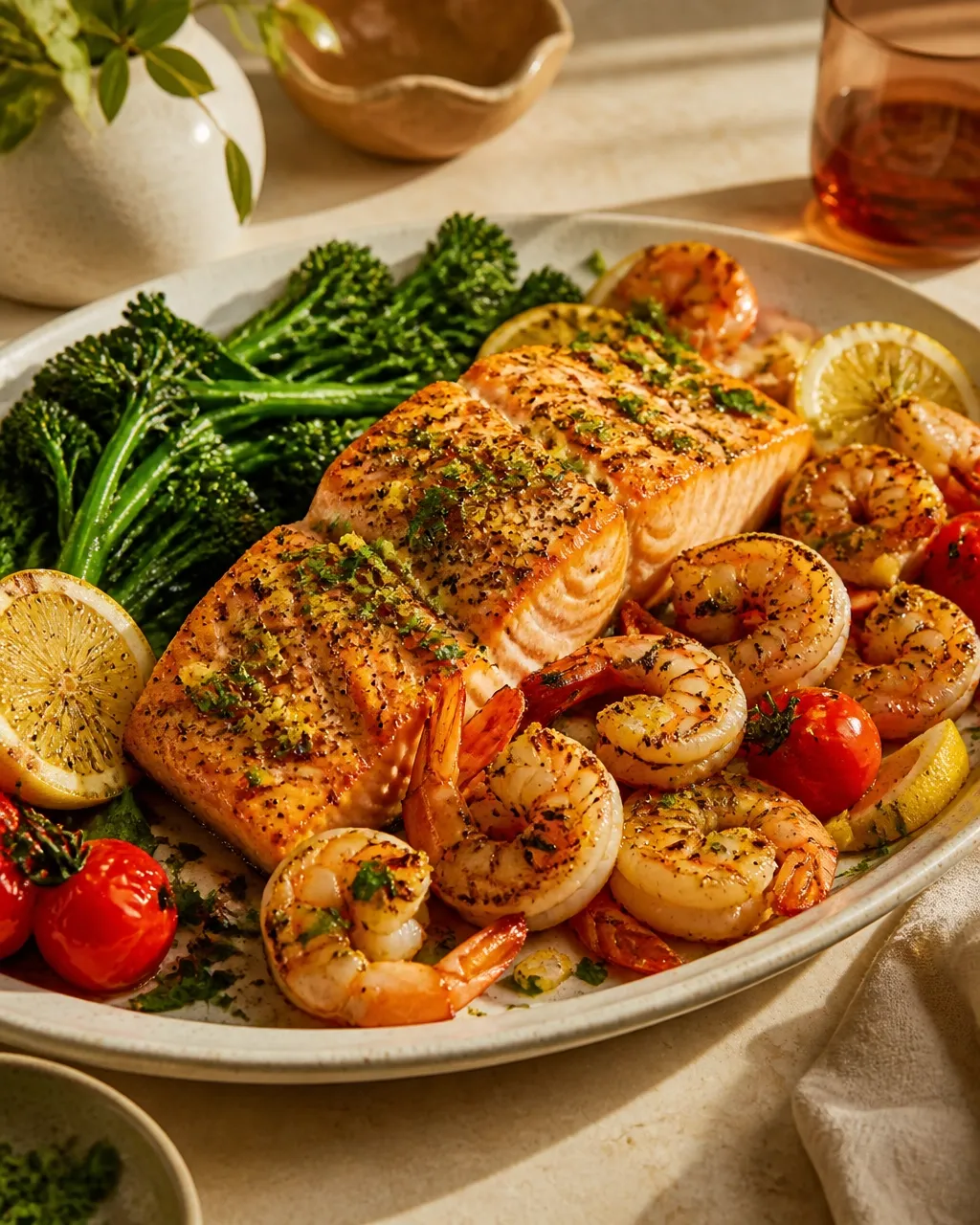
The Magic of Carryover Cooking
Never, under any circumstances, cook your salmon until it looks "done" in the center while still in the oven. If it looks done in the oven, it will be overdone on your plate. This is due to carryover cooking, the residual heat on the outside of the fillet continues to travel inward even after you pull it out.
Use a meat thermometer and pull your salmon when the thickest part hits 120°F to 125°F. During the five-minute rest period (which is non-negotiable, by the way), that temperature will climb to a perfect 130°F–135°F. This results in a medium to medium-rare center that flakes with a fork but retains its buttery, silken texture.
Why Dill, Lemon, and Butter?
This trio isn't just a classic because it looks pretty in a gallery. It’s a chemical masterclass in balance. Salmon is a fatty, rich fish. Lemon provides the citric acid necessary to "cut" through that fat, brightening the overall flavor profile. Butter serves as a heat conductor and a flavor carrier; it helps the fat-soluble aromatics in the fresh dill permeate the surface of the fish. Dill itself contains terpenes that mimic some of the citrus notes in the lemon, creating a bridge of flavor that ties the whole dish together.
Flavor Variations and Herb Swaps
While dill and lemon are the gold standard, you don't have to stay inside the box. Once you master the temperature control, you can play with the aromatics.
- The Mediterranean Twist: Replace the butter with high-quality extra virgin olive oil and swap the dill for oregano and a handful of capers. This adds a briny punch that works beautifully with the rich salmon.
- The Zesty Ghee Alternative: If you are looking for a deeper, nuttier flavor, use ghee (clarified butter). It has a higher smoke point and a richer profile that pairs excellently with lime juice and a dash of chili flakes for a subtle heat.
- The Creamy Path: If you're feeling indulgent, you can flake the baked salmon into a creamy pasta or a bowl of fettuccine. The dill and lemon will still do the heavy lifting of balancing the heavy cream.
Side Dish Pairings: Balancing the Plate
When choosing sides for this salmon, think about texture and acidity. Since the salmon is soft and buttery, you want something with a bit of crunch or a bright, sharp edge.
- The Crisp Green Salad: A simple arugula or spinach salad with a light vinaigrette is the perfect companion. The bitterness of the greens provides a great counterpoint to the sweetness of the salmon. You can find more inspiration in our quick Mediterranean quinoa bowl if you want something heartier.
- Roasted Brassicas: Think charred broccoli or roasted asparagus. The sulfurous notes in these vegetables are actually quite complementary to the dill and lemon. Plus, you can often roast them on the same sheet pan if you time it right.
- Grains with Zest: A light couscous or quinoa tossed with lemon zest and flat-leaf parsley keeps the meal light but satisfying, making it one of those perfect healthy dinner ideas for a busy Tuesday.
FAQ: Your Salmon Troubleshooting Guide
Can I use frozen salmon for this?
Yes, but you must thaw it completely and pat it extremely dry. Excess moisture on the surface of the fish will lead to steaming rather than baking, and it almost guarantees a massive breakout of white albumin. Thaw it in the fridge overnight for the best results.
Should I leave the skin on or take it off?
Always leave the skin on during baking! Even if you don't plan on eating it, the skin acts as a protective barrier between the delicate flesh and the heat of the pan. It helps the salmon cook more evenly and keeps it from drying out. If you want crispy skin, you're better off pan-searing, but for a gentle bake, the skin is your insurance policy.
How do I know it's done without a thermometer?
Check the thickest part with a fork or a small knife. The layers should begin to flake apart, but the very center should still look slightly translucent and "wet." If it’s opaque all the way through and falls apart into dry chunks, you've gone too far.
Can I do this in an air fryer?
Absolutely. Many air fryer recipes dinner enthusiasts love salmon because the circulating air mimics a convection oven, giving you a slightly crisper exterior while keeping the inside moist. Just keep a close eye on it, as air fryers cook much faster than traditional ovens. Aim for about 7-9 minutes at 380°F depending on the thickness.
Is it okay to eat the white stuff?
Yes, it’s just protein! If it bothers you aesthetically, simply scrape it off with a spoon before serving. It doesn't mean the fish is bad; it just means the proteins got a little too cozy with the heat.
What if my salmon smells "fishy"?
Fresh salmon should smell like the ocean: salty and clean. If it has a strong "fishy" or ammonia-like odor, it's past its prime. Rinse it under cold water and pat it dry; if the smell persists, don't risk it.
Mastering salmon is one of the most rewarding skills for any home cook looking for quick family meals. Once you stop fearing the "underdone" center and start embracing the thermometer, you'll never settle for a dry fillet again. Check out our other quick meals for more weeknight inspiration!
{“@type”:”BlogPosting”,”image”:”https://cdn.marblism.com/WHtDrGL1fKH.webp”,”author”:{“name”:”Penny”,”@type”:”Person”},”@context”:”https://schema.org”,”headline”:”Healthy Weeknight Dinners: Baked Salmon with Dill and Lemon Butter”,”publisher”:{“logo”:{“url”:”https://cookpedia.com/logo.png”,”@type”:”ImageObject”},”name”:”Cookpedia”,”@type”:”Organization”},”mainEntity”:[{“name”:”What is the white stuff on baked salmon?”,”@type”:”Question”,”acceptedAnswer”:{“text”:”The white substance is called albumin. It is a harmless protein that coagulates and is pushed to the surface as the salmon’s muscle fibers contract during cooking. It is perfectly safe to eat.”,”@type”:”Answer”}},{“name”:”At what temperature is salmon done?”,”@type”:”Question”,”acceptedAnswer”:{“text”:”For the best texture, pull your salmon from the oven when the internal temperature reaches 120-125°F. Carryover cooking will bring it to a perfect 130-135°F while resting.”,”@type”:”Answer”}},{“name”:”Can I use frozen salmon for baking?”,”@type”:”Question”,”acceptedAnswer”:{“text”:”Yes, but ensure it is completely thawed and patted dry with paper towels to prevent steaming and excess albumin formation.”,”@type”:”Answer”}}],”description”:”Learn the science behind perfectly baked salmon with dill and lemon butter. Avoid dry fish and minimize albumin with our expert tips for quick family meals.”,”datePublished”:”2026-07-27T18:00:00Z”,”mainEntityOfPage”:{“@id”:”https://cookpedia.com/healthy-weeknight-dinners-baked-salmon”,”@type”:”WebPage”}}