Recipe
Servings
Servings 1×
Ingredients
- Pork
- Tofu
- Quinoa
- Noodles
- Cauliflower
- Tomatoes
- Garlic
- Lemon
- Mustard
- Butter
- Cooking oil
- Salt
Method
- Let’s dive into how you can transform simple ingredients into a meal that feels like a weekend treat.
- Use a binder like Dijon mustard or a light brush of olive oil.
- Use a cornstarch base before applying your mustard binder and herb crust.
- Add some halved cherry tomatoes for a burst of sweetness and a drizzle of lemon juice to provide the necessary acid.
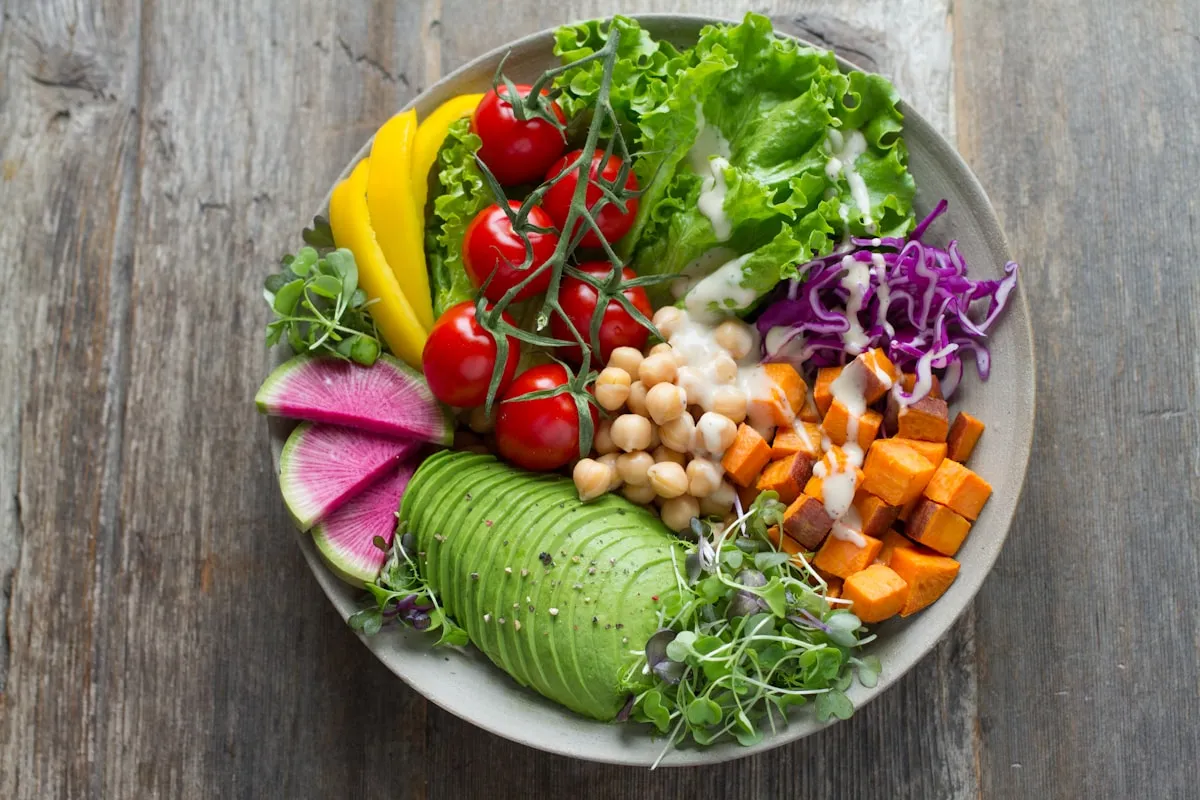
Getting a nutritious meal on the table shouldn’t feel like a high-stakes chemistry experiment, yet we often overcomplicate the balance between protein and greens. You want something satisfying, but you also want to feel light enough to actually enjoy your evening. My secret to mastering healthy weeknight dinners lies in the "Hybrid Plate", a high-quality protein center stage, flanked by vibrant, plant-based dinner ideas that bring the crunch and the color. Let’s dive into how you can transform simple ingredients into a meal that feels like a weekend treat.
The Science of the Perfect Crust and Juicy Protein
When it comes to cooking a centerpiece like herb-crusted pork chops, the "why" is just as important as the "how." You’ve probably suffered through a dry, leathery chop before, we all have. The science of moisture retention boils down to protein denaturation and heat management. As meat cooks, the muscle fibers contract and squeeze out water. If you hit 160°F, you’ve essentially turned your dinner into a sponge that’s been wrung dry.
Aim for the magic number: 145°F. Pull your meat off the heat when it hits 140°F. Because of "carryover cooking," the internal temperature will continue to rise while the meat rests. This resting period is non-negotiable. It allows the muscle fibers to relax and reabsorb those precious juices. If you cut into it immediately, all that flavor escapes onto the plate. Check the temperature with a digital thermometer; guessing is for people who like chewing on shoe leather.
Now, let's talk about that herb crust. It isn't just for decoration; it’s a thermal barrier. By coating your protein in a layer of herbs and breadcrumbs, you create a shield that slows down the heat transfer to the center of the meat. This allows the exterior to get crispy without the interior reaching the "danger zone" of dryness. Use a binder like Dijon mustard or a light brush of olive oil. The mustard serves a dual purpose: it acts as a culinary "glue" and its acidity helps break down surface proteins, resulting in a more tender bite.
Brining is another scientific powerhouse you should use. Even a quick 30-minute soak in a saltwater solution can work wonders. Through the process of osmosis, the salt draws moisture into the meat and helps reorganize the protein structures so they hold onto that water during the cooking process. For those seeking healthy dinner ideas, this technique ensures you don't need heavy sauces to hide a dry piece of meat. The natural juices do all the heavy lifting.
Creative Variations for Every Lifestyle
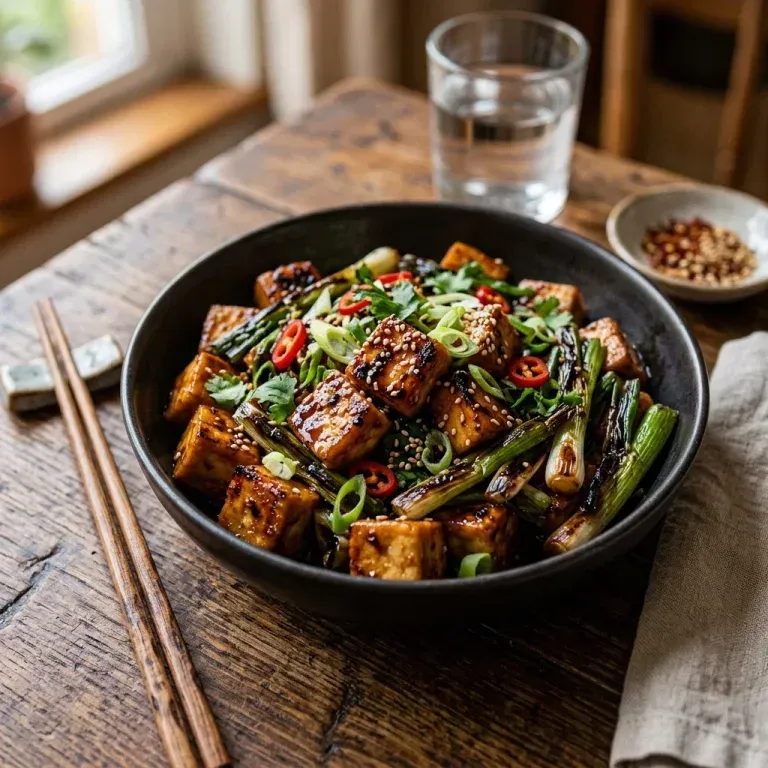
Not every night calls for pork. You can easily adapt these techniques to fit a variety of dietary needs while keeping your quick family meals interesting. If you are leaning into plant-based dinner ideas, try applying the same herb-crusting technique to extra-firm tofu or thick slabs of cauliflower.
For a tofu version, press the moisture out of the block for at least twenty minutes. Use a cornstarch base before applying your mustard binder and herb crust. The starch absorbs any remaining surface moisture, ensuring the crust stays attached and gets that satisfying "snap" when you bite into it. This approach proves that plant-based options don't have to be bland or mushy.
If you’re avoiding gluten, swap the traditional breadcrumbs for crushed almonds or walnuts. Nut-based crusts provide a healthy dose of fats and an even deeper, toastier flavor profile when they hit the heat. For those looking for air fryer recipes dinner, the high-speed convection of an air fryer is perfect for nut-crusted proteins, as it toasts the fats in the nuts quickly without burning the meat inside.
Plant-Based Side Pairings That Pop
The "Hybrid Plate" is only as good as its supporting cast. To balance the richness of an herb-crusted protein, you need sides that offer high acidity and fresh textures. Think of your sides as the "cleaners" for your palate. A heavy, buttery mash might taste good, but it often leaves you feeling sluggish.
Instead, use a bright arugula salad. Arugula’s natural bitterness cuts right through the savory fats of the crust. Add some halved cherry tomatoes for a burst of sweetness and a drizzle of lemon juice to provide the necessary acid. This contrast is what makes healthy weeknight dinners feel balanced rather than heavy.
Another great option is a quick grain bowl base. Quinoa or farro cooked in vegetable stock offers a nutty, earthy foundation that pairs beautifully with roasted vegetables. Avoid overcooking your greens; a light steam or a quick sauté keeps the cellular structure intact, providing that essential crunch that makes a meal feel "fresh." If you're feeling adventurous, you could even try a simplified version of a garlic butter ramen hack using zoodles or whole-wheat noodles for a fun twist on a side dish.
Frequently Asked Questions
Why does my herb crust always fall off the meat?
This usually happens because the surface of the protein was too wet before you applied the binder. Use a paper towel to pat the meat completely dry. The science here is simple: moisture creates steam when heated, and steam will push the crust away from the meat. Also, avoid flipping the meat too early. Let the crust "set" and form a bond with the protein before you move it.
Can I make these in an air fryer?
Absolutely. Using air fryer recipes dinner techniques is actually one of the best ways to get an even, 360-degree crunch. The circulating hot air mimics the effects of deep frying but with significantly less oil. Just ensure you don't crowd the basket; air needs to flow around each piece to dehydrate the crust effectively and create that crispy texture.
Is it safe for the meat to be slightly pink in the middle?
For pork, yes! The USDA updated its guidelines years ago. As long as you hit that 145°F internal temperature and allow for a rest, a blush of pink is perfectly safe and actually preferable for moisture. Overcooking pork to a "pure white" stage is the fastest way to ruin one of your quick family meals.
How can I make my plant-based sides more filling?
Focus on fiber and healthy fats. Incorporate legumes like chickpeas or black beans into your salads, or top your roasted veggies with a handful of toasted seeds. These additions slow down digestion, meaning those healthy dinner ideas will keep you satisfied until breakfast without the "heavy" feeling of a carb-loaded meal.
What’s the best way to store and reheat leftovers?
To keep the crust from getting soggy, avoid the microwave if possible. Reheat your protein in a toaster oven or a skillet over medium heat. This helps re-crisp the exterior. For the plant-based sides, keep the dressing separate until you're ready to eat to prevent the greens from wilting.
Check out Cookpedia for more tips on making home cooking soulful and simple!