Recipe
Servings
Servings 1×
Ingredients
- Chicken
- Quinoa
- Pasta
- Greek yogurt
- Carrots
- Garlic
- Lemon
- Honey
- Tahini
- Cooking oil
- Salt
- Black pepper
Method
- Let’s be honest: by the time Wednesday rolls around, your motivation to cook something elaborate has usually evaporated.
- Use kosher salt and use it early.
- Use larger chunks of carrots to ensure they don't turn to mush before the chicken skin has reached peak crispness.
- Use a wire rack set over your rimmed baking sheet.
- Cut them into 1-inch chunks or slim batons for even cooking.
- Pat the skin dry before roasting and ensure your oven is at least 400°F.”,”@type”:”Answer”}},{“name”:”Can I use chicken breasts instead of thighs?”,”@type”:”Question”,”acceptedAnswer”:{“text”:”Yes, but they dry out faster.
Let’s be honest: by the time Wednesday rolls around, your motivation to cook something elaborate has usually evaporated. You want something bold, something that feels like you actually tried, but without the three-hour commitment. Enter the harissa chicken thigh. It’s spicy, smoky, and dangerously easy to pull off. Paired with sweet, caramelized carrots, this dish is the ultimate solution for healthy weeknight dinners that don't taste like cardboard or "diet food." It’s punchy, reliable, and uses science to do the heavy lifting while you pour a glass of wine.
The Science of the Perfect Roast: Why Thighs and High Heat Win
When it comes to poultry, the chicken breast gets all the marketing, but the thigh has all the talent. If you’ve ever wondered why your chicken comes out dry and fibrous, it’s usually because you’re fighting the wrong cut of meat.
Collagen, Gelatin, and the Magic 175°F
Most people are taught to cook chicken to 165°F (74°C). For breasts, that’s the limit before they turn into sawdust. But for bone-in, skin-on thighs, 165°F is actually the "under-cooked" zone. Thighs are packed with connective tissue and collagen. To get that succulent, "fall-apart" texture, you need to hit at least 175°F to 185°F. At these higher temperatures, the collagen begins to melt and transform into gelatin. This gelatin coats the muscle fibers, providing that rich, juicy mouthfeel that a lean breast simply cannot replicate.
Don't fear the thermometer. Aim for that higher range; your chicken won't be overcooked; it will be optimized.
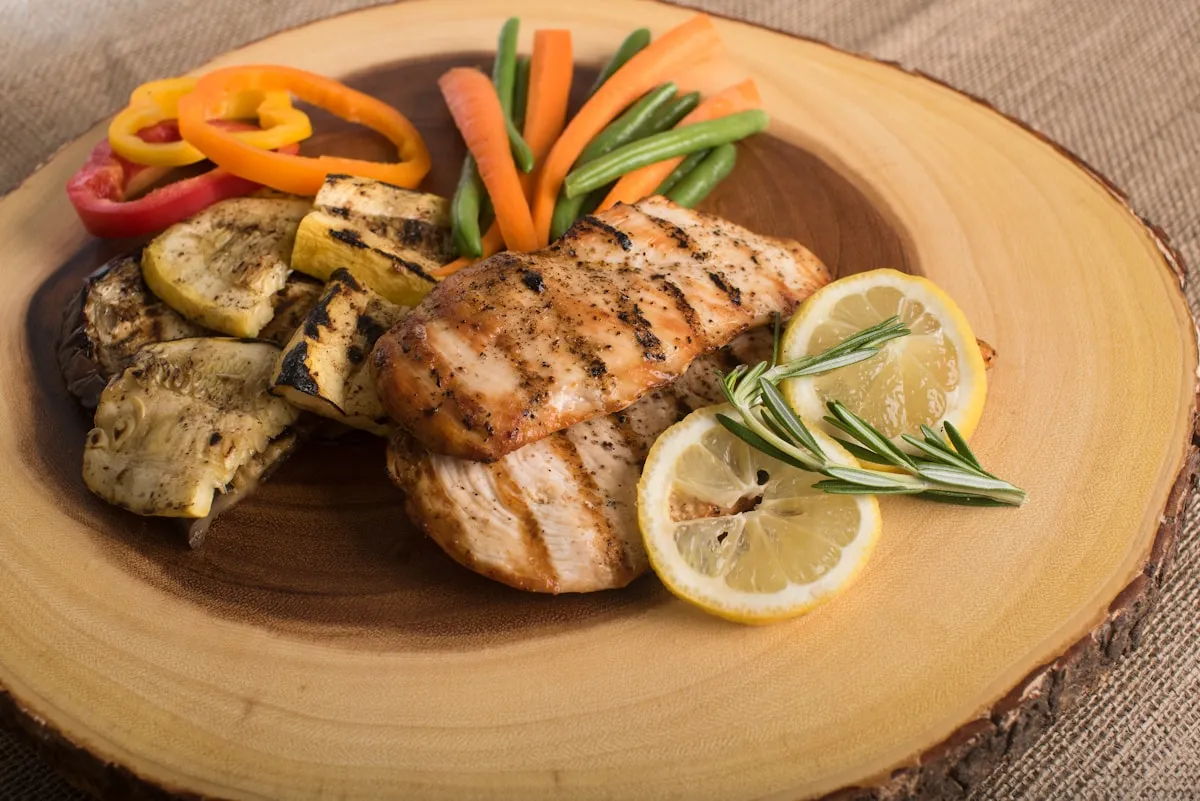
The Dry-Brine Mandate
Use kosher salt and use it early. Dry-brining is a non-negotiable step if you want restaurant-quality results at home. When you salt the chicken and let it sit (even for just 30 minutes, though four hours is the gold standard), a chemical reaction occurs. The salt draws out moisture, dissolves into a concentrated brine, and is then reabsorbed by the meat. This process seasons the bird all the way to the bone and, more importantly, it breaks down the protein structure called myosin. Once myosin is loosened, the meat can hold onto more moisture during the roasting process.
Furthermore, leaving the chicken uncovered in the fridge allows the skin to dehydrate. Dehydrated skin equals crispy skin. If the skin is wet when it hits the oven, the energy from the heat is wasted evaporating that water instead of rendering the fat and crisping the proteins.
Maillard vs. Caramelization: The Carrot Connection
Carrots are the perfect wingman for harissa chicken because they thrive in the same environment. While your chicken is undergoing the Maillard reaction (that beautiful browning of proteins and sugars), your carrots are undergoing both Maillard browning and caramelization.
Carrots have a surprisingly high sugar content. When roasted at high heat, around 400°F to 425°F, those sugars break down and create a nutty, complex sweetness. This sweetness is the essential counterbalance to the aggressive, earthy heat of harissa. Use larger chunks of carrots to ensure they don't turn to mush before the chicken skin has reached peak crispness.
Elevate for Airflow
Use a wire rack set over your rimmed baking sheet. If you place the chicken directly on the pan, the bottom of the thigh sits in its own juices and steams. Steaming is the enemy of crispiness. By elevating the meat, you allow hot air to circulate 360 degrees around the thigh. This mimics the effect of a professional convection oven or the high-velocity air in air fryer recipes dinner fans love, ensuring that every inch of that skin gets the heat it deserves.
Bold Variations and Time-Saving Shortcuts
While the oven is my preferred method for depth of flavor, life happens. Sometimes you need quick family meals that don't require preheating a massive appliance.
- The Air Fryer Shortcut: If you are short on time, you can absolutely move this to the air fryer. The concentrated heat makes it one of the best ways to tackle chicken thighs. Set it to 380°F and check the internal temp after 18-22 minutes. Because air fryers are basically small, high-powered convection ovens, you’ll get incredible skin, though you may need to roast the carrots in a separate batch if your basket is small.
- The Sheet Pan Swap: If you want to lean into the "one-pan" lifestyle, toss your carrots directly onto the tray under the wire rack. They’ll catch the rendering chicken fat, also known as "liquid gold", which adds a savory depth to the roasted vegetables that oil alone cannot provide.
- Sweet and Heat Adjustments: Harissa varies wildly by brand. Some are purely chile-focused and hot; others are smoky with cumin and coriander. If yours is particularly spicy, whisk in a tablespoon of honey or maple syrup. The sugar will help with the caramelization of the chicken skin and provide a "hot honey" effect that balances the spice.
The Perfect Plate: Side Dish Pairings
The beauty of Harissa Chicken and Carrots is that it’s nearly a complete meal on its own, but a few strategic additions can take it from "good Tuesday dinner" to "weekend feast" status.
To balance the richness of the chicken fat and the heat of the chiles, you need two things: acidity and creaminess.
- Herbed Couscous or Quinoa: These small grains are perfect for soaking up any leftover harissa oil on the plate. Toss them with fresh mint and parsley to add a "green" brightness that cuts through the roasted flavors. Check out our 15-minute meals for more fast grain inspiration.
- The Cooling Element: A dollop of Greek yogurt or a drizzle of tahini sauce is almost mandatory. The fats in the yogurt bind to the capsaicin in the harissa, taming the fire and allowing the more nuanced spices like caraway and garlic to shine.
- Fresh Crunch: A quick salad of sliced cucumbers with lemon juice and a pinch of salt provides a temperature and texture contrast that keeps the palate excited.
Troubleshooting & FAQ: The "What If" Science
What if my chicken skin is soggy?
Check two things: moisture and temperature. If you didn't pat the chicken dry with paper towels, it started its oven journey by steaming. Also, check your oven temp. If it’s too low (under 375°F), the fat won't render fast enough to crisp the skin before the meat is cooked. Avoid crowding the pan; if the thighs are touching, moisture gets trapped between them.
What if I only have chicken breasts?
You can use them, but be careful. Breasts lack the protective collagen of thighs, meaning they will dry out the moment they pass 165°F. For healthy weeknight dinners using breasts, I recommend a lower roasting temperature (around 350°F) and a much shorter cooking time. Or better yet, save the breasts for a one-pot pasta and stick to thighs for roasting.
Why are my carrots burnt on the outside but hard in the middle?
This usually happens if you cut the carrots too thick or if your oven has "hot spots." High heat is great for caramelization, but if the carrots are massive, the outside will char before the heat can penetrate the core. Cut them into 1-inch chunks or slim batons for even cooking.
Can I make this as one of my quick family meals if my kids hate spice?
Absolutely. Harissa can be intimidating for kids. A great trick is to roast the chicken with just salt, pepper, and olive oil for the kids, and then brush the harissa glaze onto the adult portions during the last 5 minutes of roasting. This "blooms" the spices without infusing the entire tray with heat.
Does it matter if I use a glass or metal pan?
Yes. Metal is a much better conductor of heat. For roasting, a rimmed metal baking sheet (a half-sheet pan) is superior because it heats up quickly and aids in the browning of the carrots. Glass acts as an insulator and can lead to uneven cooking and less "crunch."
For more inspiration on mastering the bird, explore our chicken category or dive into our air fryer dinners for more time-saving techniques.
{“@type”:”BlogPosting”,”image”:”https://cdn.marblism.com/wWvG63GX6xk.webp”,”author”:{“name”:”Penny”,”@type”:”Person”},”@context”:”https://schema.org”,”headline”:”Healthy Weeknight Dinners: Harissa Chicken Thighs with Roasted Carrots”,”publisher”:{“logo”:{“url”:”https://cookpedia.com/logo.png”,”@type”:”ImageObject”},”name”:”Cookpedia”,”@type”:”Organization”},”mainEntity”:[{“name”:”What if my chicken skin is soggy?”,”@type”:”Question”,”acceptedAnswer”:{“text”:”Soggy skin is usually caused by excess moisture or low heat. Pat the skin dry before roasting and ensure your oven is at least 400°F.”,”@type”:”Answer”}},{“name”:”Can I use chicken breasts instead of thighs?”,”@type”:”Question”,”acceptedAnswer”:{“text”:”Yes, but they dry out faster. Cook them to an internal temperature of 165°F and monitor them closely to avoid a fibrous texture.”,”@type”:”Answer”}}],”articleBody”:”Blog content about roasting chicken thighs with harissa and carrots, focusing on the Maillard reaction, dry-brining, and flavor balance.”,”description”:”Discover the science of the perfect harissa chicken and roasted carrots dinner. Learn why thighs win over breasts and how to achieve crispy skin every time.”,”datePublished”:”2026-07-25″,”mainEntityOfPage”:{“@id”:”https://cookpedia.com/harissa-chicken-thighs-roasted-carrots”,”@type”:”WebPage”}}