Recipe
Servings
Servings 1×
Ingredients
- Chicken
- Shrimp
- Steak
- Tofu
- Rice
- Peas
- Cucumber
- Garlic
- Cooking oil
Method
- Use a heavy-bottomed skillet or a carbon steel wok and get it screaming hot before the meat even touches the surface.
- Let the chicken sit undisturbed for a minute to develop a crust.
- Add the leaves at the very end of the cooking process.
- Use a light rice vinegar and sugar dressing to provide a cooling crunch between spicy bites.
- Keep the vegetables crisp-tender to add a structural contrast to the soft jasmine rice.
If you have fifteen minutes and a hunger that only something salty, spicy, and savory can fix, you are in the right place. Thai Basil Chicken, or Pad Krapow Gai, is the ultimate heavy hitter in the world of quick family meals. It’s the kind of dish that makes you wonder why you ever bothered with overpriced takeout. It’s fast, it’s vibrant, and it uses the kind of kitchen chemistry that turns simple chicken into a flavor bomb. Today, we’re diving into why this stir-fry works so well and how you can master it for your own rotating list of healthy dinner ideas.
The Science of the Sizzle: Mastering Stir-Fry Technique
The secret to a world-class stir-fry isn't some mystical hidden ingredient; it’s all about heat management and chemistry. To get that deep, restaurant-quality savoriness, you need to lean into the Maillard reaction. This is the chemical dance between amino acids and sugars that occurs when food hits high heat. When you sear your chicken, don't just "cook" it, brown it.
Embrace the Maillard Reaction
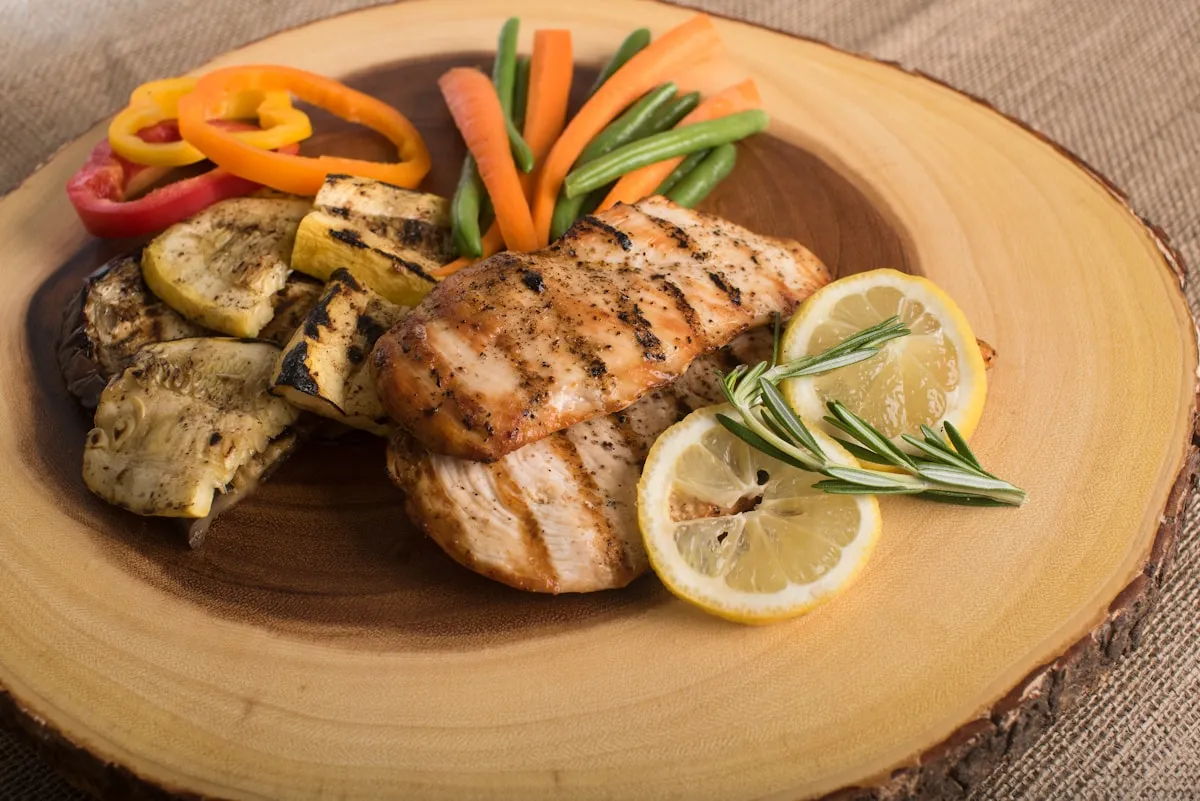
Use a heavy-bottomed skillet or a carbon steel wok and get it screaming hot before the meat even touches the surface. Avoid overcrowding the pan at all costs. If you toss too much chicken in at once, the temperature drops, the meat begins to steam in its own juices, and you lose that precious browning. If you’re cooking for a crowd, work in batches. Let the chicken sit undisturbed for a minute to develop a crust. This browning creates a complex, meaty profile that forms the backbone of the dish.
Protecting the Volatile Oils
While the chicken loves the heat, your aromatics are a bit more sensitive. Garlic, chilies, and basil are packed with volatile oils, the compounds responsible for that punchy, aromatic fragrance. Fry your minced garlic and chilies only until they become fragrant, usually about 20 seconds. If they turn dark brown or black, they’ve burnt, and those beautiful oils have turned bitter.
The basil is even more delicate. The anise-like, peppery scent of Thai holy basil (or its cousin, Italian sweet basil) is highly fugitive. Add the leaves at the very end of the cooking process. In fact, kill the heat entirely before tossing them in. The residual warmth of the pan is enough to wilt the leaves without evaporating the essential oils that give the dish its signature soul.
Starch Management with Jasmine Rice
A stir-fry is only as good as its base, and jasmine rice is the gold standard here. The science of the perfect grain comes down to starch gelatinization. Jasmine rice has a specific ratio of amylose to amylopectin that makes it tender and slightly sticky, yet capable of staying separate if handled correctly. Always rinse your rice under cold water until the water runs clear; this removes excess surface starch that causes clumping. For a glossier finish, coat the raw grains in a teaspoon of oil before adding water. This creates a thin barrier that keeps the grains distinct and prevents them from turning into a mushy heap.
Check out our guide on One-Pot Meals if you love efficient cooking!
Bold Variations for Every Palate
One of the reasons this dish stays at the top of my healthy dinner ideas list is its sheer versatility. While chicken is the classic choice, the technique remains the same regardless of your protein.
- Plant-Based Power: Swap the chicken for firm tofu or crumbled tempeh. If you use tofu, press it well to remove moisture so you can still achieve that Maillard browning. Tofu acts like a sponge for the savory sauce, making it a fantastic vegetarian alternative. You can find more inspiration in our Vegetarian Dinner Recipes.
- The Seafood Twist: Shrimp or sliced squid work beautifully here. Keep in mind that seafood cooks much faster than poultry. Flash-fry your shrimp for just 90 seconds per side to keep them succulent rather than rubbery.
- Crispy Beef: Use thinly sliced flank steak or skirt steak. The high surface-area-to-volume ratio of sliced beef means you get even more browning per bite.
- Air Fryer Hack: If you’re looking to cut down on active stove time, you can actually use air fryer recipes dinner techniques to prep your protein. Toss bite-sized chicken pieces with a tiny bit of oil and air-fry at 400°F (200°C) until crispy, then toss them into the pan with your aromatics and sauce at the very end for a "cheat" version of this stir-fry.
Balancing the Plate: Side Dish Pairings
A great Thai stir-fry is a study in balance: salty, sweet, spicy, and sour. Since the chicken and rice are quite rich and savory, you need something bright and acidic to cut through that weight.
A simple cucumber salad is the traditional partner. Use a light rice vinegar and sugar dressing to provide a cooling crunch between spicy bites. The acidity of the vinegar acts as a palate cleanser, resetting your taste buds so every forkful of chicken feels as punchy as the first.
If you want more greens, a quick plate of stir-fried bok choy or snap peas is excellent. Keep the vegetables crisp-tender to add a structural contrast to the soft jasmine rice. For more ideas on how to round out your table, visit our Quick Meals section.
Frequently Asked Questions
Why is my Thai basil chicken soggy instead of glazed?
Soggy stir-fry is almost always a result of low heat or overcrowding. If the pan temperature isn't high enough, the juices released by the chicken won't evaporate instantly; instead, they pool in the pan and boil the meat. To fix this, use a larger pan or cook in two batches. Also, ensure your sauce is added towards the end and allowed to reduce until it physically "glazes" or sticks to the meat.
Can I use regular Italian basil if I can't find Thai basil?
Yes, you can, but the flavor profile will shift. Italian basil is sweeter and more floral, whereas Thai holy basil (Krapow) is peppery and spicy. If using Italian basil, add a pinch of extra black pepper or a dash of lime zest to mimic that spicy kick. Check our 15-Minute Meals for more easy herb swaps.
Is jasmine rice mandatory, or can I use brown rice?
You can absolutely use brown rice for an extra fiber boost, making it one of those excellent healthy dinner ideas. However, keep in mind that brown rice takes significantly longer to cook (about 40-45 minutes) and has a nuttier, chewier texture. It won't have the same floral aroma as jasmine rice, but it holds up well against the bold flavors of the stir-fry.
How do I keep my garlic from burning in a hot wok?
The trick is "the aromatic buffer." Don't toss your garlic into a dry, hot pan. Ensure there is enough oil to coat the bottom. If the pan is extremely hot, you can briefly remove it from the heat source, toss in the garlic and chilies, stir for 10 seconds, and then return it to the flame. This prevents the garlic from reaching its burning point too quickly.
What if I don't have a wok?
Don't worry! A large stainless steel or cast-iron skillet works perfectly. The goal is surface area and heat retention. Cast iron is particularly good for maintaining high temperatures even when cold meat is added, which helps you achieve that elusive Maillard browning on a standard home stove.
{“faq”:{“@type”:”FAQPage”,”mainEntity”:[{“name”:”Why is my Thai basil chicken soggy instead of glazed?”,”@type”:”Question”,”acceptedAnswer”:{“text”:”Soggy stir-fry is almost always a result of low heat or overcrowding. If the pan temperature isn’t high enough, the juices released by the chicken won’t evaporate instantly; instead, they pool in the pan and boil the meat.”,”@type”:”Answer”}},{“name”:”Can I use regular Italian basil if I can’t find Thai basil?”,”@type”:”Question”,”acceptedAnswer”:{“text”:”Yes, but the flavor profile will shift. Italian basil is sweeter and more floral, whereas Thai holy basil is peppery and spicy. Add a pinch of black pepper or lime zest to compensate.”,”@type”:”Answer”}},{“name”:”How do I keep my garlic from burning in a hot wok?”,”@type”:”Question”,”acceptedAnswer”:{“text”:”Use enough oil and don’t toss garlic into a dry pan. You can also briefly remove the pan from the heat to stir in aromatics before returning it to the flame.”,”@type”:”Answer”}}]},”@type”:”BlogPosting”,”image”:”https://cdn.marblism.com/d6fU66yPbz5.webp”,”author”:{“name”:”Cookpedia”,”@type”:”Organization”},”@context”:”https://schema.org”,”headline”:”Healthy Weeknight Dinners: Thai Basil Chicken Stir-Fry with Jasmine Rice”,”publisher”:{“logo”:{“url”:”https://cdn.marblism.com/KxroJ1kM_KA.webp”,”@type”:”ImageObject”},”name”:”Cookpedia”,”@type”:”Organization”},”description”:”Learn the science behind a perfect Thai Basil Chicken stir-fry. Master the Maillard reaction, preserve volatile basil oils, and cook fluffy jasmine rice for the ultimate quick family meal.”,”datePublished”:”2026-07-28T12:00:00Z”,”mainEntityOfPage”:{“@id”:”https://cookpedia.com/healthy-weeknight-dinners-thai-basil-chicken”,”@type”:”WebPage”}}