Recipe
Servings
Servings 1×
Ingredients
- Chicken
- Salmon
- Tofu
- Beans
- Quinoa
- Noodles
- Rice
- Bread
- Potatoes
- Cauliflower
- Green beans
- Greens
- Garlic
- Fresh ginger
- Lime
- Honey
- Cream
- Cooking oil
Method
- Use a dry pan and pat your fish with paper towels until it is bone-dry.
- Add the majority of your glaze during the final two minutes of cooking.
- Remove your fillets from the pan when the internal temperature hits about 135°F (57°C).
- Let the fish rest on a warm plate for three to five minutes.
- Add your sesame oil and seeds at the very last second.
- Toast the seeds until they are fragrant, then pull the pan off the heat immediately.
Getting a restaurant-quality sear on a piece of fish at home shouldn't feel like a high-stakes science experiment. I know the feeling: you want something that qualifies as one of those healthy dinner ideas you actually look forward to, but the fear of a dry, chalky fillet or a sticky, burnt pan often leads you back to the cereal bowl. This honey soy glazed salmon is my absolute favorite solution for quick family meals that feel incredibly fancy without the fuss. It is the gold standard for healthy weeknight dinners when you want max flavor with minimal cleanup.
The Chemistry of the Perfect Sear: Maillard and Caramelization
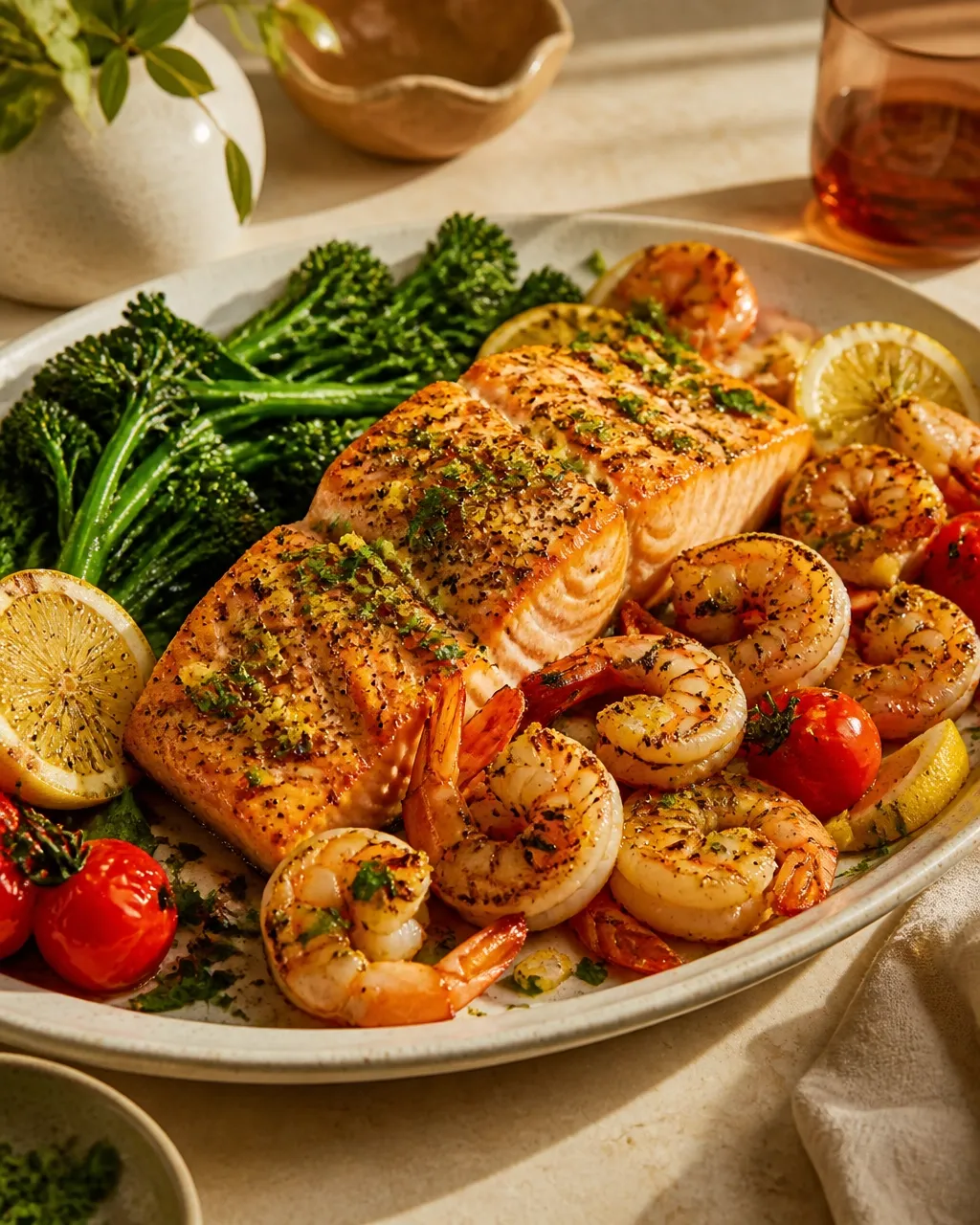
To master this dish, you need to understand why your salmon behaves the way it does in the pan. We are chasing two specific chemical reactions: the Maillard reaction and caramelization. The Maillard reaction is that savory, complex browning that happens when amino acids and reducing sugars meet heat. In this recipe, the proteins in the salmon and the sugars in the honey join forces to create that gorgeous crust.
Use a dry pan and pat your fish with paper towels until it is bone-dry. Moisture is the enemy of the Maillard reaction. If there is water on the surface, the fish will steam instead of sear, and you’ll end up with a gray, sad piece of protein. Check that your pan is truly hot before the fish hits the surface; you want to hear a definitive sizzle immediately.
Caramelization, on the other hand, is the thermal breakdown of sugars alone. Because our glaze is heavy on honey, it will caramelize much faster than the fish will cook. Add the majority of your glaze during the final two minutes of cooking. This prevents the honey from turning into a bitter, blackened mess before the center of the salmon reaches the perfect temperature. Watch for the glaze to transform from a thin liquid into a thick, glossy syrup that clings to the back of a spoon.
Mastering Carry-Over Cooking
One of the biggest mistakes home cooks make is leaving the fish on the heat until it looks "done." By the time it looks done in the pan, it’s already overcooked. Salmon continues to cook for several minutes after you remove it from the heat, a process called carry-over cooking.
Remove your fillets from the pan when the internal temperature hits about 135°F (57°C). Let the fish rest on a warm plate for three to five minutes. During this time, the heat from the outer layers will migrate inward, bringing the center to a buttery, perfect 145°F. Trust the process and avoid the urge to poke it repeatedly. A rested fillet is a juicy fillet.
Achieving "Blister" on Your Green Beans
The sesame green beans aren't just a side; they provide the essential textural contrast to the soft salmon. To get that "blistered" look without losing the crunch, you need high, dry heat. Blanch your beans in salted boiling water for exactly two minutes, then shock them in an ice bath. This sets the vibrant green color and stops the cooking process.
Once they are dry, toss them into a hot skillet with a tiny bit of oil. You want to see small, dark brown spots forming on the skin of the beans. This is where the flavor lives. Add your sesame oil and seeds at the very last second. Sesame oil has a low smoke point and can turn acrid if it sits in a hot pan for too long. Toast the seeds until they are fragrant, then pull the pan off the heat immediately.
Flavor Balancing and Glaze Intensity
A great glaze is all about the tug-of-war between salt, sweet, and acid. The soy sauce provides the salt (the foundation), the honey provides the sweet (the body), and a splash of rice vinegar or lime juice provides the acid (the brightness). If your glaze feels too heavy or cloying, increase the acidity. If it’s too sharp, add a tiny bit more honey.
Reduce your sauce until it achieves a "nappe" consistency, meaning it coats the back of a spoon and holds a line when you run your finger through it. If you over-reduce it and it becomes tacky like candy, whisk in a tablespoon of warm water to loosen it up. This is one of those easy dinner recipes where the sauce does all the heavy lifting, so treat it with respect.
Creative Variations and Protein Swaps
While salmon is the star here, this flavor profile is incredibly versatile. If you are looking for air fryer recipes dinner style, you can absolutely cook the salmon in the basket at 400°F for about 7-9 minutes. Just be sure to brush the glaze on during the last 2 minutes to avoid burning the sugars in the concentrated heat of the air fryer.
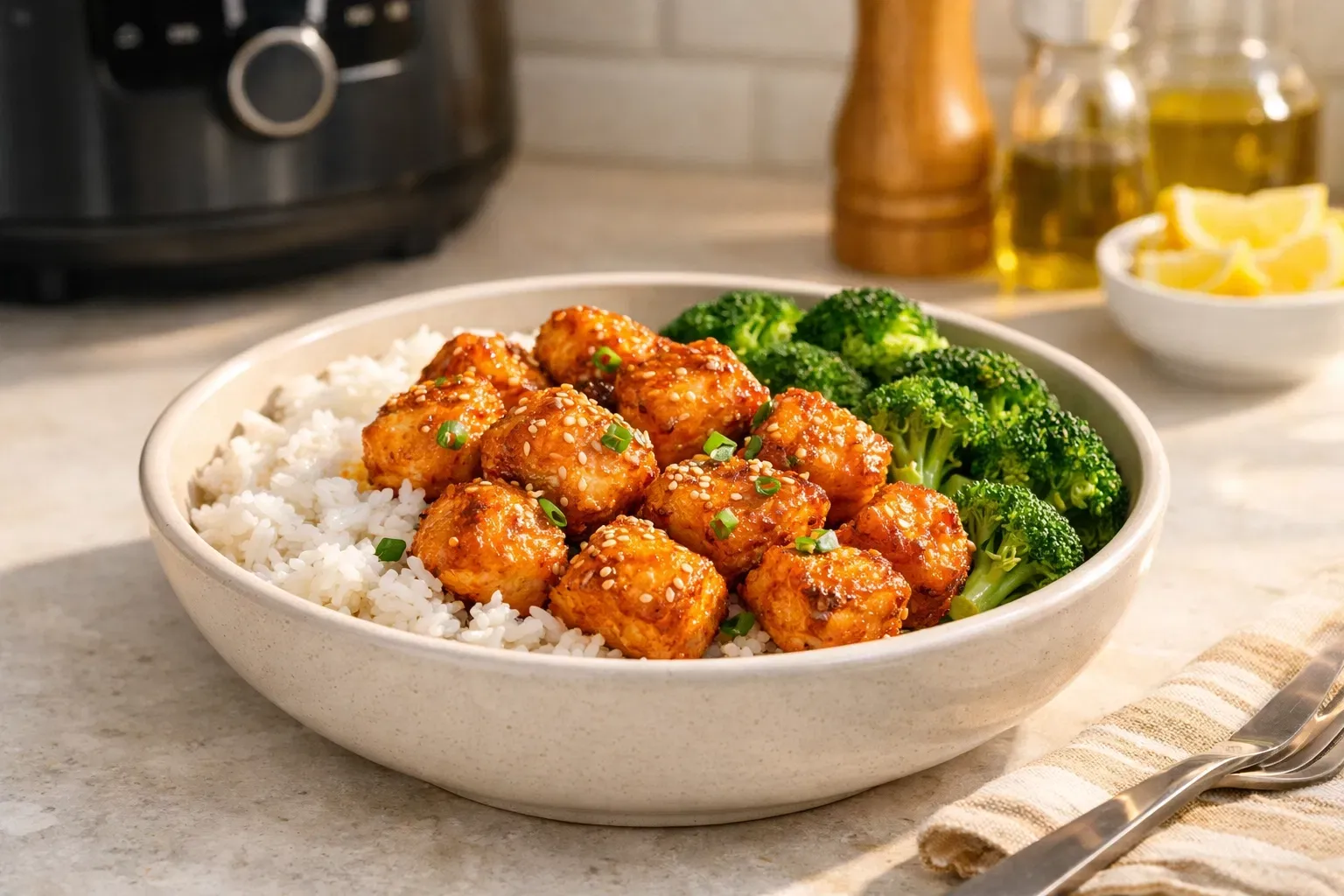
For a plant-based alternative, look at our air-fryer sesame tofu bowl (pictured above). Tofu absorbs the honey-soy glaze beautifully, though you’ll want to press the tofu for at least 20 minutes beforehand to ensure it gets crispy. Chicken thighs are another excellent substitute; they handle the high heat of the glaze even better than breast meat because of their higher fat content.
If you want to kick the heat up a notch, whisk a teaspoon of sambal oelek or sriracha into the glaze. The capsaicin in the chili balances the sweetness of the honey and creates a "hot honey" effect that works brilliantly with the fatty salmon. You can also experiment with aromatics; grated ginger or crushed garlic added to the pan in the last minute of searing will infuse the oil and the glaze with a deep, earthy aroma.
Perfect Pairings for a Balanced Plate
When pairing sides with a rich, fatty fish like salmon, you want something that can soak up the extra glaze while offering a clean finish. Fluffy jasmine rice is the classic choice, but if you're keeping things light, cauliflower rice or a simple quinoa salad works wonders.
To cut through the richness of the honey-soy glaze, consider adding a side of quick-pickled cucumbers. The sharp vinegar and crunch of the cucumbers provide a refreshing palate cleanser between bites of the savory fish. A simple slaw made with shredded cabbage, lime juice, and cilantro is another fantastic way to add volume and nutrition to your healthy weeknight dinners without adding a lot of calories.
Avoid heavy, cream-based sides or overly buttery potatoes with this dish. The glaze is already quite rich, so you want your pairings to be light, acidic, or neutral. If you're feeling adventurous, a cold noodle salad with a light ginger-soy dressing is a great way to turn this into a more substantial meal for hungry teenagers or guests.
Frequently Asked Questions
What if my salmon skin sticks to the pan?
This usually happens for two reasons: either the pan wasn't hot enough when you started, or you're trying to flip the fish too early. Protein bonds with the metal of the pan initially, but as the Maillard reaction occurs, the fish will naturally "release" itself. If you feel resistance when you try to slide a spatula under the skin, give it another 30 seconds. It’ll let go when it’s ready.
Can I use frozen salmon fillets?
Yes, but you must thaw them completely and pat them extremely dry. Frozen fish often releases more moisture during cooking, which can dilute your glaze and prevent a good sear. Thaw them in the fridge overnight for the best texture. Avoid the "quick thaw" in warm water, as this can make the flesh mushy.
Why did my green beans turn a dull olive color?
That dull color is a sign of overcooking or the introduction of acid too early. Chlorophyll reacts to heat and acid by breaking down. To keep them bright green, stick to the two-minute blanch and ice bath, and only add acidic components like lime juice or vinegar right before serving.
Is it safe to eat salmon that is slightly pink in the middle?
Actually, it's preferred! High-quality salmon is best enjoyed at medium-rare to medium doneness. If the fish is opaque and flaking apart all the way through, it’s likely overcooked and dry. As long as the fish has reached a safe internal temperature (and benefited from carry-over cooking), that slight translucency in the center is the key to a succulent meal.
My glaze turned into a hard caramel in the pan. What happened?
The sugar in the honey reached the "hard ball" stage because the heat was too high or it cooked for too long. If this happens, don't panic. Add a splash of water or chicken broth to the pan and whisk vigorously over low heat. The liquid will dissolve the sugar and bring it back to a saucy consistency.
How do I keep the sesame seeds from burning?
Sesame seeds go from toasted to burnt in a matter of seconds. Buy pre-toasted seeds if you want to skip the risk, or toast them in a separate dry pan over medium heat until they just start to smell nutty. Add them to the dish only after you’ve turned off the main heat source.
{“@type”:”BlogPosting”,”image”:[“https://cdn.marblism.com/OmkhGLQUO6O.webp”,”https://cdn.marblism.com/Ggjy2LQzWMX.webp”,”https://cdn.marblism.com/i2u9dVitj5W.webp”,”https://cdn.marblism.com/5NvtmBhwPf_.webp”],”author”:{“name”:”Penny”,”@type”:”Person”},”@context”:”https://schema.org”,”headline”:”Healthy Weeknight Dinners: Honey Soy Glazed Salmon with Sesame Green Beans”,”publisher”:{“logo”:{“url”:”https://cookpedia.com/logo.png”,”@type”:”ImageObject”},”name”:”Cookpedia”,”@type”:”Organization”},”description”:”Learn the science behind the perfect honey soy glazed salmon and blistered sesame green beans. A quick, healthy weeknight dinner solution for busy home cooks.”,”datePublished”:”2026-07-21″,”mainEntityOfPage”:{“@id”:”https://cookpedia.com/healthy-weeknight-dinners-salmon”,”@type”:”WebPage”}}