Recipe
Servings
Servings 1×
Ingredients
- Salmon
- Chickpeas
- Quinoa
- Rice
- Potatoes
- Sweet potatoes
- Cauliflower
- Broccoli
- Garlic
- Lemon
- Cream
- Hard cheese
- Feta
- Cooking oil
Method
- Let’s talk about the Maillard reaction, that beautiful, golden-brown crust on your salmon.
- Use a paper towel to press every bit of moisture out of the skin.
- Give it three to four minutes of uninterrupted heat to develop that structural crust.
- Rinse your quinoa thoroughly in a fine-mesh sieve until the water runs completely clear.
- Pat it dry multiple times, as frozen fish tends to release more moisture than fresh.
- Add an extra squeeze of fresh lemon juice over the fish before sealing it; the citric acid helps neutralize the amines responsible for that strong scent.
There is a specific kind of magic that happens when you combine the richness of a fatty fish with the nutty, structural integrity of a well-cooked ancient grain. This Mediterranean Salmon and Quinoa Bowl is my personal answer to the "what's for dinner?" panic that inevitably sets in around 6:00 PM on a Tuesday. It fits perfectly into my rotation of healthy weeknight dinners because it manages to be incredibly satisfying without leaving you in a food coma before you’ve even finished the dishes.
The Science of the Sear and the Fluff
When you are looking for easy dinner recipes, the secret isn't just in the ingredients; it’s in how you treat them. Let’s talk about the Maillard reaction, that beautiful, golden-brown crust on your salmon. To achieve this, you must ensure your salmon is as dry as a desert before it ever touches the heat. Use a paper towel to press every bit of moisture out of the skin. If the surface is wet, it will steam instead of sear, and you’ll miss out on that crunch that contrasts so perfectly with the tender interior.
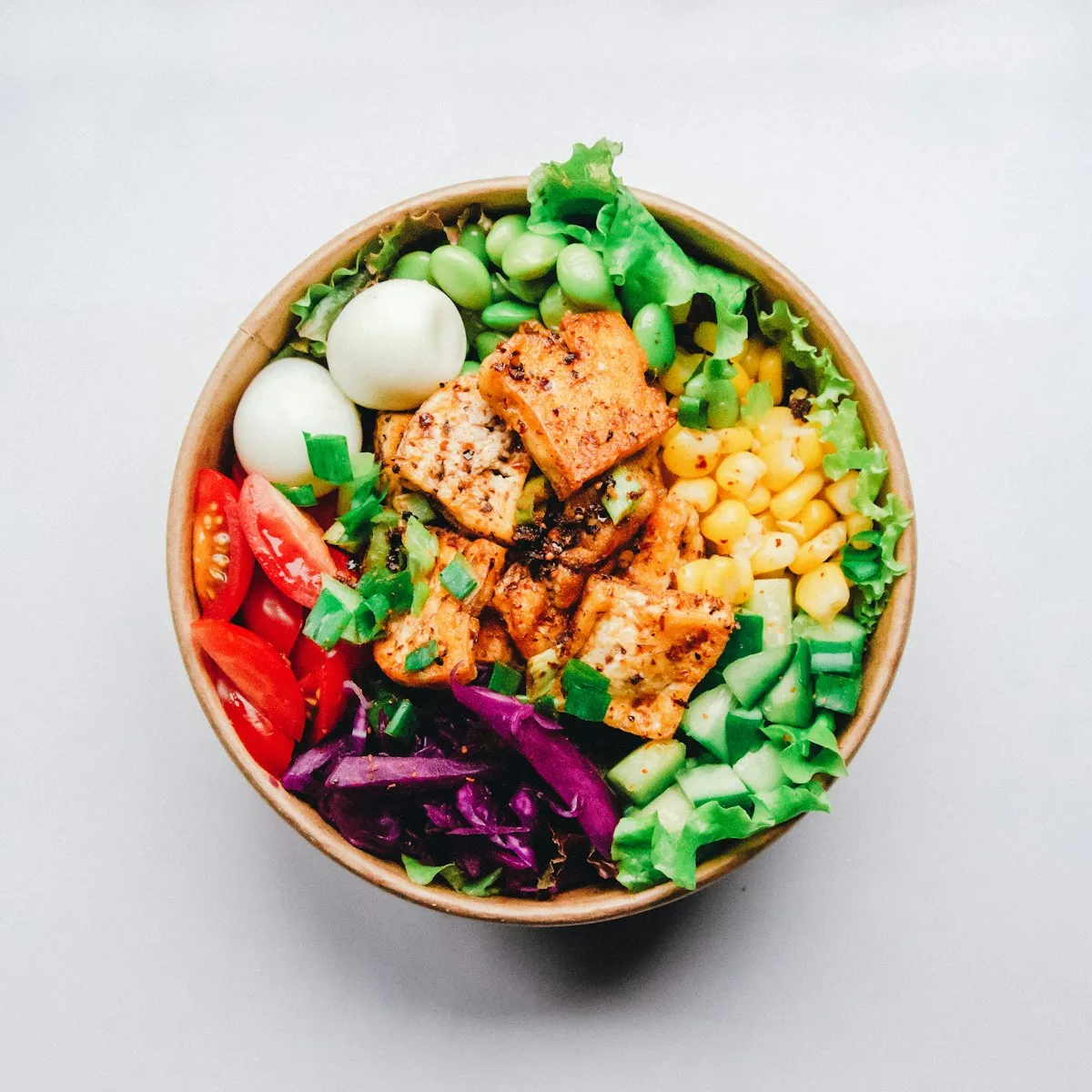
Choose a high-smoke-point oil for this process. Avoid extra virgin olive oil for the high-heat searing phase; its low smoke point means it can turn bitter and acrid if pushed too far. Instead, use a neutral oil or refined olive oil for the pan, and save your fancy cold-pressed oils for the final drizzle over the quinoa. When you place the fish in the pan, resist the urge to move it. Give it three to four minutes of uninterrupted heat to develop that structural crust. If you try to flip it and it sticks, it’s not ready. Be patient; the fish will tell you when it’s done by releasing itself from the pan.
Now, let’s handle the quinoa. Many people find quinoa bitter, but this is usually due to saponins, a natural coating on the grain designed to ward off birds. Rinse your quinoa thoroughly in a fine-mesh sieve until the water runs completely clear. This simple step transforms the flavor from "dirt-adjacent" to "nutty and sweet." For the fluffiest results, use a 1:2 ratio of grain to liquid, but here is the professional tip: once the water has been absorbed, remove the pot from the heat, cover it with a clean kitchen towel, and let it sit for ten minutes. The towel absorbs the excess steam, preventing the grains from becoming mushy.
Check your salmon’s internal temperature if you want to be precise. Aim for 125°F (52°C) for a medium-rare center that stays moist. Remember that carryover cooking is real; the temperature will continue to rise by a few degrees once you take it off the heat. Avoid overcooking at all costs, as salmon goes from "buttery" to "sawdust" in a matter of sixty seconds.
Creative Variations for Every Table
While this bowl is a powerhouse of nutrition as-is, I know that variety is the soul of any kitchen. If you find yourself leaning toward one pot meals for easier cleanup, you can actually adapt this concept by roasting the salmon directly on top of a bed of pre-soaked grains and vegetables in a deep sheet pan or a Dutch oven. It changes the texture slightly, but it saves on the scrubbing.
For those pursuing a plant-based lifestyle, swap the salmon for crispy, pan-fried chickpeas or thick slabs of grilled halloumi. The halloumi provides a similar salty, fatty satisfaction that pairs beautifully with the lemon-heavy dressing. If you’re looking for a lower-carb option, swap the quinoa for cauliflower rice, but be sure to sauté the cauliflower briefly with garlic and oregano to give it some personality.
You can also lean into different regional profiles. While we love the Mediterranean vibe, you can pivot to a Nordic style by using a creamy dill and lemon dressing and replacing the olives with quick-pickled cucumbers and radishes. This provides a sharp, bright acidity that cuts through the richness of the fish just as effectively as the traditional Mediterranean components.
Perfect Side Dish Pairings
The Mediterranean diet is all about balance, and your side dishes should reflect that. Since the salmon and quinoa are quite hearty, you want something that provides a "palate reset." A simple arugula salad with a sharp red wine vinaigrette is my go-to. The peppery bite of the arugula and the acidity of the vinegar cut right through the omega-3 fats in the salmon.
If you want something warm, try Keto garlic parmesan roasted broccoli. The charred edges of the broccoli add a smoky depth that complements the seared fish. Alternatively, a side of roasted sweet potatoes provides a nice starchy sweetness that balances the salty punch of the kalamata olives and feta cheese often found in these bowls. Avoid anything too heavy or cream-based, as you don't want to overshadow the delicate flavors of the fresh herbs and lemon.
Common Kitchen Questions (FAQ)
What if my quinoa is always mushy?
You are likely using too much liquid or not letting it rest. Decrease your liquid slightly, try a 1:1.75 ratio, and never skip the "towel rest." The resting period allows the starch to set and the excess moisture to escape, leaving you with distinct, individual grains rather than a porridge.
Can I use frozen salmon for this?
Absolutely. Just ensure it is completely thawed before you start cooking. Pat it dry multiple times, as frozen fish tends to release more moisture than fresh. If you put a semi-frozen piece of fish in a hot pan, the outside will burn before the inside reaches a safe temperature.
How do I store leftovers without the fish getting "fishy"?
The "fishy" smell is caused by the oxidation of fats. To minimize this, store the salmon separately from the quinoa in an airtight container. Add an extra squeeze of fresh lemon juice over the fish before sealing it; the citric acid helps neutralize the amines responsible for that strong scent. Eat your leftovers within 24 hours for the best quality.
Is this recipe suitable for meal prep?
Yes, it's one of the best easy dinner recipes for prepping ahead. Keep the dressing in a separate small jar and only toss it with the salad and grains right before eating. Cold salmon is actually delicious on a bed of quinoa, making this a perfect desk lunch for the next day.
Why is my salmon skin not crispy?
You probably crowded the pan or didn't wait for the oil to shimmer. If the pan isn't hot enough, the skin will stick and tear. Also, make sure you aren't using a non-stick pan that prevents high-heat searing; a stainless steel or cast iron skillet is your best friend here.
Can I make this in an air fryer?
You certainly can. It’s one of those great air fryer recipes that saves time. Just be aware that you won't get the same localized sear as you would in a pan, but the convection heat will cook the fish very evenly.
Is quinoa better than rice for this bowl?
From a nutritional standpoint, quinoa offers more protein and fiber, which helps with satiety. From a culinary standpoint, its nutty flavor and "pop" texture provide a more interesting base for Mediterranean flavors than white rice.
{“@type”:”BlogPosting”,”about”:[{“name”:”Salmon”,”@type”:”Thing”},{“name”:”Quinoa”,”@type”:”Thing”},{“name”:”Mediterranean Diet”,”@type”:”Thing”}],”image”:”https://cdn.marblism.com/Te9-PKOklDY.webp”,”author”:{“name”:”Penny”,”@type”:”Person”},”faqPage”:{“@type”:”FAQPage”,”mainEntity”:[{“name”:”What if my quinoa is always mushy?”,”@type”:”Question”,”acceptedAnswer”:{“text”:”Decrease your liquid slightly—try a 1:1.75 ratio—and never skip the ‘towel rest’ after cooking to allow excess steam to escape.”,”@type”:”Answer”}},{“name”:”Can I use frozen salmon for this?”,”@type”:”Question”,”acceptedAnswer”:{“text”:”Yes, but ensure it is completely thawed and patted dry to prevent steaming in the pan.”,”@type”:”Answer”}},{“name”:”How do I store leftovers without the fish getting ‘fishy’?”,”@type”:”Question”,”acceptedAnswer”:{“text”:”Store the salmon separately in an airtight container and add a fresh squeeze of lemon juice to neutralize odors.”,”@type”:”Answer”}}]},”@context”:”https://schema.org”,”headline”:”Healthy Weeknight Dinners: Mediterranean Salmon and Quinoa Bowl”,”keywords”:”healthy weeknight dinners, easy dinner recipes, one pot meals”,”publisher”:{“logo”:{“url”:”https://cookpedia.com/logo.png”,”@type”:”ImageObject”},”name”:”Cookpedia”,”@type”:”Organization”},”description”:”Learn how to make a perfect Mediterranean Salmon and Quinoa Bowl. This guide covers the science of searing salmon, fluffing quinoa, and healthy weeknight dinner tips.”,”datePublished”:”2026-07-19″,”articleSection”:”Cooking Tips”,”mainEntityOfPage”:{“@id”:”https://cookpedia.com/healthy-weeknight-dinners-salmon-quinoa-bowl”,”@type”:”WebPage”}}