Recipe
Servings
Servings 1×
Cook 20 min
Ingredients
- Chicken
- Rice
- Bread
- Potatoes
- Cauliflower
- Asparagus
- Carrots
- Spinach
- Peas
- Cucumber
- Onion
- Lemon
- Mustard
- Butter
Method
- Prepare the ingredients described in the article and heat the cooking surface or oven as directed.
- Cook the main ingredients using the heat and timing guidance in the article.
- Finish with the seasonings and garnishes named in the article, then serve.
If you have ever stared at a pile of dirty pans after cooking a "simple" meal and wondered where your life went wrong, you are my people. There is a specific kind of magic in the one-pot method, particularly when it combines succulent protein, fluffy grains, and tender greens in a single vessel. This lemon herb chicken and rice pilaf is exactly that, a weeknight powerhouse that delivers deep, restaurant-level flavor with minimal cleanup. It is one of those healthy dinner ideas that actually tastes indulgent, thanks to a few scientific tricks we will pull out of our culinary sleeves.
The Science of the Perfect Pilaf: Maillard and Moisture
To get this dish right, you have to understand that we aren’t just boiling things together; we are building layers of flavor through chemistry. It all starts with the Maillard reaction. When you sear your chicken in the pot first, the heat causes proteins and sugars to react, creating that beautiful golden-brown crust and a complex, savory depth. This leaves behind "fond", those tasty little brown bits stuck to the bottom of the pan. Think of fond as concentrated flavor gold. When you eventually add your liquid, it dissolves this crust, infusing every single grain of rice with the essence of roasted chicken.
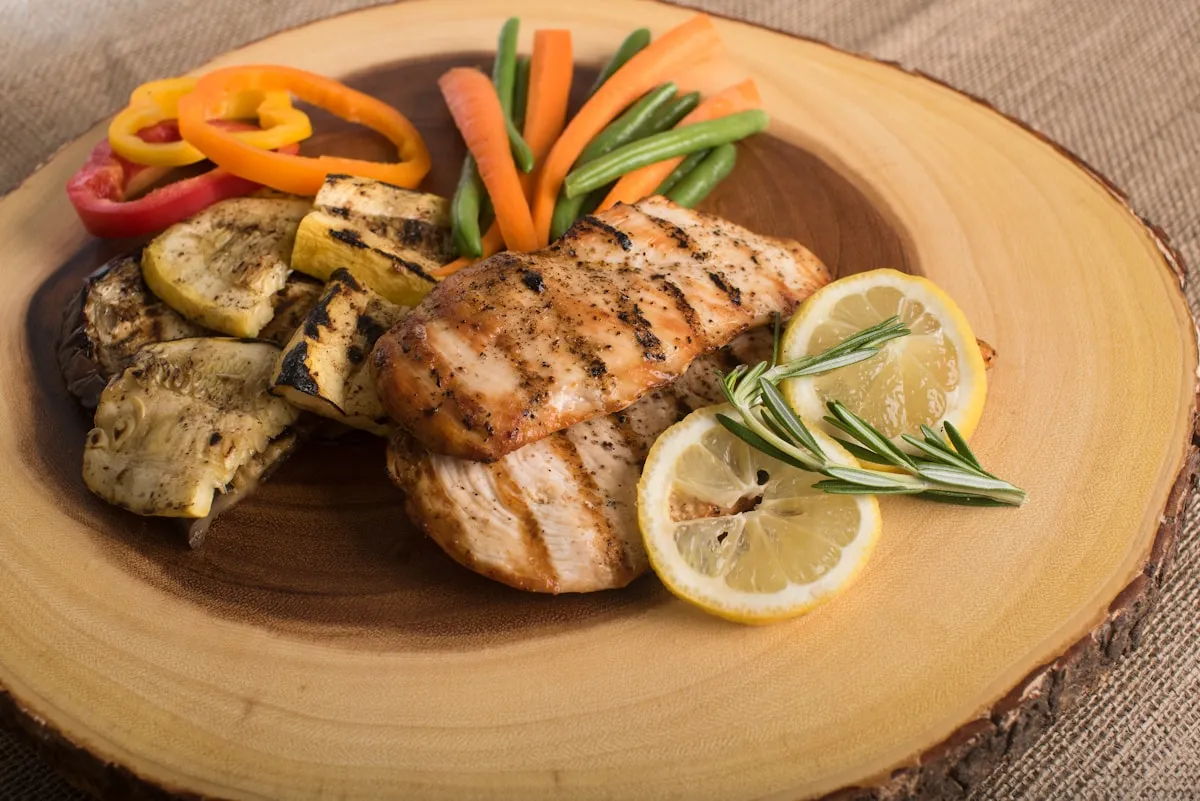
Next, let's talk about the rice. Most people struggle with "mushy" rice in one-pot meals, but the fix is purely scientific: rinsing and toasting. Always rinse your rice until the water runs clear. This removes excess surface starch which, if left alone, gelatinizes into a sticky glue that clumps your grains together. After rinsing, you must toast the rice in the rendered chicken fat or a bit of butter. Toasting coats each grain in a hydrophobic (water-repelling) layer of fat. This slows down the water absorption just enough to ensure the grains stay separate and distinct rather than turning into a porridge.
The final technical hurdle is the steam-to-liquid ratio. Once you add your broth and lemon juice, bring it to a boil and then immediately drop the heat to the lowest possible setting. Use a tight-fitting lid to trap the steam. This creates a pressurized environment where the rice absorbs moisture evenly through conduction. Avoid the temptation to peek! Every time you lift the lid, you release the steam required to finish the cooking process, which leads to those dreaded "crunchy" grains in the center.
Mastering the Flavor Profile: Variations and Swaps
One-pot wonders are the gold standard of quick family meals because they are incredibly adaptable. If you want to lean into a Mediterranean vibe, swap the rosemary and thyme for dried oregano and a handful of briny kalamata olives. The acidity of the olives cuts through the richness of the chicken fat beautifully.
For those looking for a different protein profile, you can easily use bone-in, skin-on thighs for extra juiciness, though they will require a longer sear. If you are watching your carbohydrate intake, you can experiment with a "broken" cauliflower rice version, though you will need to significantly reduce the liquid since cauliflower releases its own moisture as it breaks down.
If you usually rely on air fryer recipes dinner for your quick fixes, think of this pilaf as the "big batch" alternative. While the air fryer is great for crisping, the one-pot method allows the vegetables (like peas, asparagus, or diced carrots) to steam directly in the chicken vapors, absorbing much more flavor than they would if cooked separately. Just remember: delicate vegetables like spinach or peas should only be stirred in during the final five minutes of resting to prevent them from overcooking into a gray mush.
Balancing the Plate: Side Dish Pairings
Since this lemon herb chicken and rice is quite savory and rich with chicken fat and butter, your side dishes should focus on high acidity and crunch to provide contrast. A heavy meal needs a "bright" companion to reset your palate between bites.
A simple arugula salad with a sharp lemon-mustard vinaigrette is my go-to. The peppery bite of the arugula and the sharp acid from the lemon juice slice right through the richness of the pilaf. Alternatively, consider a quick pickled cucumber and red onion salad. The vinegar in the pickles acts as a foil to the savory herbs, making each bite of the chicken feel lighter. Avoid heavy, starchy sides like potatoes or bread; you already have the rice to satisfy that craving, so stick to vibrant greens and crisp textures.
Troubleshooting: Your One-Pot FAQ
What if my rice is still crunchy but the liquid is gone?
Don't panic. This usually happens if your heat was a hair too high, causing the liquid to evaporate before the rice could absorb it. Sprinkle about 1/4 cup of hot broth or water over the top, put the lid back on tightly, and let it sit on the lowest heat for another 5–7 minutes. The residual steam will usually finish the job.
Why did my chicken skin get soggy after I put it back in?
This is a common trade-off in one-pot cooking. When you nestle the chicken back into the rice to finish cooking, the steam softens the skin. To fix this, you can pop the whole oven-safe pot under the broiler for 2–3 minutes at the very end. Just keep a close eye on it so the rice doesn't burn!
Can I use brown rice instead of white?
Yes, but you must adjust the "why." Brown rice has the bran layer intact, which means it requires significantly more liquid (usually a 2.5:1 ratio) and about double the cooking time. If you use brown rice, I recommend searing the chicken but waiting to add it back to the pot until the rice has already been simmering for about 20 minutes, otherwise, your chicken will be drastically overcooked by the time the rice is tender.
Is it okay to use frozen vegetables?
Absolutely. In fact, frozen peas are often better than fresh because they are flash-frozen at peak ripeness. Add them directly from the freezer during the last 5 minutes of the "resting" phase. The carryover heat from the rice will thaw and cook them perfectly without making them wrinkled or mushy.
Cooking doesn't have to be a multi-pan saga. By respecting the science of the sear and the soak, you can turn a few simple ingredients into a meal that feels like a celebration. Check out more of our quick family meals for more inspiration on how to dominate your kitchen without losing your sanity.
{“@type”:”BlogPosting”,”image”:”https://cdn.marblism.com/dhsC8pfpUlM.webp”,”author”:{“name”:”Penny”,”@type”:”Person”},”@context”:”https://schema.org”,”headline”:”One-Pot Meals: Lemon Herb Chicken and Rice Pilaf with Vegetables”,”publisher”:{“logo”:{“url”:”https://cdn.marblism.com/r31hCYxu5lk.webp”,”@type”:”ImageObject”},”name”:”Cookpedia”,”@type”:”Organization”},”description”:”Learn the science behind the perfect one-pot lemon herb chicken and rice pilaf. Master the Maillard reaction and rice toasting for a healthy, quick family dinner.”,”datePublished”:”2026-07-28″,”mainEntityOfPage”:{“@id”:”https://cookpedia.com/one-pot-lemon-herb-chicken-rice”,”@type”:”WebPage”}}