Recipe
Servings
Servings 1×
Ingredients
- Shrimp
- Chickpeas
- Beans
- Pasta
- Tomatoes
- Garlic
- Lemon
- Feta
- Cooking oil
- Salt
Method
- Start by choosing a short, sturdy shape with plenty of nooks and crannies, think fusilli, rotini, or farfalle.
- Cook the pasta to a strict "al dente." In fact, pull it off the heat about 60 seconds before you think it's ready.
- Rinse your cooked pasta under cold water immediately after draining.
- Whisk your acid and aromatics first, then slowly stream in your olive oil while whisking vigorously.
- Use English or Persian cucumbers because they have thinner skins and fewer seeds.
- Toss these in at the very last second to ensure they maintain their structural integrity and provide those perfect salty pops of flavor.
You know those days when the clock is ticking, the family is hovering like hungry seagulls, and you really don't want to resort to another round of takeout? We’ve all been there. My secret weapon for those high-pressure evenings is a vibrant, zesty Greek pasta salad. It’s one of those quick family meals that hits every note: salty, crunchy, acidic, and incredibly satisfying. The best part? You can have the whole thing assembled and ready to go in exactly 15 minutes if you play your cards right.
The Science of the Perfect Pasta Texture
If you’ve ever had a pasta salad that felt like eating wet cardboard, you know that texture is everything. To avoid a mushy disaster, you have to treat your pasta with a little scientific respect. Start by choosing a short, sturdy shape with plenty of nooks and crannies, think fusilli, rotini, or farfalle. These shapes act like little "flavor traps" for the dressing and feta crumbles.
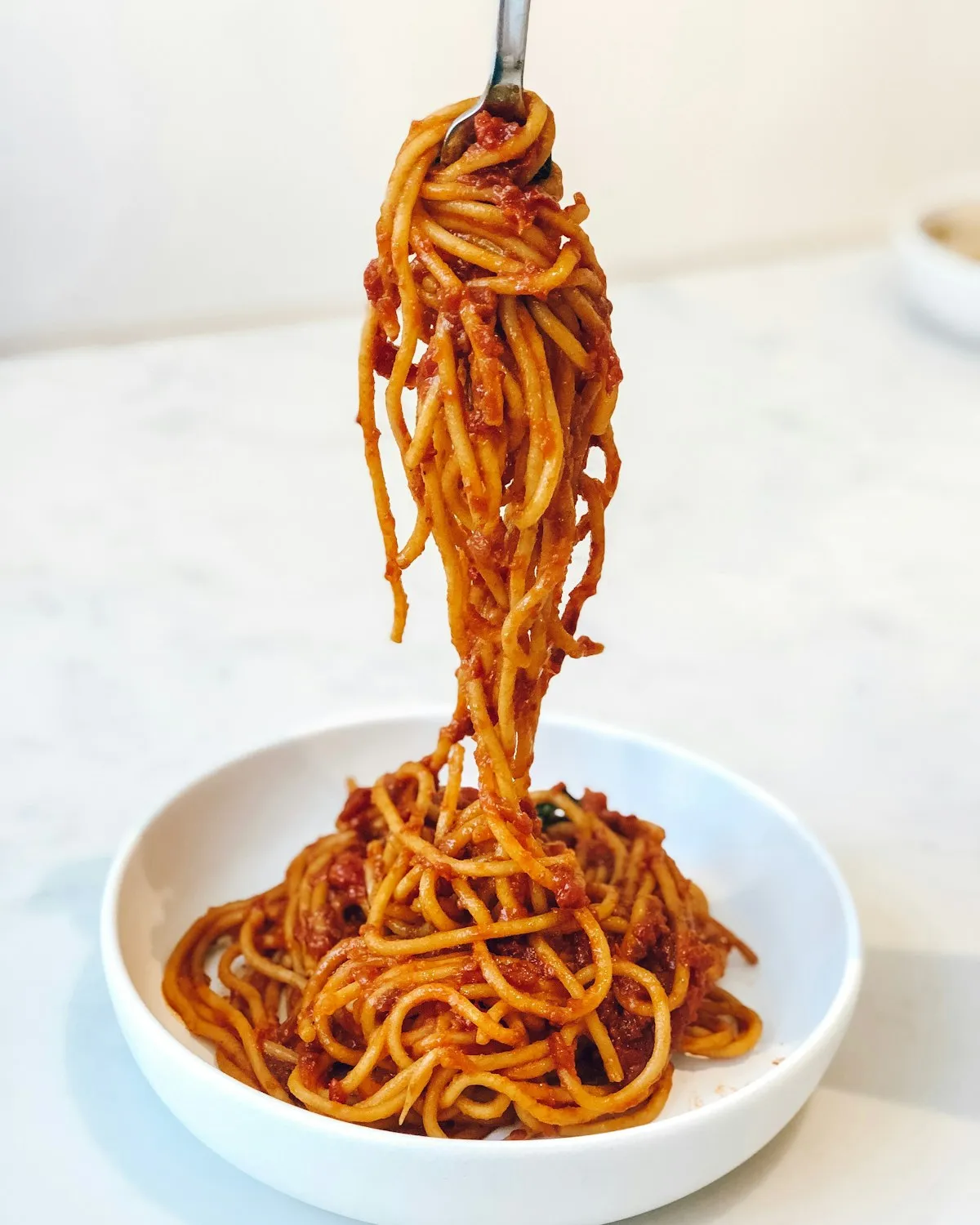
First, salt your boiling water until it tastes like the Mediterranean sea. This is your only chance to season the pasta from the inside out through osmosis. Cook the pasta to a strict "al dente." In fact, pull it off the heat about 60 seconds before you think it's ready. The pasta will continue to soften slightly as it sits in the dressing.
Now, here is a point of contention among home cooks: to rinse or not to rinse? For a hot pasta dish, rinsing is a sin. For a cold salad, it’s a strategy. Rinse your cooked pasta under cold water immediately after draining. This stops the cooking process instantly and washes away excess surface starch. Without that extra starch, your pasta won't stick together in a giant glob, and the dressing will coat every piece individually rather than turning into a pasty mess.
Mastering the Emulsion
The soul of a great Greek salad is the vinaigrette, and the physics of that dressing determine whether your salad is "meh" or "magnificent." You aren't just mixing oil and vinegar; you are creating an emulsion. An emulsion is a temporary truce between two liquids that usually hate each other: oil and water (or in this case, vinegar and lemon juice).
To make a dressing that actually clings to your vegetables instead of pooling at the bottom of the bowl, use a stabilizer. Garlic and dried oregano aren't just for flavor; they contain particles that help hold the oil and acid together. Whisk your acid and aromatics first, then slowly stream in your olive oil while whisking vigorously. If you’re in a rush, throw everything into a mason jar and shake it like you’re trying to wake up the neighbors. This mechanical energy breaks the oil into tiny droplets that stay suspended, creating a thick, velvety coating for your pasta.
Moisture Management: The Veggie Factor
Vegetables like cucumbers and tomatoes are basically water balloons. If you chop them and throw them straight in, they’ll eventually leak, thinning out your beautiful dressing. Use English or Persian cucumbers because they have thinner skins and fewer seeds. For the tomatoes, cherry or grape varieties are king, they stay intact and keep their juices inside where they belong.
Avoid pre-crumbled feta at all costs. Buy the block feta sitting in brine. It’s creamier, tangier, and you can cut it into substantial cubes that don’t dissolve into the salad. Toss these in at the very last second to ensure they maintain their structural integrity and provide those perfect salty pops of flavor. This attention to detail is what makes this one of the best healthy dinner ideas in your rotation.
Flavor Variations for Every Palate
While the classic version is hard to beat, you can easily pivot based on what's in your pantry. If you want to lean into more healthy dinner ideas, swap the traditional white pasta for a whole-wheat version or even a chickpea-based pasta for a protein boost. Just be aware that bean-based pastas can be more fragile, so be extra gentle when tossing.
For a hit of extra protein, add grilled shrimp or chickpeas. If you’re looking for a bit more "hearth," try adding roasted red peppers or even some marinated artichoke hearts. To balance the heavy richness of the feta and olives, always ensure you have enough acidity. If the salad feels "flat," don't just add salt, add a squeeze of fresh lemon juice. That hit of citric acid acts like a spotlight, brightening every other flavor in the bowl. If you're catering to a vegan crowd, swap the feta for a scoop of hummus on the side or use a high-quality almond-based feta alternative.
Side Dish Pairings to Complete the Meal
While this salad is a powerhouse on its own, pairing it correctly turns it into a full-spread experience. Since the salad is cold and acidic, it pairs beautifully with something warm and savory. A simple grilled chicken breast or a piece of seared salmon works wonders.
If you're already using your countertop appliances for other parts of the meal, consider looking up air fryer recipes dinner options for quick sides. A few minutes in the air fryer can produce crispy pita chips or even some quick roasted zucchini that adds a nice temperature contrast to the chilled salad. A crusty loaf of sourdough is also a non-negotiable for me, you'll want it to mop up every last drop of that emulsified Greek dressing at the bottom of the plate. Check out our quick meals section for more inspiration on rounding out your table.
FAQ: Troubleshooting Your Pasta Salad
Can I make this pasta salad the night before?
Yes, but with a caveat. The pasta will absorb the dressing as it sits, which can leave the salad looking a bit dry by morning. If you're prepping ahead, keep about a third of the dressing on the side and toss it in just before serving to refresh the moisture and shine.
What if my dressing separates in the fridge?
This is perfectly normal! Real olive oil solidifies when it gets cold. Take the salad out of the fridge 15–20 minutes before you want to eat to let the oil liquefy, then give it a good toss. If the emulsion has broken, a tiny splash of warm water and a quick stir can help bring it back together.
How do I keep the onions from being too "sharp"?
If raw red onions are too aggressive for you, soak the slices in a bowl of ice water for ten minutes after cutting them. This leaches out some of the sulfurous compounds that cause that sharp "bite," leaving you with a milder, crunchier onion that won't dominate the dish.
Is it possible to make this gluten-free?
Absolutely. Use a high-quality gluten-free rotini. My tip for GF pasta is to rinse it even more thoroughly than wheat pasta to get rid of the extra-starchy film that often plagues gluten-free varieties.
How long will leftovers stay fresh?
In an airtight container, this salad will stay great for 3 to 4 days. In fact, many people think it tastes better on day two once the flavors have had time to really get to know each other. Just remember to add a fresh squeeze of lemon before digging in to wake up the flavors.
{“@type”:”BlogPosting”,”image”:”https://cdn.marblism.com/SfGBQi19TYP.webp”,”author”:{“name”:”Cookpedia”,”@type”:”Organization”},”@context”:”https://schema.org”,”headline”:”How to Create a Healthy Greek Pasta Salad in 15 Minutes”,”publisher”:{“logo”:{“url”:”https://cookpedia.com/logo.png”,”@type”:”ImageObject”},”name”:”Cookpedia”,”@type”:”Organization”},”description”:”Learn the science and technique behind the perfect 15-minute Greek pasta salad. Discover how to manage pasta texture and create a stable emulsion for a quick family meal.”,”datePublished”:”2026-07-03″,”mainEntityOfPage”:{“@id”:”https://cookpedia.com/how-to-create-a-healthy-greek-pasta-salad”,”@type”:”WebPage”}}