Recipe
Servings
Servings 1×
Ingredients
- Salmon
- Potatoes
- Cauliflower
- Asparagus
- Tomatoes
- Lemon
- Lime
- Cream
- Hard cheese
- Butter
- Cooking oil
- Salt
- Black pepper
Method
- Prepare the ingredients described in the article and heat the cooking surface or oven as directed.
- Cook the main ingredients using the heat and timing guidance in the article.
- Finish with the seasonings and garnishes named in the article, then serve.
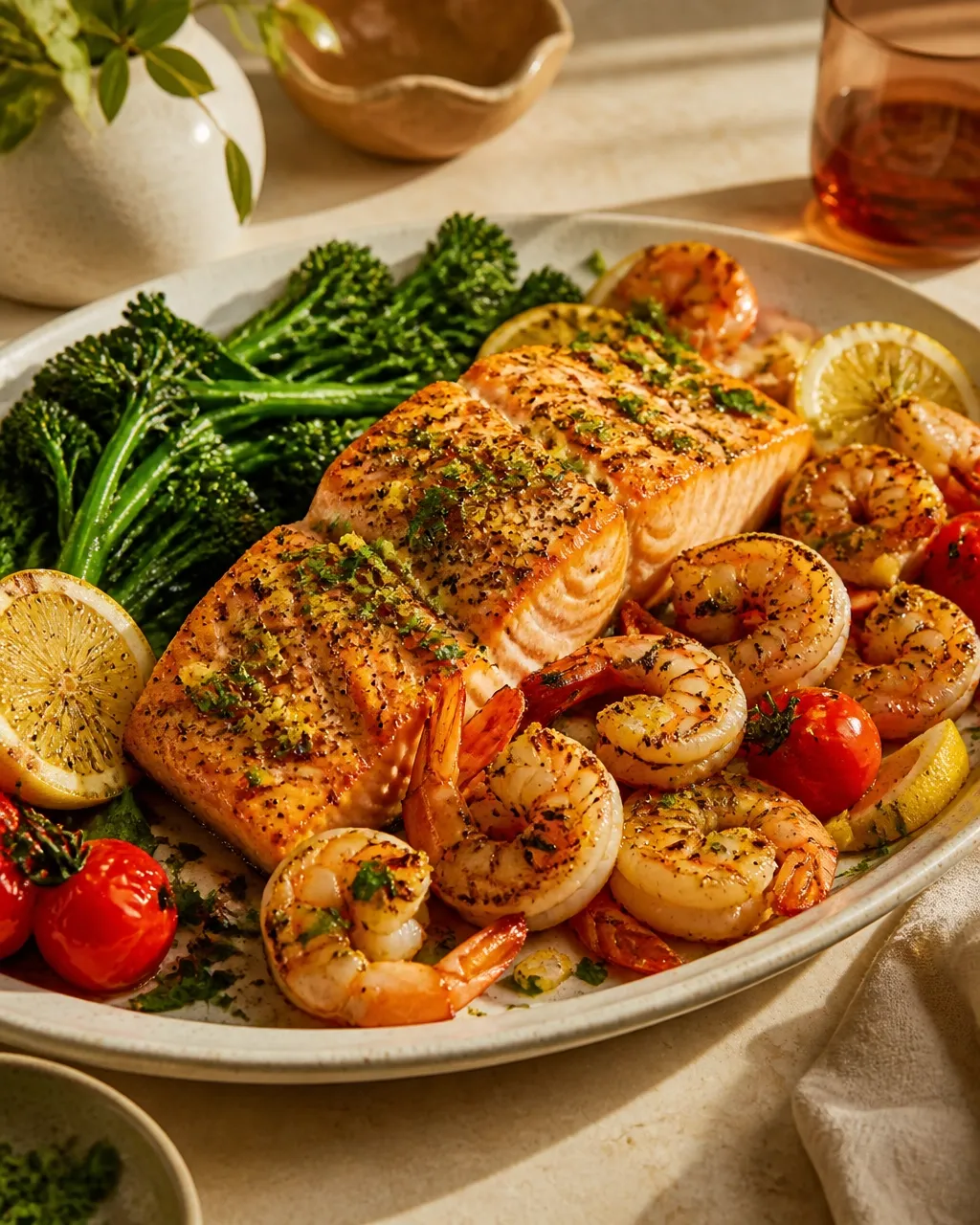
Starting a keto lifestyle can feel like navigating a maze of "don’ts" and "can’ts," but I’m here to tell you that the "cans" are actually much more exciting. If you are looking for healthy dinner ideas that don't require a culinary degree or three hours of your life, you've found the holy grail. Salmon is the ultimate keto superstar: it’s packed with healthy fats, rich in flavor, and remarkably forgiving if you know a few simple tricks. Let's get you comfortable with the basics of baking the perfect fillet.
The Science of Succulent Salmon
The secret to a restaurant-quality salmon at home isn't a fancy oven; it’s understanding how fish protein reacts to heat. Most home cooks make the mistake of overcooking salmon until it’s dry and covered in that weird white stuff. That white substance is called albumin: it's a harmless protein that gets squeezed out of the muscle fibers when they contract too tightly from high heat. To keep your dinner moist and minimize albumin, we have to be smart about temperature.
Preparation is Non-Negotiable
Before you even think about turning on the oven, take your salmon out of the fridge. Let it sit on the counter for about 15 to 20 minutes. Why? Cold fish hitting a hot pan or oven causes the fibers to go into "thermal shock," which leads to uneven cooking and more of that white albumin leaking out. While it rests, use a paper towel to pat the fillets completely dry. Moisture is the enemy of texture; if the surface is wet, the fish will steam rather than bake, leaving you with a soggy result.
The Magic of Emulsion
The lemon butter sauce isn't just for flavor: it’s a fat-delivery system that keeps the keto engine running. The science here is all about the emulsion. Butter is a mix of water, fat, and milk solids. When you melt it gently with lemon juice and whisk constantly, you are creating a temporary bond between the fat and the acid. This creates a velvety sauce that clings to the fish. Avoid high heat when making your sauce; if the butter gets too hot, the solids will separate, and you’ll end up with a greasy puddle instead of a creamy coating.
Temperature Control
Invest in a simple instant-read thermometer. It is the single most important tool for quick family meals that actually taste good. For a tender, medium texture, aim for an internal temperature of 125°F to 130°F. If you prefer it more well-done, do not exceed 140°F. Remember that "carryover cooking" is real; the temperature will continue to rise by about 5 degrees after you take it out of the oven, so pull it out just before it hits your target.
Flavorable Variations for Busy Nights
Once you’ve mastered the basic lemon butter bake, you can start playing with the profile to keep things interesting. If you’re in a rush and looking for 15-minute meals, try swapping the oven for the air fryer. The high-speed convection air creates a slightly crispier top while keeping the inside juicy. I often look through our air fryer recipes dinner section for inspiration when the oven feels like too much work.
For a Mediterranean twist, skip the dill and whisk in some finely chopped kalamata olives and sun-dried tomatoes into your butter. If you want a bit of heat, a pinch of red pepper flakes or a teaspoon of smoked paprika rubbed into the raw salmon before baking adds a beautiful depth without adding carbs. You can even experiment with different fats; try a lime and ghee combination for a nuttier, more intense flavor profile that stands up well to thicker king salmon fillets.
Perfect Keto Side Dish Pairings
The key to a satisfying keto meal is balancing the richness of the salmon and butter with something bright or fibrous. You want acidity and crunch to cut through the fat.
- Roasted Asparagus: Toss them in olive oil and salt, then slide them onto the same tray as the salmon. They cook in roughly the same amount of time, making this a one-pan win for baking enthusiasts.
- Cauliflower Mash: If you’re missing mashed potatoes, a buttery cauliflower puree is your best friend. Add a splash of heavy cream and some parmesan for an extra keto punch.
- Arugula Power Salad: A simple salad with a lemon-vinaigrette dressing provides the necessary acidity to cleanse the palate between bites of rich salmon.
Frequently Asked Questions
Why does my salmon have white stuff on top?
As mentioned earlier, that’s albumin. It is perfectly safe to eat, but it usually means the fish was cooked a little too fast or at a temperature that was too high. To avoid it, try lowering your oven temperature to 300°F and cooking the fish for a longer period, or ensure you aren't overshooting that 135°F internal mark.
Can I use frozen salmon for this?
Absolutely, but you must thaw it completely first. The best way is to leave it in the fridge overnight. If you are in a hurry, place the sealed fillets in a bowl of cold water for about 30 minutes. Never cook salmon from frozen if you want a good texture; the outside will be rubbery by the time the inside is safe to eat, which ruins the point of quick family meals.
How do I store and reheat leftovers?
Salmon is best fresh, but it will keep in the fridge for up to two days. When reheating, avoid the microwave at all costs: it will turn your beautiful fish into a "fishy" smelling sponge. Instead, place it in a pan over low heat with a tiny splash of water or extra butter, and cover it with a lid until just warmed through.
Is skin-on or skin-off better for keto?
Keep the skin on! The skin contains the highest concentration of omega-3 fatty acids and acts as a protective barrier between the flesh and the heat of the pan or tray. Even if you don't plan on eating the skin, it helps keep the fillet moist during the baking process.
Can I make the lemon butter sauce ahead of time?
You can, but butter sauces tend to solidify when cooled. If you make it ahead, you'll need to gently reheat it while whisking to bring the emulsion back together. It’s usually easier to whisk it together in the final three minutes while the salmon is resting. For more healthy dinner ideas, try doubling the sauce and drizzling it over your steamed vegetables too!
{“faq”:{“@type”:”FAQPage”,”mainEntity”:[{“name”:”Why does my salmon have white stuff on top?”,”@type”:”Question”,”acceptedAnswer”:{“text”:”That white substance is called albumin. It is a protein that is squeezed out of the fish when it is cooked too fast or at a temperature that is too high. It’s safe to eat but can be minimized by lower cooking temperatures.”,”@type”:”Answer”}},{“name”:”Can I use frozen salmon for this?”,”@type”:”Question”,”acceptedAnswer”:{“text”:”Yes, but it must be fully thawed before cooking to ensure even texture. Thaw in the fridge overnight or in a cold water bath for 30 minutes.”,”@type”:”Answer”}},{“name”:”How do I store and reheat leftovers?”,”@type”:”Question”,”acceptedAnswer”:{“text”:”Store in the fridge for up to two days. Reheat gently in a covered pan over low heat with a little water or butter to prevent drying out. Avoid the microwave.”,”@type”:”Answer”}}]},”@type”:”BlogPosting”,”image”:”https://cdn.marblism.com/KjhO6BNSS1t.webp”,”author”:{“name”:”Penny”,”@type”:”Person”},”@context”:”https://schema.org”,”headline”:”Keto for Beginners: Baked Salmon with Lemon Butter”,”publisher”:{“logo”:{“url”:”https://cookpedia.com/logo.png”,”@type”:”ImageObject”},”name”:”Cookpedia”,”@type”:”Organization”},”description”:”A beginner’s guide to perfect keto baked salmon with a creamy lemon butter sauce. Learn the science of cooking fish and how to avoid common mistakes.”,”datePublished”:”2026-07-14″,”mainEntityOfPage”:{“@id”:”https://cookpedia.com/keto-baked-salmon-lemon-butter”,”@type”:”WebPage”}}