Recipe
Servings
Servings 1×
Ingredients
- Shrimp
- Steak
- Rice
- Eggs
- Cauliflower
- Avocado
- Garlic
- Fresh ginger
- Lemon
- Lime
- Feta
- Cooking oil
- Soy sauce or tamari
- Sesame
- Chili seasoning
- Salt
Method
- Sear them separately in a screaming hot pan for about two minutes per side until they are just opaque.
- Remove them immediately and let them rest while you focus on the "rice." This prevents the shrimp from turning into pencil erasers while the cauliflower finishes its transformation.
- Use a wide skillet or a wok to maximize surface area.
Starting a keto journey often feels like saying a tearful goodbye to your favorite comfort foods, especially the kind that comes in a cardboard box with a side of soy sauce. But here is a secret: you do not have to break up with takeout flavors just to stay in ketosis. My cauliflower fried rice with shrimp is the ultimate "fake-out" meal, it is fast, incredibly satisfying, and so close to the real thing that your brain won't even miss the starch. If you are looking for healthy dinner ideas that actually taste like a reward, you have found the holy grail of low-carb cooking.
The Science of the Perfect Grain
The biggest mistake beginners make with cauliflower rice is treating it like actual rice. Rice absorbs liquid; cauliflower is liquid. About 92% of a cauliflower floret is water, and if you do not manage that moisture, you will end up with a soggy, sulfurous mush that ruins your evening. To avoid this, prioritize the "dry-heat" method.
Before the cauliflower ever touches a pan, use a clean kitchen towel to squeeze out every drop of excess moisture. Put your back into it! The drier the grains, the better they will "fry" instead of steam. This is the key to achieving that elusive Maillard reaction, the chemical process that browns the edges and creates that savory, nutty depth we crave in fried rice.
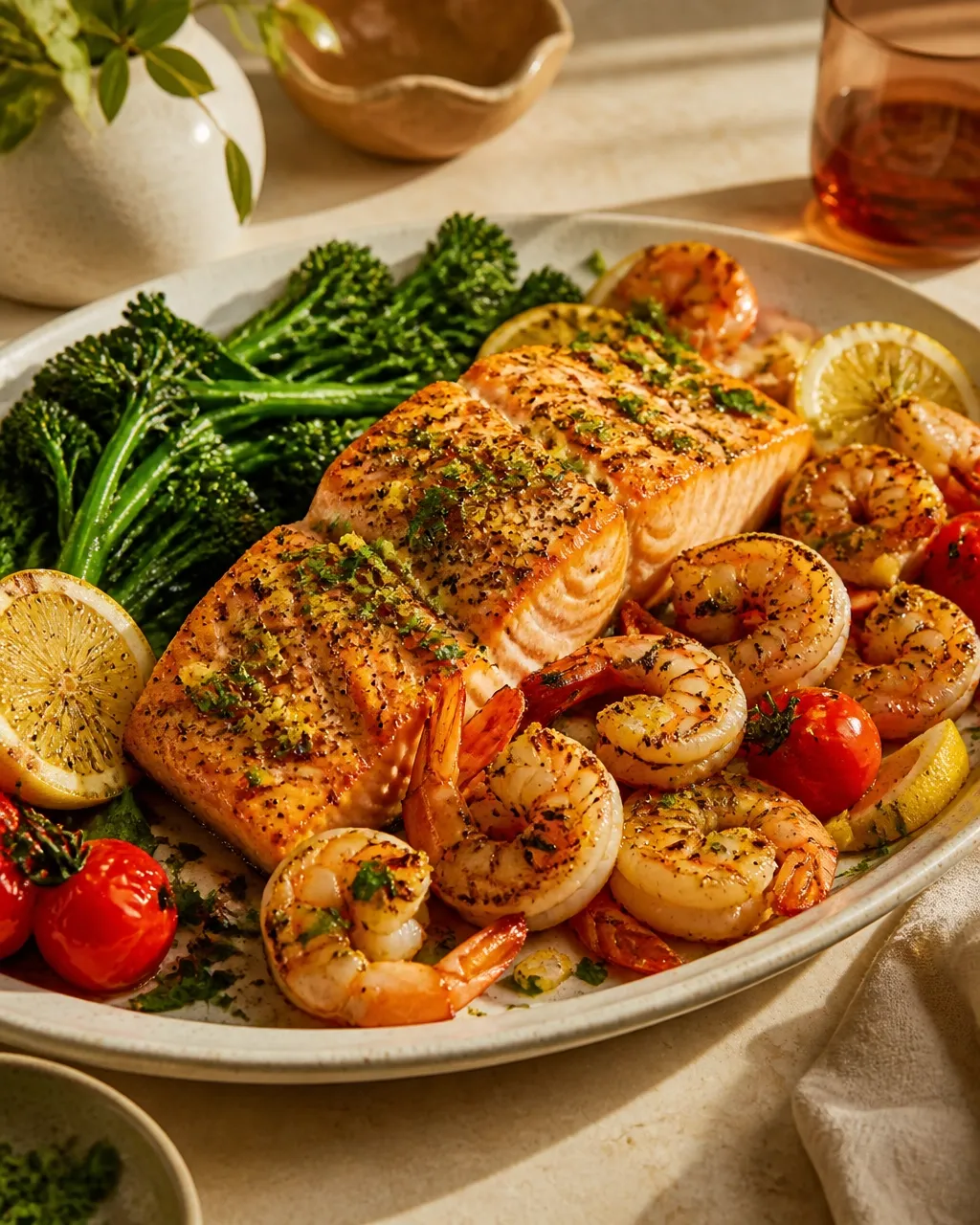
When it comes to the shrimp, think of them as the delicate stars of the show. Shrimp are mostly lean protein, meaning they cook in a flash. If they curl into tight, rubbery "O" shapes, you have gone too far. Aim for a "C" shape. Sear them separately in a screaming hot pan for about two minutes per side until they are just opaque. Remove them immediately and let them rest while you focus on the "rice." This prevents the shrimp from turning into pencil erasers while the cauliflower finishes its transformation.
Choose a high-smoke-point fat like avocado oil or ghee for the base. Avoid extra virgin olive oil here, as its low smoke point will result in a bitter aftertaste when you crank up the heat. Use a wide skillet or a wok to maximize surface area. The more contact the cauliflower has with the hot metal, the faster the water evaporates and the crispier your "grains" become. If you are a fan of quick family meals that don't skimp on technique, mastering this moisture-control dance is your first step to keto royalty.
Flipping the Script: Flavor Variations
Once you have the base technique down, do not feel restricted to the standard soy-and-ginger profile. The beauty of cauliflower is its neutrality; it is a blank canvas for your culinary whims.
For a Spicy Szechuan Twist, toss in a teaspoon of red chili flakes and a drizzle of sugar-free sriracha. The heat cuts through the richness of the sesame oil and keeps every bite exciting. If you want something more Mediterranean, swap the soy sauce for lemon zest, oregano, and a sprinkle of feta cheese at the very end. The acidity of the lemon brightens the heavy shrimp and provides a sharp contrast to the earthy cauliflower.
If you are craving a "Surf & Turf" experience, add some crispy bacon bits or leftover steak slivers. The rendered fat from the bacon acts as a flavor booster for the cauliflower grains, making them taste even more decadent. This versatility makes it one of the most reliable healthy dinner ideas in my rotation.
Balancing the Plate: Side Dish Pairings
Fried rice, even the keto kind, is a rich, savory dish. To make it a complete meal, you need sides that offer acidity and crunch to cleanse the palate.
- Sautéed Garlic Bok Choy: This is my go-to. The bitterness of the greens and the snap of the stalks provide a texture that the cauliflower rice lacks. Keep the seasoning simple with garlic and ginger to avoid competing with the main dish.
- Pickled Cucumbers: A quick soak in rice vinegar and a pinch of salt creates a bright, acidic side that cuts right through the sesame oil and fried egg richness.
- Avocado with Lime: If you need to hit higher fat macros, serve half an avocado on the side. The creaminess acts almost like a sauce for the "rice."
Frequently Asked Questions
Why is my cauliflower rice so mushy?
You likely overcrowded the pan or didn't squeeze enough water out. When you put too much cauliflower in the skillet at once, the temperature drops and the vegetable starts to boil in its own juices. Cook in batches if necessary, and ensure the pan is hot enough that you hear a distinct sizzle the moment the cauliflower hits the oil.
Can I use frozen cauliflower rice?
Yes, but do not thaw it! Thawing releases a massive amount of water that is nearly impossible to manage. Throw the frozen grains directly into a hot, dry pan. Let the steam escape for a few minutes before adding your oil and aromatics. This "dry-parching" method is a lifesaver for quick family meals.
What if I don't have a food processor?
No problem. Use a standard box grater. It takes a bit more elbow grease, but the texture is actually more consistent and "rice-like" than what you often get from a processor, which can accidentally turn your florets into dust.
How do I reheat leftovers without the "funk"?
Cauliflower belongs to the cruciferous family, which contains sulfur. When reheated in a microwave, that sulfur smell can become quite aggressive. Reheat your fried rice in a skillet over medium heat instead. It refreshes the texture and allows those sulfur compounds to vent properly into the air rather than getting trapped in the dish.
Can I make this in an air fryer?
While this specific recipe is built for a skillet, you can definitely use air fryer recipes dinner techniques for the shrimp. Tossing the shrimp in the air fryer for 5-6 minutes at 400°F (200°C) is a great hands-off way to get a perfect sear while you focus on the cauliflower on the stovetop. It is one of those air fryer recipes dinner hacks that saves you from cleaning an extra pan.
{“@type”:”FAQPage”,”@context”:”https://schema.org”,”mainEntity”:[{“name”:”Why is my cauliflower rice so mushy?”,”@type”:”Question”,”acceptedAnswer”:{“text”:”Mushy cauliflower rice is usually caused by overcrowding the pan or failing to remove excess moisture. To fix this, squeeze the riced cauliflower in a kitchen towel before cooking and ensure the pan is hot enough to sizzle upon contact.”,”@type”:”Answer”}},{“name”:”Can I use frozen cauliflower rice?”,”@type”:”Question”,”acceptedAnswer”:{“text”:”Yes, but cook it directly from frozen. Do not thaw it, as this releases too much moisture. Sauté it in a dry pan first to let the steam evaporate before adding fats.”,”@type”:”Answer”}},{“name”:”What is the best way to reheat cauliflower fried rice?”,”@type”:”Question”,”acceptedAnswer”:{“text”:”Reheat it in a skillet over medium heat rather than a microwave. This helps maintain the texture and prevents the sulfurous ‘funk’ from becoming overwhelming.”,”@type”:”Answer”}},{“name”:”How do I know when the shrimp are done?”,”@type”:”Question”,”acceptedAnswer”:{“text”:”Shrimp are done when they turn opaque and form a ‘C’ shape. If they curl into a tight ‘O’, they are overcooked and will be rubbery.”,”@type”:”Answer”}}]}