Recipe
Servings
Servings 1×
Ingredients
- Chicken
- Chickpeas
- Black beans
- Beans
- Quinoa
- Rice
- Eggs
- Bread
- Carrots
- Spinach
- Kale
- Greens
- Corn
- Avocado
- Lemon
- Lime
- Tahini
- Feta
Method
- Prepare the ingredients described in the article and heat the cooking surface or oven as directed.
- Cook the main ingredients using the heat and timing guidance in the article.
- Finish with the seasonings and garnishes named in the article, then serve.
Nothing ruins a sunny afternoon faster than reaching into your picnic basket only to pull out a container of sad, swampy lettuce. You spent time chopping, you bought the fancy vinaigrette, and yet, by the time you reach the park, your salad has turned into a soggy mess. It’s a tragedy I’ve seen too many times. But what if I told you that with a little bit of vertical thinking and some basic physics, you could have a crisp, vibrant salad that stays fresh for days? Enter the jar salad: the absolute champion of easy picnic food.
The Physics of Freshness: Why Layering Works
When it comes to building a salad that lasts, you have to play by the rules of food science. The biggest enemy of your greens is a process called osmosis. Simply put, salt and acid (the main components of any good dressing) want to pull water out of plant cells. When dressing touches a delicate leaf of spinach or arugula, it sucks the moisture right out, causing the cell walls to collapse. This is why your salad wilts. To prevent this, you must treat your salad like a high-rise building, where the most "dangerous" element lives in the basement.
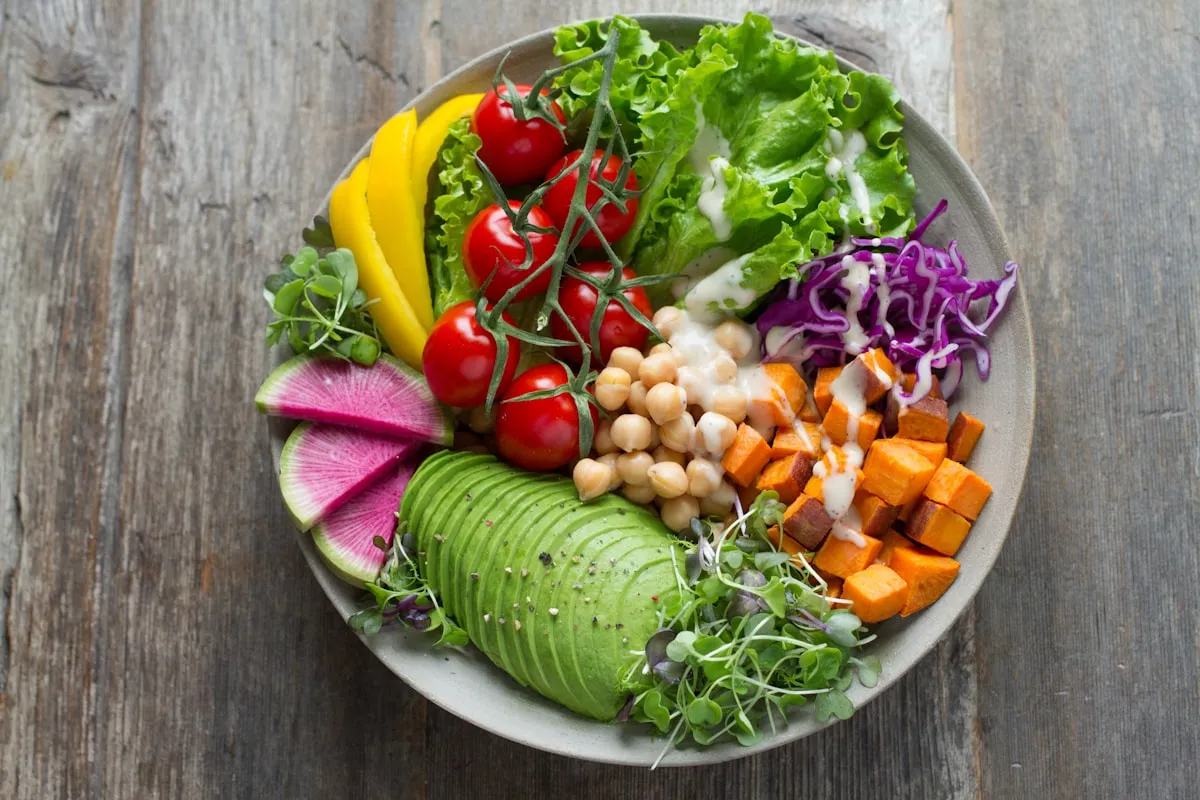
Always put your dressing at the very bottom of the jar. This keeps the liquid far away from your leaves for as long as possible. Think of the layer directly above the dressing as your "security guard." Use hearty, non-porous vegetables here: think carrots, radishes, or bell peppers. These tough characters actually benefit from a little marination and won't break down when they sit in vinaigrette. They act as a physical barrier, preventing the dressing from creeping up the sides of the glass to the more sensitive layers above.
Gravity is your friend here. By keeping the heaviest, wettest ingredients at the bottom and the lightest, driest greens at the top, you ensure the structural integrity of the entire meal. If you’re looking for more healthy dinner ideas that use smart storage, this technique is a total game-changer. It’s also worth noting that glass is superior to plastic for this. Glass is non-porous and impermeable to oxygen, which means your veggies stay crisper and your dressing doesn't take on any weird "plastic-y" flavors.
Once you’ve established your hearty vegetable buffer, move on to your proteins and grains. Chickpeas, black beans, or quinoa are perfect middle-layer candidates. They are sturdy enough to handle a bit of moisture if the jar tips, and they add the weight needed to make this a satisfying meal rather than just a side dish. This approach is perfect for those who need quick family meals that can be prepped on a Sunday and grabbed on the way out the door all week long.
Flavor Profiles and Structural Variations
Don't think that "salad in a jar" means you're stuck with basic garden greens. You can adapt this architecture to suit almost any palate or dietary need. For a Mediterranean vibe, use a lemon-tahini dressing at the bottom, followed by chunky cucumbers, Kalamata olives, and feta cheese. The feta acts as a great moisture barrier before you add a massive pile of fresh parsley and romaine.
If you're leaning into a more "taco salad" style, put your salsa or lime crema at the bottom, followed by black beans and corn. Just remember the golden rule: keep the avocado or any soft proteins like hard-boiled eggs toward the top, tucked just under the greens, so they don't get crushed. For those focusing on healthy dinner ideas, a keto-friendly version with olive oil, grilled chicken, and heavy helpings of sunflower seeds and baby kale works beautifully.
For a grain-heavy variation, try farro or wild rice. These grains have a chewy texture that holds up exceptionally well. When you’re ready to eat, you simply invert the jar into a bowl. As gravity does its thing, the dressing at the bottom cascades over the ingredients, perfectly coating the leaves that were previously at the top. It’s a built-in dressing system that requires zero shaking and zero mess.
What to Serve on the Side
While these jars are designed to be a complete meal, a picnic isn't really a picnic without a few supporting acts. To balance the fresh acidity of a jar salad, I always recommend something with a bit of crunch or a warm, savory note. A thick slice of crusty sourdough or a handful of artisanal crackers is the easiest way to round out the experience.
If you’re prepping at home and want to add something extra, consider some quick-cooking sides. You might even find that some of your favorite air fryer recipes dinner can be adapted for a cold picnic spread. For instance, air-fried chickpeas seasoned with smoked paprika make an incredible, high-protein crouton alternative that stays crunchy much longer than bread.
Pairing your salad with a protein-heavy side like air-fried sausages can turn a light lunch into a feast that will keep everyone full until sunset. The key is balance: if your salad is high in acidity and fresh greens, go for a side that offers richness or a different textural element to keep the meal interesting.
FAQ: Mastering the Jar
How long will a jar salad actually stay fresh?
If you layer it correctly and keep it refrigerated, a vegetable-heavy jar can easily last 5 to 7 days. If you include proteins like chicken or shrimp, I’d suggest eating them within 3 to 4 days. The beauty of this method is that the greens remain untouched by moisture, so you don't get that "old fridge" smell that usually plagues pre-made salads.
Can I use plastic containers instead of glass?
You can, but I don't recommend it for long-term storage. Plastic is more porous and doesn't seal as tightly as a mason jar. If you're eating the salad within a few hours, plastic is fine, but for quick family meals prepped in advance, glass is the only way to go. Plus, glass is much easier to clean and doesn't hold onto odors.
What happens if the jar tips over in my bag?
If your jar tips over for a few minutes, don't panic. The layers are usually packed tightly enough that things won't shift too much. However, if it stays on its side for an hour, the dressing will likely reach the greens. Use a tall, narrow jar rather than a wide-mouthed one to minimize the surface area of the dressing and keep the layers more stable during transport.
Do I have to eat it out of a bowl?
While you can eat it straight from the jar, it’s not the best experience. You’ll end up eating all the greens first and then hitting a pool of dressing and heavy veg at the bottom. The magic happens when you pour it out. Carrying a lightweight bamboo or enamel bowl in your picnic basket is worth the extra effort for the perfect distribution of flavor.
Are there any vegetables I should avoid?
Avoid very soft, high-moisture vegetables like overripe tomatoes or sliced avocado in the lower layers. These will turn into mush and compromise the "barrier" layer. If you want to include these, place them at the very top, or better yet, bring them whole and slice them right before serving. Stick to the "hard" veggies for the bottom half of the jar.
Can I use creamy dressings?
Absolutely. Creamy dressings like ranch or caesar actually tend to be thicker and stay at the bottom even better than thin oil-and-vinegar types. They don't "creep" up the sides as easily, making them a safe bet for a long-lasting jar. Just ensure you use enough hearty vegetables to fully cover the dressing layer.
{“@type”:”BlogPosting”,”image”:”https://cdn.marblism.com/URsiSOPw0sw.webp”,”author”:{“name”:”Cookpedia”,”@type”:”Organization”},”@context”:”https://schema.org”,”headline”:”Layered Salad in a Jar: The Ultimate Portable Picnic Meal”,”publisher”:{“logo”:{“url”:”https://cookpedia.com/logo.png”,”@type”:”ImageObject”},”name”:”Cookpedia”,”@type”:”Organization”},”description”:”Learn the science and technique of layering salads in jars to keep your picnic meals fresh and crisp for days.”,”datePublished”:”2026-05-19″,”mainEntityOfPage”:{“@id”:”https://cookpedia.com/layered-salad-in-a-jar”,”@type”:”WebPage”}}