Recipe
Servings
4 servings 1×
Serves 4Prep 5 minCook 12 minTotal 17 min
Nutrition per serving
Ingredients
- 12 oz pasta penne or fusilli
- 4 tbsp unsalted butter cold and cubed
- 1 cup frozen peas
- 1 lemon zested and juiced
- 1/4 cup fresh mint finely sliced
- 1/2 cup pasta water reserved from boiling
Method
- Cook pasta in salted water until al dente.
- Add peas in the last 60 seconds of boiling.
- Reserve 1 cup of pasta water before draining.
- In a large skillet over medium-low heat, add 1/2 cup of pasta water.
- Whisk in cold butter cubes one at a time until a glossy sauce forms.
- Add the pasta, peas, and lemon juice to the skillet.
- Toss vigorously to coat.
- Remove from heat, stir in lemon zest and mint.
- Serve immediately.
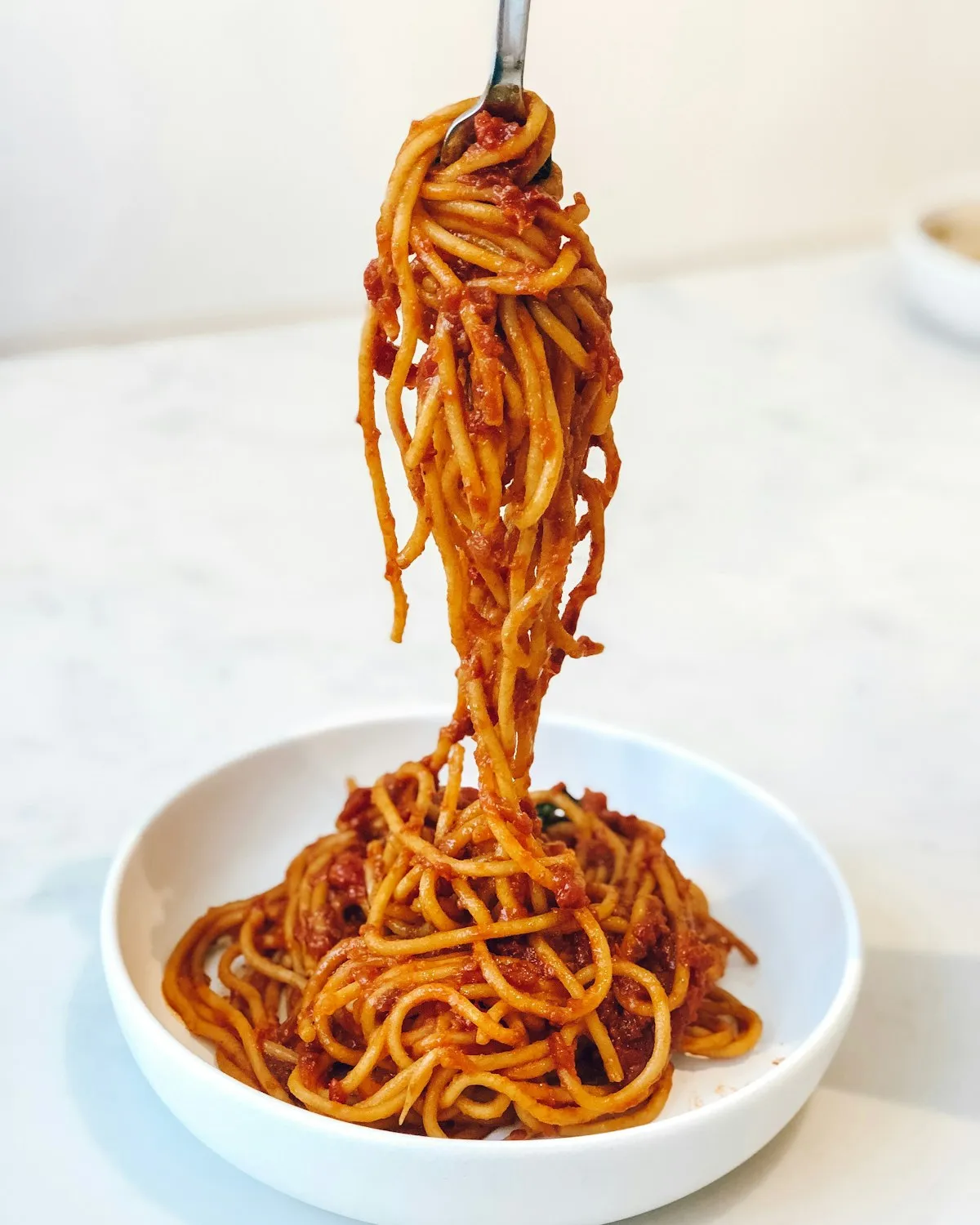
There is a specific kind of magic that happens when the weather turns. As the heavy stews of winter make way for the first vibrant greens of spring, my kitchen shifts gears. You don’t need a pantry full of exotic ingredients to capture this seasonal shift. In fact, some of the best simple pasta recipes rely on just a handful of high-quality components. This Lemon Butter Pasta with Peas and Mint is the epitome of “less is more,” delivering a bright, zesty, and soul-satisfying meal that feels like a warm breeze on a plate.
The Alchemy of Pasta Water: Science in the Pan
If you have ever ended up with a pool of oil at the bottom of your bowl and naked, dry noodles on top, you have a physics problem, not a cooking problem. The secret to a restaurant-quality sauce isn’t more butter; it is the strategic use of pasta water. When you boil your pasta, it releases amylose and amylopectin: starches that turn that boiling liquid into a cloudy, golden elixir. This liquid is your primary emulsifier.
Emulsification is the process of forcing two things that hate each other: fat and water, to stop acting like coworkers trapped in a bad team-building exercise. When you whisk cold butter into a splash of hot, starchy pasta water, the starch molecules act as a bridge. They hold onto the fat globules on one side and the water molecules on the other, creating a silky, homogenous sauce that actually clings to your pasta. This is the same principle I discuss in our guide on the starch emulsion secret.
Use the pasta water on purpose, not as an afterthought. The cloudier it is, the more useful it becomes because suspended starch helps stabilize the sauce. This matters even more in a lemon-butter pasta, where acidity wants to sharpen everything and fat wants to round everything out. Your job is to force those opposite forces into a stable truce. Add too little starchy water and the sauce sits on the noodles like a sad coating. Add the right amount and it turns glossy, fluid, and clingy.
Butter itself is already a delicate little system. It contains butterfat, water, and milk solids, and that structure only stays friendly within a certain temperature range. Once the pan gets too hot, the emulsion inside the butter loosens up, the fat separates, and suddenly your “luxurious sauce” looks like melted yellow regret. Keep the heat medium-low. Use a wide skillet so the pasta can toss freely and the sauce can reduce gently instead of boiling like it has something to prove.
Here is the non-negotiable part: do not boil the butter aggressively once the sauce comes together. Push it too hard and you destabilize the whole thing. Gentle movement keeps the fat droplets small, and small droplets are what make the sauce feel creamy instead of oily. Toss constantly. Shake the pan. Stir with intent. Let the starch, agitation, and moderate heat do the boring but important work.
If you want the chemistry version, think surface area. Tiny droplets of fat spread throughout the water phase create a sauce that feels smooth because the fat is dispersed evenly. Large droplets merge fast, separate fast, and coat your mouth in grease instead of silk. Agitation breaks the droplets smaller. Starch helps stop them from rushing back together. This is why vigorous tossing over controlled heat works better than just dumping in extra butter and hoping for a miracle.
Don’t ignore the importance of citrus zest versus juice. The zest contains essential oils that provide a deep, floral lemon aroma without the sharp acidity of the juice. Add the zest at the very end to prevent the heat from turning those delicate oils bitter. The juice, meanwhile, provides the structural acidity needed to cut through the richness of the butter. Balance is everything.
Acid also affects texture. Lemon juice brightens the dish, but too much added too early can tighten the sauce and make it seem thinner rather than silkier. Add it gradually and taste as you go. Think of acidity as a spotlight, not a bucket. You want enough to wake up the butter and peas, not enough to bully them.
Peas bring more than color. They contain natural sugars, a little starch, and plenty of water, which makes them useful for softening the richness of the sauce. They also contain chlorophyll, the pigment that keeps them green. Overcook them and that bright green goes army-drab fast. The reason is chemistry, not bad luck: heat knocks chlorophyll around, and prolonged cooking in acidic conditions dulls the color even more. Keep their cooking brief. Let residual heat finish the job.
Now for the herb science, because fresh mint is not just there to look pretty and make you feel virtuous. Fresh herbs are loaded with volatile aromatic compounds. Those compounds are basically tiny flavor fireworks, and they disappear fast with prolonged heat. Mint brings cooling menthol notes that make the whole bowl taste lighter than it really is. That is why this pasta feels springy instead of heavy, even though butter is still very much in charge.
Use fresh herbs late. That is the rule. Heat can help bloom some flavors, but with tender herbs like mint, too much heat is a fast track to dullness. Add mint at the end and keep it away from long exposure to steam and high pan heat. Bruise it lightly when chopping so you release aroma, but do not pulverize it into sad green confetti. You want freshness, not lawn clippings.
Fresh herbs also mess with your perception of richness. Mint and other tender herbs create a sensory lift that makes buttery foods feel more balanced. This is not magic. It is aroma doing heavy lifting before the food even hits your tongue. Smell is a huge part of flavor, which is why a dish can taste flat if the herbs were cooked to death, even if the salt and acid are technically right.
If you want to preserve the good stuff in the peas and herbs, speed matters. Vitamin C is the fussy one here. It is water-soluble and sensitive to heat, which means long boiling is basically a slow robbery. Use short cooking times. Avoid holding peas in hot water forever. Fold in the mint off heat or right before serving. You are not going to turn pasta into a multivitamin, but you can absolutely avoid throwing away flavor and nutrients through lazy timing.
This is one of those healthy dinner ideas that earns the label through technique more than deprivation. You are not stripping the dish down; you are making smarter choices about how flavor survives the pan. Preserve the color, protect the fresh-herb aroma, and build a sauce that feels luxurious with restraint instead of excess. That is good cooking. Also, it saves you from serving a bowl of oily noodles with a garnish that tastes like warm grass, which is always a win.
Flavor Shifts: Fresh Variations
While this dish is a masterclass in simplicity, it is also a blank canvas for your creativity. If you are looking for quick family meals that offer a bit more protein, consider the addition of seared scallops or shrimp. The sweetness of the seafood mirrors the natural sugar in the peas, creating a harmonious profile. For a meatier bite, crispy pancetta or prosciutto provides a salty, cured depth that contrasts beautifully with the fresh mint.
For those leaning into healthy dinner ideas, you can easily swap the traditional wheat pasta for a high-protein chickpea or lentil-based alternative. Just be warned: alternative pastas often release less starch into the water, so you may need to whisk the butter more vigorously to achieve that same glossy finish.
Use your swaps with a little kitchen logic. Seafood keeps the dish delicate and sweet, while cured pork pushes it toward salty and rich. That means you should taste more aggressively for lemon balance if you go the pancetta route. Fat loves acid, and salty cured meat can flatten the brightness if you do not compensate. On the other hand, shrimp and scallops contain their own natural sweetness, so they usually need less help from citrus to feel balanced.
If you want to turn up the volume on the aromatics, try swapping the mint for basil or even a hint of tarragon. Mint is traditional because its menthol properties provide a cooling sensation that heightens the “freshness” of the peas, but basil brings a peppery sweetness that is equally delightful. Tarragon leans more anise-like and can make the pasta feel a little more grown-up, in the best way. Parsley works too, but it gives more green freshness than perfume, so the dish will taste cleaner and less dramatic.
Texture is another lever worth pulling. Add toasted nuts for crunch if you want contrast against the tender peas and silky noodles. Use a hard cheese at the end if you want more savoriness, but go easy. Too much cheese can mute the lemon and thicken the sauce past the point of elegance. This pasta is not trying to be heavy. It is trying to be bright, glossy, and annoyingly good.
For a bit of heat, a pinch of red pepper flakes bloomed briefly in the fat will provide a subtle back-of-the-throat warmth that doesn’t overwhelm the delicate herbs. Keep it subtle. This is not the place for a full spice tantrum. If you push the spice too far, you start masking the fresh-herb top notes, and then the whole point of using mint gets a little lost.
Perfect Pairings: Balancing the Plate
Because this pasta is rich with butter and bright with lemon, your side dishes should aim to provide a textural or acidic contrast. A simple arugula salad is my non-negotiable recommendation. The peppery bite of the greens and a sharp white balsamic vinaigrette provide the necessary “snap” to reset your palate between bites of buttery pasta.
If you are serving this as part of a larger spread, consider a side of roasted asparagus or charred broccolini. The char from roasting adds a smoky dimension that complements the brightness of the mint. Use high heat so you get browning before the vegetables turn limp. That browned edge matters because it adds bitterness and depth, which keeps the whole meal from tasting one-note.
And of course, a slice of crusty sourdough is essential for mopping up any leftover emulsified lemon butter at the bottom of the bowl. That is not greed. That is good kitchen manners.
Drink-wise, look for a crisp, high-acid white wine. A Vermentino or a Sauvignon Blanc with citrus notes will dance perfectly with the lemon zest. If you prefer non-alcoholic options, a sparkling water with a heavy squeeze of lime and a bruised mint leaf will keep the theme consistent and refreshing. If you are building out quick family meals, keep the sides raw, roasted, or fast-blistered. This pasta already does enough work; your supporting cast should not create a second cooking marathon.
Kitchen Troubleshooting: Frequently Asked Questions
Why does my sauce look greasy instead of creamy?
This is almost always a temperature issue or a lack of starch. If your pan is too hot, the fat in the butter separates from the milk solids. To fix a broken sauce, remove the pan from the heat, add a tablespoon of room-temperature pasta water, and whisk like your life depends on it. The extra starch and the slight temperature drop usually pull the emulsion back together. Also check your ratio. Too much butter and not enough water is not luxury; it is a shortcut to a split sauce.
What if I accidentally add too much lemon juice?
Rescue it with dilution and fat, not panic. Too much acid can make the sauce taste sharp and feel thinner. Add a bit more pasta water first, then a small amount of butter, and toss over low heat. That rounds the edges and restores some balance. Avoid dumping in cheese as a quick fix unless you want to change the whole personality of the dish.
Can I use frozen peas instead of fresh?
Absolutely. In many cases, frozen peas are actually "fresher" than the ones in the produce aisle because they are flash-frozen at the peak of ripeness. Do not overcook them. Thaw them quickly in the pasta water during the last 60 seconds of boiling. This preserves their vibrant green color, helps protect heat-sensitive vitamins, and keeps that satisfying "pop" when you bite into them.
What if my peas turn dull green?
You cooked them too long or held them in heat too long after cooking. Chlorophyll degrades with prolonged heat, and acid can make that worse. Keep the peas brief and bright. If visual freshness matters to you, combine them with the pasta at the end rather than parking them in the sauce while you answer texts and wander off.
Is the mint really necessary?
Mint is the "secret ingredient" that elevates this from a standard butter pasta to a gourmet spring dish. It provides a volatile aromatic compound that makes the other flavors feel lighter. If you’re skeptical, start with just a few finely chiffonaded leaves. You’ll find it adds a layer of complexity that isn't overtly "minty" but rather generally "herbaceous."
What if I only have dried herbs?
Use them only if you must, and know they will not do the same job. Dried mint or dried basil can add background flavor, but they cannot mimic the fresh volatile oils that make this pasta taste lively. Fresh herbs bring aroma, color, and a sense of lift. Dried herbs bring a flatter, more cooked flavor. In a dish this simple, that difference shows.
What if my herb flavor disappears?
That usually means the herbs went in too early or sat in too much residual heat. Fresh mint is fragile. Its aromatic compounds are quick to fade, which is why it smells amazing when chopped and far less exciting twenty minutes later. Add herbs at the end, toss briefly, and serve without a long holding time. This is not the dish for leisurely waiting around while everyone finds their shoes.
How do I store and reheat leftovers?
Pasta with emulsified sauces is notoriously difficult to reheat because the emulsion breaks when cooled. If you must store it, add a splash of water before refrigerating. When reheating, do it in a pan over low heat, adding a tiny bit more water and a small knob of butter to re-emulsify the sauce. Avoid the microwave if possible; it will just turn your beautiful sauce into a puddle of yellow oil.
Can I make this vegan?
Yes. Use a high-quality plant-based butter or a flavorful extra virgin olive oil. If using oil, you won't get the same creamy "manteca" finish as butter, but the starch in the pasta water will still create a light, silky coating. Just know that olive oil behaves differently in an emulsion, so the sauce may feel looser. For more plant-based inspiration, check out our Thai prawn noodles which utilize similar quick-cooking techniques.
Does the type of pasta matter?
For simple pasta recipes like this, shapes with ridges or "pockets" are best. Penne rigate, fusilli, or conchiglie are excellent for trapping the peas and the sauce. If you prefer long noodles, spaghetti or linguine offer a classic "twirl" factor that works well with the glossy emulsion. Avoid tiny shapes like orzo unless you want to eat the whole thing with a spoon, which, honestly, isn't a bad idea.
What if I want to add extra vegetables?
Do it, but pick vegetables that respect the dish. Asparagus tips, zucchini ribbons, or spinach work because they cook fast and do not bully the lemon-mint profile. Avoid watery vegetables that dump liquid into the pan unless you are prepared to rebalance the sauce. This is why the formula works so well for weeknights and even alongside air fryer recipes dinner sides: the core pasta stays quick, bright, and flexible without turning chaotic.
Can I prep this in advance?
This is a last-minute dish. You want the herbs to be vibrant and the emulsion to be fresh. However, you can zest the lemons and shell the peas, if using fresh, earlier in the day to make this one of your fastest quick family meals. If you are looking for side support from your air fryer, keep that separate from the pasta itself. The noodles belong on the stovetop, where you can control the starch and sauce in real time.