Recipe
Serves
10 1×
Serves 10 slicesPrep 15 minTotal 1H35 min
Ingredients
Method
- Heat the oven to 180°C, 160°C fan or gas mark 4. Grease and line a 900g or 2 lb loaf tin.
- Beat the butter and caster sugar until pale and creamy.
- Add the beaten eggs gradually, mixing after each addition.
- Sift in the flour and fold through with the lemon zest until just combined.
- Transfer the batter to the tin and level the top.
- Bake for 45–50 minutes, until risen and a skewer comes out clean.
- Mix the lemon juice and caster sugar.
- Pierce the warm cake with a skewer.
- Pour the drizzle evenly over the surface.
- Leave the cake in the tin until fully cool, then remove and slice.
Lemon Drizzle Cake (Classic British Bake)
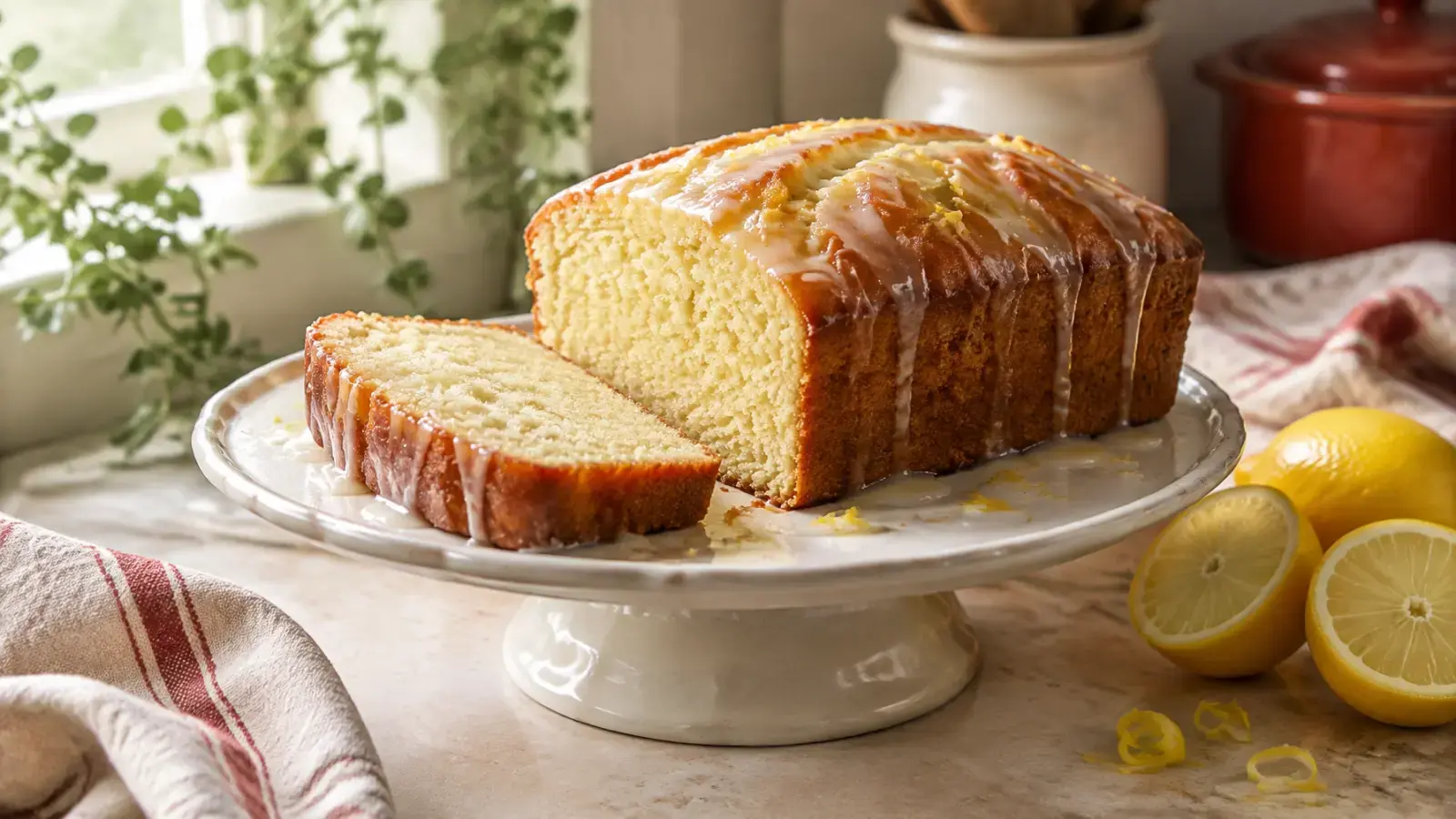
Classification: How-to recipe and baking tutorial
Preparation basis: Traditional British loaf cake method using a creamed sponge and warm lemon drizzle.
[JUMP TO RECIPE](#recipe)
Definition
lemon drizzle cake (noun): a British butter-based loaf cake finished with lemon juice and sugar poured over the warm sponge, producing a moist crumb and a lightly crisp surface.
The recipe uses equal weights of butter, caster sugar and self-raising flour, with four eggs for structure. Lemon zest is added to the batter. Lemon juice and sugar are applied after baking, while the cake remains warm. This allows the liquid to penetrate the sponge.
The method is consistent with established British versions published by BBC Good Food and BBC Food. No specialist equipment is required. An electric mixer, food processor or wooden spoon may be used.
Result
The finished cake should be:
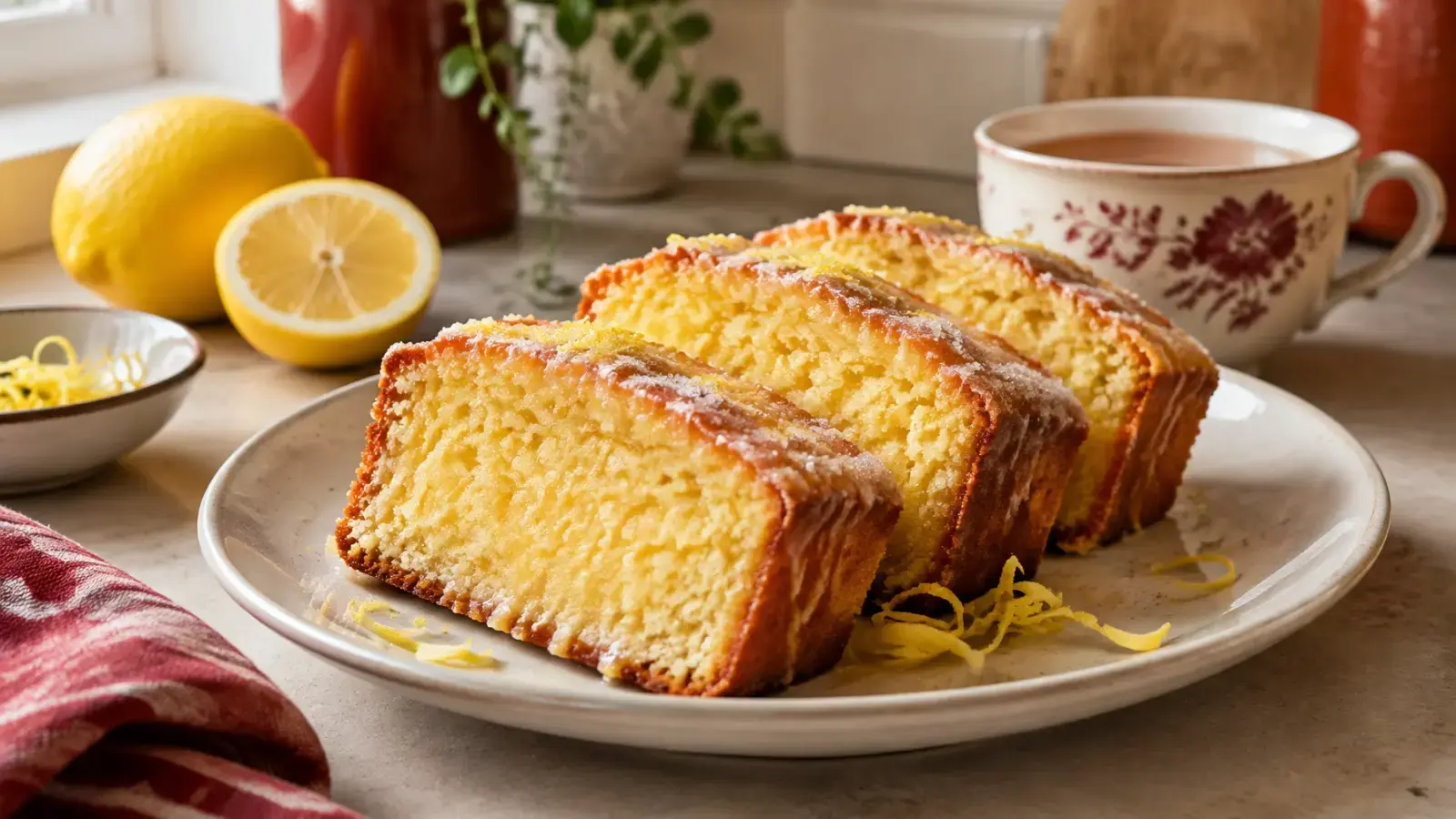
- Golden brown on the outside.
- Light and tender in the centre.
- Clearly flavoured with fresh lemon zest.
- Moist from the drizzle.
- Slightly crisp or crackled on top, depending on the sugar used.
A 2 lb loaf tin is recommended. The cake should cool completely before slicing so the sponge can set and the drizzle can stabilise.
Control
The following points determine the final texture.
- Use softened butter. Cold butter will not cream effectively with the sugar. Melted butter will produce a different, denser crumb.
- Use unwaxed lemons where possible. The zest is used directly in the batter.
- Add eggs gradually. This reduces the risk of curdling.
- Do not overmix after adding flour. Excess mixing can make the cake heavy.
- Pierce the cake while warm. A cold cake will absorb less drizzle.
- Pour slowly. This allows the syrup to spread rather than pooling in one area.
- Check the oven early. Loaf tins and ovens vary. Begin checking after 43 minutes.
- Do not refrigerate unless necessary. Cold storage can firm the butter in the sponge and make the cake seem drier.
Variations
Icing finish
Replace the caster sugar in the drizzle with 85g icing sugar. Mix it with the lemon juice to create a smoother, more opaque topping. Pour it over the completely cooled cake rather than the warm cake.
Extra lemon
Use the zest of two lemons in the batter if a stronger flavour is required. Add lemon juice gradually to the drizzle, checking the consistency as you go.
Crunch topping
Use granulated sugar instead of caster sugar in the drizzle. The larger crystals produce a more noticeable crackle on the surface.
Orange and lemon
Replace half of the lemon zest with orange zest. Use a mixture of orange and lemon juice for a less sharp citrus profile.
Traybake
Bake the mixture in a lined 20cm square tin. Reduce the baking time and begin checking after 30 minutes. The exact time will depend on the depth of the mixture.
Storage
Store the cooled cake in an airtight container at room temperature for up to four days. Keep it away from direct sunlight and moisture.
For longer storage, wrap the cake thoroughly and freeze it for up to three months. Defrost it while still wrapped at room temperature. A plain sponge may be frozen before adding a separate icing. The finished lemon drizzle can also be frozen, although the topping may soften slightly after thawing.
The cake is generally best served at room temperature.
FAQ
Why has my lemon drizzle cake sunk?
A sunken centre may result from underbaking, opening the oven door too early, adding eggs too quickly or using too much liquid. The cake should be fully risen and firm before removal from the oven.
Can I make lemon drizzle cake without self-raising flour?
Yes. Replace the self-raising flour with 225g plain flour and add 2 teaspoons of baking powder. Sift them together before adding them to the batter.
Should I use caster sugar or icing sugar for the drizzle?
Caster sugar produces a traditional, slightly crunchy topping. Icing sugar produces a smoother glaze. Both are suitable.
Why is the cake dry?
Common causes include overbaking, insufficient butter, inaccurate weighing or storing the cake uncovered. The lemon drizzle should be applied while the cake is warm to improve moisture retention.
Can I use bottled lemon juice?
Fresh lemon juice is recommended because it provides a cleaner flavour. Bottled juice may be used if fresh lemons are unavailable, but it should not replace the lemon zest.
Can I make this recipe in advance?
Yes. The cake may be baked one day before serving. Store it in an airtight container at room temperature. The flavour and texture will remain suitable for several days.
Is lemon drizzle cake vegetarian?
This recipe is vegetarian. It contains butter and eggs. It is not vegan and is not suitable for people with milk or egg allergies.
---